by Ido | Jul 2, 2026 | ESD / Static Control
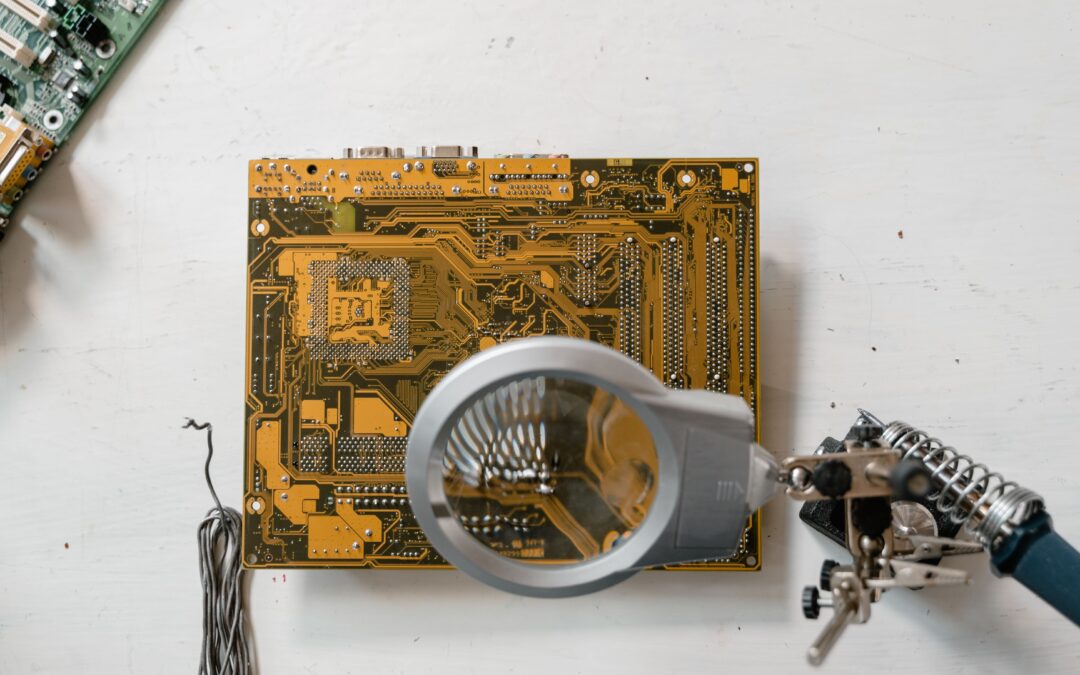
ESD failure testing uses controlled electrostatic discharge to deliberately stress electronic components, revealing failure thresholds and identifying both catastrophic and latent static-related defects before production deployment. This destructive testing applies...

by Ido | Jul 1, 2026 | ESD / Static Control
Fog-based dust suppression works better than electrostatic precipitators for facilities with high humidity environments, continuous operation requirements, or dust control needs across large open spaces. ESP systems excel in controlled environments with stable...

by Ido | Jun 30, 2026 | ESD / Static Control
Electrostatic discharge protection for components requires specific packaging, handling protocols, and environmental controls that prevent static electricity damage during manufacturing and assembly operations. ESD-sensitive components can suffer permanent damage from...
by Ido | Jun 29, 2026 | ESD / Static Control
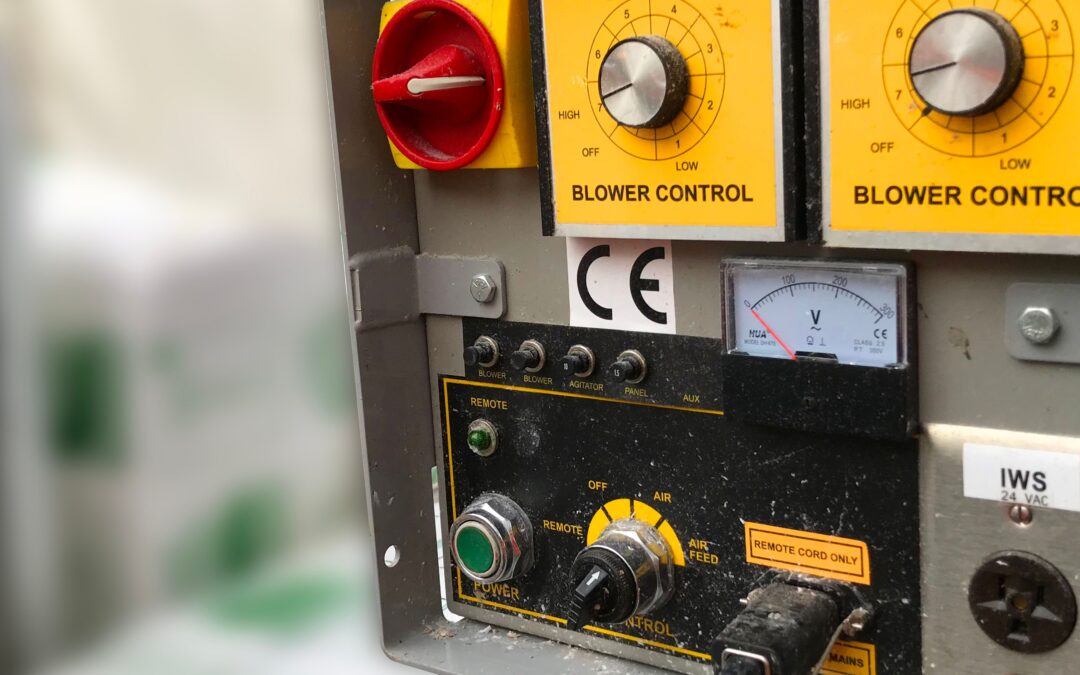
Seven proven electrostatic discharge prevention methods eliminate ESD risks when properly implemented across industrial and commercial facilities. These approaches range from environmental humidity control that prevents charge buildup at the source to personal...
by Ido | Jun 28, 2026 | ESD / Static Control
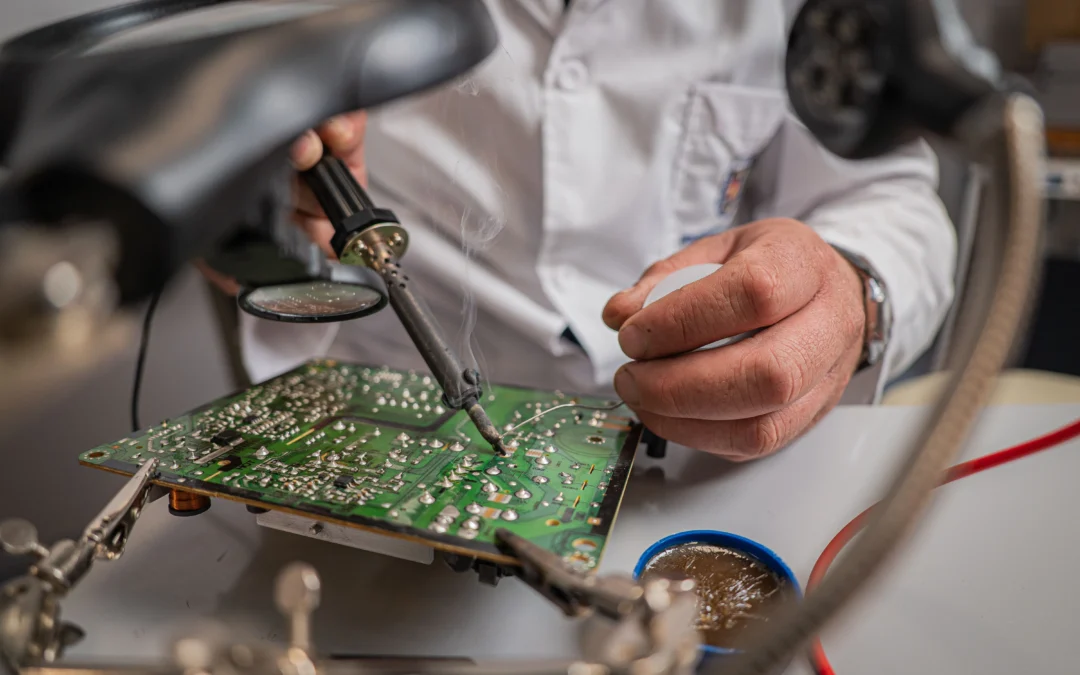
Electrostatic discharge prevention requires a combination of environmental controls, grounding systems, and protective materials to eliminate static buildup before it can damage equipment or create safety hazards. Environmental humidity control prevents charge...

by Ido | Jun 27, 2026 | ESD / Static Control
Electrostatic discharge control encompasses the active management of charge buildup through four primary methods: grounding, bonding, humidity control, and ionization. Each method addresses different charge accumulation scenarios and material types in industrial...