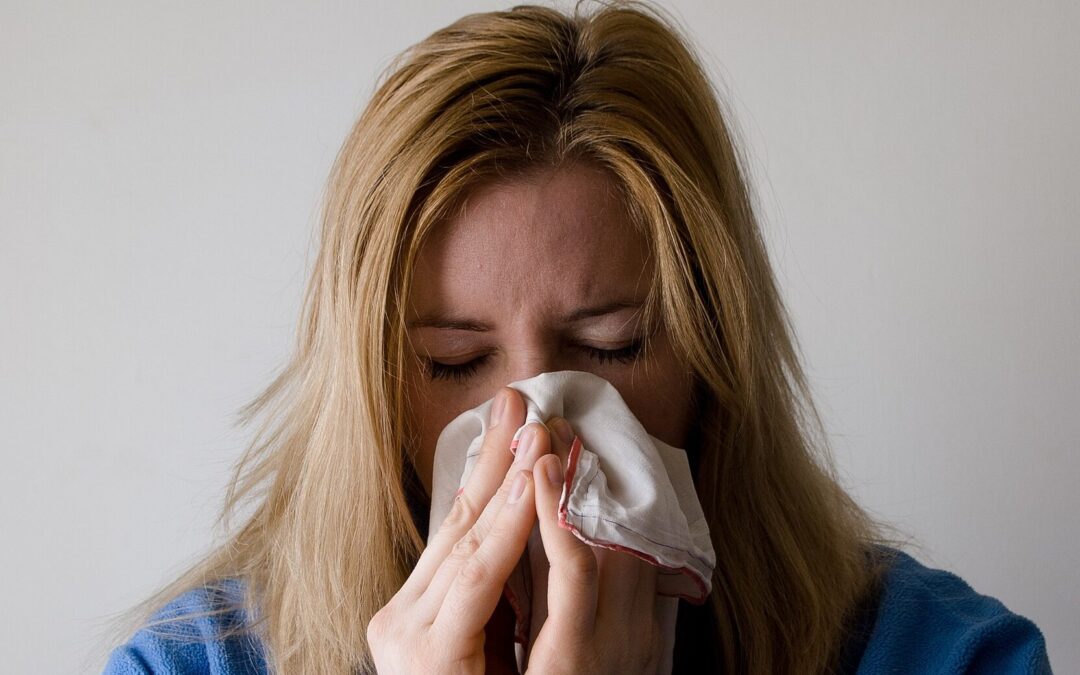
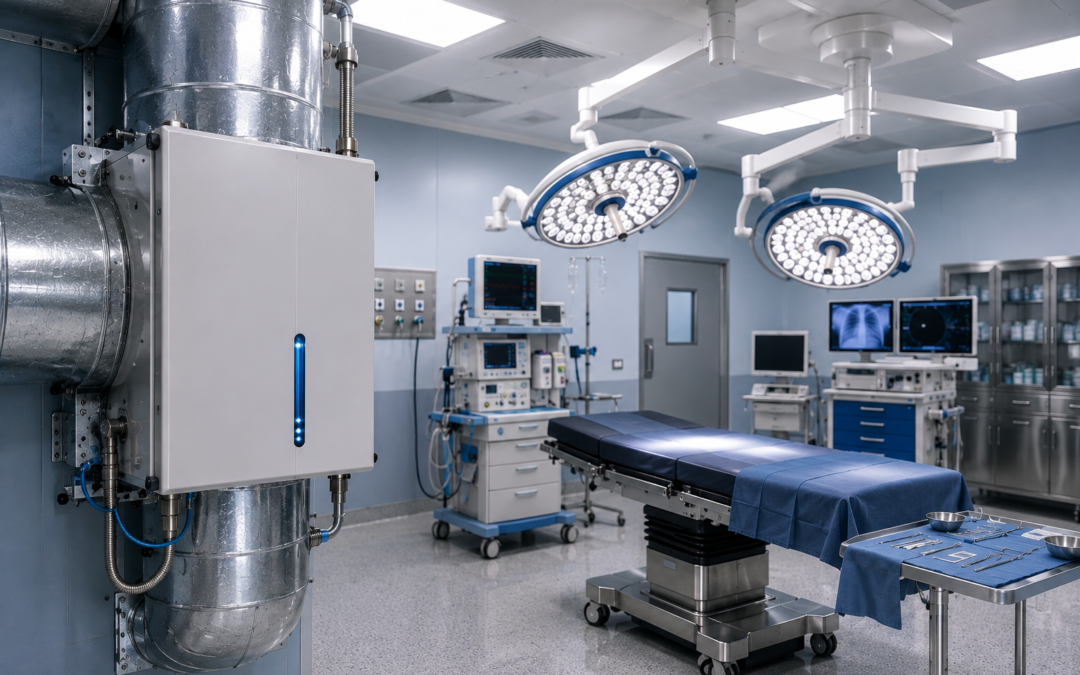
When hospitals heat cold outdoor air to comfortable indoor temperatures, the relative humidity (RH) inside the building drops sharply, often reaching 10–30% RH in uncontrolled conditions. That range is well below the 30–60% RH specified for general patient care areas...
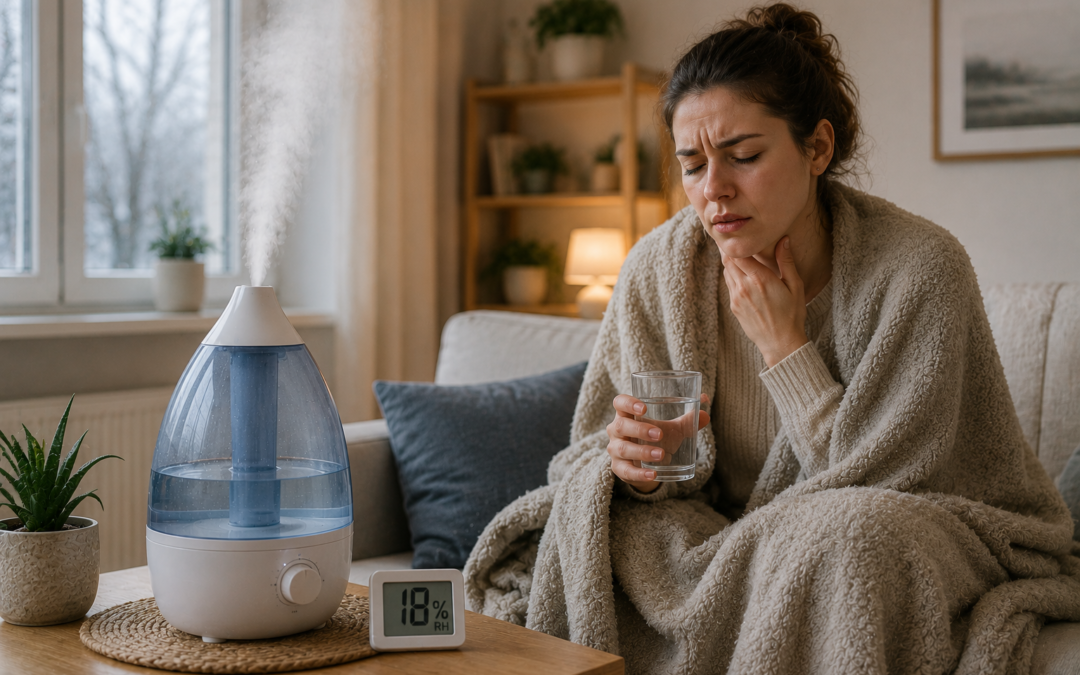
Yes, low humidity can cause a sore throat, and it is one of the most common non-illness causes of throat discomfort. Dry air pulls moisture from the mucous membranes lining the throat and nasal passages, leaving tissue dry, irritated, and rough. This article explains...
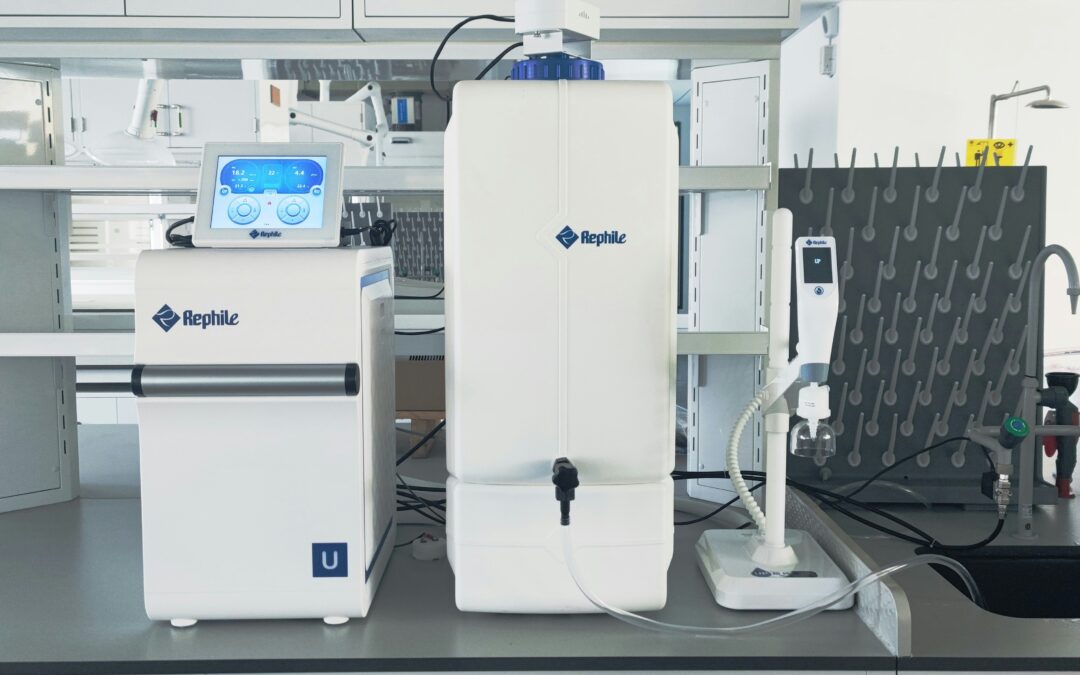
Laboratory humidifiers must maintain precise relative humidity levels while preventing surface contamination, protecting sensitive analytical instruments, and ensuring sample integrity across different testing environments. The precision requirements for laboratory...
Dry air does contribute to dehydration by increasing water loss through breathing and skin evaporation, especially when indoor humidity drops below 30% relative humidity (RH). The human body loses significantly more moisture in low-humidity environments because the...
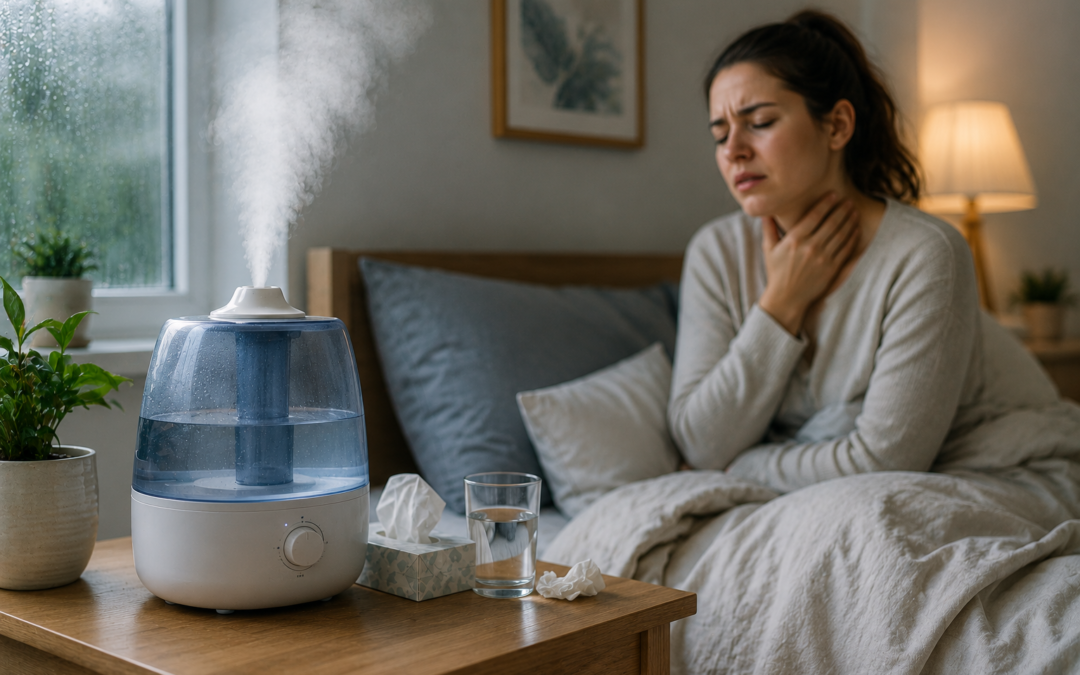
Yes, humidifiers can cause sore throats through mineral dust exposure, mold contamination, and over-humidification that creates conditions for bacterial growth. These problems occur when humidification systems produce airborne irritants, fail to maintain proper...
Medical grade humidifiers must meet specific regulatory and performance standards that separate them from standard commercial units. Healthcare facilities, pharmaceutical manufacturing environments, and research laboratories require humidity control systems that...