


Humidity changes between winter and summer because warm air can hold far more moisture than cold air, while heating and cooling systems further alter indoor conditions throughout the year. Maintaining stable humidity levels helps reduce seasonal problems like static electricity, condensation, dry air discomfort, and equipment performance issues.
Ido Goldstein
Chief Technology Officer at Smart Fog
Author
Ido Goldstein is a technology innovator with deep expertise in humidity engineering, climate control, and non-wetting fog systems. He has spent years advancing energy-efficient and water-smart solutions that help industries like cleanrooms, data centers, wineries, and greenhouses maintain precise environmental control.
Passionate about technology with real-world impact, Ido also supports sustainable agriculture initiatives and nonprofit innovation. Through this blog, he shares practical insights on HVAC advancements, indoor air quality, and the science behind high-performing environments.
Does Humidity Make You Tired? The Science Behind Humidity and Fatigue
Both high and low humidity can contribute to fatigue by forcing the body to work harder to regulate temperature, maintain hydration, and support efficient breathing. Stable indoor humidity levels help improve comfort, sleep quality, focus, and overall energy levels throughout the day.
How Humidity Affects Electronics: Too Low, Too High, and the Safe Range
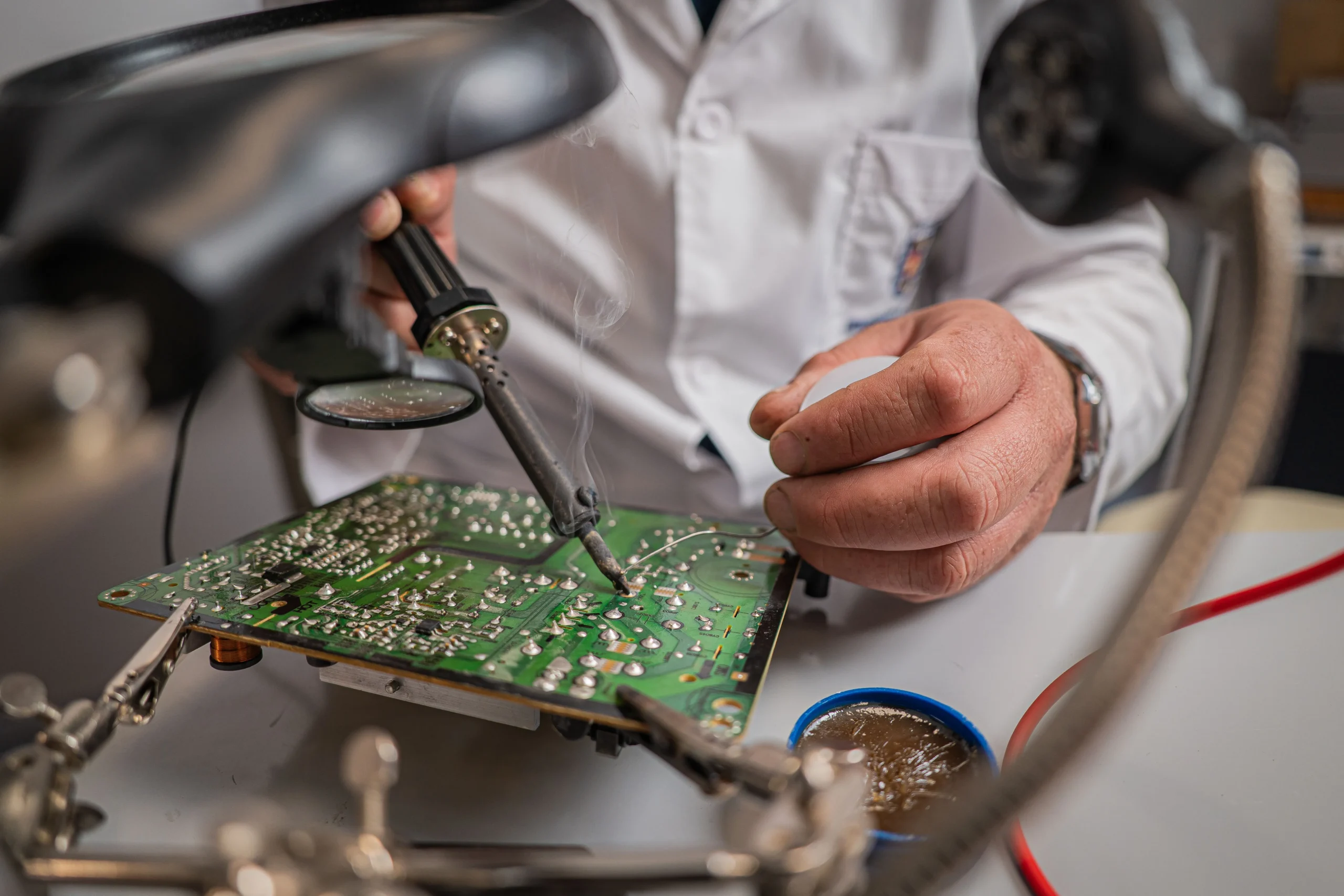
Humidity directly affects electronics by influencing static electricity, condensation risk, and long-term corrosion on sensitive components. Maintaining stable humidity levels helps protect computers, servers, circuit boards, and industrial equipment from performance issues and premature failure.
How to Tell If Your Humidifier Is Working (Signs It’s Not)
A working humidifier should consistently maintain target humidity levels without large fluctuations, excessive condensation, or unusual performance changes. Accurate humidity readings, stable operation, and proper moisture distribution are the clearest indicators that a system is functioning correctly.
Adiabatic Humidifiers: How They Work and Why They Matter for Industrial Facilities
Adiabatic humidifiers add moisture to air through evaporative cooling, with no external heat source required. This guide explains the operating mechanism, the comparison with isothermal steam systems, and the industrial applications where adiabatic humidification is the engineering standard.
How an In-Duct Humidifier Works: Mechanism, Types, and Industrial Applications
In-duct humidifiers deliver precise humidity control through existing HVAC ductwork, making them an efficient solution for large commercial and industrial facilities. This guide explains how in-duct humidifiers work, compares the main technology types, and explores the performance, precision, and non-wetting requirements needed to maintain reliable humidity control in demanding environments.
Can Dry Air Cause Dehydration? How Low Humidity Affects Your Body
Dry air can contribute to dehydration by increasing moisture loss through breathing and skin evaporation, especially when indoor humidity falls below healthy levels. Maintaining balanced humidity helps reduce dry throat, fatigue, headaches, and other symptoms linked to prolonged exposure to low-moisture environments.
Does a Humidifier Help with Dust? What the Science Says
Humidifiers can help reduce airborne dust by adding moisture that causes fine particles to settle faster and by lowering static electricity that keeps dust suspended in the air. While humidity control improves dust suppression, it works best alongside proper ventilation, filtration, and routine cleaning.
Can a Humidifier Cause a Sore Throat? Causes and Fixes
Humidifiers can cause sore throats when mineral dust, mold, bacteria, or excessive humidity levels introduce airborne irritants into indoor air. Proper cleaning, water quality management, and balanced humidity control are essential for preventing throat irritation while still maintaining comfortable moisture levels.
Laboratory Humidity Control Systems: Recommended Ranges, Risks, and Solutions
Uncontrolled humidity in laboratory environments causes equipment failure, static discharge, and compromised sample integrity. This article covers recommended RH ranges by lab type, the regulatory standards that apply, and how to select a humidification system matched to your facility’s precision requirements.