
by Ido | May 9, 2026 | Humidification
Relative humidity is the amount of moisture in the air compared with the maximum amount the air can hold at the same temperature. It is shown as a percentage, so 50% RH means the air is holding half of the moisture it could hold at that temperature, while 100% RH...
by Ido | May 8, 2026 | Humidification
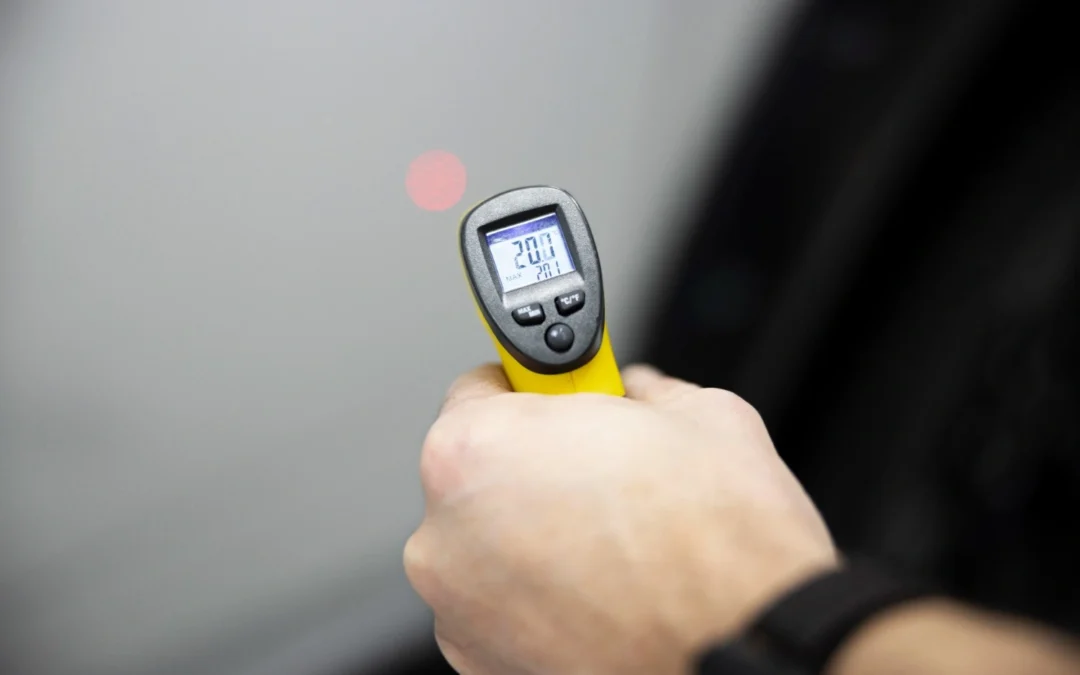
A humidity sensor is a device that measures relative humidity in the air and often temperature, then converts that measurement into an electrical signal. Modern humidity sensors send this signal to displays, data loggers, or automated control systems. This helps to...
by Ido | May 8, 2026 | Humidification
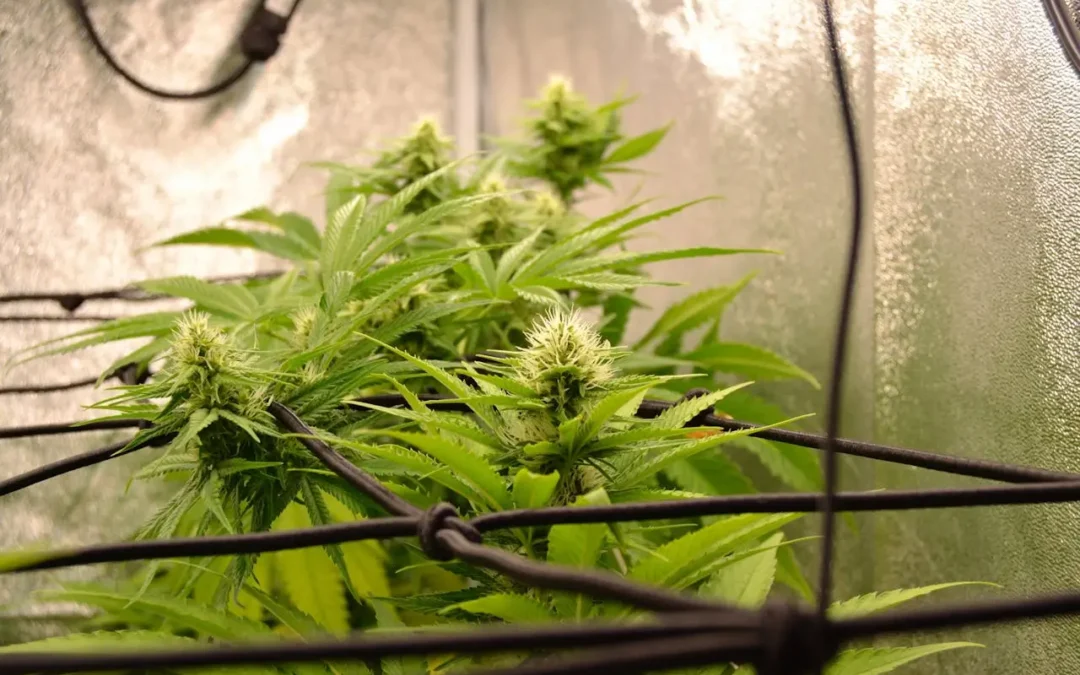
Vapor pressure deficit, or VPD, measures the difference between how much moisture the air can hold and how much it is currently holding, expressed in kilopascals (kPa). Cannabis growers use VPD because it reflects the real relationship between temperature, humidity,...
by Ido | May 7, 2026 | Humidification
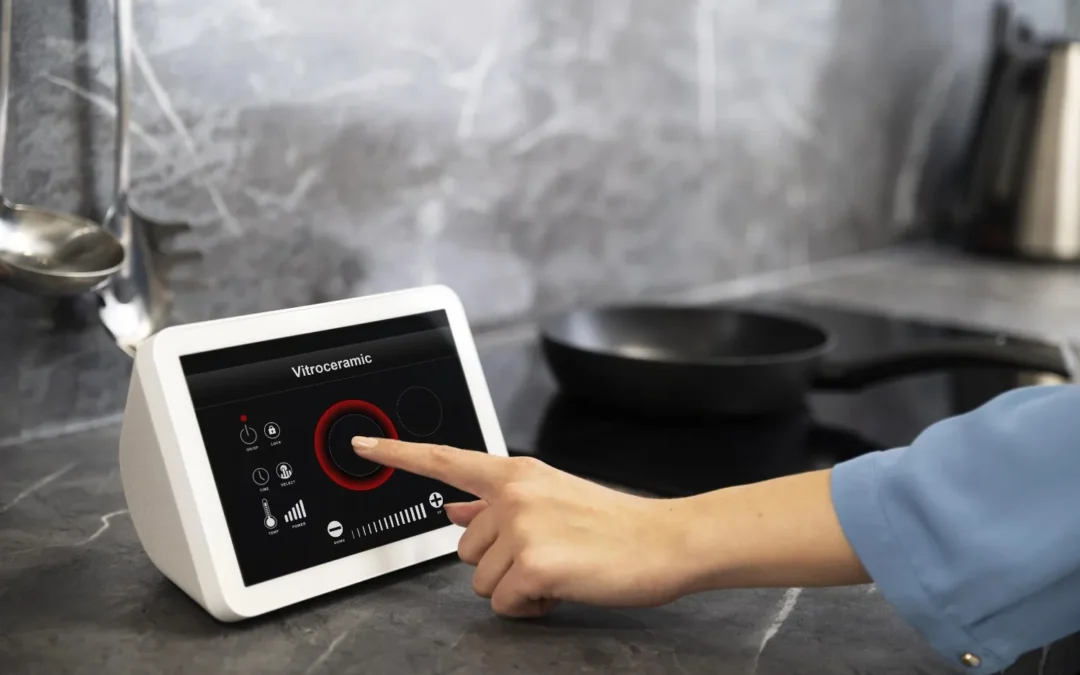
Maintaining relative humidity within a precise range requires more than a humidifier or dehumidifier alone. It requires a humidity controller that continuously measures room conditions, compares them to a target setpoint, and adjusts connected equipment automatically....
by Ido | May 7, 2026 | Humidification
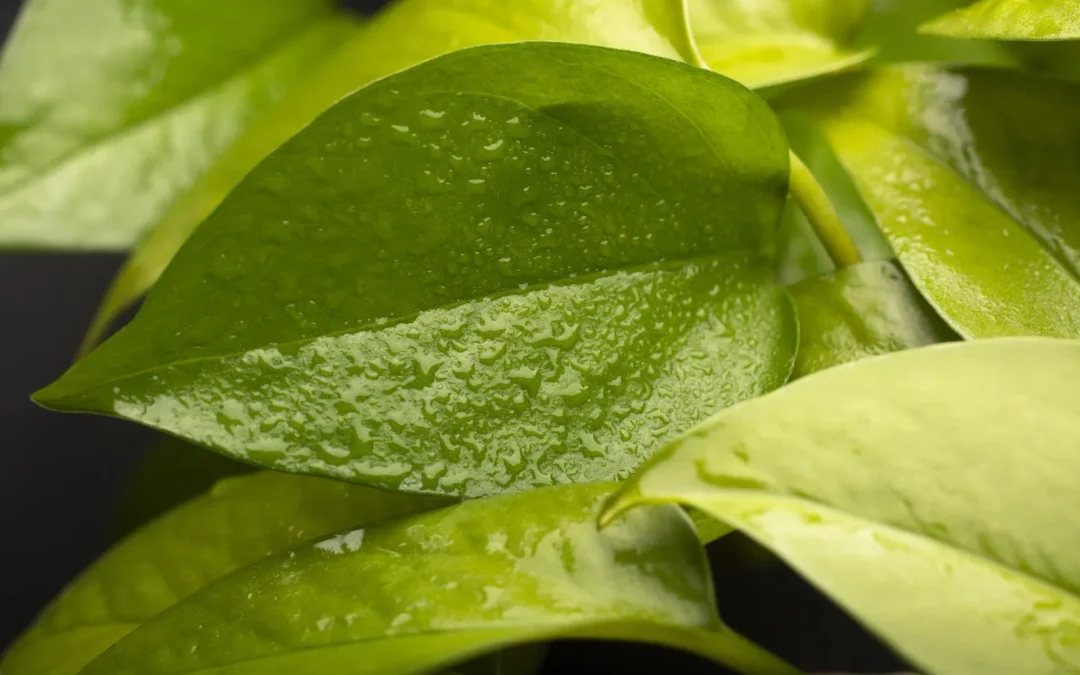
Plants need the right humidity because air moisture affects how quickly water leaves the leaf through stomata during transpiration. When humidity is too low, plants lose water too quickly and show stress; when humidity is too high, transpiration slows and fungal...
by Ido | May 6, 2026 | Humidification
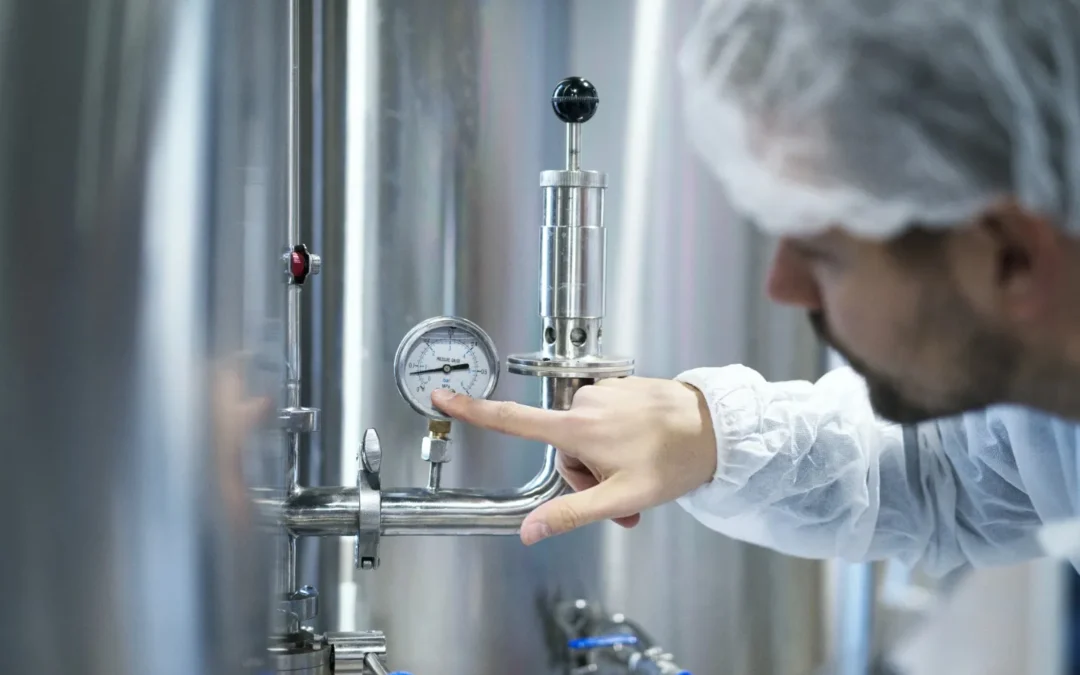
In commercial environments, uncontrolled humidity can damage products, trigger static discharge, create condensation, and reduce process stability. A humidity control system is an engineered solution that keeps relative humidity within a target range using sensors,...


