
by Ido | Jun 11, 2026 | Cold Storage, Humidification
Dry air is an active operational risk in food processing facilities, not a background comfort variable. Chronically low relative humidity (RH) causes measurable product weight loss, static-driven packaging failures, worker health impacts, and process disruptions...
by Ido | Jun 11, 2026 | Humidification
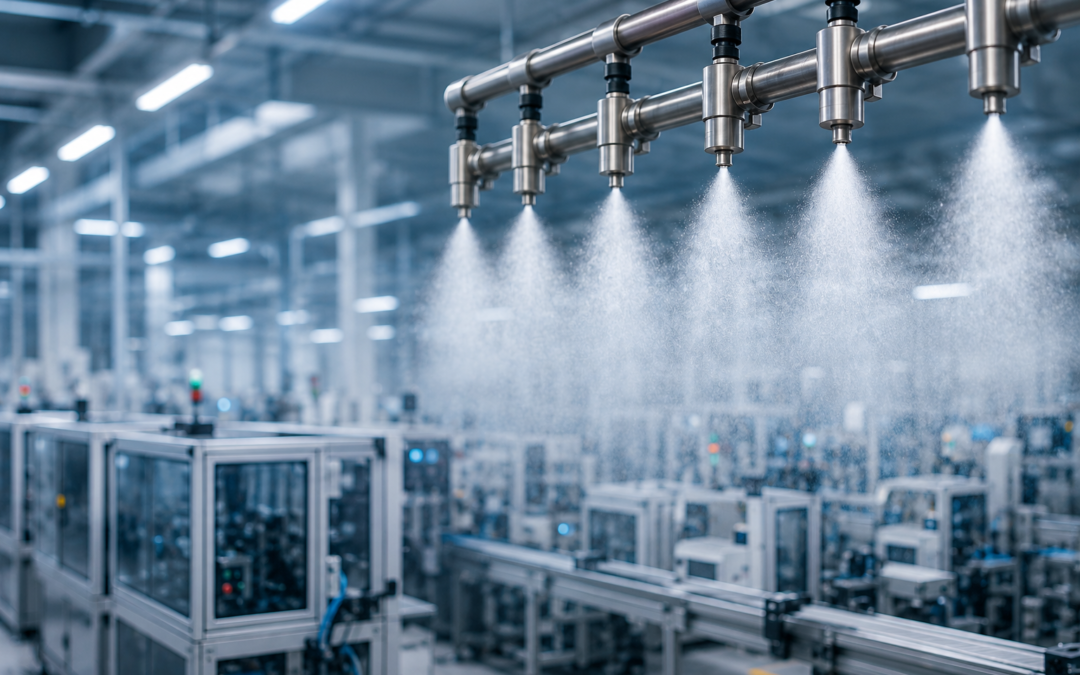
Self-evaporative humidifier technology produces precisely sized water droplets engineered to complete their evaporation cycle before reaching any surface, equipment, or product under proper system design. Unlike traditional evaporative humidifiers that rely on wicks...

by Ido | Jun 10, 2026 | Humidification
Non-wetting humidification represents a fundamental technology distinction in industrial moisture control. This approach adds humidity to air without creating condensation on surfaces, equipment, or products under proper system design. The technology achieves this...
by Ido | Jun 9, 2026 | Humidification
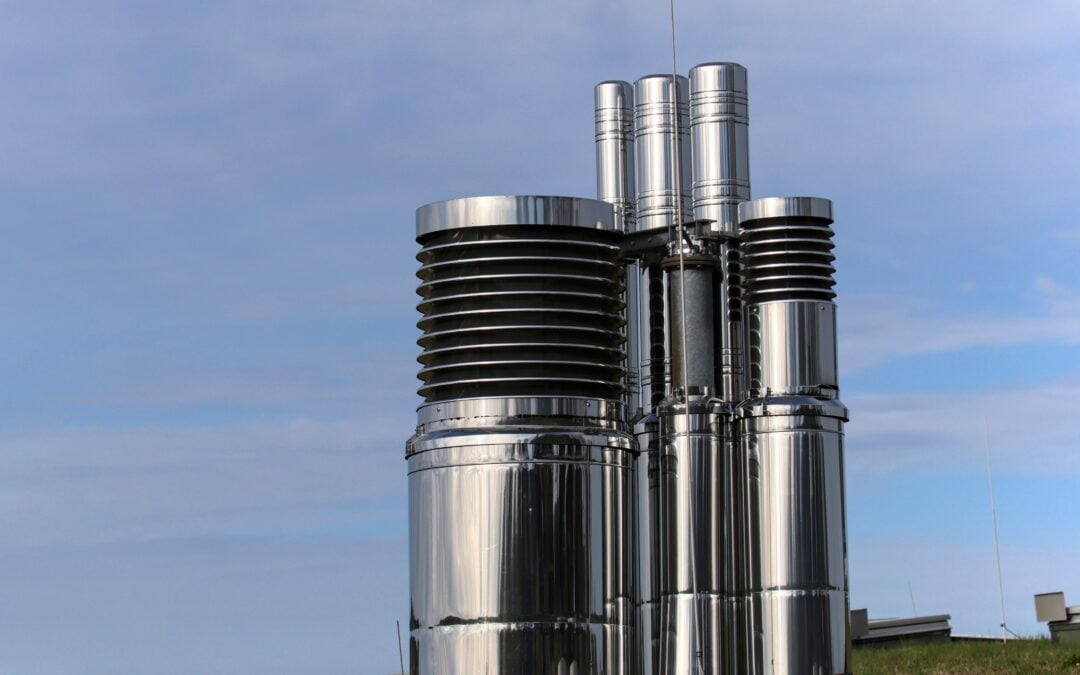
Uncontrolled humidity in manufacturing facilities causes electrostatic discharge damage, dimensional changes in materials, surface contamination, and worker productivity losses that can cost thousands of dollars per incident. Maintaining relative humidity within...
by Ido | Jun 6, 2026 | Humidification
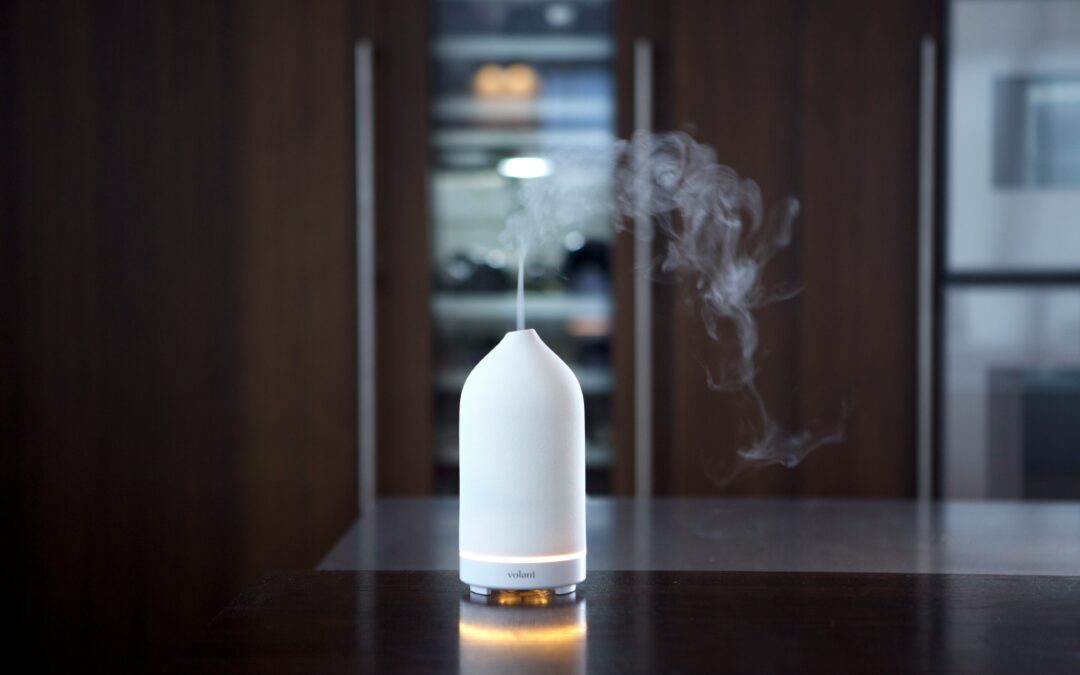
A humidifier is a device that adds moisture to the air to increase humidity levels in indoor spaces. These systems serve applications ranging from residential comfort control to precision industrial processes requiring specific moisture levels for equipment...
by Ido | Jun 6, 2026 | Humidification
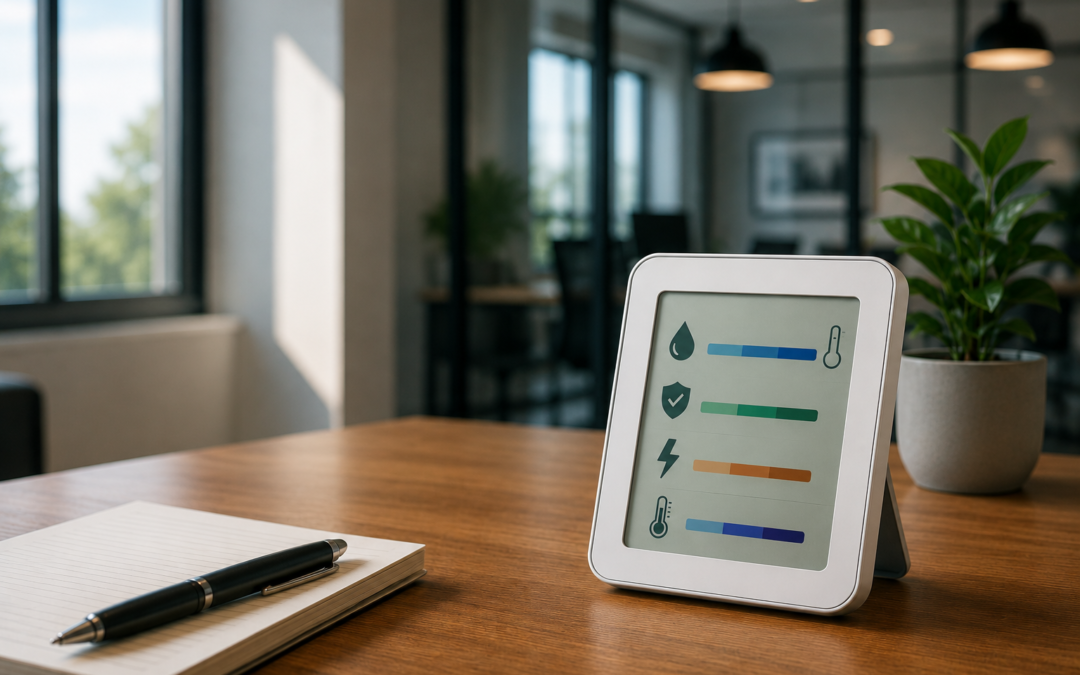
Ambient humidity refers to the amount of moisture present in the surrounding air at a specific location and time. Unlike relative humidity measurements that express moisture as a percentage of air’s maximum capacity at a given temperature, ambient humidity...


