by Ido | Jun 7, 2026 | Fog System
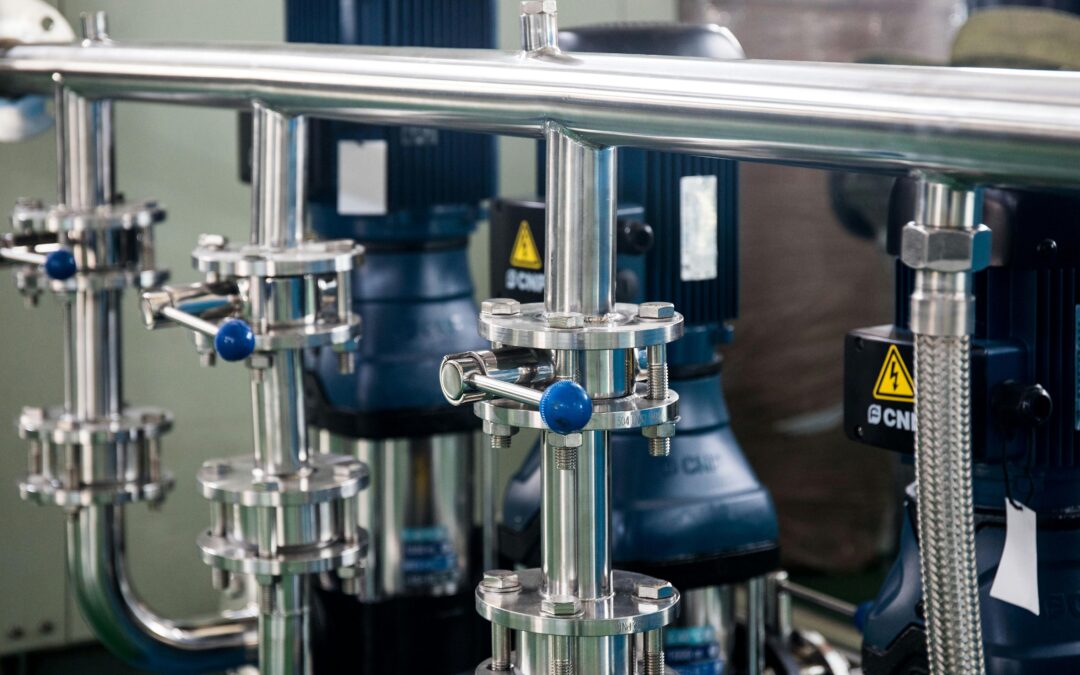
Automatic fogging systems use sensors, controllers, and automated valves to maintain precise humidity levels without manual intervention. These systems integrate humidity sensors with programmable controllers to continuously monitor ambient conditions and adjust fog...
by Ido | Jun 4, 2026 | Fog System
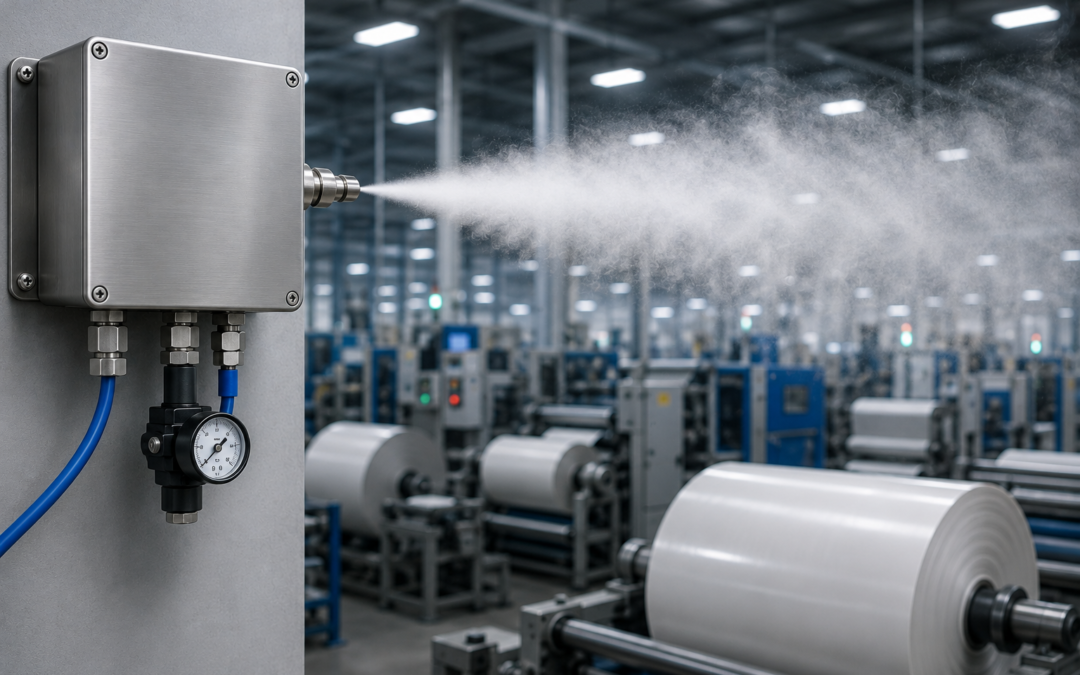
Dry fog technology creates self-evaporating droplets that humidify air without condensing on surfaces, equipment, or products under proper system design. Unlike traditional humidification methods that rely on steam generation or surface evaporation, dry fog systems...

by Ido | May 14, 2026 | Fog System
Industrial dust control directly affects worker safety, equipment life, and operational efficiency. Fog-based dust suppression systems introduce fine water droplets into the air to capture airborne particles before they spread through the facility. These droplets...

by Ido | Apr 22, 2026 | Fog System
Humidification systems fall into two fundamental categories: isothermal, which adds heat to create steam, and adiabatic, which uses evaporation without added heat. Steam humidification boils water to produce pure vapor and offers high precision but high energy...

by Ido | Apr 21, 2026 | Fog System
Dry fog humidification and high-pressure fog systems both introduce water into the air to raise relative humidity, but they achieve this through fundamentally different mechanisms with different outcomes for surface wetting, RH precision, and maintenance burden. Dry...
by Ido | Apr 17, 2026 | Fog System
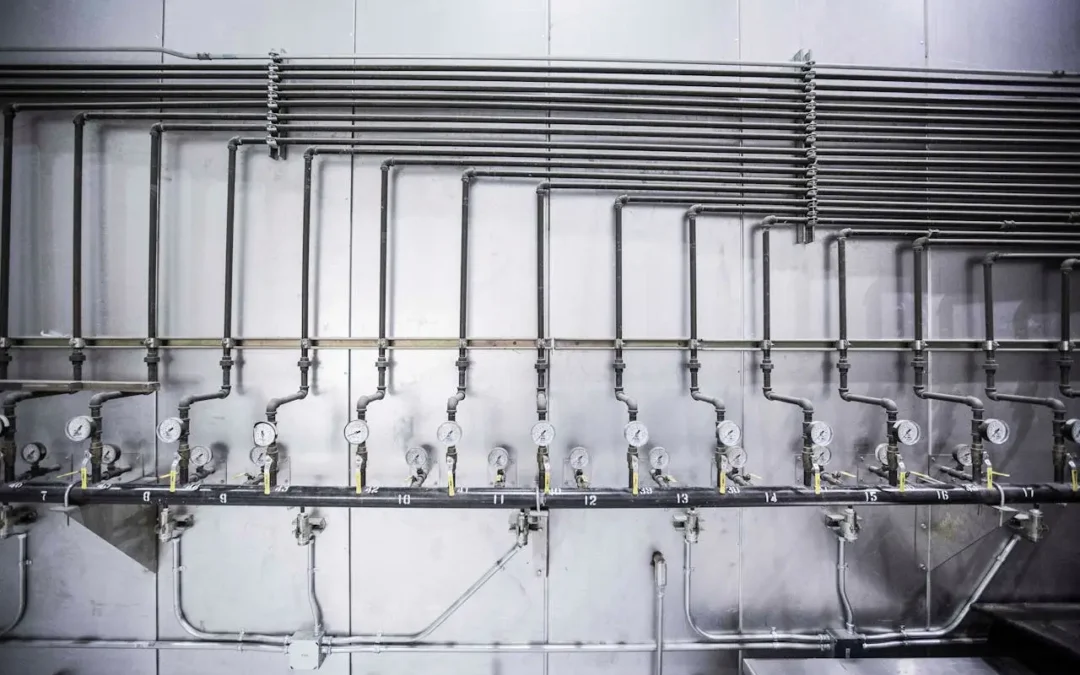
An industrial fog humidification system controls relative humidity in large commercial or industrial spaces by introducing fine water droplets into the air that evaporate before reaching surfaces. Unlike high-pressure misting systems used for outdoor cooling or dust...