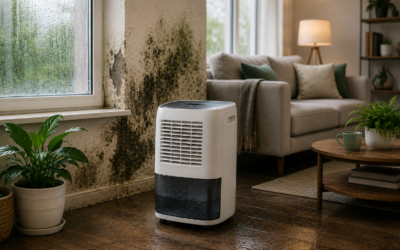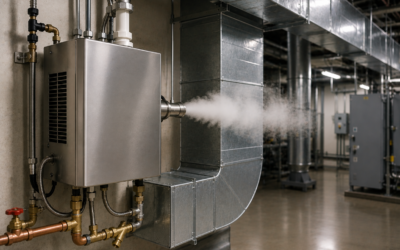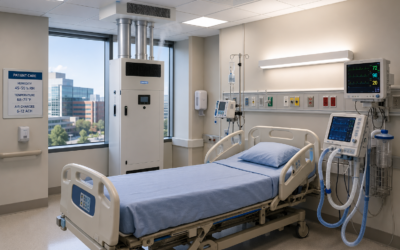



Maintaining ideal humidity levels in data centers is essential for preventing static electricity, condensation, and corrosion. Operating within the recommended 40–60% relative humidity range supports equipment longevity, energy efficiency, and long-term operational stability.
Ido Goldstein
Chief Technology Officer at Smart Fog
Author
Ido Goldstein is a technology innovator with deep expertise in humidity engineering, climate control, and non-wetting fog systems. He has spent years advancing energy-efficient and water-smart solutions that help industries like cleanrooms, data centers, wineries, and greenhouses maintain precise environmental control.
Passionate about technology with real-world impact, Ido also supports sustainable agriculture initiatives and nonprofit innovation. Through this blog, he shares practical insights on HVAC advancements, indoor air quality, and the science behind high-performing environments.
Humidity Control in Defense and Military Facilities
Uncontrolled humidity in defense facilities increases the risk of corrosion, condensation, and static electricity damage. Maintaining stable environmental conditions protects sensitive equipment, preserves infrastructure integrity, and supports long-term operational readiness.
Why Low Humidity Is Dangerous for Data Centers
Low humidity is a hidden risk in data centers that can lead to electrostatic discharge, hardware damage, and unplanned downtime. This guide explains what low humidity means, why it happens, and how to prevent long-term operational and reliability issues.
Why Temperature Control Alone Isn’t Enough in Server Rooms
Temperature control is essential in server rooms, but it is not enough. Humidity imbalance, poor airflow, and environmental instability can cause hidden hardware damage, static discharge, condensation, and long-term reliability issues even when temperature readings appear normal.
Humidity Control in Data Centers for Equipment Protection
Effective humidity control is essential in data centers to protect sensitive IT equipment from static electricity, condensation, and long-term damage. This guide explains how precise, non-wetting humidity management supports reliability, uptime, and equipment longevity.
Why Most Pharmaceutical Plants Waste Millions on HVAC — and How Precise Humidity Control Cuts Costs & Extends Equipment Life
Introduction — The Silent Drain on Your Pharmaceutical Facility Every pharmaceutical facility...
Why Precise Humidity & Static Control is Critical for Pharmaceutical Manufacturing — From GMP Compliance to Protecting Your Yields
Introduction — The Overlooked Risks Lurking in Pharmaceutical Air Pharmaceutical manufacturing...
How Microbial Contamination Starts with Your Air — And Why Controlling Humidity & Condensation Stops It at the Source
Introduction — The Invisible Threat Above Your Sterile Processes When most pharmaceutical...
Why Static is the Hidden Contamination Risk in Pharmaceutical Manufacturing — and How Real Humidity Control Fixes It
Introduction — The Overlooked Problem: Static in Pharma When most pharmaceutical facilities talk...
A Practical Guide to Humidity System Validation in GMP Cleanrooms (IQ, OQ, PQ)
Imagine this: a quality manager stands outside a multi-million dollar cleanroom, clipboard in...