
by Ido | Jun 19, 2026 | ESD / Static Control
Electrostatic sprayers apply positive electrical charge to disinfectant droplets, causing them to wrap around surfaces and improve coverage compared to traditional spray methods. The technology addresses the challenge of uniform disinfectant distribution by using...

by Ido | Jun 19, 2026 | ESD / Static Control
Anti-static control requires systematic static elimination through materials, environmental management, grounding methods, and ionization equipment rather than relying on individual devices alone. Facilities that implement comprehensive anti-static programs typically...
by Ido | Jun 17, 2026 | ESD / Static Control
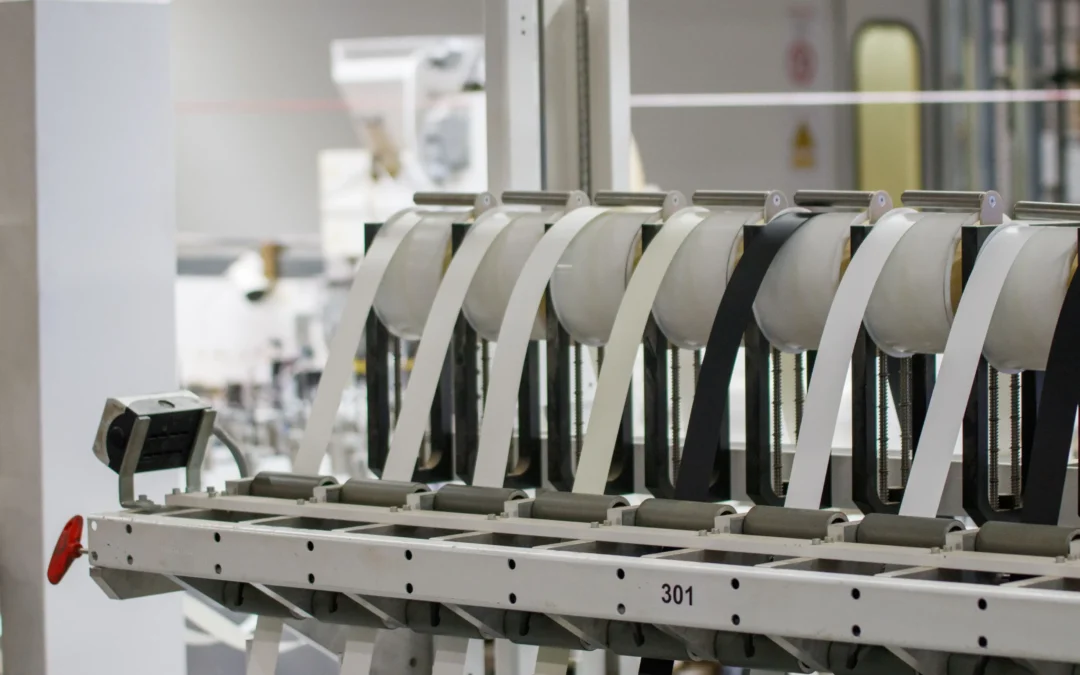
Static elimination prevents paper misfeeds, ink misting, and registration errors through charge neutralization or environmental control that stops static formation before it accumulates. Printing facilities experience these problems when static charges build up during...

by Ido | Jun 16, 2026 | ESD / Static Control
Effective static elimination in manufacturing requires process-specific approaches because injection molding, metal stamping, plastic film handling, and packaging each generate static electricity through different mechanisms and at different voltage levels. Generic...

by Ido | Jun 15, 2026 | ESD / Static Control
Static electricity in paint booths causes three primary defects: fish-eye craters from contamination attraction, dust particles adhering to wet paint, and overspray misdirection that wastes material and creates uneven coverage. These quality problems force rework,...

by Ido | Jun 14, 2026 | ESD / Static Control
ESD control precautions include systematic grounding protocols, environmental monitoring, and compliance verification procedures that extend beyond individual protective equipment to facility-wide controls. Effective electrostatic discharge prevention requires...


