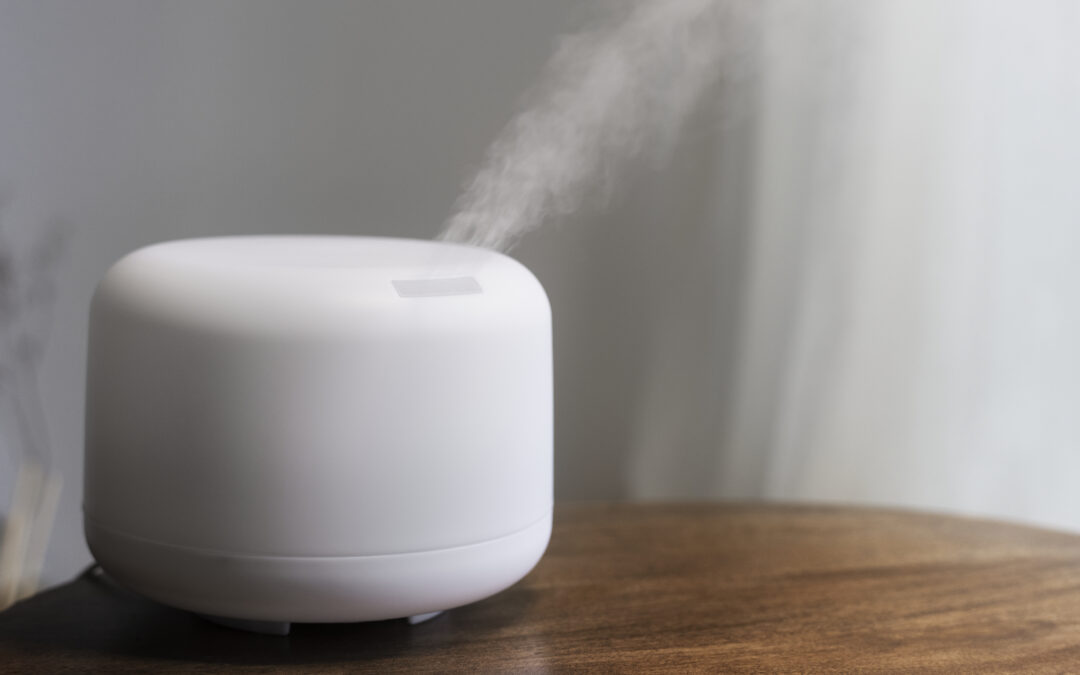
Direct evaporative cooling adds moisture to the supply air as it cools it, while indirect evaporative cooling lowers air temperature through a heat exchanger without introducing humidity to the conditioned space. This article covers the mechanism of each system, their...
Data center cooling is the process of removing heat generated by IT equipment while maintaining environmental conditions that protect hardware and prevent failures. Modern data centers generate substantial heat loads from processors, memory, storage systems, and power...
Data center cooling is the process of removing heat generated by IT equipment while maintaining environmental conditions that protect hardware and prevent failures. Modern data centers generate substantial heat loads from processors, memory, storage systems, and power...
Evaporative cooling systems can achieve PUE values below 1.15 in suitable climates while reducing mechanical cooling loads by 20-40% compared to traditional systems. These systems leverage water evaporation physics to remove sensible heat from server environments, but...
Evaporative cooling lowers air temperature through the natural process of water evaporation rather than chemical refrigerants. As water evaporates into the surrounding air, it absorbs heat from that air and drops its temperature, which is a process governed by the...
A cool mist humidifier adds moisture to indoor air without using heated water, typically through ultrasonic vibration or natural evaporation. It works by dispersing fine water droplets into the room, raising the relative humidity as those droplets evaporate into the...