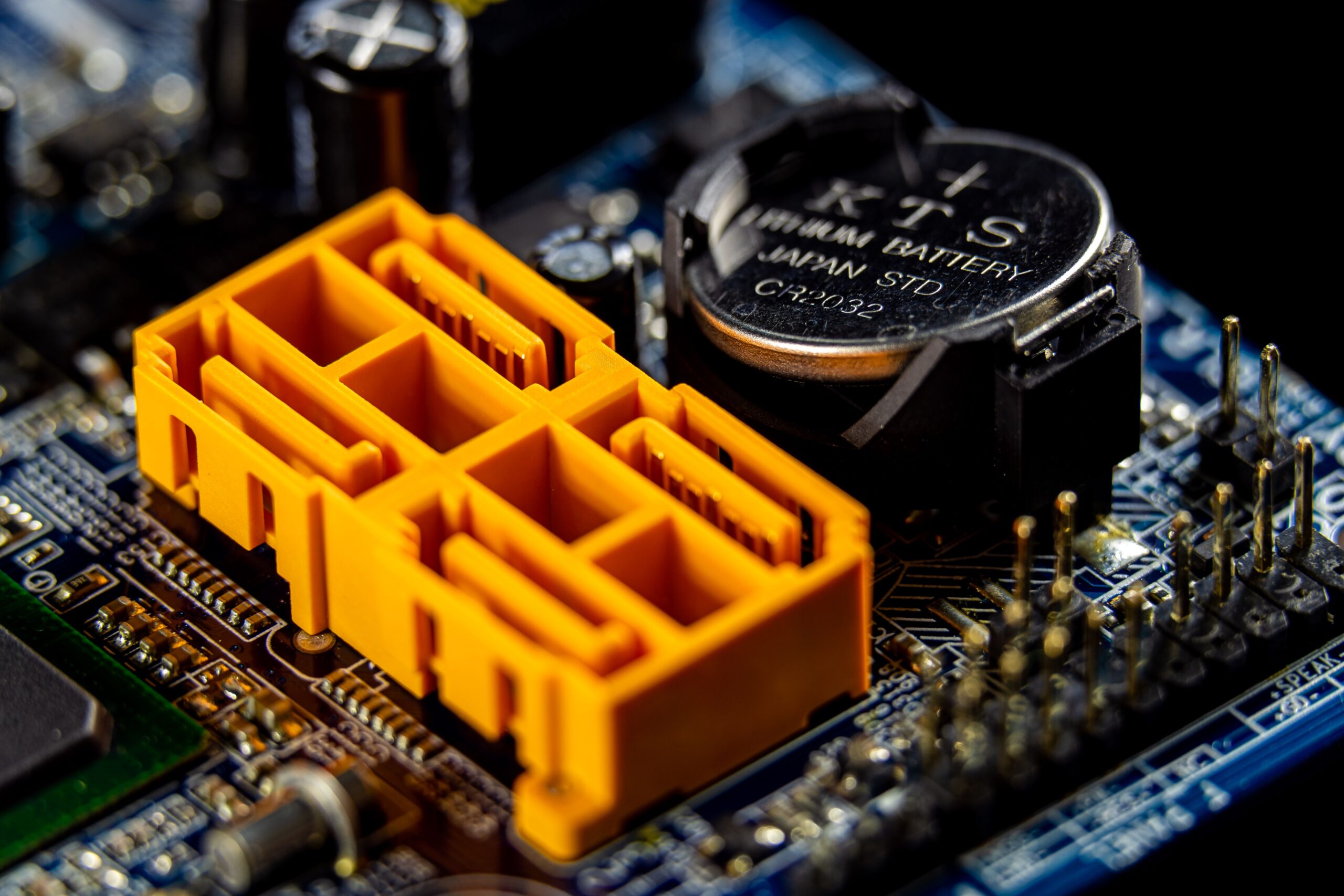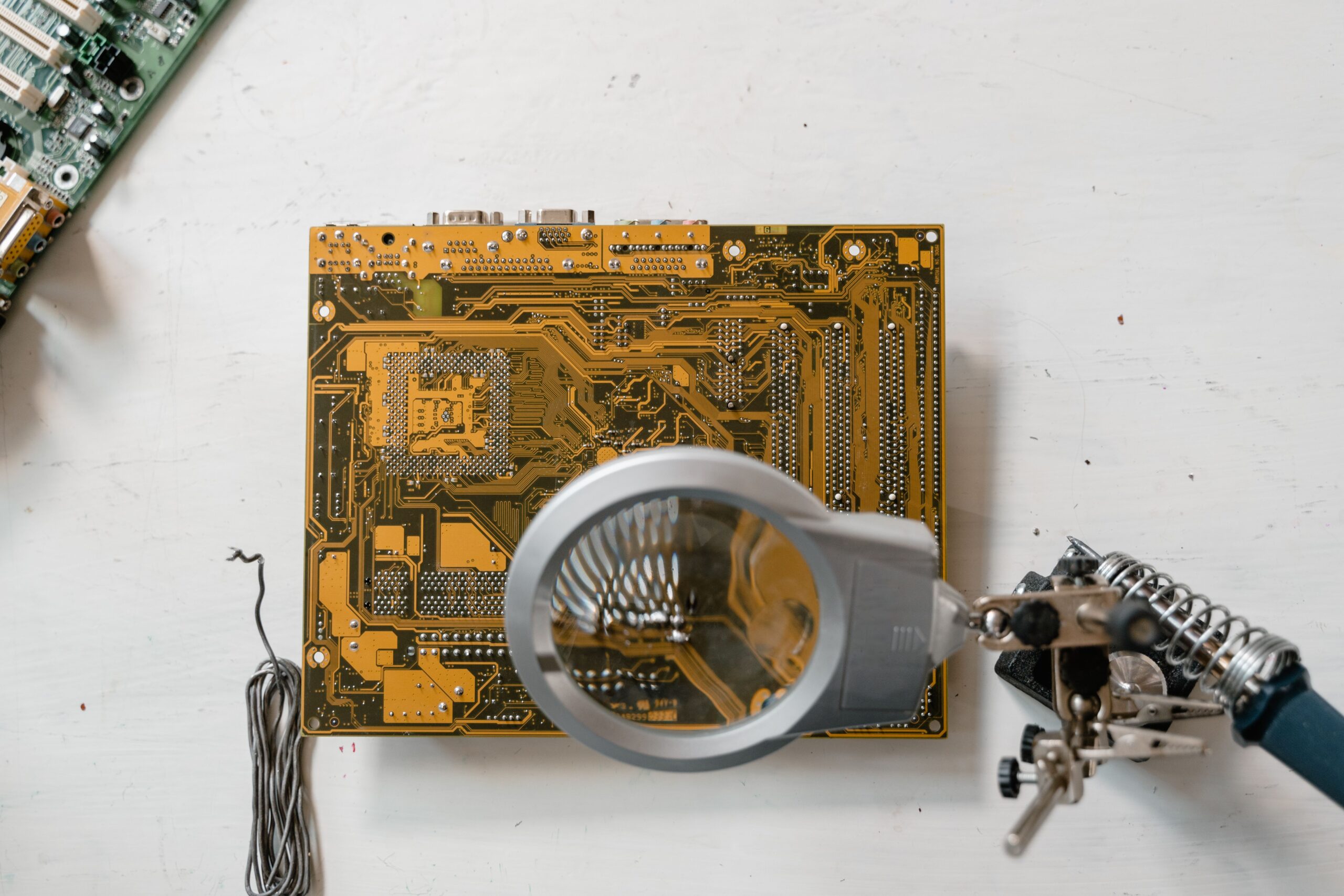
Humidity control is essential for defense compliance and equipment reliability. Maintaining stable relative humidity protects sensitive systems, reduces corrosion and ESD risks, and supports long-term operational readiness across military facilities.
Ido Goldstein
Chief Technology Officer at Smart Fog
Author
Ido Goldstein is a technology innovator with deep expertise in humidity engineering, climate control, and non-wetting fog systems. He has spent years advancing energy-efficient and water-smart solutions that help industries like cleanrooms, data centers, wineries, and greenhouses maintain precise environmental control.
Passionate about technology with real-world impact, Ido also supports sustainable agriculture initiatives and nonprofit innovation. Through this blog, he shares practical insights on HVAC advancements, indoor air quality, and the science behind high-performing environments.
Why Humidity Control Matters in Aerospace Manufacturing
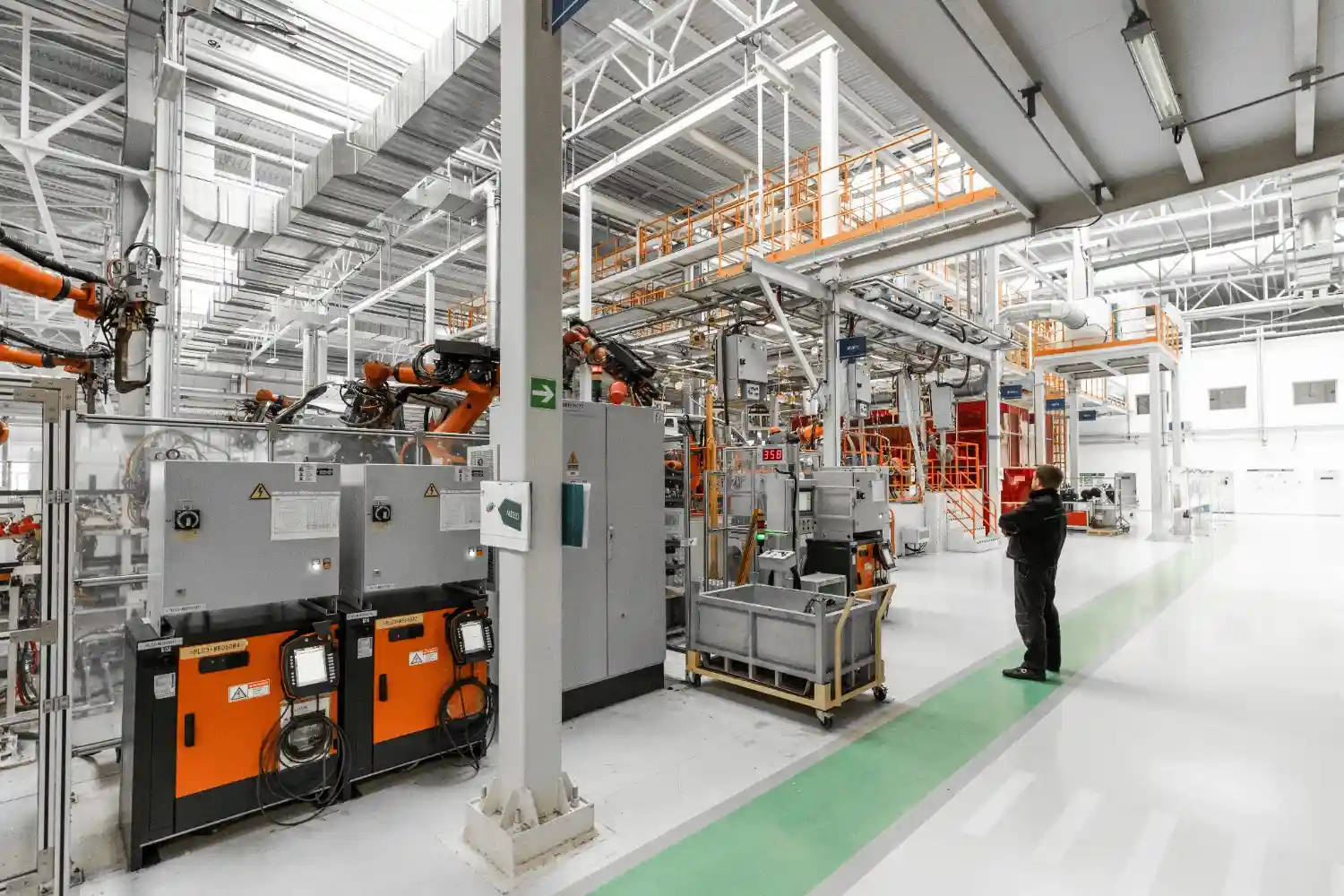
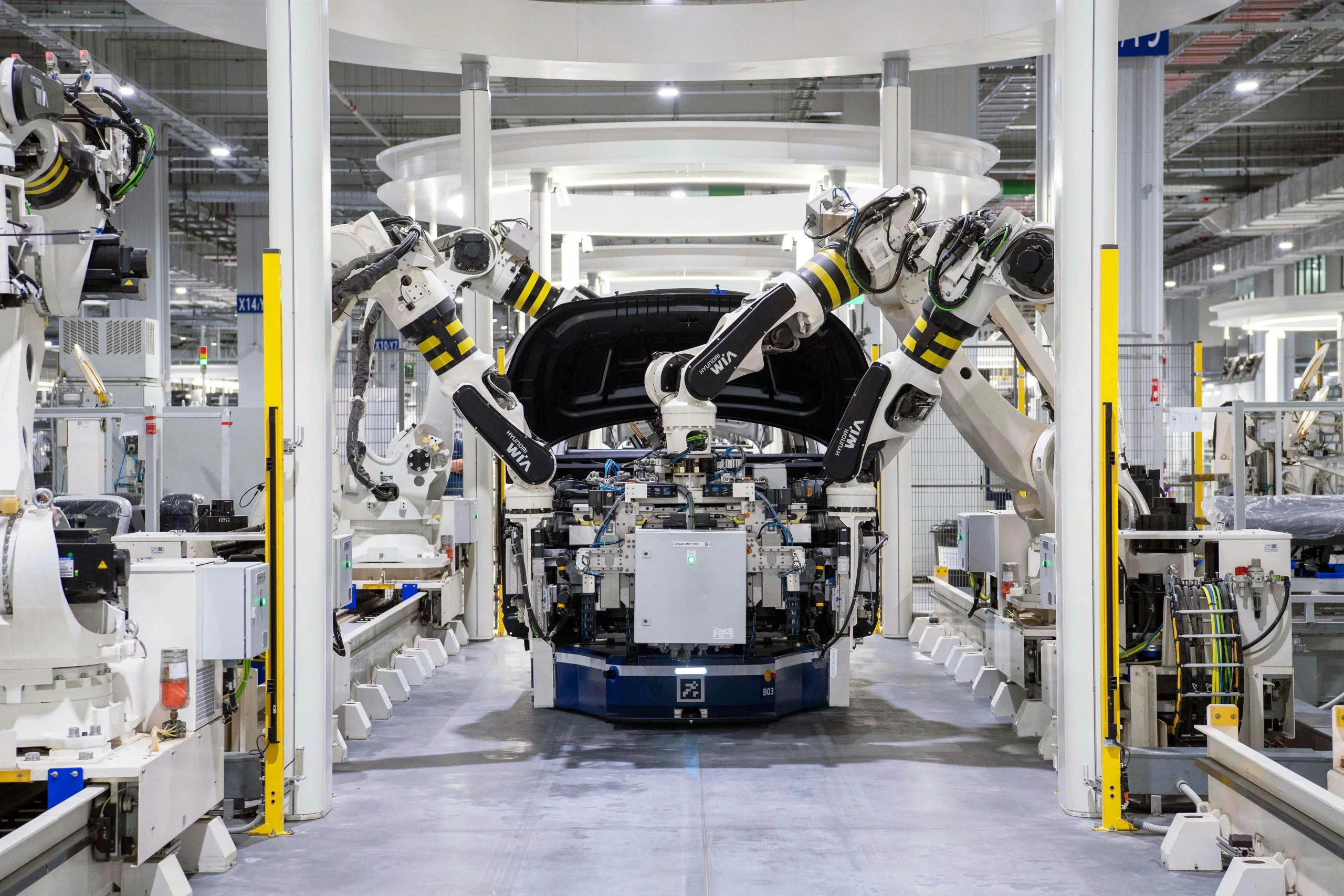
Humidity control in aerospace manufacturing directly affects material stability, electronics reliability, and coating performance. Maintaining consistent, non-wetting humidity reduces static discharge risk, prevents moisture-related defects, and supports precision across critical production environments.
Humidity Control in Industrial Paint Booth Environments
Discover how humidity control in industrial paint booth environments improves coating consistency, reduces paint defects, supports proper curing, and helps manufacturers achieve reliable, high quality finishes.
Humidity and Environmental Control in Aerospace Manufacturing
Precise humidity control is essential in aerospace manufacturing. Stable environmental conditions protect composite materials, electronics, and surface finishes while reducing static discharge, contamination risks, and long-term reliability failures.
Why Low Humidity Causes Paint Defects
Low humidity disrupts paint film formation by accelerating solvent evaporation, weakening adhesion, and increasing static electricity. This guide explains common paint defects caused by dry air and how controlled humidity ensures consistent, high-quality finishes.
How Static Electricity Contributes to Overspray and Finish Defects in Paint Booths
Static electricity in paint booths can deflect paint particles, reduce transfer efficiency, and create uneven coatings and surface defects. This guide explains how static forms, why dry air worsens it, and how proper control ensures consistent, high-quality finishes.
How Humidity Control Improves Paint Consistency
Humidity control stabilizes paint drying, spray behavior, and film formation, reducing dry spray, runs, and uneven coverage. Maintaining balanced moisture levels helps achieve consistent finishes, better adhesion, improved transfer efficiency, and less rework.
How Dry Air Impacts Sensitive Defense Equipment
Dry air in defense facilities can increase electrostatic discharge, accelerate material degradation, and reduce equipment reliability. Maintaining stable humidity across electronics rooms, storage areas, and hangars is essential to protect mission-critical systems and preserve operational readiness.
How Dry Air Impacts Coating Adhesion
Dry air reduces coating adhesion by speeding solvent evaporation, lowering surface energy, and increasing static electricity. This leads to poor wetting, weak bonding, and defects, making humidity control essential for consistent, durable coating performance.
Environmental Risks in Military Storage and Operations
Humidity spikes, thermal stress, and airborne contaminants quietly erode stored military equipment. This article explains the key environmental threats and shows how Smart Fog’s precision, non-wetting humidification helps bases maintain stable conditions, reduce corrosion, and keep mission-critical systems ready to deploy.