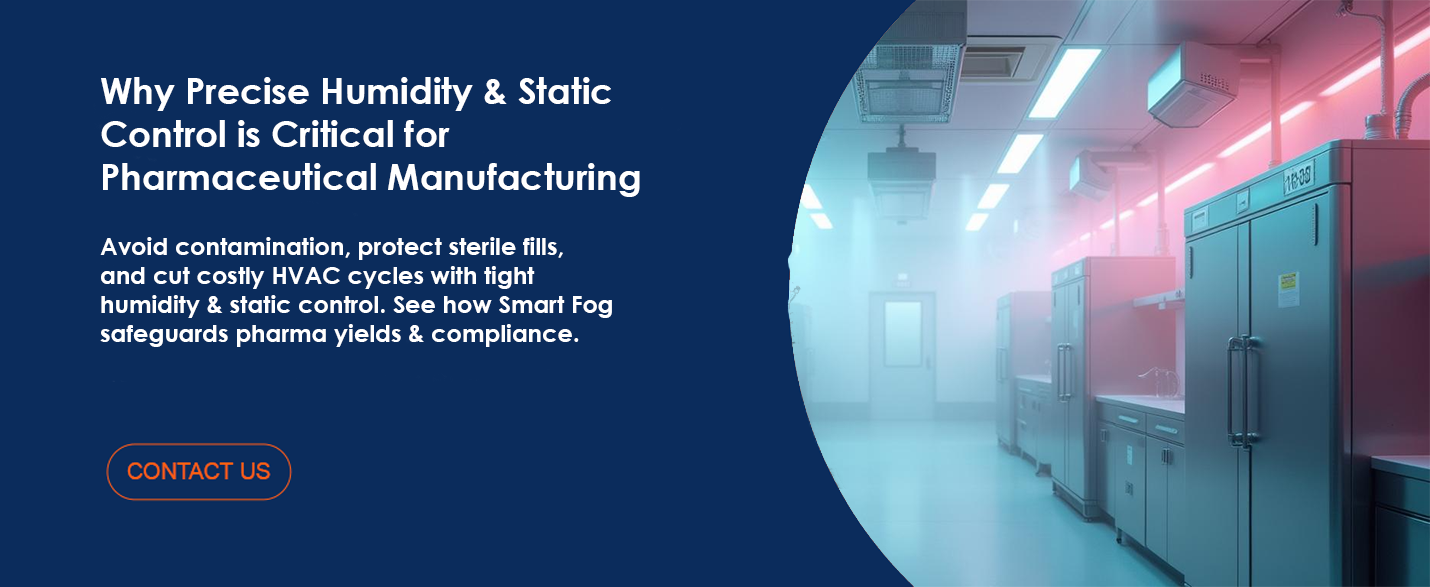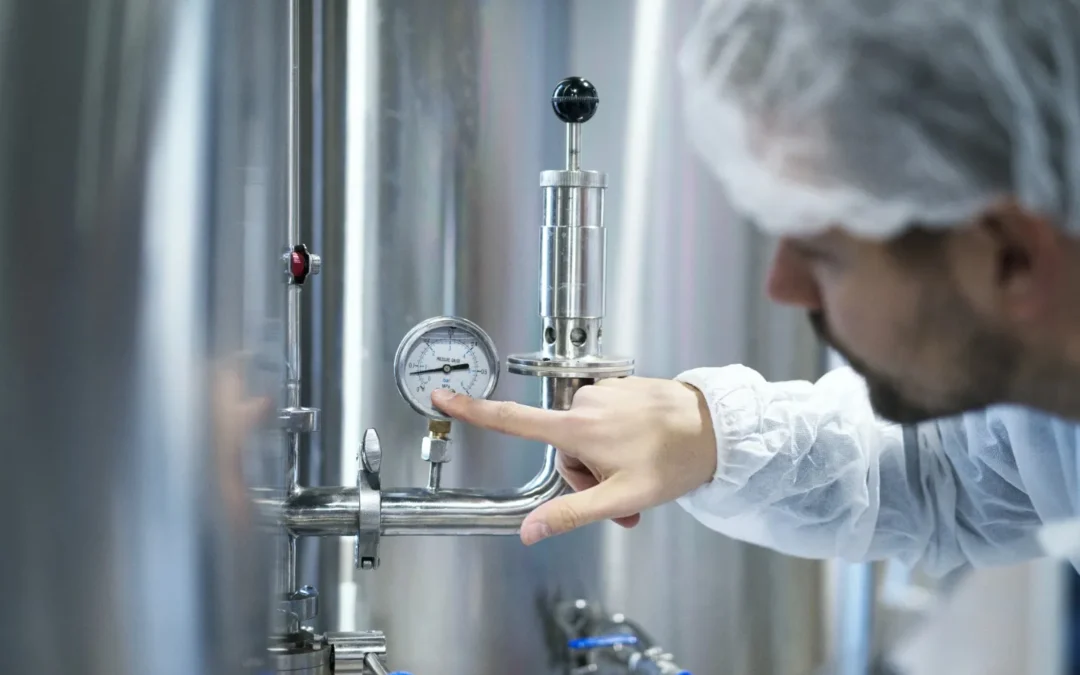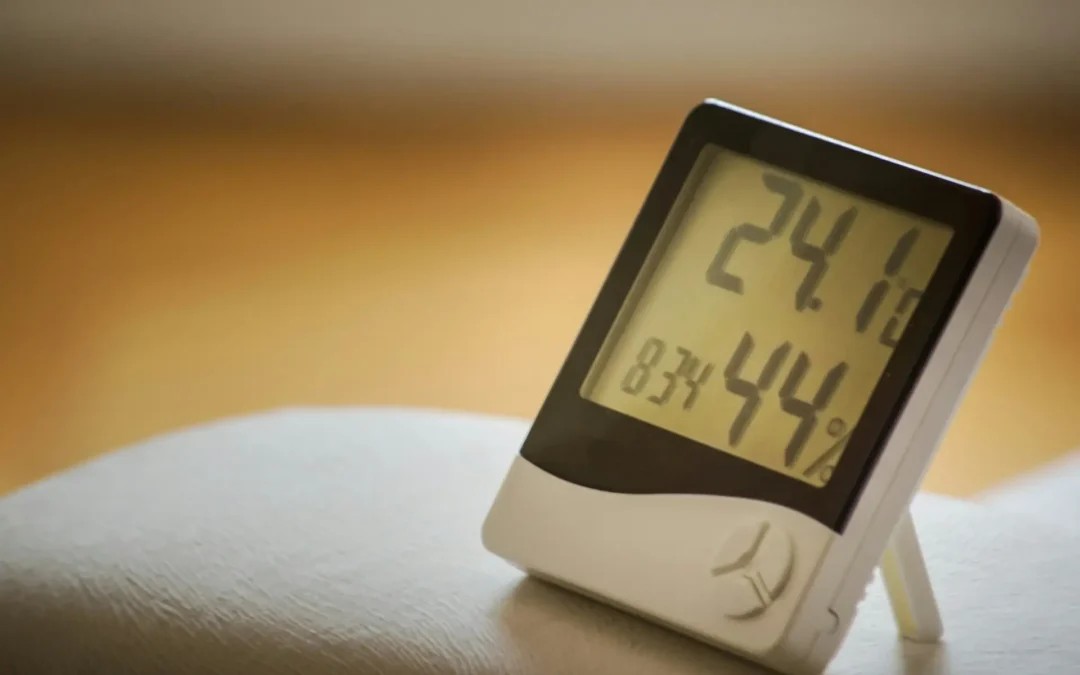


Introduction — The Overlooked Risks Lurking in Pharmaceutical Air
Pharmaceutical manufacturing plants are among the most tightly regulated environments in the world. Every step of your process is scrutinized: your stainless steel surfaces gleam under harsh inspection lights, your differential pressure logs are checked daily, your environmental monitoring teams swab surfaces and plates to prove sterility.
Walk into any fill-finish suite or lyophilization area and you’ll see it all in action: operators fully gowned, sealed doors with interlocks, robust HVAC systems humming to maintain ISO 5 or 7 standards. It’s a fortress against contamination.
But despite this, countless facilities deal with persistent near-misses or even costly batch failures. The culprit isn’t always obvious — no broken gasket or visible leak. Instead, it’s often something more insidious: the quality of your air itself.
Humidity control is the silent foundation on which so much else rests. When it drifts — even slightly — it sets off a chain of risks that many facilities underestimate:
- Condensation risk: If RH climbs too high, moisture condenses on cold surfaces like fill needles, jacketed tanks, or even metal ceilings. This creates micro-water films, which become perfect breeding sites for bacteria and mold. Even tiny beads invisible to the eye can support colonies that show up weeks later as failed sterility tests or recurrent environmental monitoring hits.
- Static risk: On the flip side, if RH drops too low (below ~45%), static charges accumulate on operator gowns, polymer tubings, and plastic fill guides. These charged surfaces literally pull airborne dust, fibers, and microbe-carrying droplets right onto your otherwise sterile zones.
- Hidden energy waste: Your HVAC fights valiantly, overcooling air to wring out moisture, then reheating to keep your process temps stable. This burns enormous energy and cycles compressors hard, quietly driving up power bills and shortening equipment lifespan.

Yet most plant directors and quality teams still think of RH as a simple number in a report — a spec to check off. Meanwhile, small excursions pile up hidden costs in reworks, extended QA investigations, or micro-defects that damage your brand’s promise of sterility.
This guide will break down exactly why humidity is the often-missed linchpin in pharmaceutical quality. We’ll explore how it underpins microbial control, static management, and even the health of your most expensive HVAC assets. And we’ll show why controlling it precisely at the room level — with technology designed for GMP environments — protects your compliance, your production targets, and ultimately your market reputation.
Why Relative Humidity is the Key to Controlling Contamination & Static
The condensation trap
It’s easy to think of condensation as something you’d notice — beads of water collecting on a ceiling or pooling on a ledge. But in modern fill-finish suites or lyophilization staging rooms, the problem is far subtler.
Your facility might maintain a general temp of 20–23°C (68–73°F). But local surfaces often run colder. Glycol jackets, cryo feed lines, or even certain fill machine housings designed to minimize thermal expansion can sit several degrees below room temp. When RH drifts too high — even temporarily — the dew point shifts. Water vapor condenses invisibly into micro-films on these cool spots.
Microfilms are all it takes. Studies from pharmaceutical cleanroom contamination investigations have shown that bacteria and mold can establish on surfaces with less than 0.1 mm of water film — invisible to operators and untouched by standard wipe-down protocols. Once established, they form biofilms, structures of polysaccharides that protect the bacteria underneath from most cleaning agents. You end up with chronic contamination sites that show up on plates month after month, forcing repeated sanitization cycles and eventually driving full tear-downs of equipment.

The static vector
Low RH is no safer. When humidity drops below ~45%, your facility essentially becomes a giant static generator. Operators walking across resin-based cleanroom floors accumulate charge. Moving carts or polymer tote bins build charge through friction. Even your PET prefilled syringe barrels or polypropylene stopper trays generate electrostatic loads just moving along conveyors.
The result? These charged surfaces attract airborne particles like magnets. Dust, microfibers from gowns, or micro-droplets carrying stray spores or bacteria get pulled directly onto your sterile surfaces. That means your fill nozzles, stopper bowls, or cap application stations are surrounded by invisible contamination vectors. Even if your environmental particle counts remain within spec, you face elevated contamination at the micro level that shows up later as failed sterility tests or unexplained particulates inside finished containers.
The financial ripple
Every time humidity drifts outside of optimal ranges, it costs you. A lot. Consider:
- QA investigations into a sterility test failure can consume weeks of staff time, disrupt production schedules, and lead to batch holds valued in the millions.
- Chronic particle or microbial excursions raise your facility’s risk profile, prompting more frequent regulatory inspections, deeper audits, and reputational hits that can jeopardize preferred supplier status.
- Meanwhile, all that hidden static drives reworks on packaging lines, forces manual interventions, and slows high-speed labeling or carton machines.
Simply put, stable RH isn’t optional in pharma — it’s the hidden factor underpinning almost every element of contamination control and GMP compliance.
Why HVAC Was Never Designed for Tight Pharmaceutical Humidity Control
Walk down to your facility’s mechanical plant and look at your HVAC setup. You’ll likely see massive air handlers, chiller units, and complex duct systems. These are incredible feats of engineering — designed primarily to:
- Maintain temperature for process integrity and operator comfort.
- Ensure correct differential pressures so higher-grade rooms stay protected.
- Deliver high air change rates (ACH) to flush out particles.
Humidity, by contrast, is typically an afterthought. Most systems deal with it through brute force:
- Overcool air to drop out moisture: Air is pulled to temperatures far below your process spec to condense out water.
- Reheat to bring temps back up: That same air then passes through heating banks to re-stabilize at your cleanroom’s operational range.
This cycle repeats constantly, chasing RH that fluctuates every time doors open, people enter, or process loads change.
The hidden flaws
- Slow response times: HVAC systems adjust on long time scales. By the time sensors pick up a humidity shift, your environment has already experienced an excursion. This is why many facilities show logs with RH swings of ±5–10% — well outside the safe band for preventing static or condensation.
- Microclimates: Sensors are often located far from your critical zones. A probe mounted near a corridor might not see local humidity building up inside a fill cabinet or dropping near a cold conveyor, exactly where you most need control.
- Energy penalty: Overcool-reheat is energy intensive. It accounts for up to 50% of total HVAC power use in some pharma plants. This means your facility burns enormous energy simply to chase RH that still fails to stay inside the ±2% range truly needed to minimize microbial and static risk.
- Shorter asset lifespan: Every hard compressor kick or fan ramp shortens your system’s mean time between failures. This means more emergency maintenance calls and multi-million-dollar asset replacements coming due sooner.
No matter how impressive your HVAC specs look on a slide deck, the system was never engineered to hold tight humidity for static and condensation management. That’s why so many facilities suffer unexplained contamination trends despite rigorous HVAC investment.
How Smart Fog Stabilizes RH & Neutralizes Static at the Source
Smart Fog changes the entire game by handling humidity — and the static tied to it — directly inside your cleanroom environment, rather than chasing it from distant HVAC machinery.

Ultra-fine dry fog
At the heart of the system is an array of patented emitters that produce droplets under 4.2 microns. That’s smaller than the threshold where droplets might coalesce and wet surfaces. Instead, they evaporate instantly in the air, adding pure water vapor precisely where you need it.
Because humidity is adjusted right inside your process rooms, there’s no lag. If a door opens or a heat load changes due to a busy fill cycle, Smart Fog automatically corrects the local RH. Your environment stays stable, typically within ±2% of your setpoint, whether you target 45%, 50%, or a customized range for specialty packaging lines.
That means:
- No local condensation sites on cold pipes or machine housings.
- No hidden RH dips that drive static events just as your high-speed packaging line ramps up.
- Less load on your HVAC system, since it no longer needs to overcool and reheat to chase moisture shifts.
Natural ionisation
But Smart Fog doesn’t stop with humidity. As each micro-droplet shears through air, it naturally generates negative air ions via the Lenard Effect. These ions flood your cleanroom space, doing two critical things:
- They neutralize static charges on surfaces, packaging films, operator gowns, and even polymer trays. That means no hidden electrostatic fields quietly pulling particles right onto sterile surfaces.
- They cause micro-particles to agglomerate — clumping together until they’re heavy enough to drop out of the air before reaching your open fill lines or sensitive device assemblies.
Unlike traditional high-voltage ion bars that only protect a narrow local field and require frequent emitter cleaning, Smart Fog’s natural ionisation works room-wide, every cubic meter treated the same.
Zero ozone, zero residues
Traditional chemical anti-statics and some older ion systems introduce ozone or leave residues. Both are problematic in pharmaceutical environments, where delicate APIs and regulatory records demand ultra-pure conditions. Smart Fog relies only on de-ionised water and physics — it’s fully UL 2998 certified for zero ozone production.
The result is an environment your quality team and regulatory auditors can trust. Not just because it logs stable RH, but because it actively manages the physical behaviors that lead to contamination — condensation, static-driven attraction, and long particle suspension times.
The True ROI: Less Energy, Longer Equipment Life, Faster Audits
It’s tempting to look at humidity systems purely through a quality lens — fewer particle excursions, more stable sterility test outcomes. But Smart Fog’s business case often closes on financial grounds alone.
Lower energy costs
Because Smart Fog holds RH stable right inside your rooms, your HVAC no longer has to aggressively overcool and reheat to chase moisture shifts. Facilities routinely see total HVAC power draw drop by 10–20%.
In large pharmaceutical campuses where HVAC often represents 40–50% of total energy use, this becomes a seven-figure annual savings. Better still, these savings compound every year and often show immediate reduction on the next billing cycle.

Deferred capital spend
Every compressor kick, every fan ramp cycle, shortens the lifespan of your most expensive plant assets. Smart Fog stabilizes the humidity load, meaning HVAC systems run smoother, at more consistent partial loads. This means:
- Fewer emergency maintenance calls.
- Longer intervals between major component swaps.
- The ability to defer multi-million-dollar capital upgrades by 3–5 years — freeing up cash for new lines or regulatory enhancements.
Easier audits and buyer inspections
Modern GMP audits don’t just review differential pressures and operator logs. They increasingly scrutinize your entire environmental control strategy — looking for condensation points, static risks, and local RH anomalies that might explain repeated microbe hits or particulate findings.
With Smart Fog:
- You get continuous RH and ion logs, tied directly into your BMS, ready for auditors at the push of a button.
- Stable RH trends prove environmental control far beyond typical HVAC logs, which often show broader swings.
- That means fewer audit findings, faster resolution cycles, and stronger confidence from both regulators and your largest contract buyers.
This builds trust in your brand’s ability to reliably produce sterile, contamination-free product — a critical differentiator in global supply contracts.
FAQs: What Pharmaceutical Quality & Facilities Teams Always Ask
Will Smart Fog leave moisture on my vials or sensitive equipment?
No. Droplets are under 4.2 microns and evaporate instantly in air, never coalescing on fill nozzles, stoppers, or stainless surfaces.
Is it safe for sterile environments and GMP records?
Yes. Smart Fog is used in ISO Class 5–8 environments globally, with full UL 2998 certification for zero ozone — so there are no residues, no chemical byproducts, and no impact on sensitive APIs or excipient stabilities.
How does it integrate with our existing BMS and logs?
Smart Fog systems tie directly into your building management systems. You get continuous RH and ionisation trends logged just like your differential pressures and ACH rates, simplifying GMP compliance and inspection prep.
Does this replace my HVAC?
No — it complements it. Your HVAC still handles temperature and pressure differentials. Smart Fog stabilizes RH and neutralizes static inside your cleanroom envelope, reducing the load and extending your HVAC’s lifespan.
Conclusion — Protect Your Yields, Your Energy Budget, and Your GMP Reputation
Your pharmaceutical facility is a fortress of stainless steel, gowning protocols, and documented procedures — all built to protect your product from contamination. But without precise humidity and static control, you’re still vulnerable.
Small RH drifts cause micro-condensation that harbors bacteria or mold. Low humidity builds static that pulls airborne fibers and particles right onto sterile contact surfaces. Meanwhile, your HVAC cycles hard, burning power and shortening the life of million-dollar assets.
Smart Fog changes the equation by stabilizing your cleanroom air at the environment level:
- Tight RH control (±2%) eliminates micro-condensation sites and static charge build-up.
- Natural ionisation clumps particles so they drop harmlessly, reducing contamination before it ever reaches your fills or packaging.
- That means fewer QA excursions, fewer emergency HVAC service calls, and cleaner, simpler audit logs that satisfy regulators and buyers alike.
It’s how leading pharmaceutical brands safeguard yields, extend the life of their most critical plant systems, and protect their reputation batch after batch.