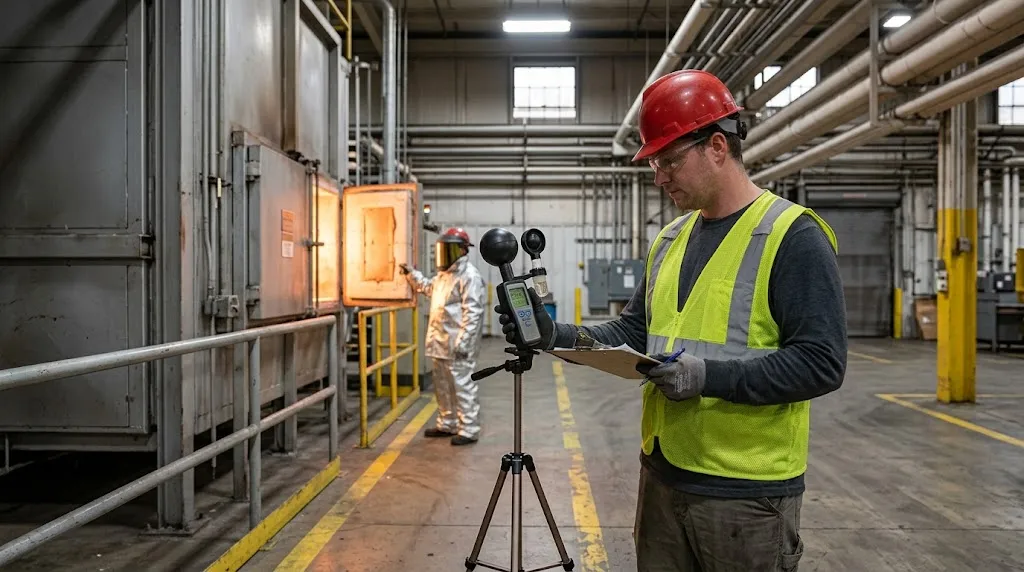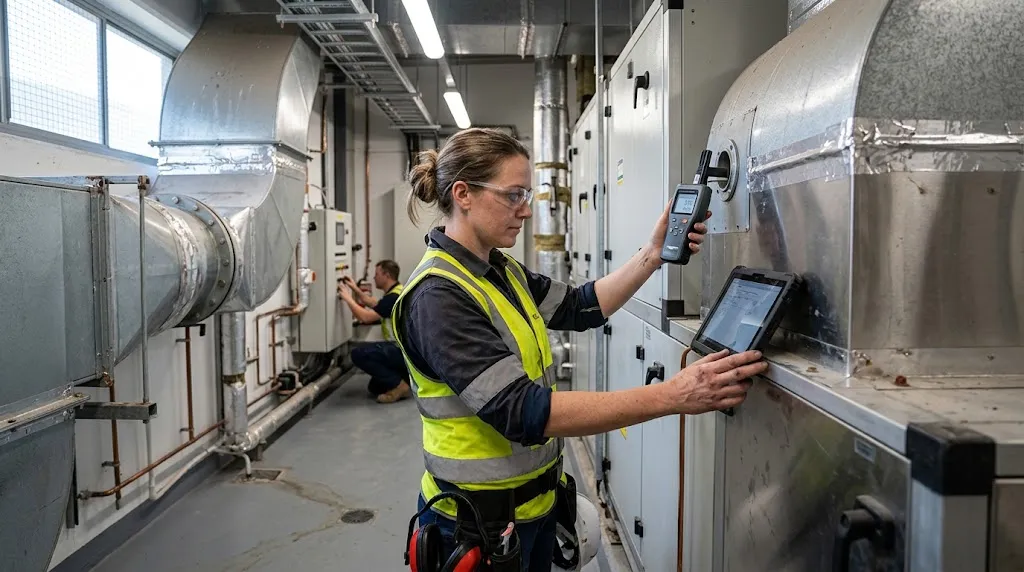


- Accurate humidity measurement requires calibrated digital hygrometers placed at least 6 feet from humidifier output to avoid localized readings that misrepresent actual room conditions.
- Functioning humidifiers maintain target humidity levels within 3-5% consistently over 24-hour periods, while failing systems show fluctuations exceeding 10% or cannot reach desired setpoints.
- Non-wetting precision systems achieve up to 99% relative humidity without surface condensation, eliminating traditional moisture-on-surfaces verification methods used for steam and ultrasonic humidification technologies.
- Steam and ultrasonic systems require weekly cleaning and monthly filter replacement to maintain rated output, while precision systems operate reliably for months without maintenance intervention.
- Industrial systems integrate continuous monitoring sensors that provide real-time performance data, unlike residential units that depend on manual spot-checking with handheld instruments.
- System age and maintenance history predict performance decline: residential units typically need replacement every 2-5 years while commercial systems operate reliably for 10+ years under proper maintenance protocols.
Essential Methods to Verify Humidifier Performance
Reliable humidifier verification depends on systematic measurement approaches rather than visual inspection or proximity sensing. Many facility managers rely on inadequate methods that provide misleading performance data, particularly when evaluating systems near their output points or using uncalibrated instruments. Effective verification requires understanding the difference between localized humidity spikes and actual room conditioning. Humidifiers create moisture gradients that can vary significantly across a space, making measurement location and timing critical for accurate assessment. Industrial facilities need consistent performance data to maintain process conditions, not approximate readings that miss system decline. The most reliable verification methods combine multiple measurement points with baseline comparisons over extended periods. This systematic approach identifies both immediate failures and gradual performance degradation before conditions affect operations or equipment.Accurate Humidity Measurement Techniques
Digital hygrometers with plus or minus 2% accuracy provide the minimum precision needed for industrial humidity verification. Analog gauges and basic home weather stations lack the stability required for reliable system assessment, particularly in environments where humidity fluctuations affect processes or equipment performance. Calibration becomes essential for measurement reliability in scientific applications. Hygrometers should be calibrated annually using salt solution standards or certified reference instruments. Uncalibrated instruments can drift 5-10% over time, making accurate performance assessment impossible and potentially indicating system failure when the measurement tool has degraded. Placement distance affects reading accuracy significantly. Measurements taken within 3 feet of humidifier output reflect localized conditions rather than room conditioning performance. Proper verification requires sensors positioned at least 6 feet from output points and at representative locations where humidity control actually matters for facility operations.Establishing Performance Baselines
Baseline establishment requires measuring humidity levels at multiple points during initial system operation. These reference measurements provide the standard against which future performance is compared, enabling early detection of capacity loss or distribution problems before complete system failure occurs. Documentation should include maximum and minimum humidity readings, response times to reach target levels, and variation patterns during normal operation as outlined in AST guidelines for humidity in the OR. Systems that initially maintain plus or minus 2% variation but gradually increase to plus or minus 5% or higher show declining performance that requires attention before total failure. Seasonal factors affect baseline validity, particularly for facilities with varying outside air conditions. Summer and winter baselines may differ significantly, requiring separate reference standards to accurately assess system performance throughout the year rather than applying single-season standards across all operating periods.Warning Signs Your Humidifier Isn't Working Properly
System decline typically follows predictable patterns that begin with subtle changes in consistency before progressing to obvious output reduction or complete failure. Recognition of early warning indicators prevents the operational disruptions and equipment damage that result from sudden humidity loss in critical environments. Performance degradation often manifests through increasing maintenance frequency, longer response times to reach target humidity levels, and wider variation in measured readings. These symptoms indicate internal component wear or water quality problems that will eventually cause system failure if not addressed through maintenance or replacement. Quantifiable changes provide more reliable failure prediction than subjective assessments. Facilities that track humidity response times, maintenance intervals, and variation ranges can identify declining systems weeks or months before they affect operations, enabling planned replacement rather than emergency response.Performance Decline Indicators
Output capacity reduction shows as longer time required to reach target humidity levels after system startup. Systems that previously achieved desired humidity within 30 minutes but now require 60-90 minutes indicate declining capacity, even when final humidity levels appear normal. This extended response time often precedes more obvious failures. Humidity variation increases as internal humidifier components wear or become fouled with mineral deposits. Systems initially maintaining plus or minus 2% variation that gradually expand to plus or minus 5% or plus or minus 8% demonstrate declining control precision. This degradation typically accelerates over time, with variation doubling within 6-12 months of initial symptoms. Energy consumption changes signal internal efficiency loss. Steam systems showing increased electrical draw or compressed air systems requiring higher pressure indicate internal resistance from scale buildup or component wear. These efficiency losses often occur months before obvious output problems develop.Physical System Warning Signs
Unusual noises indicate mechanical component problems that precede output failure. Steam systems developing gurgling or popping sounds show scale interference with heating elements. Ultrasonic systems producing grinding or rattling indicate transducer wear that will soon affect moisture generation capacity. Visible mineral accumulation around output points signals water quality problems that reduce system efficiency and eventually cause component failure. White powder deposits, scale formation, or mineral staining indicate inadequate water treatment or excessive dissolved solids that interfere with normal operation. Maintenance frequency increases as systems decline. Units requiring cleaning or filter replacement twice as often as specified indicate accelerated fouling that overwhelms normal system capacity. This maintenance escalation typically continues until cleaning becomes ineffective and replacement becomes necessary.How Different Humidifier Types Show They're Working
Verification methods vary significantly across humidification technologies because different systems produce moisture through distinct physical processes. Steam systems create visible vapor that can be directly observed, while precision systems produce non-visible moisture that requires instrument verification rather than visual confirmation. Understanding technology-specific indicators prevents misdiagnosis of system performance. Traditional methods appropriate for steam verification may not apply to ultrasonic or precision systems, leading to incorrect conclusions about system functionality when using inappropriate assessment techniques. Each technology type also presents different failure modes and maintenance requirements that affect verification frequency and methods. Systems with moving parts require different monitoring approaches than systems with static components, influencing both verification procedures and maintenance scheduling decisions.Steam and Traditional System Monitoring
Steam humidifiers provide visible output verification through vapor production that can be directly observed during normal operation. Adequate steam generation indicates proper heating element function and sufficient water supply, though visible steam alone does not confirm proper humidity distribution throughout the conditioned space. Water consumption rates offer quantifiable performance measurement for steam systems. Units consuming significantly less water than design specifications indicate reduced output capacity, while excessive consumption suggests inefficient operation from scale buildup or component wear requiring maintenance attention. Electrical consumption patterns reveal steam system health through heating element efficiency measurement. Humidifier maintenance requirements documentation shows that systems drawing excessive current often indicate scale formation on heating elements, while reduced current draw suggests element failure or inadequate water supply affecting normal operation. Temperature monitoring at output points confirms proper steam generation. Steam systems maintaining output temperatures between 180-200 degrees F demonstrate adequate heating element function, while lower temperatures indicate insufficient heating capacity that reduces moisture output and system effectiveness.Precision System Performance Validation
Non-wetting precision systems require instrument verification rather than visual confirmation because properly functioning systems produce self-evaporating droplets that become invisible before reaching surfaces. The absence of visible moisture or surface wetting indicates correct operation rather than system failure, contrary to traditional verification expectations. Humidity achievement at high levels without condensation demonstrates precision system effectiveness. Systems maintaining 80-99% relative humidity without surface moisture formation prove proper droplet size and evaporation characteristics that distinguish precision technology from conventional approaches requiring lower operating limits. Continuous operation capability provides performance validation for precision systems designed for 24/7 industrial use. Systems maintaining stable output without cycling, cleaning interruptions, or maintenance stops demonstrate the reliability required for critical facility applications where humidity loss cannot be tolerated. Air pressure and water consumption consistency indicate precision system health through stable resource utilization. Systems showing significant variations in compressed air requirements or water usage rates may indicate nozzle wear or supply problems affecting droplet formation and system performance reliability.Common Mistakes in Humidifier Performance Assessment
Measurement location errors represent the most frequent cause of inaccurate performance assessment, with many facility managers placing sensors too close to humidifier output points and interpreting localized readings as room conditioning performance. This proximity bias leads to false confidence in system performance when actual room conditions remain inadequate. Technology misunderstanding causes inappropriate verification methods that miss actual system problems or indicate failures in properly functioning equipment. Applying steam-based verification techniques to precision systems often leads to incorrect conclusions about performance because different technologies demonstrate proper operation through different physical indicators. These assessment errors delay necessary maintenance, enable declining systems to affect facility conditions, and result in premature replacement of properly functioning equipment. Systematic verification approaches eliminate these common mistakes and provide reliable performance data for maintenance and replacement decisions.Measurement Location Errors
According to ASHRAE humidifier guidelines, proximity measurements taken within 3-4 feet of humidifier output reflect equipment function rather than room conditioning effectiveness. These localized readings typically show 10-20% higher humidity than actual room conditions, creating false confidence in system performance when broader facility areas remain under-humidified. Timing inconsistencies affect measurement accuracy when readings are taken immediately after system startup or during cycling periods that do not represent steady-state operation. Performance verification requires measurements during stable operating periods, typically 30-60 minutes after system reaches operating temperature or pressure. Single-point measurement provides incomplete performance data because humidity distribution varies across rooms and facilities. Effective verification requires multiple measurement locations that represent actual conditions where humidity control matters for operations, equipment, or materials rather than convenient sensor mounting points. Sensor positioning near air movement sources creates measurement instability that misrepresents system consistency. Locations near HVAC outlets, doorways, or traffic areas show artificial variation that masks actual system performance patterns and complicates performance trend analysis over time.Technology Misunderstanding
Visible moisture expectations lead to incorrect assessment of precision systems that operate without producing surface condensation or visible vapor. Many facility managers interpret the absence of visible output as system failure when proper precision system operation specifically avoids these indicators. Surface wetting assumptions cause performance misinterpretation when facility staff expect humidity systems to produce moisture accumulation as evidence of proper operation. Humidity control systems demonstrate that advanced systems achieve humidity control without surface effects that indicate inferior technology rather than system problems. Maintenance scheduling based on inappropriate technology comparisons results in excessive service on systems designed for extended intervals or insufficient attention to systems requiring frequent care. Different technologies require completely different maintenance approaches that must match their specific operational characteristics and component designs. Output verification methods appropriate for one technology type may not apply to others, leading to missed performance problems or false failure indications. Steam system verification through visible vapor production does not translate to ultrasonic or precision systems that operate through different physical principles requiring appropriate assessment techniques.Smart Fog: Continuous Operation Verification Without Maintenance
Equal-sized droplet grid technology produces self-evaporating moisture that achieves precise humidity control without the surface wetting or maintenance demands that complicate traditional system verification. This approach eliminates common verification challenges by providing consistent performance that can be measured through humidity achievement rather than visual confirmation or maintenance indicators. The compressed air and water mixing process creates droplets that evaporate completely before reaching surfaces, enabling humidity levels up to 99% relative humidity with plus or minus 1-2% precision. This non-wetting operation provides clear performance validation through humidity measurement alone, without the condensation monitoring required for conventional systems.Non-Wetting Performance Validation
Smart Fog systems demonstrate proper operation through precise humidity achievement without surface moisture formation, providing unambiguous performance confirmation that eliminates traditional verification complications. Systems maintaining target humidity levels within plus or minus 1-2% consistently indicate proper operation without requiring visual confirmation or surface monitoring. The absence of surface wetting under proper system design confirms correct droplet formation and evaporation characteristics rather than indicating system problems. This non-wetting operation enables verification through humidity measurement alone, simplifying performance assessment and eliminating the surface condition monitoring required for conventional technologies. Continuous operation capability at up to 99% relative humidity demonstrates system effectiveness at levels impossible for surface-wetting technologies that must operate at lower humidity limits to prevent condensation problems. This high-level capability provides clear performance benchmarks for verification without requiring complex assessment protocols. Performance indicators for Smart Fog systems include:- Stable humidity maintenance within plus or minus 1-2% of setpoint over extended periods
- Achievement of target humidity levels without surface moisture formation
- Consistent compressed air and water consumption rates during normal operation
- Continuous operation without cycling interruptions or maintenance stops