- Proper care helps prevent mineral and bacteria buildup inside the device.
- Healthy humidity levels can help ease dry skin and irritated sinuses.
- Regular cleaning can extend the life of your equipment.
- Not every humidifier needs constant or daily scrubbing to stay effective.
- Tracking indoor air quality can help you spot performance issues early.
Why Humidifiers Require Maintenance
A humidifier only helps when it stays clean and works properly. Without regular care, it can shift from improving comfort to spreading unwanted particles through your indoor air.Mineral Buildup and Scale
Most tap water contains minerals such as calcium and magnesium. As the water evaporates, those minerals stay behind and begin coating the inside of the unit with a hard layer called scale. That buildup makes the system work harder than it should. Over time, this can lower efficiency, reduce output, and put extra strain on parts that are meant to run smoothly.Microbial Growth in Standing Water
Standing water inside a humidifier can quickly become a problem if it is left in the tank too long. It creates the kind of damp, still environment where mold and bacteria can begin to grow. As that growth builds up, it can form a slimy film that becomes harder to clean out. Once that happens, the unit may start releasing contaminated moisture back into the air instead of clean humidity.Filter and Wick Degradation
Filters and wicks help catch impurities, but they do not last forever. As they collect minerals and debris, they become less effective and make it harder for the humidifier to maintain the right moisture level. A clogged wick or worn filter can also restrict airflow and force the unit to run longer than necessary. Regular checks and timely replacement help the humidifier stay effective and reduce avoidable wear. Here are the most important maintenance points to watch:- Scale usually forms because of hard water and can reduce efficiency
- Biofilm develops from standing water and can lead to airborne contaminants
- A clogged wick is often caused by mineral saturation and can weaken humidity control
- Wicks often need replacement every 1 to 3 months, depending on water hardness
- Filters should be checked weekly for discoloration, odor, or visible mold
Humidifier Maintenance by Type: A Practical Comparison
Humidifier maintenance is not the same across every system type. The routine depends on how the unit handles water, where buildup forms, and which parts stay wet during operation. That difference becomes clearer when you compare the main system types side by side:- Ultrasonic humidifiers: These usually need tank cleaning, descaling, and disinfecting on a weekly to monthly basis. If ignored, they can release white dust, spread bacteria, and lose output.
- Evaporative wick humidifiers: These need regular tank cleaning along with wick replacement every 1 to 3 months in many cases. If maintenance is skipped, mold, restricted airflow, and weaker humidity control can follow.
- Steam humidifiers: These often require scale removal and tank flushing over time, usually on a monthly to quarterly schedule depending on use and water quality. Without upkeep, heating efficiency can drop and system failure becomes more likely.
- Whole-house bypass or drum humidifiers: These usually need pad replacement and seasonal cleaning to keep performance stable. If neglected, they can develop microbial buildup and deliver uneven humidity.
- Adiabatic or dry fog humidification systems: These generally need only periodic inspection rather than constant cleaning or part replacement. If ignored, the main concern is reduced system oversight rather than buildup-related performance loss.
Residential Humidifier Maintenance Schedule
A consistent maintenance routine is the best way to keep your home humidifier working efficiently during the heating season. Following the owner’s manual and checking key parts on schedule helps protect performance, reduce buildup, and keep the system in better condition.Weekly Tasks
Weekly care should start with the water reservoir. Rinsing the tank and wiping away early mineral deposits helps prevent buildup before it becomes harder to remove. Using distilled water can also reduce hard water problems and lower the need for frequent deep cleaning. It is also helpful to check the water panel or wick and make sure it stays moist and free of debris.Monthly Tasks
Monthly maintenance should focus on deeper cleaning. Check the evaporator pad for heavy scale, stiffness, or crusty buildup, since these are signs that the unit needs descaling. A mild mix of white vinegar and water works well for removable parts. Letting them soak for about thirty minutes helps loosen mineral deposits that a quick rinse may leave behind.Annual or Seasonal Tasks
At the start or end of the heating season, inspect the full system carefully. This is usually the right time to replace the humidifier filter or evaporator pad so the unit can keep working properly. You should also clean the base and internal housing before storing or restarting the system. Proper seasonal care helps prevent mold growth and keeps the humidifier ready for the next use period. Here is the basic maintenance schedule to follow:- Weekly reservoir care: rinse and wipe the tank
- Monthly deep descaling: soak removable parts in vinegar solution
- Seasonal filter replacement: install a new pad or filter
- Seasonal system inspection: check seals and overall condition
Commercial and Industrial Humidifier Maintenance: A Different Calculation
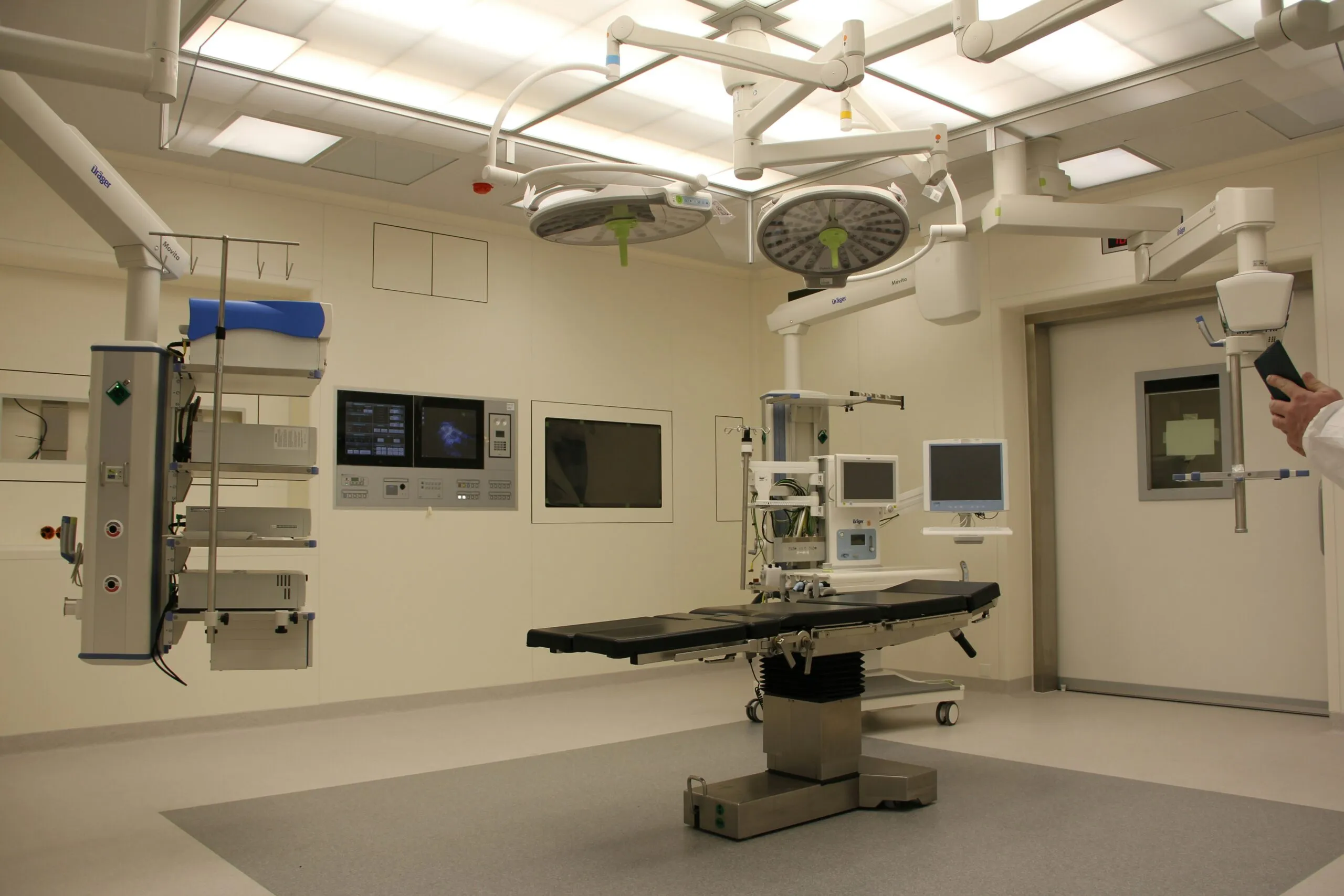
In critical environments such as data centers, cleanrooms, and pharmaceutical facilities, maintenance also becomes an operational risk. Downtime for cleaning or repairs can affect production, compliance, or equipment stability.Why Scale Matters More in High-Volume Systems
In larger systems, humidifiers process far more water each day, which speeds up mineral buildup on internal parts such as the heating element. This becomes a bigger issue when tap water is used, since heavier mineral content increases the rate of scale formation. If the scale is not removed regularly, it hardens and becomes much harder to clean. Many facilities reduce this problem by using distilled water or filtration systems to help extend equipment life and maintain better efficiency.Maintenance Downtime in Critical Environments
In commercial settings, maintenance is not just about upkeep. It also helps prevent costly downtime that can affect comfort, air quality, and daily operations across the building. Routine inspections by an HVAC professional can catch problems early before they lead to system failure. This is especially important in environments where consistent humidity control is critical. Here is how maintenance needs usually compare by system type:- Residential systems usually need seasonal maintenance, with filter replacement as the main concern
- Commercial systems often need monthly maintenance, mainly to control scale buildup
- Industrial systems may need weekly attention, with a stronger focus on component condition and reliability
What Zero-Maintenance Actually Means
Zero-maintenance does not mean a humidifier never needs attention. It means the system avoids the main conditions that usually create maintenance problems, such as standing water, wet internal surfaces, and mineral buildup points. Dry fog humidification works on that principle. Because the droplets evaporate before reaching surfaces, the system avoids the scale, microbial growth, and constant cleaning needs that are common in traditional humidifiers.Signs Your Humidifier Needs Maintenance Now
If indoor air quality starts to feel worse, your humidifier may need immediate attention. Watch for these warning signs:- Musty or unpleasant odors coming from the unit or nearby air
- Visible mildew or slime inside the tank, tray, or base
- Lower mist output or weaker humidity performance than normal
- White mineral dust collecting on nearby surfaces
- Standing water left in the tank for long periods
- Scale buildup or crusty deposits on internal components
- Dirty, clogged, or discolored filters that restrict airflow
How to Extend the Life of Your Humidifier
Extending the life of your humidifier starts with consistent maintenance and early problem prevention. Use these best practices:- Clean the unit regularly to prevent mineral buildup, mold, and bacteria
- Follow the manufacturer manual for model-specific care instructions
- Use distilled or demineralized water when recommended to reduce scale
- Inspect the tank, base, and internal parts for buildup or wear
- Replace filters, wicks, or pads on schedule to maintain performance
- Fix small issues early before they turn into larger failures
- Empty and dry the unit when not in use to prevent stagnant water problems
- Store the humidifier clean and dry between seasons