by Ido | Jun 2, 2026 | Humidification
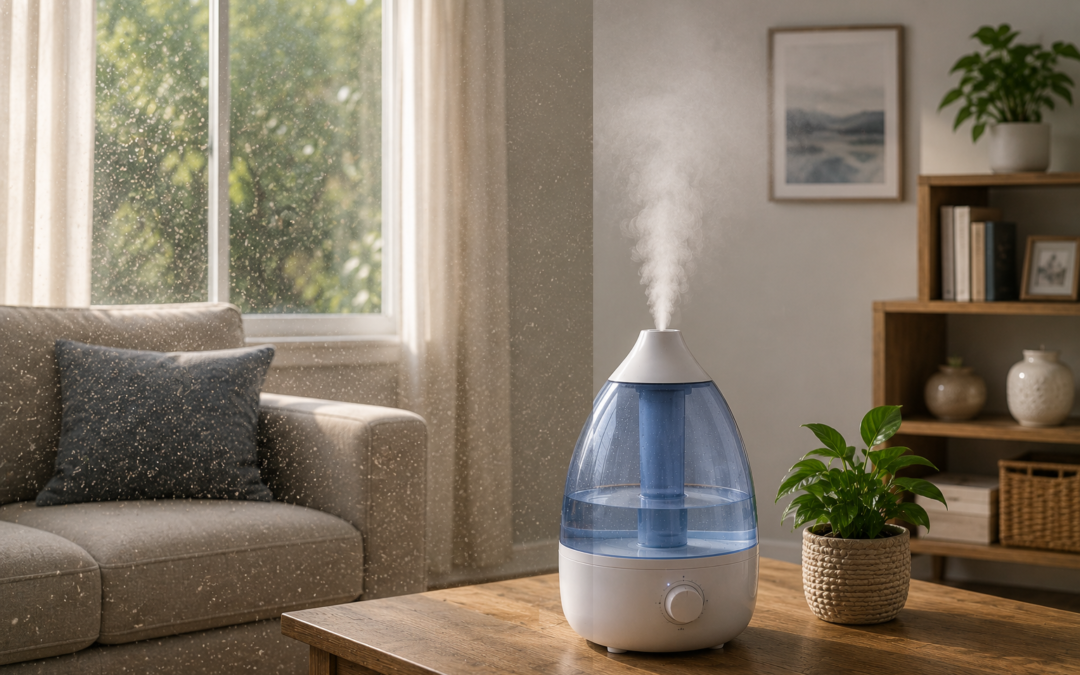
Humidity can help reduce airborne dust by adding weight to particles and reducing static electricity that keeps dust suspended, but it doesn’t eliminate dust sources or remove settled dust. The effectiveness depends on dust type, particle size, and environmental...
by Ido | Jun 1, 2026 | Humidification
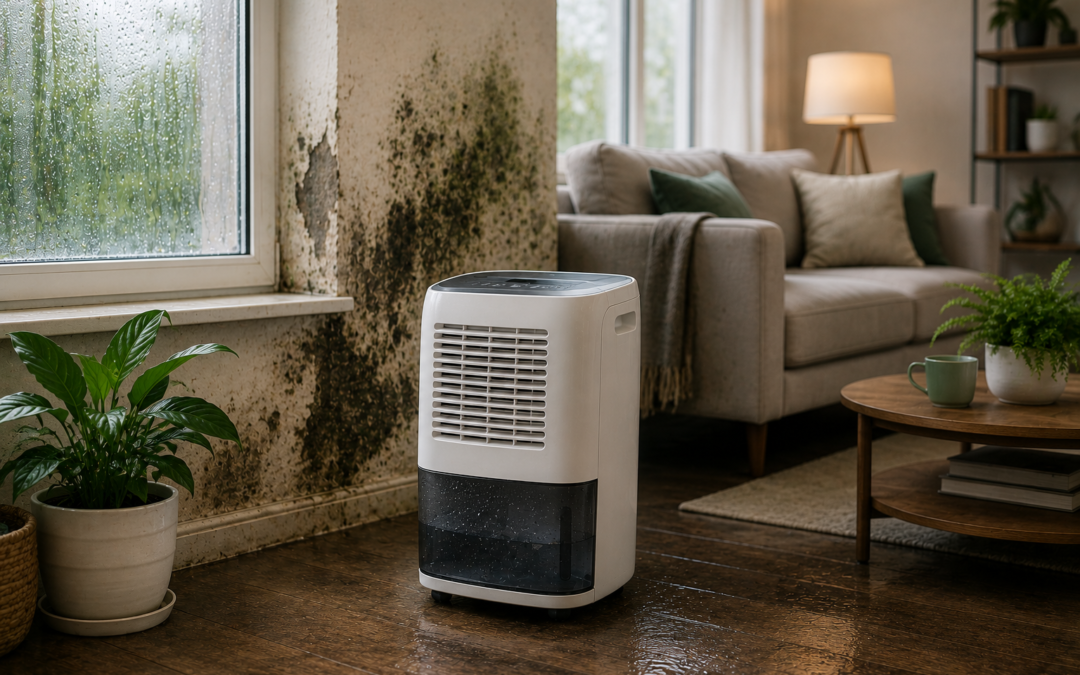
High humidity occurs when air contains excessive moisture, typically above 60% relative humidity, creating conditions that damage building materials, compromise equipment performance, and pose mold-related health risks to occupants. Both residential and commercial...

by Ido | Jun 1, 2026 | Humidification
Textile humidification is a critical production requirement. Manufacturing facilities face significant quality and safety challenges when humidity levels fluctuate outside optimal ranges. Static electricity formation, fiber dimensional instability, and quality...

by Ido | Jun 1, 2026 | Humidification
Humidity is the amount of water vapor present in the air, typically expressed as a percentage that shows how much moisture the air contains relative to the maximum it could hold at that temperature, according to National Weather Service humidity guidelines....
by Ido | May 31, 2026 | Humidification
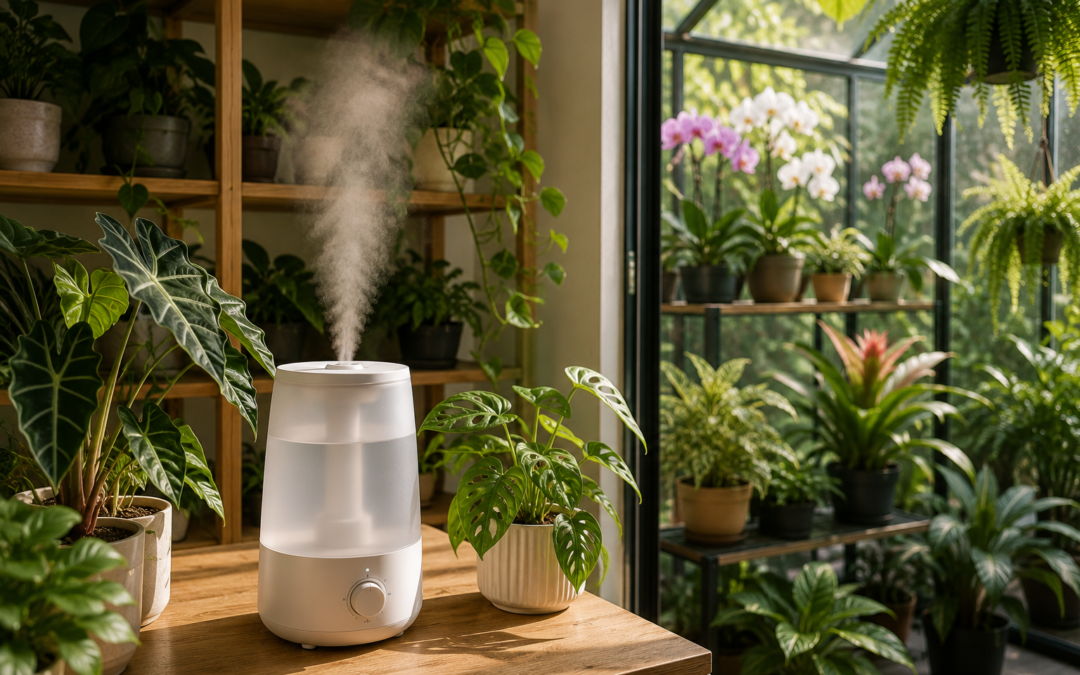
Plant humidifiers range from basic consumer units suitable for small houseplant collections to precision commercial systems required for serious cultivation and greenhouse operations. The right choice depends on growing space size, plant types, humidity precision...

by Ido | May 30, 2026 | Humidification
Low humidity symptoms are observable effects that occur when indoor air moisture levels fall below 30% relative humidity (RH). These symptoms manifest across human health, comfort, equipment performance, and material integrity, creating recognizable warning signs that...