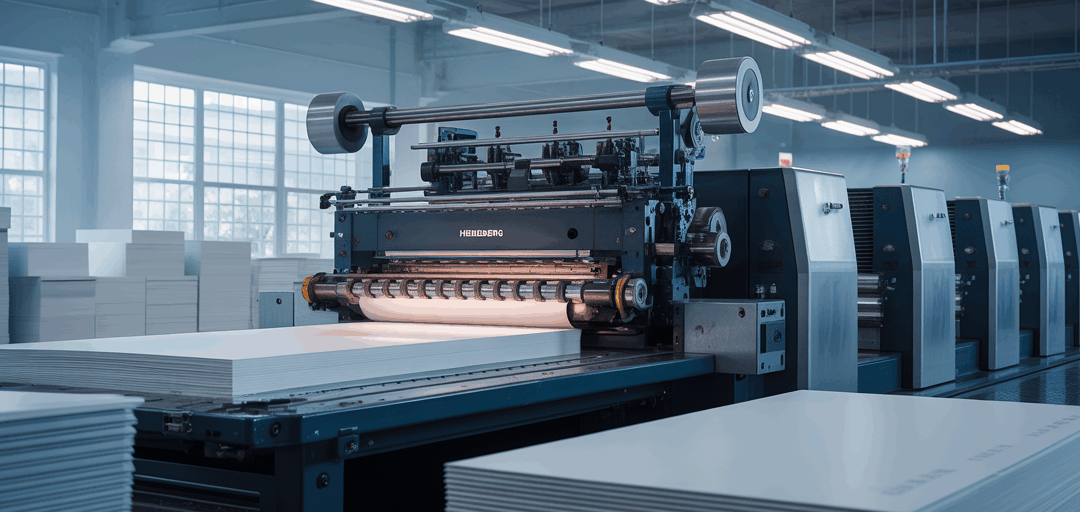
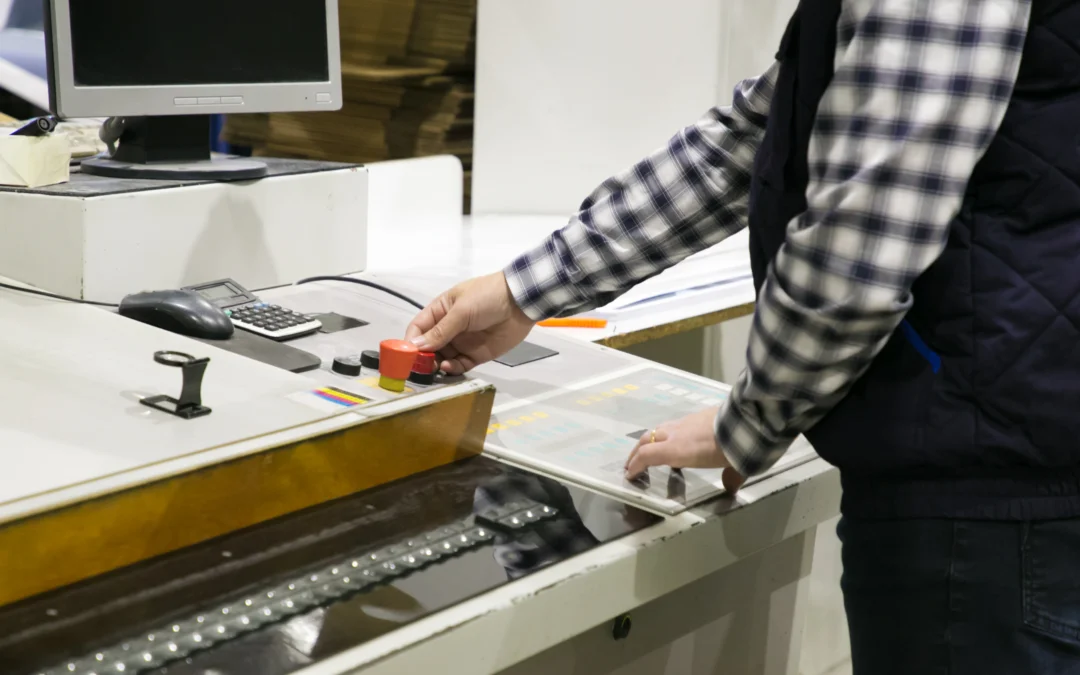
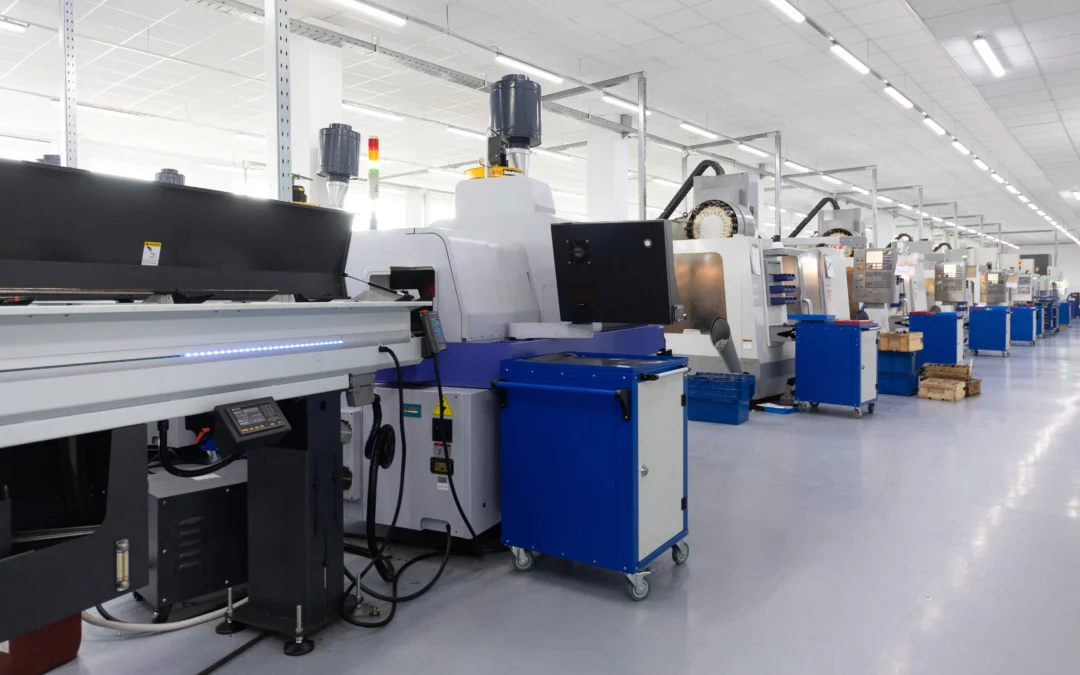
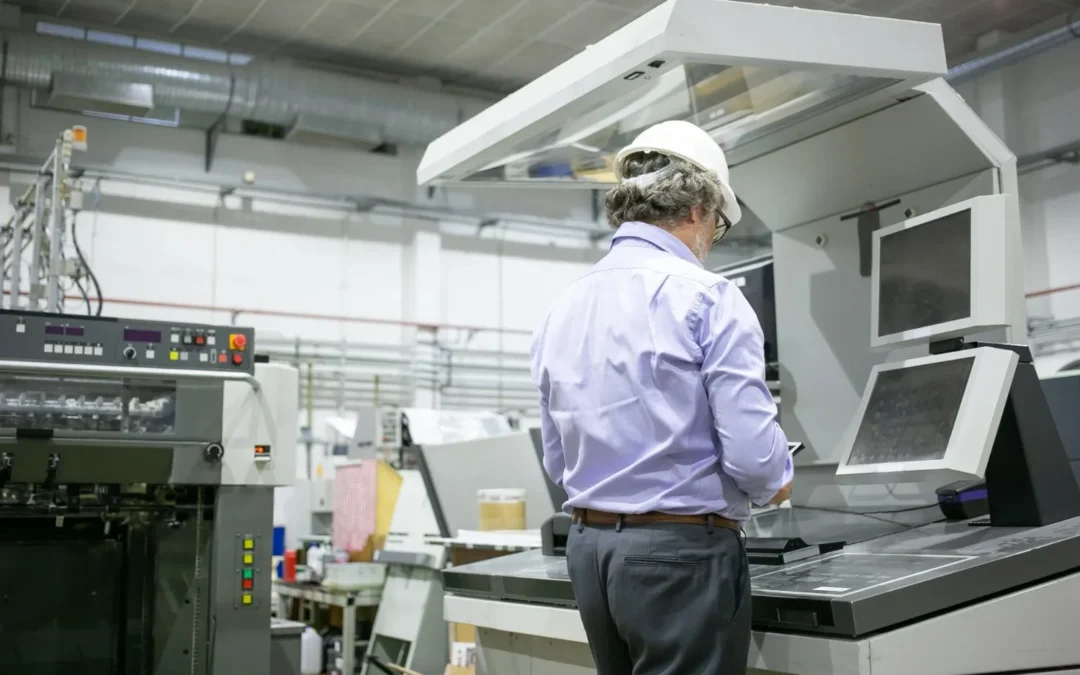
Maintaining relative humidity (RH) in the 45 to 55% range is the single most controllable environmental variable affecting digital print quality. Paper fibre, ink adhesion, and static charge generation all respond to moisture in the air before they respond to press...
Printing rooms are highly susceptible to static electricity due to dry air conditions, continuous material movement, and frequent friction between paper, rollers, and other machine components. Low humidity reduces the air’s ability to dissipate electrical charges,...
Static electricity in printing rooms can disrupt workflow by causing paper jams, misfeeds, and alignment issues during high-speed production. These electrostatic charges build up easily when the air is too dry and environmental conditions are not properly controlled....
Proper humidity control is essential for consistent print quality, as it keeps paper stable, supports accurate registration, and improves ink adhesion during production runs. Fluctuating air conditions can cause warping, stretching, and feed issues that directly...
Running a successful printing facility requires controlling the environment, not just equipment and workflow. Balanced humidity helps sheets move smoothly through the press and prevents sticking or handling issues. When humidity drops, static electricity increases,...
Maintaining optimal conditions in industrial printing facilities is crucial for producing high-quality printed materials. One critical aspect of this is managing the printing room environment to prevent issues related to static electricity. Static electricity can...