Moisture management can determine the success or failure of industrial operations, with improper humidity control costing manufacturers millions annually through product defects, equipment failures, and regulatory violations. An industrial humidity control system provides the precise environmental management that modern facilities require to maintain optimal relative humidity levels while protecting products, equipment, and personnel.
In today’s competitive manufacturing landscape, controlling humidity is no longer optional—it’s essential for quality, efficiency, and compliance. This comprehensive guide explores everything you need to know about industrial humidity control systems, from basic principles to advanced implementation strategies that can transform your facility’s performance.
What is an Industrial Humidity Control System?
An industrial humidity control system is a comprehensive climate management solution designed to maintain optimal moisture levels in manufacturing and processing environments. These sophisticated systems both add and remove airborne moisture to achieve precise relative humidity levels, typically maintaining ranges between 40-60% RH depending on application requirements. Maintaining relative humidity levels within this range is recommended for many industrial applications to ensure optimal performance and prevent issues related to improper moisture levels.
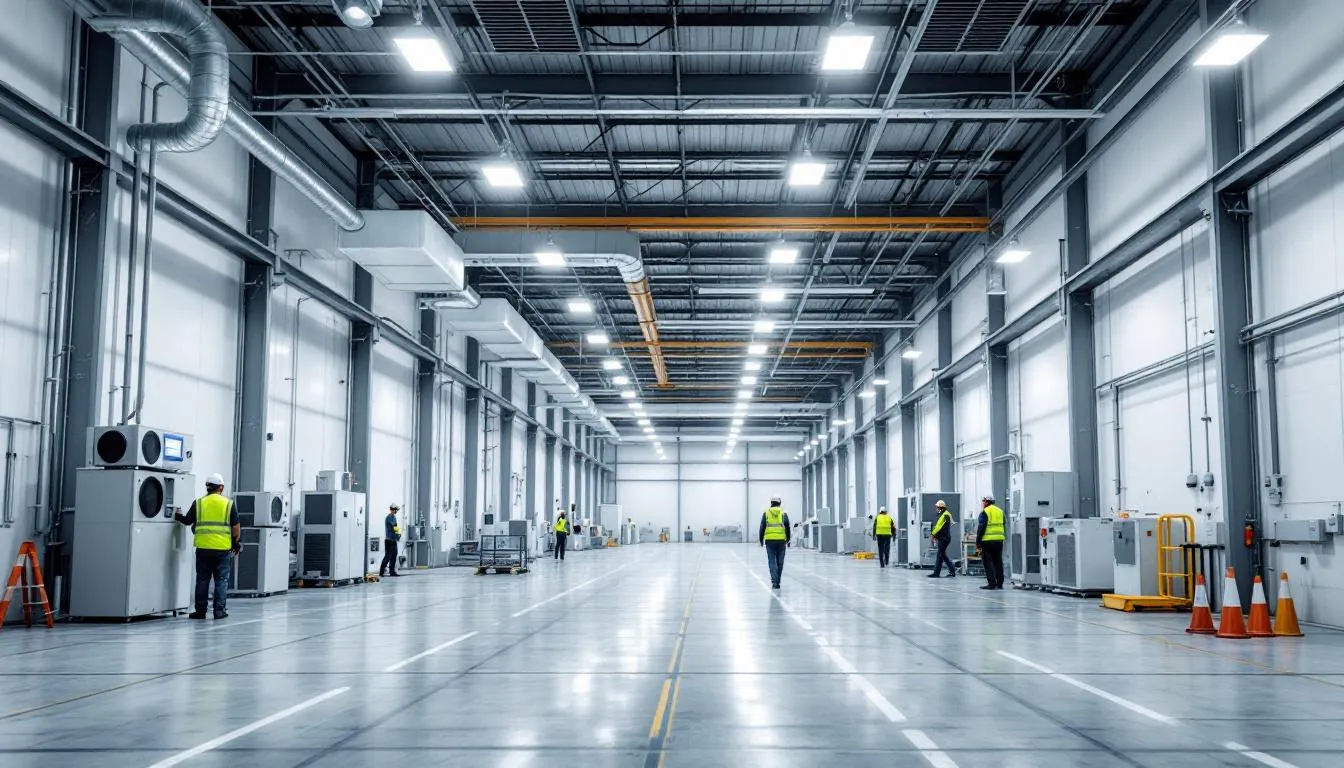
Unlike residential systems, industrial humidity control systems integrate seamlessly with existing HVAC and building management systems for automated control across large spaces. The system continuously monitors humidity levels through advanced sensors and responds automatically to maintain stable humidity levels regardless of external weather conditions or internal process changes.
The core difference between residential and industrial-grade humidity control equipment lies in capacity, precision, and durability. Industrial systems handle significantly larger air volumes, maintain tighter tolerances (often within ±1-2% RH), and operate continuously in demanding environments where downtime can cost thousands of dollars per hour. Isothermal humidifiers, which heat water into steam for rapid humidification, and adiabatic humidifiers, which use evaporative techniques for energy efficiency, are commonly used in industrial settings to meet these rigorous demands.
These systems typically include humidity sensors, controllers, humidification equipment, dehumidification systems, and integrated monitoring capabilities that work together to maintain controlled humidity throughout the facility. The integration with building management systems allows for predictive control, adjusting humidity levels based on production schedules, weather forecasts, and historical data patterns.
Why Industrial Humidity Control is Critical
Industrial humidity control directly impacts product quality, manufacturing processes, and worker safety across numerous industries. Maintaining proper humidity control protects sensitive equipment from corrosion and electrical failures while ensuring consistent product quality that meets stringent industry standards. Many industries also rely on the humidification process to control moisture levels and prevent the harmful effects of dust and static electricity, which can pose significant risks to both products and personnel.
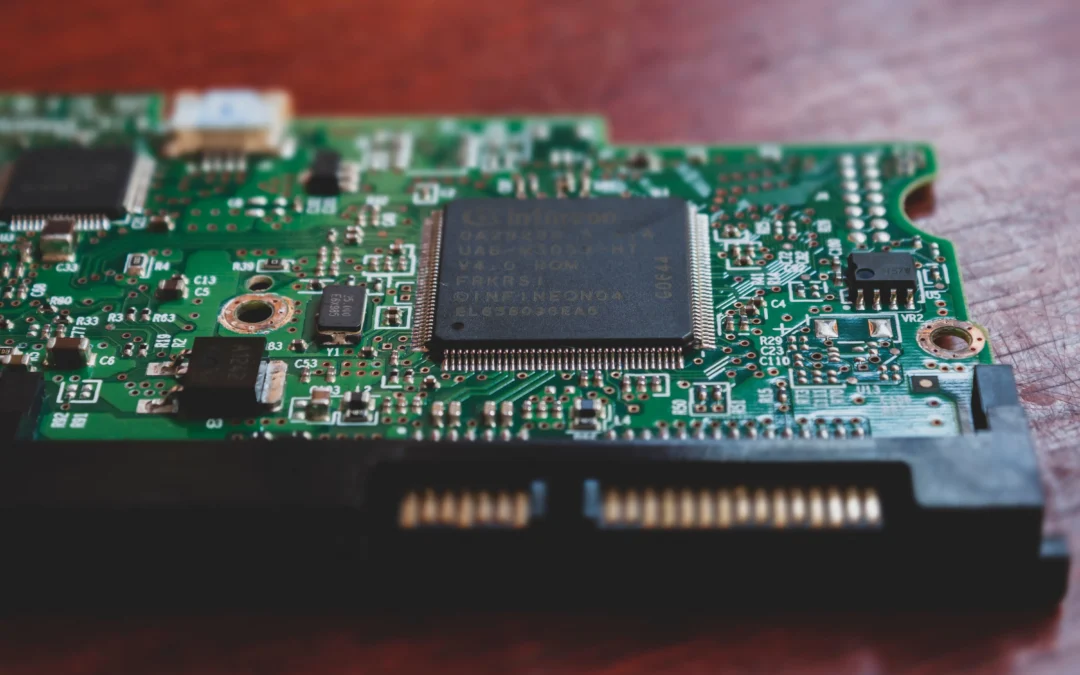
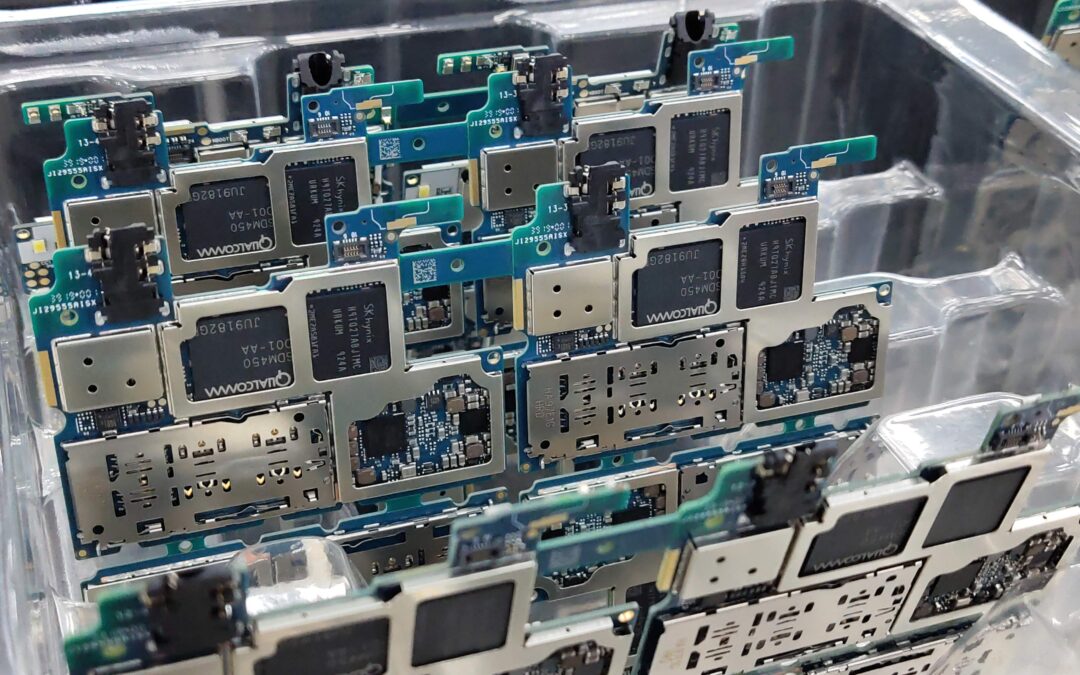
In electronics manufacturing, humidity control prevents static electricity buildup that can destroy delicate components worth thousands of dollars. Static electricity becomes particularly problematic when relative humidity levels drop below 40%, making proper humidification essential for reducing static electricity and protecting electronic devices throughout the production process.
Compliance with industry regulations and quality standards represents another critical factor. The pharmaceutical industry, food processing, and medical device manufacturing all require strict environmental controls to meet GMP, FDA, and ISO standards. These regulations mandate specific humidity ranges and documentation, making professional humidity control systems essential for regulatory compliance.
Beyond compliance, humidity control significantly impacts energy efficiency and operating costs. Properly designed systems can reduce overall HVAC energy consumption by optimizing the balance between heating, cooling, and moisture management. This integrated approach prevents the common problem of wasted energy caused by simultaneous heating and cooling to achieve desired conditions.
Worker health and safety also depend on maintaining appropriate humidity levels. Environments with controlled humidity reduce respiratory irritation, prevent dry throat and itchy eyes, and create more comfortable working conditions that can improve productivity and reduce sick days.
Problems Caused by Improper Humidity Levels
Uncontrolled humidity creates numerous operational challenges that can severely impact production quality, equipment longevity, and worker safety. Understanding these problems helps justify the investment in professional humidity control systems and highlights the hidden costs of inadequate moisture management.
High Humidity Problems
Excess moisture in industrial environments creates ideal conditions for mold, bacterial growth, and fungal contamination. These microorganisms can contaminate products, particularly in food industry applications, pharmaceutical manufacturing, and clean rooms where sterile conditions are essential for product safety and regulatory compliance. Industrial humidity control systems are specifically designed to prevent such mold and bacterial growth, ensuring a safer and more hygienic production environment.
High humidity levels also accelerate corrosion of metal components and infrastructure, leading to premature equipment failure and increased maintenance costs. The condensation that forms on cold surfaces can damage sensitive electronics, create slip hazards for workers, and compromise the integrity of stored materials.
In manufacturing processes, elevated humidity can cause product clumping, caking, and quality degradation. Powdered materials become difficult to handle, packaging integrity suffers, and production efficiency decreases as equipment requires more frequent cleaning and maintenance to address moisture-related issues. In the pharmaceutical industry, optimal humidity levels are crucial to prevent issues such as powder clumping, which can affect the quality and efficacy of the final product.
Low Humidity Problems
Insufficient moisture creates equally problematic conditions, particularly the generation of static electricity that poses serious risks in electronics manufacturing and environments handling flammable materials. Electrostatic discharge can destroy sensitive components, ignite combustible materials, and create safety hazards for personnel working with electronic equipment.
Dry air increases airborne dust and contamination, compromising air quality and creating challenges for facilities requiring clean environments. Materials exposed to low humidity become brittle, crack, or warp, affecting product quality and potentially damaging expensive raw materials or finished goods.
Workers in low-humidity environments often experience adverse health effects including respiratory discomfort, dry skin, and increased susceptibility to illness. These conditions can reduce productivity, increase absenteeism, and create liability concerns for employers responsible for maintaining safe working environments.
Types of Industrial Humidity Control Systems
Modern industrial facilities typically require both humidification systems to add moisture when needed and dehumidification systems to remove excess moisture, often within the same facility depending on seasonal conditions and process requirements.
Humidification Systems
industrial humidification by utilizing precise, computer-controlled fogging technology to maintain optimal humidity levels. These systems generate ultra-fine water droplets that quickly evaporate into the air, increasing moisture without creating wet surfaces. Smart Fog systems are highly efficient and adaptable, making them ideal for large-scale industrial environments such as cleanrooms, hospitals, datacenters, warehouses, manufacturing plants, and agricultural facilities.
Equipped with intelligent sensors and automated controls, Smart Fog systems continuously monitor ambient humidity and adjust fog output in real time to maintain stable humidity levels. This dynamic control helps prevent issues related to both high and low humidity, such as microbial growth, static electricity, and product quality degradation. Additionally, Smart Fog systems can integrate with existing building management and air conditioning systems to optimize energy efficiency and reduce operating costs.
By delivering uniform humidification across large spaces, Smart Fog systems improve indoor air quality and create safer, more comfortable working environments. Their low maintenance requirements and precise control capabilities make them a popular choice in the market today for industrial humidification needs.
Steam humidifiers provide the most precise and sterile method of adding moisture to industrial environments. These systems heat water to create pure steam, offering rapid response times and excellent control accuracy that makes them ideal for pharmaceutical production, laboratories, and other applications requiring precise humidity control.
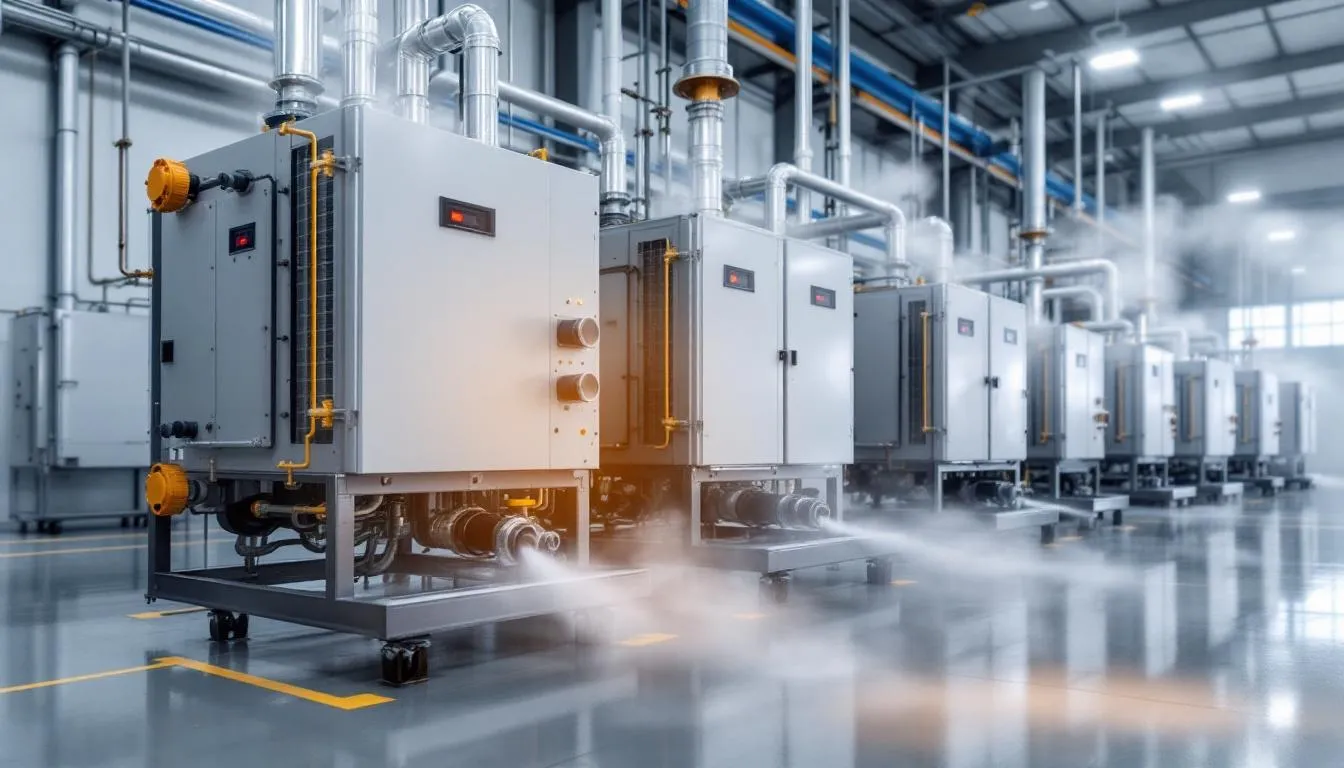
Ultrasonic humidification offers energy-efficient operation by using high-frequency vibrations to create fine mist without heating water. This technology works particularly well in electronics manufacturing and clean rooms where precise control and energy efficiency are priorities, though water quality requirements are typically higher to prevent mineral buildup.
High-pressure fogging systems excel in large-scale applications where significant moisture addition is needed quickly. These systems can cover extensive areas efficiently, making them popular in textile manufacturing, warehouses, and production facilities with high ceilings and large open spaces.
Evaporative humidifiers provide cost-effective moisture control by moving air across wet surfaces, offering reliable performance with lower operating costs. While less precise than steam or ultrasonic systems, evaporative humidification works well for general industrial applications where moderate precision is acceptable.
Key Industries Using Industrial Humidity Control
Industrial humidification and dehumidification systems serve critical functions across diverse industries where moisture control directly impacts product quality, equipment performance, and regulatory compliance.
Manufacturing and Production
Electronics and semiconductor manufacturing requires extremely precise climate control to prevent electrostatic discharge and ensure clean room conditions. These facilities typically maintain relative humidity levels between 45-55% with tolerances of ±1% to protect sensitive components and maintain manufacturing yields.
Pharmaceutical production and laboratory environments must meet strict regulatory requirements that mandate specific humidity ranges for different processes. Active ingredient stability, contamination prevention, and product efficacy all depend on maintaining controlled humidity throughout production, packaging, and storage phases.
The food industry relies on humidity control for multiple applications, from bakery proofing rooms that require high humidity for proper dough fermentation to packaging areas where low humidity prevents spoilage and extends shelf life. Proper humidity control can reduce spoilage costs by 15-30% while ensuring food safety compliance.
Textile manufacturing benefits significantly from humidity control, with proper moisture levels preventing fiber breakage and improving fabric quality. Studies show that maintaining relative humidity above 40% can reduce defects and fiber breakage rates by up to 25%, directly improving productivity and product quality.
Storage and Preservation
Cold storage facilities and freezer operations use dehumidification systems to prevent ice formation and maintain proper storage conditions for perishable goods. Controlling humidity in these environments prevents product deterioration and reduces energy consumption required for temperature maintenance.
Warehouse storage for moisture-sensitive materials requires careful humidity management to prevent damage to stored goods. From paper products to chemical compounds, many materials require specific humidity ranges to maintain quality and prevent degradation during storage periods.
Museums, archives, and document preservation facilities depend on precise humidity control to protect irreplaceable artifacts and documents. These applications often require the most sophisticated control systems, maintaining stable conditions year-round to prevent damage from moisture fluctuations.
Chemical storage and battery manufacturing facilities require controlled humidity to prevent reactions, corrosion, and safety hazards. Many chemical processes are sensitive to moisture, making industrial humidity control essential for both safety and product quality.
Infrastructure and Utilities
Power plants and electrical generation facilities use humidity control to protect sensitive equipment and prevent electrical failures. Maintaining proper humidity levels prevents condensation on electrical components while reducing corrosion of metal infrastructure.
Water treatment and pumping stations require humidity control to protect electronic control systems and prevent corrosion of treatment equipment. These facilities often operate in naturally humid environments, making dehumidification systems essential for equipment protection.
Construction and concrete curing applications benefit from controlled humidity during critical phases of building construction. Proper moisture management during curing improves concrete strength and prevents defects that could compromise structural integrity.
Modern HVAC and building climate control systems increasingly incorporate sophisticated humidity management to improve energy efficiency and occupant comfort while reducing operating costs and maintenance requirements.
Benefits of Professional Humidity Control Systems
Professional industrial humidity control systems deliver measurable benefits that justify their investment through improved operational efficiency, reduced costs, and enhanced product quality.
Improved product quality represents the most immediate benefit, with proper humidity control reducing defect rates, minimizing waste, and ensuring consistent output that meets quality standards. Manufacturing facilities report significant reductions in rework costs and customer complaints after implementing professional humidity control systems.

Enhanced equipment longevity results from protecting machinery and infrastructure from moisture-related damage. Corrosion prevention, reduced electrical failures, and minimized wear from environmental stress extend equipment life and reduce replacement costs, often paying for the humidity control system investment within a few years.
Energy efficiency improvements occur when humidity control systems integrate with existing HVAC systems, optimizing the balance between heating, cooling, and moisture management. Well-designed systems can reduce total HVAC energy consumption by 10-20% while providing superior environmental control.
Worker health and safety improvements create additional value through reduced absenteeism, improved productivity, and lower liability exposure. Comfortable working conditions with proper humidity levels reduce respiratory issues, static electricity hazards, and other health concerns that can impact workforce performance.
Faster production cycles become possible when environmental conditions remain stable and optimal for manufacturing processes. Consistent humidity eliminates delays caused by environmental fluctuations, reduces setup times, and enables higher throughput rates that improve overall facility productivity.
Selecting the Right Industrial Humidity Control System
Choosing the optimal humidity control system requires careful assessment of facility requirements, existing infrastructure, and long-term operational goals. Professional evaluation ensures the selected system meets current needs while providing flexibility for future expansion and modifications.
Space size and current humidity levels provide the foundation for system sizing and technology selection. Large facilities may require multiple zones with different humidity requirements, while smaller spaces might benefit from centralized systems that serve multiple areas efficiently.
Target humidity requirements determine the precision and type of technology needed. Applications requiring tight tolerances (±1-2% RH) need more sophisticated control systems and sensors, while general manufacturing applications may perform well with standard commercial humidifiers and dehumidifiers offering broader control ranges.
Integration capabilities with existing building management systems ensure seamless operation and centralized control. Modern humidity control systems should interface with BMS platforms to enable automated operation, remote monitoring, and integration with other facility systems for optimal efficiency.
Energy efficiency ratings and long-term operational costs significantly impact total ownership expenses. While high-efficiency systems may require higher initial investment, reduced energy consumption and maintenance costs often provide attractive return on investment over the system lifetime.
Maintenance requirements and service support availability affect ongoing operational costs and system reliability. Systems with low maintenance needs and readily available service support minimize downtime and ensure consistent performance throughout the system lifecycle.
Installation and Maintenance Considerations
Professional installation ensures optimal system performance and longevity while meeting safety and regulatory requirements. Proper commissioning verifies that all components function correctly and achieve specified performance targets before the system enters full operation.
Regular maintenance schedules are essential for maintaining optimal performance and preventing costly breakdowns. Humidity sensors require periodic calibration, humidification systems need cleaning to prevent scaling and fouling, and dehumidification systems require filter changes and coil maintenance to maintain efficient operation.
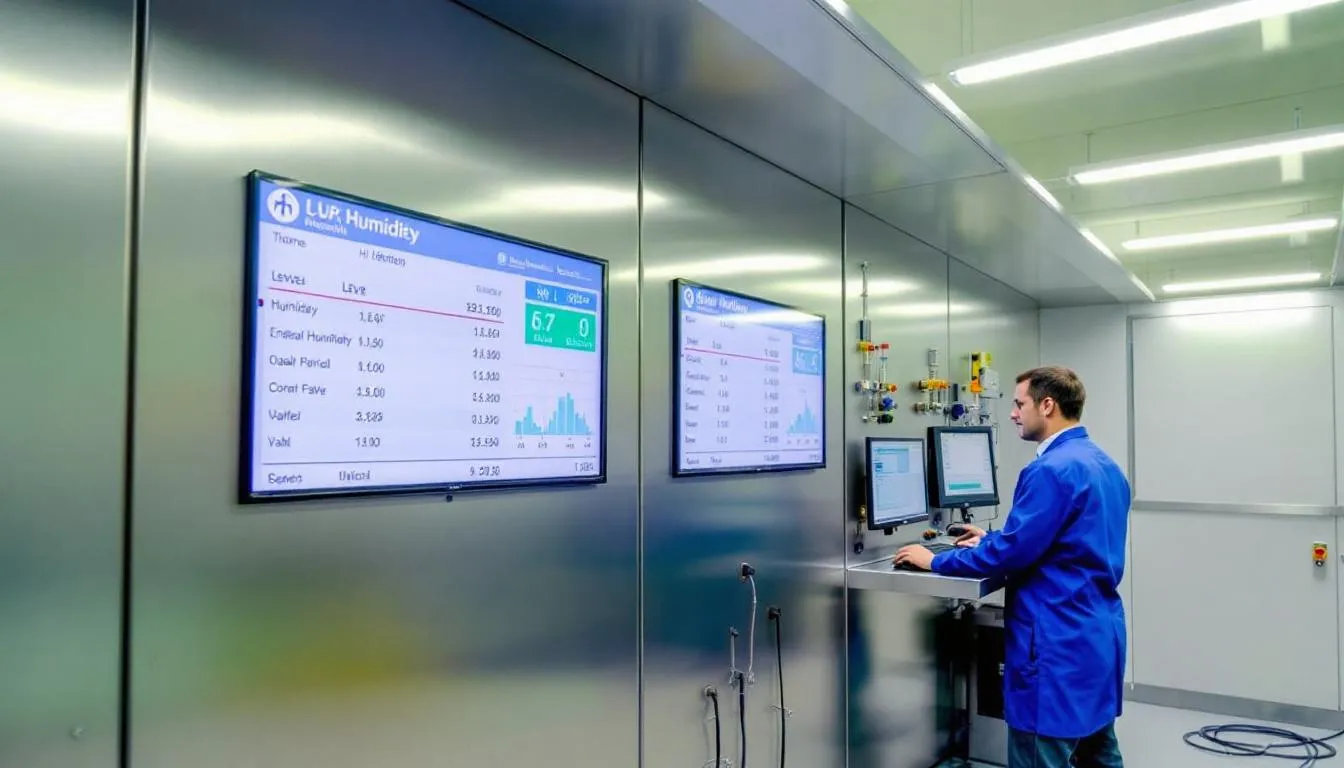
Monitoring and control system setup enables automated operation that responds to changing conditions without manual intervention. Modern systems provide remote monitoring capabilities, instant alerting for out-of-specification conditions, and data logging for regulatory compliance and system optimization.
Troubleshooting common issues and implementing preventive maintenance protocols minimize downtime and extend equipment life. Training facility personnel on basic maintenance procedures and system operation ensures quick response to minor issues while knowing when to contact professional service providers.
System upgrades and expansion possibilities should be considered during initial installation to accommodate future facility changes or enhanced requirements. Modular systems and scalable designs provide flexibility for modifications without requiring complete system replacement.
Professional humidity control systems represent a strategic investment in operational excellence, product quality, and regulatory compliance. The combination of advanced technology, proper installation, and ongoing maintenance creates the controlled environment that modern industrial facilities require to remain competitive in today’s demanding marketplace.
The investment in an industrial humidity control system pays dividends through reduced waste, improved product quality, enhanced equipment longevity, and better working conditions. With proper selection and implementation, these systems provide reliable environmental control that supports facility operations for many years while delivering measurable returns on investment through improved efficiency and reduced operating costs.