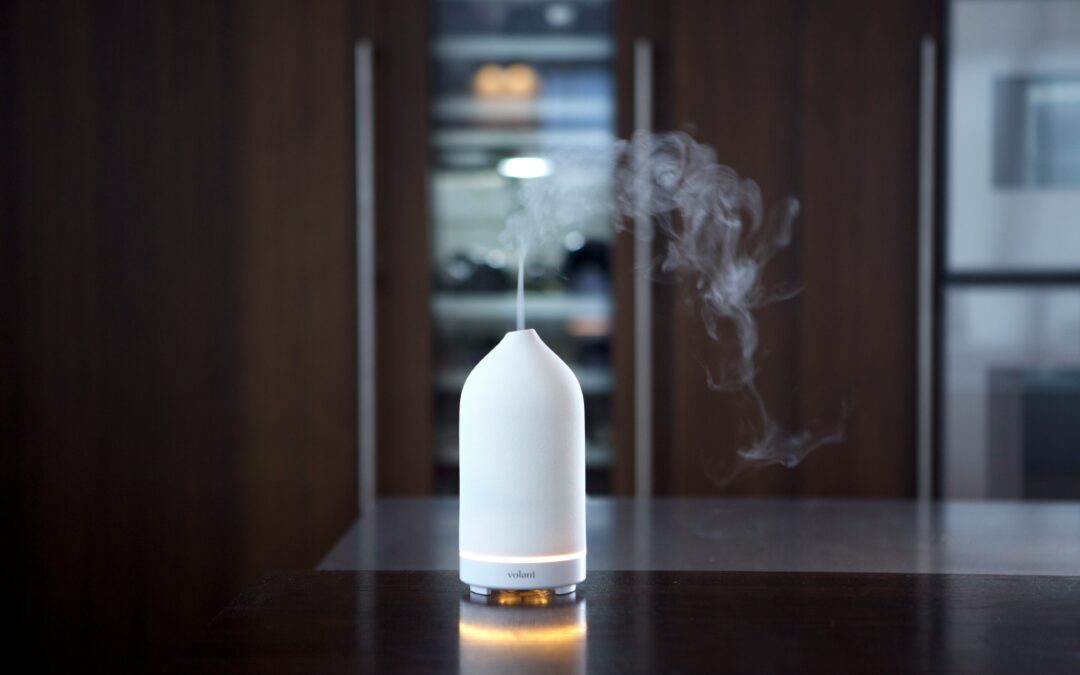
A humidifier is a device that adds moisture to the air to increase humidity levels in indoor spaces. These systems serve applications ranging from residential comfort control to precision industrial processes requiring specific moisture levels for equipment...
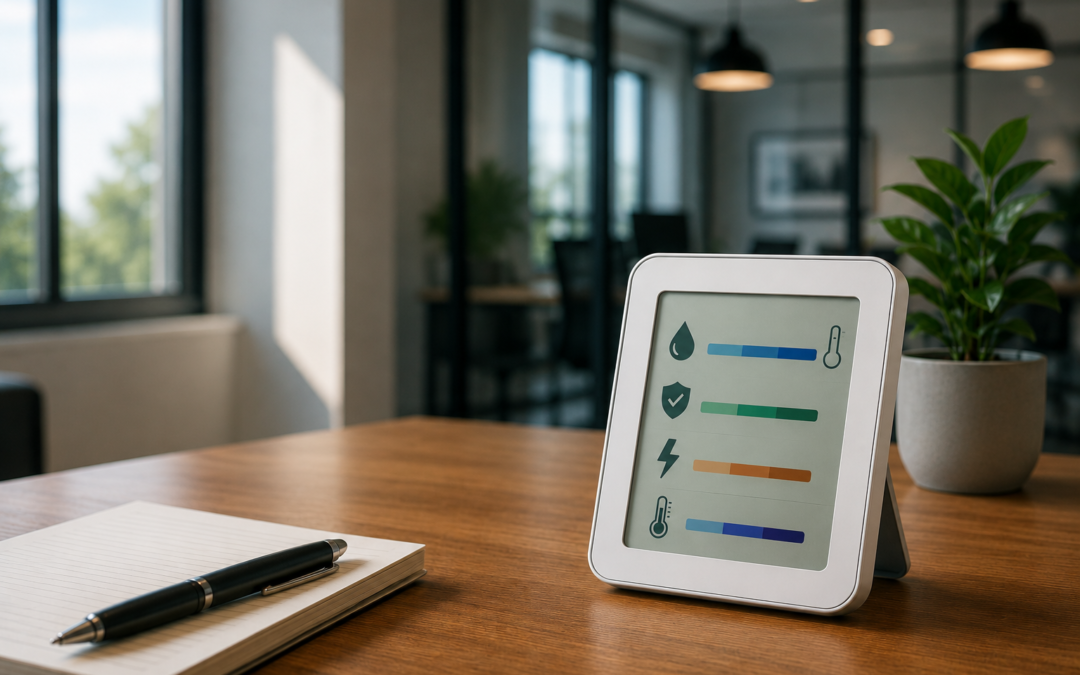
Ambient humidity refers to the amount of moisture present in the surrounding air at a specific location and time. Unlike relative humidity measurements that express moisture as a percentage of air’s maximum capacity at a given temperature, ambient humidity...
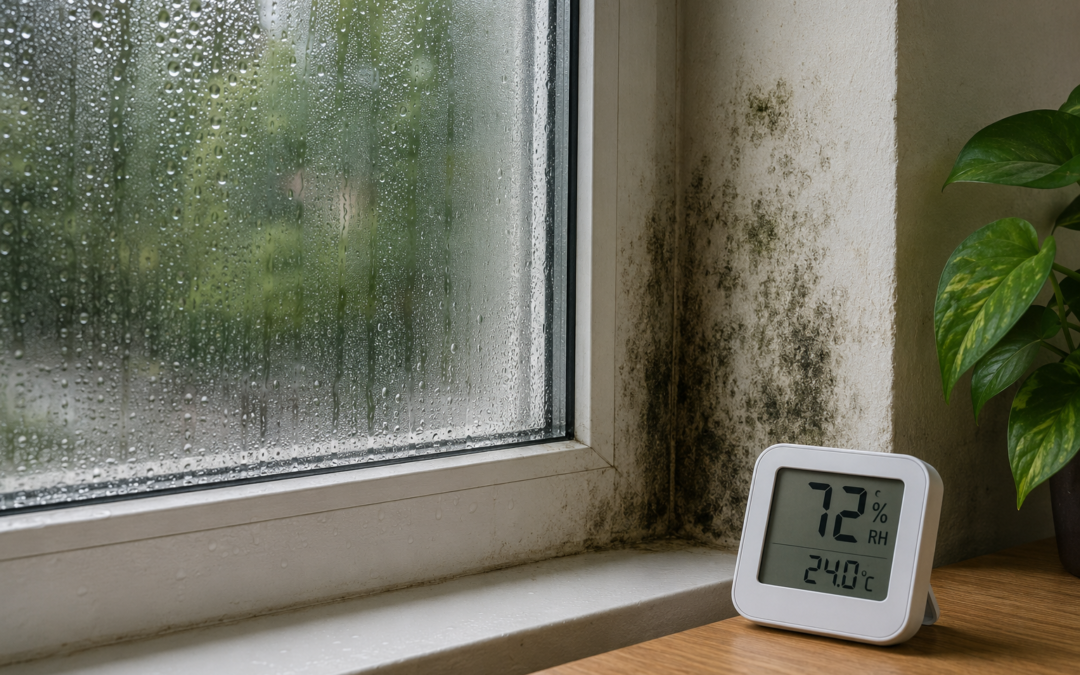
High humidity levels above 60% relative humidity (RH) create indoor air quality problems in most environments, though specific thresholds vary by facility type and application. Industrial and commercial facilities often require stricter control, with levels above...
Yes, Texas is humid, but humidity levels vary dramatically across the state’s diverse climate zones, ranging from desert-dry conditions below 30% relative humidity in West Texas to subtropical moisture exceeding 80% along the Gulf Coast. This variation spans...
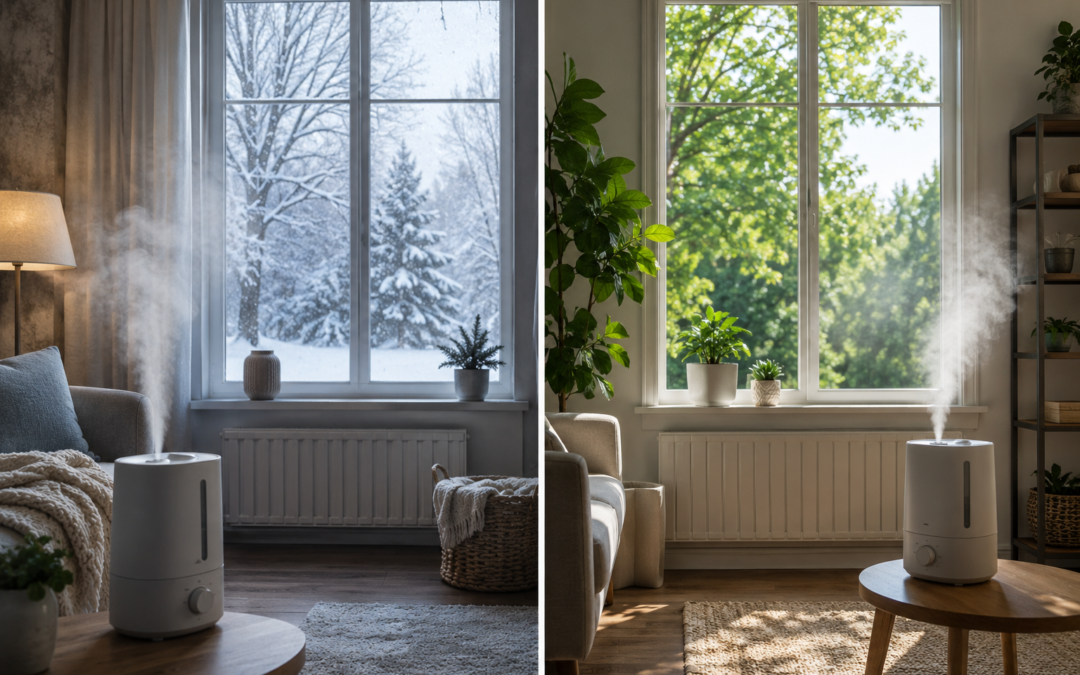
Humidity changes seasonally due to temperature’s effect on air’s moisture-holding capacity, with winter bringing lower humidity and summer higher levels. This article covers the atmospheric mechanisms behind seasonal humidity variation, how these changes...
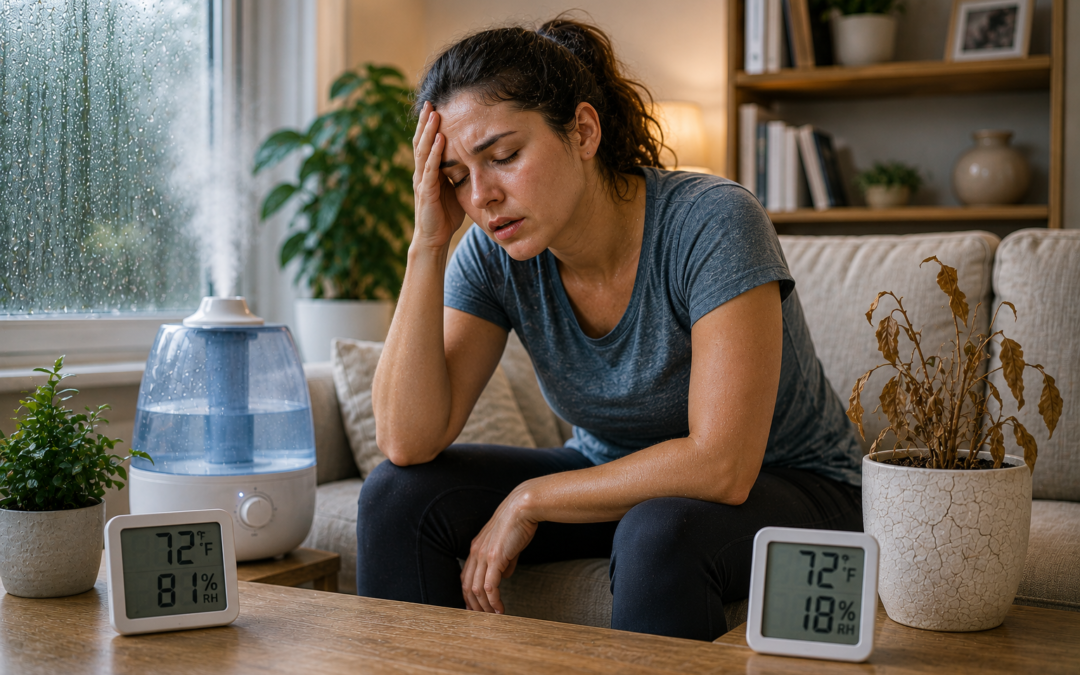
Both high and low humidity can cause fatigue through specific physiological mechanisms that force your body to work harder to maintain normal function. The human body operates most efficiently within a narrow humidity range of 40-60% relative humidity, where...