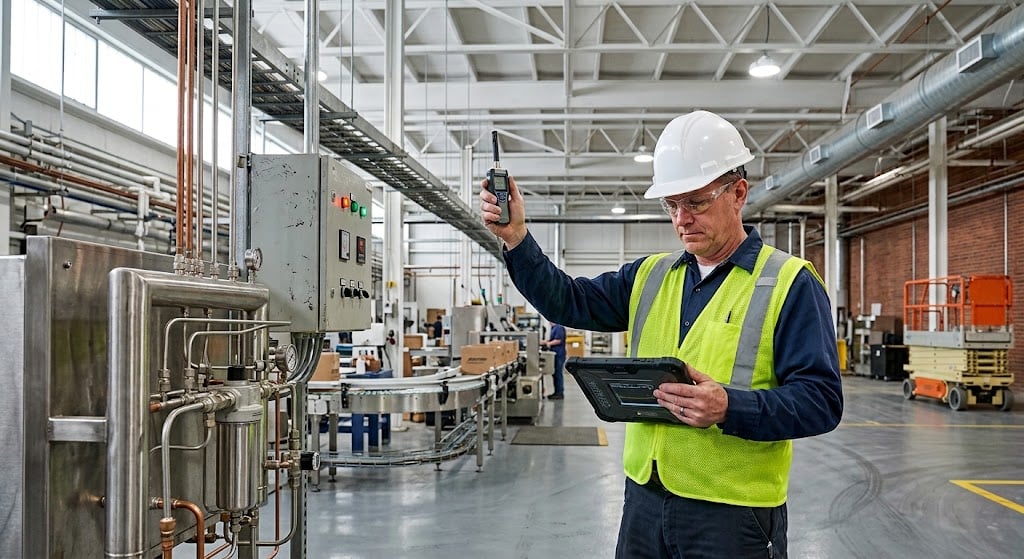
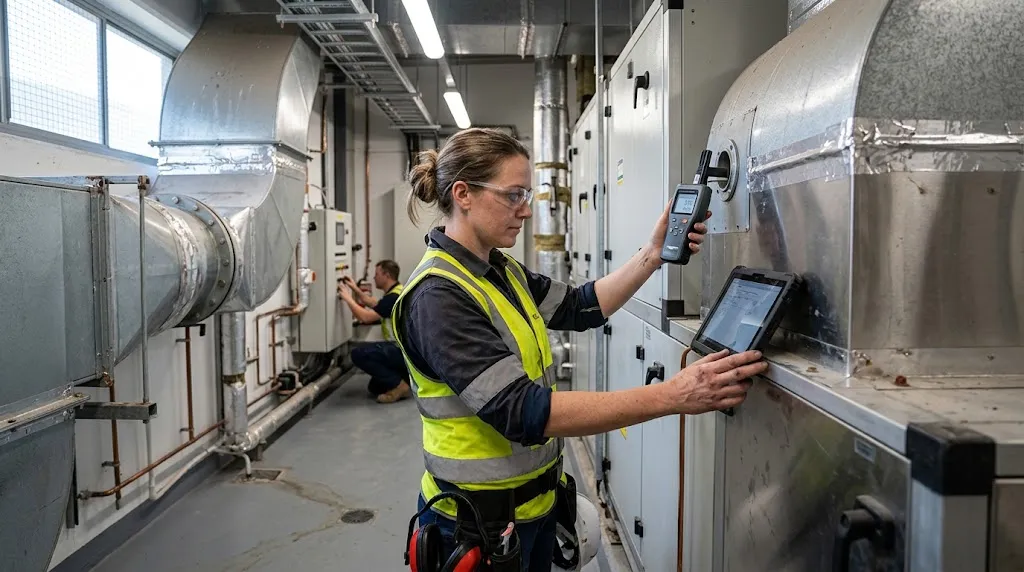
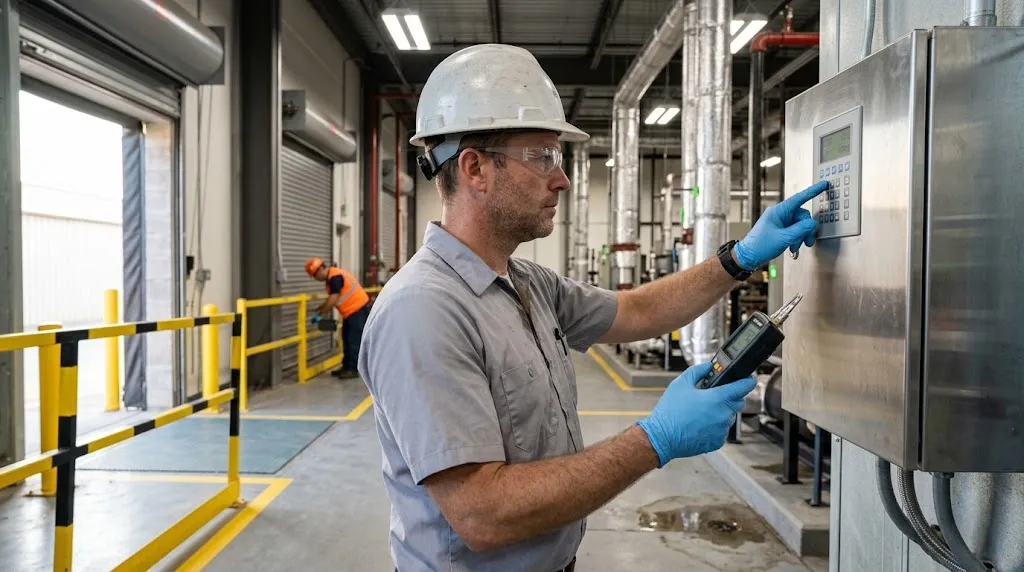
- Stable humidity reduces electrostatic discharge risks in sensitive environments.
- Precise control supports product reliability and long-term performance.
- Integrated control systems ensure consistent environmental conditions.
- Tailored solutions address industry-specific cleanroom requirements.
- Continuous monitoring helps reduce contamination and process variability.
What Makes Cleanroom Humidity Control System Selection Complex
Selecting a cleanroom humidity control system requires balancing process sensitivity, environmental stability, and regulatory requirements. Each cleanroom operates under unique conditions that demand precise and reliable humidity control.How Cleanroom Class, Process Sensitivity, and Compliance Requirements Shape System Choice
Cleanroom classification defines acceptable environmental conditions and plays a key role in determining humidity control requirements. Higher-class environments require tighter control to maintain cleanliness and prevent contamination. Process sensitivity and regulatory requirements further refine system selection by defining how stable humidity must remain. Industries such as pharmaceuticals and electronics require narrow humidity ranges to protect product integrity and ensure compliance with strict standards.Why a One-Size-Fits-All Approach to Humidity Control Fails in Cleanroom Environments
Cleanroom environments require tailored humidity control because each facility operates under different process and regulatory conditions. A generic system cannot meet the precision and stability required across varied applications. Using a non-specific system can lead to inefficiencies, higher operational costs, and compliance risks. Precision humidification systems are designed to maintain stable conditions without creating condensation or surface wetting.Defining Your Cleanroom Humidity Requirements Before Evaluating Systems
Defining humidity requirements is the first step in selecting a suitable cleanroom humidity control system. Clear targets ensure that the system supports process stability and regulatory compliance. Accurate requirement definition depends on both cleanroom classification and process-specific needs.ISO Cleanroom Class and Target RH Range as Baseline Selection Criteria
ISO cleanroom classification establishes the baseline for environmental control, including humidity levels. Different classes require specific relative humidity ranges to maintain controlled conditions. The target humidity range directly impacts system selection, as higher precision environments require tighter control. Cleanrooms used for high-precision manufacturing typically operate within narrower humidity limits.Process-Specific Humidity Tolerance and Acceptable Variance Thresholds
Process requirements define the upper and lower humidity limits the room can tolerate without affecting yield, product quality, or compliance. In ESD-sensitive semiconductor environments, RH below 40% is a practical lower threshold because electrostatic risk increases as humidity drops, and some guidance recommends 40% to 60% RH where feasible. In pharmaceutical facilities, there is no single universal RH threshold for every space. WHO guidance says manufacturers should set appropriate upper and lower relative humidity limits for different areas based on the product, process, and storage conditions, and the HVAC system should be designed to maintain those limits through all seasons.Types of Cleanroom Humidity Control Systems and Their Tradeoffs
Cleanroom humidity control systems vary based on how they introduce and regulate humidity within controlled environments. Each system type offers different levels of precision, efficiency, and contamination risk depending on application needs.Steam Humidification: Sterility Advantages and Energy Tradeoffs
Steam humidification is commonly used in cleanrooms where sterile humidity is required. It introduces heated vapor into the environment to maintain controlled humidity levels. The following benefits and limitations define steam humidification systems: Benefits- Provides sterile humidity suitable for contamination-sensitive environments.
- Supports consistent humidity control in regulated applications.
- High energy consumption due to steam generation.
- Increased operational and maintenance costs.
High-Pressure Adiabatic Systems: Precision and Efficiency Considerations
High-pressure adiabatic systems use controlled evaporation to regulate humidity within cleanroom environments. These systems are designed to deliver high precision while improving energy efficiency compared to traditional methods. The following factors define their performance: Advantages- High precision humidity control for sensitive processes.
- Lower energy consumption compared to steam-based systems.
- System design must prevent droplet carryover to avoid contamination.
- Improper operation can introduce risks to equipment and product quality.
Ultrasonic Humidification: Use Cases, Limitations, and Contamination Risks
Ultrasonic humidification systems generate humidity using high-frequency vibrations and are typically used in less demanding cleanroom environments. These systems are suitable where gentle humidity control is sufficient. The following points outline their applications and limitations: Use cases- Environments requiring moderate humidity control.
- Applications where low noise operation is preferred.
- Higher contamination risk if water quality is not maintained.
- Requires consistent maintenance and water treatment.
Centralized vs Localized Humidity Control Configurations
Humidity control systems can be configured as centralized or localized depending on facility design and operational needs. Each configuration offers different advantages in terms of control, flexibility, and maintenance. The following distinctions define these configurations: Centralized systems- More energy-efficient with simplified maintenance.
- Suitable for uniform conditions across large cleanroom spaces.
- Provide targeted humidity control for specific zones.
- Require higher maintenance and more complex system management.
Key Selection Criteria for Cleanroom Humidity Control Systems
Selecting the right humidity control system requires evaluating performance, reliability, and contamination risk across different operating conditions, including potential environmental causes of failure. The system must consistently maintain required humidity levels to support product quality and regulatory compliance.RH Precision, Stability, and Response Time Under Variable Conditions
Humidity control systems must deliver precise and stable performance to prevent process disruption. Small deviations in humidity can impact product quality and increase contamination risks. Key performance factors include:- RH precision to maintain humidity within a narrow and defined range.
- Stability to ensure consistent conditions over time despite external changes.
- Fast response time to quickly correct fluctuations and prevent deviations.
Cleanroom Size, Layout, Air Change Rates, and System Integration
Cleanroom design directly influences how humidity must be controlled across the space. Larger or complex layouts require systems capable of maintaining uniform conditions across multiple zones. Key considerations include:- Cleanroom size and layout affecting distribution of humidity.
- Air change rates influencing moisture balance and environmental stability.
- Integration with existing environmental control systems to maintain consistency.
Waterborne Contamination Risk and System Hygiene Requirements
Humidity control systems must prevent contamination risks associated with water use. Poor system design or maintenance can introduce microorganisms into the cleanroom environment. Key hygiene considerations include:- Use of clean water sources to reduce contamination risk.
- System design that prevents microbial growth within components.
- Regular maintenance and monitoring to ensure consistent hygiene performance.
Energy Consumption, Maintenance Load, and Lifecycle Cost
System efficiency and long-term performance are critical when selecting a humidity control solution. Operational costs and maintenance requirements directly impact overall system value. Key evaluation factors include:- Energy consumption affecting long-term operating costs.
- Maintenance requirements influencing downtime and reliability.
- Total lifecycle cost including installation, operation, and upkeep.
Matching Humidity Control Systems to Cleanroom Application Type
Humidity control requirements vary across industries based on process sensitivity and regulatory standards. Each application demands a system designed to meet its specific environmental and operational needs.System Considerations for Pharmaceutical and Biotechnology Cleanrooms
Pharmaceutical and biotechnology environments require strict humidity control to prevent contamination and maintain product stability. Consistent conditions are essential for compliance and process reliability. Key considerations include:- Tight humidity control to protect sensitive formulations and biologics.
- Compliance with regulatory standards such as FDA and ISO requirements.
- Systems designed to minimize contamination risks in sterile environments.
System Considerations for Semiconductor and Electronics Manufacturing
Semiconductor and electronics environments demand highly stable humidity conditions to prevent defects and ensure component reliability. Even small variations can impact production outcomes. Key considerations include:- High precision control to reduce electrostatic discharge risk.
- Clean system design to prevent particle generation and contamination.
- Integration with existing environmental controls for consistent conditions.
System Considerations for Healthcare and Medical Device Environments
Healthcare and medical device environments require controlled humidity to ensure safety and compliance. Stable conditions help prevent contamination and support consistent product performance. Key considerations include:- Maintaining conditions that reduce microbial growth risks.
- Compliance with healthcare and manufacturing regulations.
- Flexibility to support multiple controlled environments within facilities.
System Considerations for Aerospace and Defense Cleanrooms
Aerospace and defense cleanrooms require precise humidity control to protect sensitive components and ensure operational reliability. Controlled conditions are critical for maintaining performance standards. Key considerations include:- High precision humidity control to prevent material degradation.
- Secure and stable environments for sensitive technologies.
- Customized system design to meet specialized application requirements.
Common Mistakes When Selecting a Cleanroom Humidity Control System
Selecting a cleanroom humidity control system requires careful evaluation of precision, capacity, and integration requirements. Mistakes in system selection can lead to performance issues, higher costs, and compliance risks.Prioritizing Upfront Cost Over Precision and Compliance Fit
Focusing only on initial cost can lead to selecting a system that does not meet required performance standards. Systems lacking precision or compliance alignment can create long-term operational risks. Key risks include:- Inadequate humidity control leading to product defects.
- Non-compliance with regulatory standards.
- Higher long-term costs due to system upgrades or replacements.
Oversizing or Undersizing System Capacity for the Cleanroom Environment
Incorrect system sizing can reduce efficiency and affect environmental stability. Both oversized and undersized systems create performance challenges in cleanroom environments. Common issues include:- Oversized systems increase energy use and maintenance load.
- Undersized systems failing to maintain required humidity levels.
- Inconsistent performance under changing conditions.
Underestimating Integration Complexity With Existing Systems
Integration challenges can disrupt cleanroom performance if not properly addressed. Systems must align with existing environmental controls to function effectively. Key considerations include:- Compatibility with existing airflow and control systems.
- Impact on overall environmental stability.
- Need for system upgrades or modifications.
Cleanroom Humidity Control System Selection Framework
A structured evaluation framework helps ensure the selected humidification system meets performance, compliance, and operational requirements. Careful assessment reduces risks and supports long-term reliability.Evaluation Checklist: Questions to Ask Before Committing to a System
A detailed evaluation checklist helps identify whether a system meets cleanroom requirements. Assessing key performance factors ensures the system can maintain stable conditions. Key questions to consider include:- Can the system maintain precise and stable humidity levels?
- How quickly does it respond to environmental changes?
- Can it handle varying air change rates and system configurations?
- What are the energy and maintenance requirements?
When to Involve an Environmental Controls Specialist in the Selection Process
Complex cleanroom environments often require expert input during system selection. Specialists help ensure that all technical and regulatory requirements are properly addressed. Key benefits include:- Accurate assessment of cleanroom humidity control needs.
- Evaluation of system performance and suitability.
- Ensuring compliance with industry standards.
- Optimizing integration with existing environmental systems.