

The humidification industry is larger than you might think. It is necessary to add moisture into the air in many instances. Humidification is often encompassed within heating and cooling procedures, though it is important that humidity is controlled without adding too much moisture or affecting the overall dry bulb temperature.
The Industries That Depend on Humidification
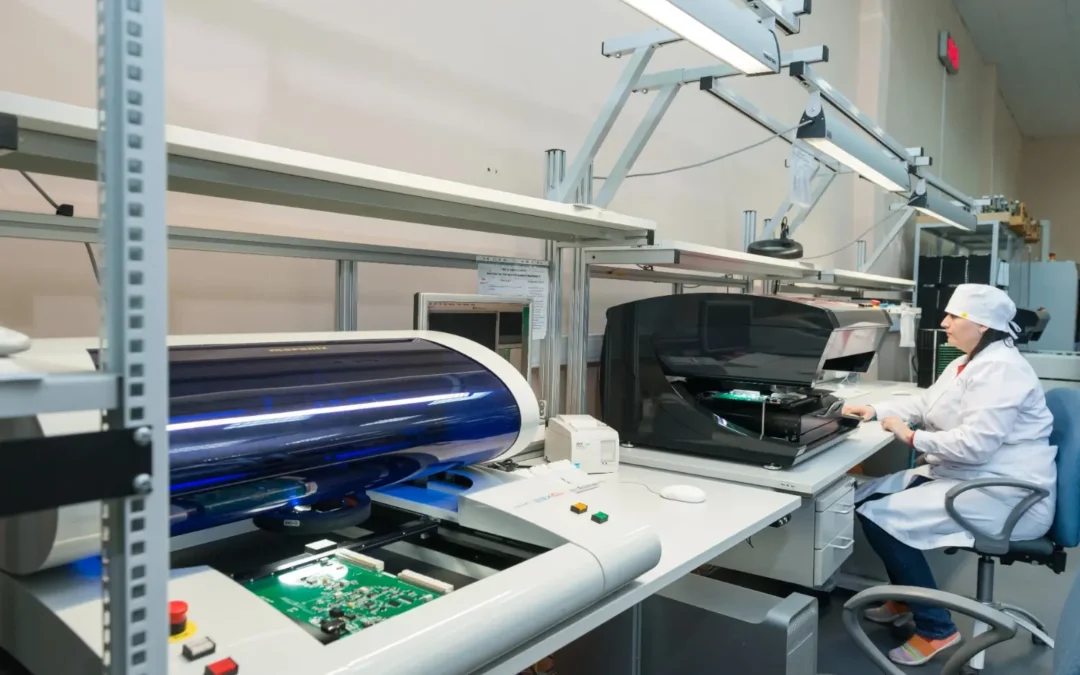
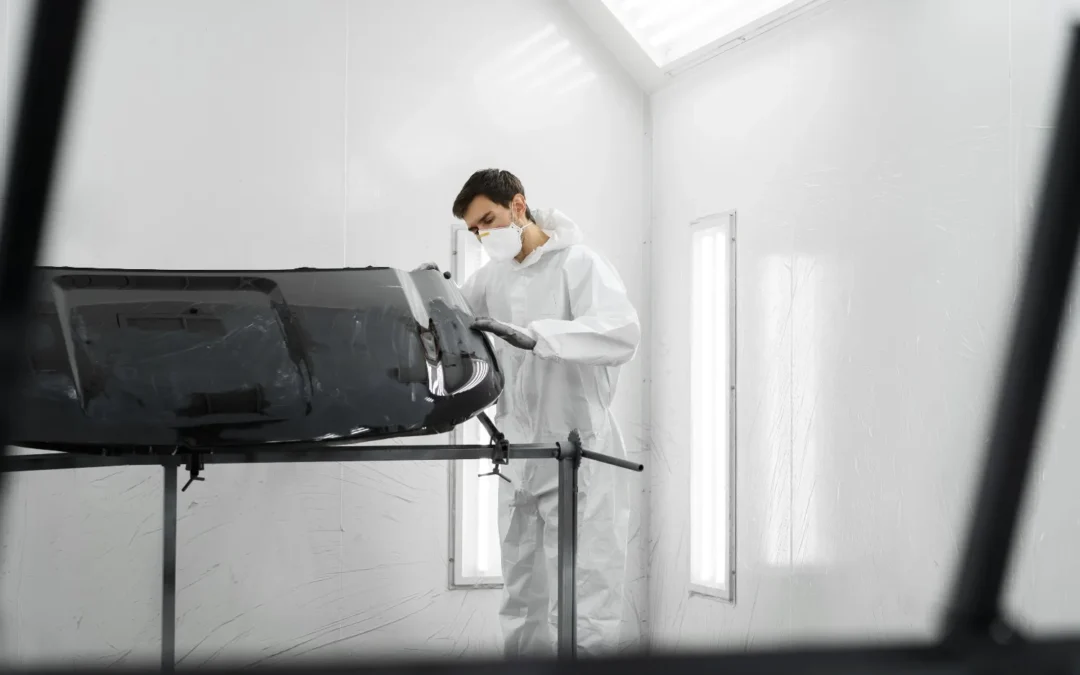
A wide array of industries depends on humidification. If the air is too dry, it can lead to problems with cleanliness and dust, electrical charges, and much more. When there is a good humidification system within the room, it can reduce static electricity buildup and ensure that there is consistency within the various materials.
Some of the industries that can benefit from humidification systems include:
- Pharmaceutical
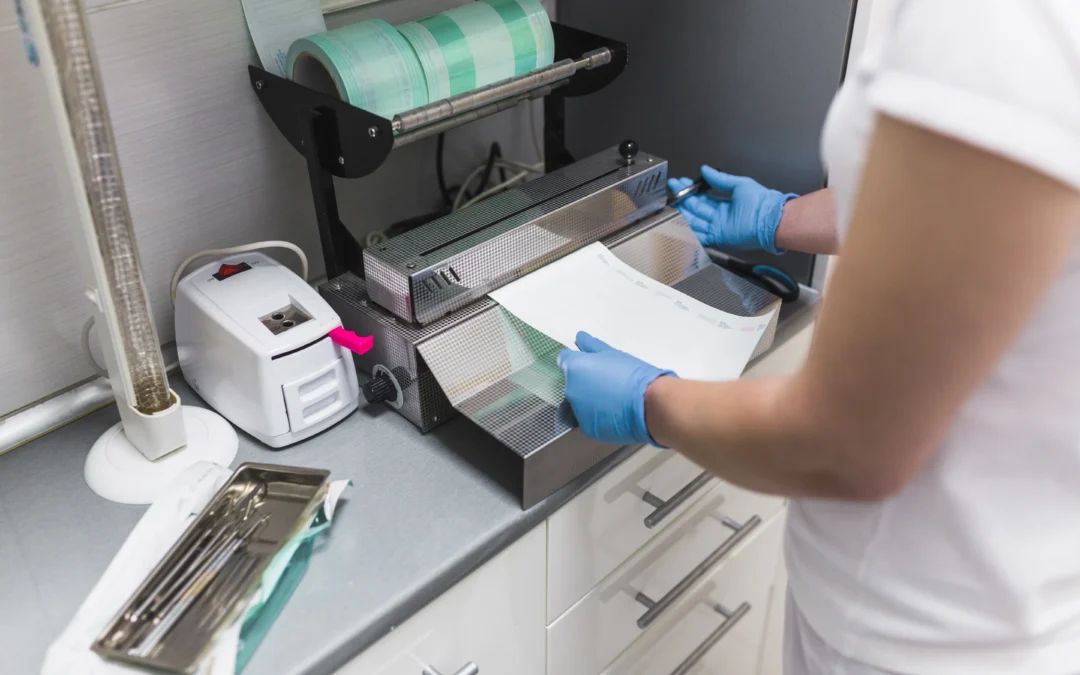
- Medical
- Electronic/computer
- Technology
- Printing presses
- Laboratories
Even if you have a cleanroom, it is possible to incorporate humidity in a controlled environment so that you can enjoy the various benefits. Clean levels of water and air can be utilized, and this is because of the smart technology that is now available.
With so many industries using humidity, it’s important to obtain a custom solution for what it is that you need within your workspace.
How Precision Humidity Control Can Make a Difference
More technology is available than ever before. This makes it possible to have a system that allows for a significant amount of control over the environment, which includes the level of humidity that you require.
Smart Fog technology uses a natural decorrelation process. This is caused by a negative charge in the oxygen molecule and a positive charge of the hydrogen molecule, and they attract. The non-chemical mechanical process ensures that the environment is clean, and it also ensures that there is maximum adhesion, which means that water will attract to other materials.
Using the right technology is critical so that you don’t experience high levels of maintenance, high pressure, or a lot of moving parts. Additionally, other technologies involve using electronic board transducers, which can also be costly.
You want the air to be humid, but you don’t want water landing on the actual surface. Particularly if you are dealing with electronics, you cannot risk the water landing on any of the electrical circuits.
With wet fall, the droplets will wet the surface because they simply because they get into contact with it. Dry fog rebounds from the surface, similar to that of soap bubbles.
With smart fog, the droplets are very small, and they evaporate quickly. It makes it possible to eliminate mold, dust, viruses, and bacteria from the air this way as well. By not using so much water in the process, it also helps save energy and water at the same time, thus making it a smarter and more cost-efficient system.
Ultimately, you need to find a solution that works within your facility so that you can have a variety of needs met. You don’t want to have to use a spray disinfectant on surfaces because it may not be very effective. Additionally, you could be using a lot of chemicals to sanitize – and this can be not only costly but cause even more problems.
Commercial Humidification is a very large industry. A variety of technologies can be used, ranging from high pressure to atomization to ultrasonic, and even steam. Some of these cause more problems than they solve, which is why so many companies end up spending a lot of money on maintenance and chemicals to maintain the desired environment. Smart Fog technology helps to solve more problems and uses less energy at the same time.
Learn more about commercial humidification by contacting Smart Fog Inc today.