...
ido

Ido Goldstein

Chief Technology Officer at Smart Fog

Author

Ido Goldstein is a technology innovator with deep expertise in humidity engineering, climate control, and non-wetting fog systems. He has spent years advancing energy-efficient and water-smart solutions that help industries like cleanrooms, data centers, wineries, and greenhouses maintain precise environmental control.

Passionate about technology with real-world impact, Ido also supports sustainable agriculture initiatives and nonprofit innovation. Through this blog, he shares practical insights on HVAC advancements, indoor air quality, and the science behind high-performing environments.

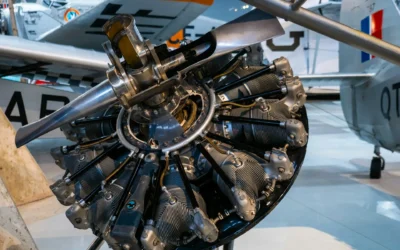
How Dry Air Impacts Sensitive Defense Equipment

How Dry Air Impacts Sensitive Defense Equipment

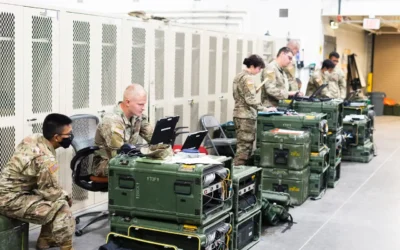
Dry air in defense facilities can increase electrostatic discharge, accelerate material degradation, and reduce equipment reliability. Maintaining stable humidity across electronics rooms, storage areas, and hangars is essential to protect mission-critical systems and preserve operational readiness.

read more
How Dry Air Impacts Coating Adhesion

How Dry Air Impacts Coating Adhesion

Dry air reduces coating adhesion by speeding solvent evaporation, lowering surface energy, and increasing static electricity. This leads to poor wetting, weak bonding, and defects, making humidity control essential for consistent, durable coating performance.

read more
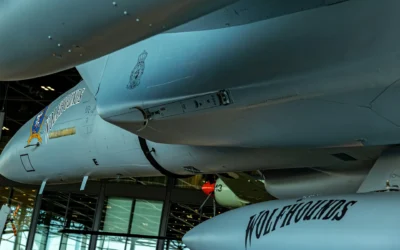
Environmental Risks in Military Storage and Operations

Environmental Risks in Military Storage and Operations

Humidity spikes, thermal stress, and airborne contaminants quietly erode stored military equipment. This article explains the key environmental threats and shows how Smart Fog’s precision, non-wetting humidification helps bases maintain stable conditions, reduce corrosion, and keep mission-critical systems ready to deploy.

read more
Environmental Control Strategies for Military Installations   

Environmental Control Strategies for Military Installations   

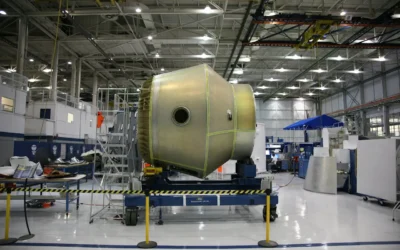
Environmental control in military installations is essential for protecting sensitive electronics, limiting corrosion, and reducing static risk. Stable humidity, temperature, and airflow coordination preserve infrastructure, extend equipment lifespan, and strengthen long-term operational readiness across diverse climates and secure facility zones.

read more
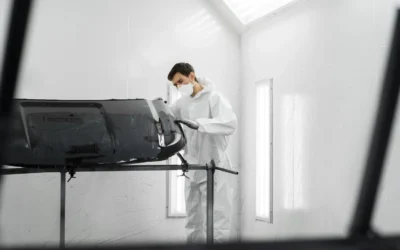
Common Environmental Causes of Paint Booth Failures

Common Environmental Causes of Paint Booth Failures

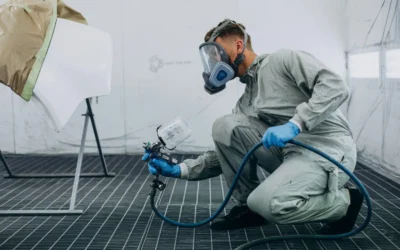
Paint booth defects often result from temperature shifts, humidity imbalance, static electricity, poor airflow, and contaminants. Controlling these factors helps ensure stable conditions, better adhesion, and consistent, high quality coating results.

read more
Choosing Humidifiers for Defense and Military Facilities

Choosing Humidifiers for Defense and Military Facilities

Defense and military facilities require stable humidity to protect mission-critical electronics, prevent corrosion in storage and hangars, and preserve spare equipment. Non-wetting precision humidification ensures uniform, reliable environmental control without surface condensation.

read more
How Static Electricity Damages Server Hardware

How Static Electricity Damages Server Hardware

Static electricity is a hidden threat in data centers, especially in low-humidity environments where electrostatic discharge can damage sensitive server components. This guide explains how ESD forms, which hardware is most affected, and how environmental control helps reduce long-term risk.

read more
How Humidity Control Prevents ESD in Server Rooms

How Humidity Control Prevents ESD in Server Rooms

Electrostatic discharge quietly damages server hardware in low-humidity environments. This guide explains how proper humidity control prevents static buildup, protects sensitive components, and supports long-term data center reliability and uptime.

read more
Environmental Control Strategies for Data Centers

Environmental Control Strategies for Data Centers

Effective environmental control is essential for modern data centers. Learn how temperature, humidity, airflow, and air quality strategies improve reliability, reduce energy use, and support long-term operational stability and sustainability.

read more