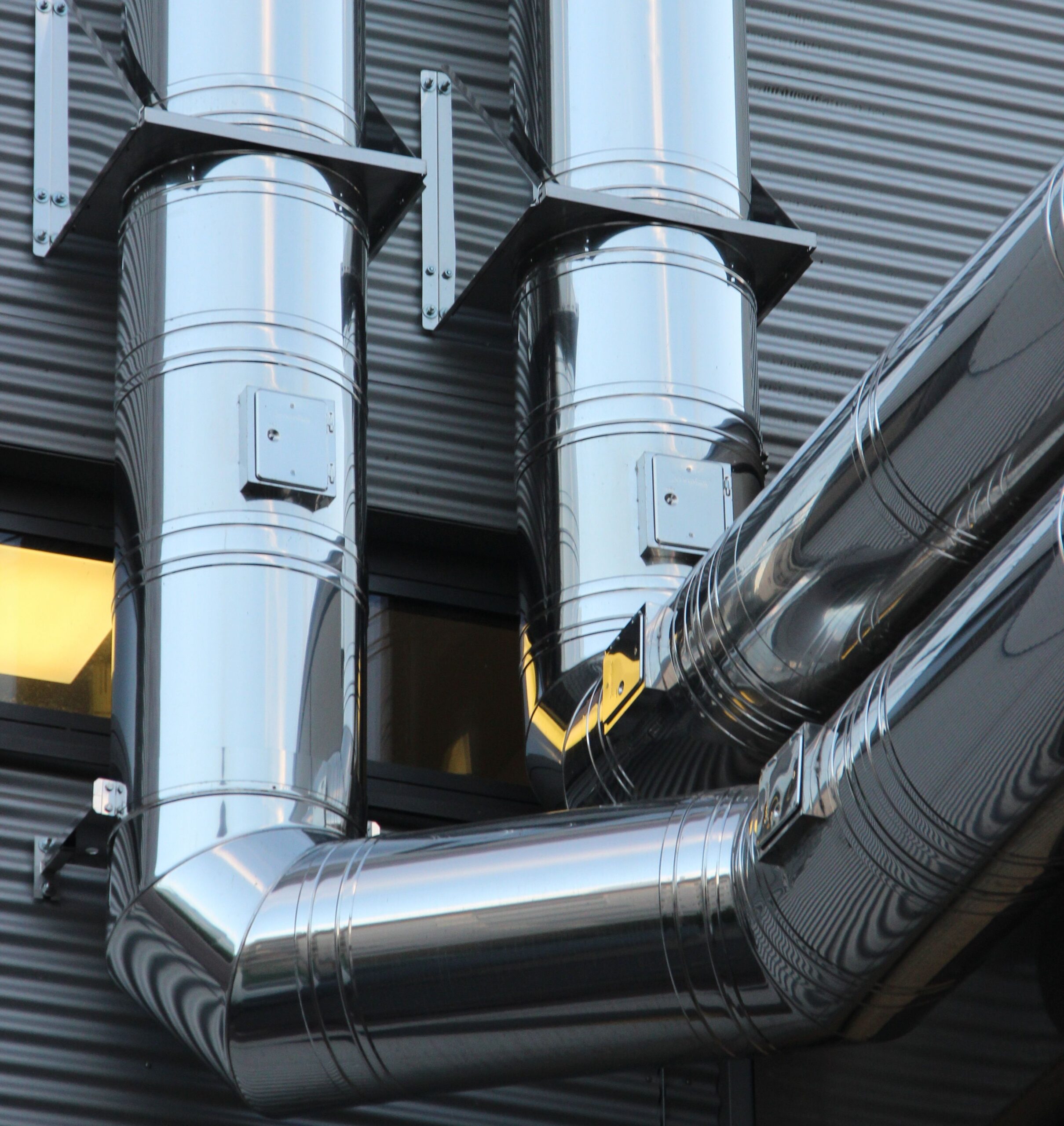



Medical grade humidifiers are designed for healthcare, pharmaceutical, and cleanroom environments where humidity control must meet strict contamination and compliance standards. These systems maintain precise humidity levels without creating surface moisture that could compromise sterile conditions or equipment safety.
Ido Goldstein
Chief Technology Officer at Smart Fog
Author
Ido Goldstein is a technology innovator with deep expertise in humidity engineering, climate control, and non-wetting fog systems. He has spent years advancing energy-efficient and water-smart solutions that help industries like cleanrooms, data centers, wineries, and greenhouses maintain precise environmental control.
Passionate about technology with real-world impact, Ido also supports sustainable agriculture initiatives and nonprofit innovation. Through this blog, he shares practical insights on HVAC advancements, indoor air quality, and the science behind high-performing environments.
Steam Humidifiers: How They Work, Pros, Cons, and Industrial Uses
Steam humidifiers generate sterile water vapor through electric or gas heating systems, making them suitable for industrial environments that require rapid humidity control and contamination-sensitive operation. While effective for cleanrooms and healthcare applications, they also involve higher energy use, more complex installation, and regular maintenance requirements.
Plant Humidifier: How to Choose the Right One for Indoor Plants and Greenhouses
Plant humidifiers help maintain the stable moisture levels indoor plants and greenhouse crops need for healthy growth, transpiration, and disease prevention. The right system depends on plant type, growing space size, and the level of humidity precision required for consistent cultivation.
Humidifiers for Hospitals and Healthcare Facilities: Compliance and Selection Guide
Hospital humidifiers must meet strict healthcare compliance standards for humidity control, infection prevention, and patient safety. Healthcare facilities rely on precision systems that maintain stable humidity levels without creating surface moisture or contamination risks in critical care environments.
Low Humidity Symptoms: Signs Your Air Is Too Dry
Low humidity symptoms appear when indoor air becomes too dry, affecting respiratory health, skin comfort, static electricity levels, and even equipment performance. Common signs include dry throat, irritated skin, static shocks, and material cracking, all of which indicate humidity levels have dropped below healthy indoor ranges.
How to Clean a Humidifier Properly (Industrial & Commercial Guide)
Industrial humidifier cleaning requires a very different approach from residential maintenance because commercial systems operate continuously, process far larger water volumes, and depend heavily on water quality and system design. Proper cleaning procedures help prevent mineral buildup, biofilm formation, airflow restrictions, and performance loss while extending equipment lifespan and reducing operational downtime. Understanding the correct maintenance schedule and cleaning process is essential for facilities that rely on stable humidity control for productivity, equipment protection, and indoor air quality.
How Does Humidity Affect Weather? Rain, Heat Index, and Comfort Explained
Humidity shapes weather by influencing atmospheric pressure, storm formation, heat index calculations, and the way the human body responds to temperature. Water vapor changes how air moves through the atmosphere, fuels precipitation systems, and affects perceived comfort by reducing the body’s ability to cool through sweat evaporation. Understanding these mechanisms explains why humid conditions can intensify storms, raise heat stress, and dramatically alter day-to-day weather patterns.
Can Humidity Cause Headaches? High and Low Humidity Explained
Both high and low humidity levels can trigger headaches, but the mechanisms behind them are very different. Dry air contributes to dehydration and sinus irritation, while excessive humidity affects breathing comfort, allergen growth, and atmospheric pressure sensitivity. Understanding how humidity influences the body helps explain why weather changes and indoor air conditions often play a direct role in headache frequency and severity.
In-Duct Humidifiers: How They Work and When to Choose One
In-duct humidifiers provide centralized humidity control by integrating directly with HVAC systems and distributing moisture through existing ductwork. These systems help maintain consistent humidity levels across large facilities while reducing the need for multiple standalone units.
How Does Humidity Affect Temperature and Why It Feels Hotter
Humidity affects how hot air feels because high RH slows sweat evaporation and raises the heat index. Learn why humid heat feels heavier and why RH control matters in industrial spaces.