

Relative humidity is the amount of moisture in the air compared with the maximum amount the air can hold at the same temperature. It is shown as a percentage, so 50% RH means the air is holding half of the moisture it could hold at that temperature, while 100% RH means the air is fully saturated and condensation can begin.
In facilities and growing environments, RH affects far more than comfort. It influences static control, product quality, material stability, mold risk, equipment performance, and crop health. This guide explains what relative humidity means in practical terms, how to read an RH percentage, and why precise control matters in commercial and industrial spaces.
Key Takeaways
- Relative humidity measures how much moisture is in the air compared with the maximum it can hold at that temperature.
- RH changes when temperature changes, even if the actual amount of moisture in the air stays the same.
- Low RH can increase static, drying, shrinkage, and product quality issues.
- High RH can raise the risk of condensation, mold, corrosion, and material damage.
- In facilities and grow environments, stable RH matters as much as hitting the target number.
- Different environments need different RH ranges, so the right target depends on the process, product, or crop.
- Accurate sensors and well-placed monitoring points are essential for reliable humidity control.
- Precision humidification and dehumidification systems help maintain consistent RH across the full space.
Relative Humidity: The Definition
Relative humidity describes how much water vapor is present in the air compared with the maximum amount the air can hold at the same temperature. That is why RH is always shown as a percentage rather than a raw moisture number.
What the Percentage Actually Means
An RH reading tells you how close the air is to saturation at its current temperature. If a space is at 40% RH, the air is holding 40% of the moisture it could hold before reaching saturation. If it reaches 100% RH, the air can no longer hold additional moisture in vapor form, and condensation may begin on cooler surfaces.
For facility managers and growers, that percentage is not just a comfort metric. It is a practical operating signal. A reading that looks acceptable in one environment may be too low for a greenhouse, too high for a cleanroom, or risky for paper storage and electronics production.
Relative Humidity vs Absolute Humidity
Relative humidity and absolute humidity are related, but they are not the same measurement. One explains how close the air is to saturation at its current temperature, while the other shows the actual amount of moisture present in the air.
Here is the practical difference:
- Relative humidity shows moisture as a percentage of the air’s capacity at a given temperature.
- Absolute humidity measures the actual mass of water vapor in a given volume of air.
- Relative humidity changes with temperature, even when the actual moisture content stays the same.
- Absolute humidity does not describe saturation risk, so it is less useful for day-to-day environmental control.
In practical environments, RH is usually the more useful number because it shows how the air behaves in real operating conditions. Materials, equipment, crops, and indoor processes respond to whether the air is relatively dry or close to saturation, not just to the total moisture mass in the space.
Why RH Changes with Temperature
RH changes with temperature because air’s moisture-holding capacity changes as the air warms or cools. When air gets warmer, it can hold more water vapor, which follows the relationship between temperature and vapor pressure. When air cools, its capacity shrinks, so the RH percentage rises even if the actual moisture content stays the same.
That is why the same room can show different RH readings at different times of day. It also explains why facilities and growing environments cannot rely on temperature control alone. If temperature shifts without humidity control, the RH reading can move out of range and create problems even when no new moisture enters the space.
Why Relative Humidity Matters in Facilities and Growing Environments
Relative humidity affects more than how a space feels. In facilities and growing environments, it influences material condition, equipment reliability, product quality, and the consistency of day-to-day operations.
What Happens When RH Is Too Low
Low RH creates dry-air conditions that make static buildup harder to control and reduce moisture stability in sensitive materials. This can cause problems in environments such as electronics manufacturing, printing, and storage, where dry conditions can interfere with reliable performance.
It can also lead to shrinkage, cracking, or other unwanted changes in materials that respond to moisture loss. In spaces that depend on precise environmental control, low humidity is not just a comfort issue. It can directly affect process stability and asset protection.
What Happens When RH Is Too High
High RH creates a different set of risks. When excess moisture remains in the air, the chances of condensation, corrosion, material damage, and mold growth in damp conditions become harder to control.
This is especially important in environments where cleanliness, equipment performance, or product condition depend on stable indoor air. In those spaces, too much humidity can be just as disruptive as air that is too dry, especially when it persists over time.
Why Stability Matters as Much as the Target Level
Reaching the right RH target is only part of the job. If humidity keeps rising and falling, materials can expand and contract, equipment can operate under changing conditions, and the environment becomes less predictable overall.
That is why stability matters as much as the number itself. Consistent RH helps protect sensitive assets, reduce avoidable variation, and support smoother long-term operation across the full facility or growing space.
Ideal Relative Humidity Ranges by Environment
There is no single RH target that works everywhere. The right range depends on what the environment is trying to protect, whether that is hardware, materials, products, packaging, or plant health.
That is why RH targets should match the real operational demands of the space.
Data Centers and Electronics Manufacturing
These environments need humidity control that aligns with recommended humidity ranges for data centers while also avoiding excess moisture around sensitive equipment. If RH falls too low, electrostatic discharge becomes harder to manage. If it rises too high, moisture-related issues such as corrosion become a bigger concern.
Stable RH is important because both ends of the range can affect hardware performance and long-term reliability. In spaces built around continuous uptime and sensitive electronics, consistency matters just as much as staying within range.
Pharmaceutical, Cleanroom, and Healthcare Facilities
These spaces rely on tightly controlled humidity because environmental consistency is closely tied to quality, cleanliness, and process control. RH fluctuations can affect sensitive materials, packaging, controlled conditions, and overall operational stability.
The key issue is not only hitting the target, but holding it steadily. In regulated or highly controlled environments, humidity variation can introduce avoidable inconsistency into processes that depend on repeatable conditions.
Cannabis Cultivation and Greenhouse Growing
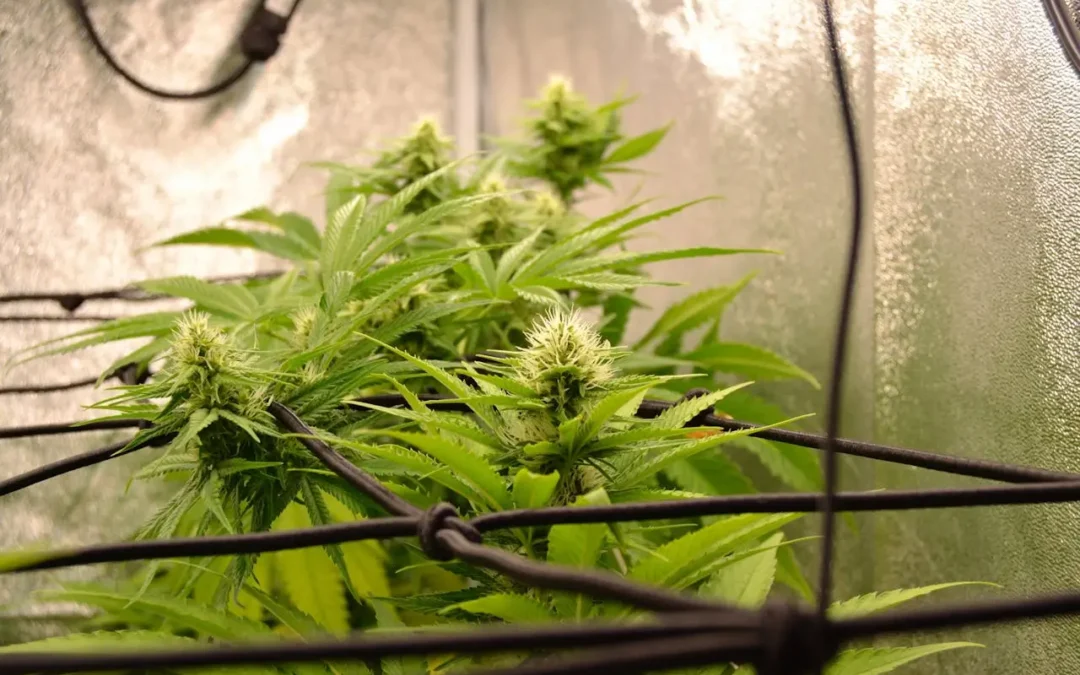
Growing environments depend on balanced RH to support plant health and maintain more predictable conditions through the growth cycle. Humidity affects how plants interact with their environment and how easily moisture-related stress or disease pressure can develop.
If RH stays too high, pathogen risk becomes harder to manage. If it stays too low, plants can experience greater stress. That is why growers focus on stable humidity rather than reacting only after visible problems appear.
Food Processing and Cold Storage
Food processing and cold storage facilities use humidity control to support product condition during storage, handling, and movement through the space. RH can influence freshness, texture, packaging performance, and the overall quality of stored goods.
In colder environments, moisture control becomes even more important because unwanted condensation can affect both products and equipment. Stable RH helps protect storage quality and supports more reliable long-term outcomes.
Here is a simple view of how RH priorities change by environment:
- Data centers and electronics manufacturing: Managed to reduce static risk while avoiding excess moisture around sensitive hardware.
- Pharmaceutical, cleanroom, and healthcare facilities: Controlled for environmental consistency, cleanliness, and process stability.
- Cannabis cultivation and greenhouse growing: Balanced to support plant health and reduce pathogen-related risk.
- Food processing and cold storage: Managed to support product quality, storage stability, and moisture control around goods and equipment.
In most of these settings, consistent RH control is more valuable than reacting only when conditions become a problem. The right range matters, but stable performance is what helps protect assets and maintain predictable operations over time.
How Relative Humidity Is Measured
Accurate RH control starts with accurate measurement. If the reading is wrong, the system response will also be wrong, which makes it harder to maintain stable conditions or understand how the space is actually performing.
That is why humidity monitoring is a core part of facility management.
Hygrometers and Humidity Sensors
Relative humidity is typically measured with hygrometers or digital humidity sensors. These devices detect moisture conditions in the air and provide the readings used to monitor how the environment is performing over time.
The right sensor depends on the level of accuracy, stability, and operating reliability the space requires. In most facilities, the goal is to use equipment that can produce dependable RH readings without creating unnecessary maintenance or frequent recalibration issues.
Here are some of the most common sensor types used in practice:
- Capacitive sensors: Widely used in facility environments because they offer strong accuracy, good stability, and reliable long-term performance.
- Resistive sensors: Often more cost-effective, though they may need closer attention to calibration and surrounding conditions.
- Thermal sensors: Used in more specialized applications where measurement requirements differ from standard room monitoring.
Where to Place Sensors in a Facility
Sensor placement matters just as much as sensor quality. Even a well-made device can give misleading readings if it is installed too close to supply vents, doors, or localized airflow that does not reflect the actual condition of the room.
For better monitoring, sensors should be placed where they can reflect normal air conditions within the occupied or controlled space. In many facilities, that means using representative areas of the room or process zone rather than corners, air paths, or isolated spots that create a false picture of RH.
A few practical placement guidelines help improve reading accuracy:
- Keep sensors away from HVAC supply vents and direct airflow.
- Avoid placing them next to exterior doors or other fast-changing air paths.
- Position them in representative areas of the room or process zone.
- Place them near critical equipment or controlled areas when those zones matter most.
- Avoid stagnant corners or locations that do not reflect normal room conditions.
Good RH measurement depends on both the right sensor and the right location. Together, those two factors create a clearer picture of humidity performance across the facility and make control decisions more reliable.
How Facilities Control Relative Humidity
Measurement tells you what the air is doing, but control is what keeps RH within the desired range. Once readings show that humidity is moving too high or too low, the facility needs a system that can correct conditions without creating wider instability. In commercial environments, poor control can lead to product defects, static buildup, condensation, material movement, and process inconsistency.
Humidification vs Dehumidification
Both systems control relative humidity, but they solve opposite problems.
- Humidification adds moisture when air becomes too dry. This is common during winter, in heated buildings, arid climates, or facilities bringing in large amounts of dry outside air.
- Dehumidification removes moisture when air becomes too humid. This is common in warm climates, high-occupancy buildings, wet processes, or spaces with poor ventilation.
The operational risks are different:
- Low humidity can increase static discharge, dry out materials, shrink wood or paper products, and stress plants.
- High humidity can create condensation, mold risk, corrosion, packaging damage, and slower drying processes.
Many facilities need both at different times of year. For example, a warehouse may need humidification in winter and moisture removal during summer. Effective control systems switch response based on sensor readings to keep RH stable year-round.
What Precision Humidity Control Looks Like in Practice
In commercial and industrial spaces, control quality is measured by how consistently the system holds the RH target across the full area. Precision humidity systems use accurate sensing, responsive output, and even distribution to reduce swings that can affect materials, equipment, crops, and process stability.
For example:
- Manufacturing: Prevents static discharge, warping, and moisture-related defects
- Warehousing: Protects packaging, paper goods, wood, and stored materials
- Grow facilities: Maintains stable transpiration and crop consistency
- Cleanrooms / labs: Supports environmental specifications and process repeatability
- Data centres / electronics: Reduces electrostatic discharge risk in dry conditions
Why Uniform Coverage Matters
A facility can show the correct RH on one sensor while other zones remain too dry or too humid. Stratification, airflow dead zones, open doors, and uneven distribution often create hidden problem areas. Strong humidity control depends on both accurate sensing and even moisture coverage across the usable space.
Summary
Relative humidity is one of the most important measurements for understanding indoor environmental conditions. It affects equipment protection, material stability, process consistency, and the overall reliability of controlled spaces.
That is why RH should be managed with both the right target range and stable performance over time. When facilities monitor humidity accurately and respond to changes early, they can maintain more predictable conditions and reduce moisture-related risk across critical environments.
For homes, RH often affects comfort. For facilities, warehouses, cleanrooms, grow rooms, and production environments, it affects uptime, product quality, material stability, and environmental consistency. For facilities and growing operations that need precise, stable relative humidity control, explore Smart Fog’s humidification systems.
FAQ
What is the primary difference between absolute humidity and relative humidity?
Absolute humidity measures the actual amount of water vapor in a given volume of air. Relative humidity is a percentage that compares that moisture to how much the air can hold at its current temperature.
Why does relative humidity affect indoor comfort and health?
When RH is too low, air can feel dry and irritating. When it stays too high, the environment becomes more favorable for mold, mildew, and other moisture-related indoor air quality problems.
What is Vapor Pressure Deficit (VPD) and why is it used in cannabis cultivation?
VPD measures the difference between the moisture pressure in the air and inside the plant. Growers use it to better understand plant transpiration and to manage growing conditions more precisely.
How does ASHRAE guide humidity control in data centers?
ASHRAE provides environmental guidance that helps data centers manage humidity in a way that reduces static risk while also avoiding moisture-related problems around sensitive IT equipment and hardware.
What are the risks of humidity fluctuations in pharmaceutical cleanrooms?
Humidity swings can affect material stability, packaging performance, and process consistency. In cleanroom and pharmaceutical environments, stable RH is important because variation can create avoidable operational risk.
What is the difference between capacitive and resistive humidity sensors?
Capacitive sensors are often chosen for strong accuracy and stable long-term performance. Resistive sensors can be more cost-effective, but they may need closer attention depending on the environment and application.