

Maintaining a controlled cleanroom environment requires constant precision and environmental stability. Many industries rely on strict airflow, temperature, and humidity control to protect sensitive manufacturing processes and maintain product safety.
Even small environmental changes can compromise contamination control and trigger regulatory compliance failures. Identifying the environmental conditions that cause instability helps facilities prevent production delays and maintain reliable cleanroom performance.
Key Takeaways
- Environmental fluctuations can disrupt air quality and contamination control standards.
- Continuous monitoring helps detect problems before production shutdowns occur.
- Contamination control requires evaluating both environmental and operational risks.
- Regulatory compliance depends on stable temperature and humidity conditions.
- Proper HVAC performance supports clean airflow and environmental stability.
- Preventive maintenance reduces the likelihood of compliance failures.
Understanding Cleanroom Compliance and Environmental Control Requirements
Cleanroom facilities must maintain strict environmental and humidity control to protect sensitive manufacturing and research processes. Even small variations in air quality, temperature, or humidity can increase contamination risks and disrupt production stability.
What Cleanroom Compliance Means Under ISO and Regulatory Standards
Cleanroom compliance follows internationally recognized standards that define acceptable contamination limits. Standards such as ISO 14644 establish classification systems, monitoring procedures, and testing requirements for controlled environments.
Regulatory authorities also enforce these standards through inspections and operational guidelines. Facilities that maintain strong environmental monitoring, cleanroom humidity control, and contamination control procedures can avoid regulatory violations and maintain operational reliability.
Several requirements define cleanroom compliance under regulatory standards.
- Classifying cleanrooms according to airborne particle concentration limits.
- Implementing contamination prevention procedures.
- Monitoring environmental conditions such as temperature, humidity, and airflow.
Role of Environmental Stability in Maintaining Cleanroom Certification
Environmental stability plays a critical role in maintaining cleanroom certification and contamination control. Stable temperature, humidity, and airflow conditions help reduce particle activity and prevent contamination during production.
Consistent environmental control also protects sensitive materials and equipment used in cleanroom environments. Facilities that maintain stable environmental parameters support reliable operations and regulatory compliance.
Several infrastructure elements support environmental stability in controlled environments.
- HVAC systems that regulate temperature and humidity.
- High-efficiency air filtration systems such as HEPA and ULPA filters.
- Cleanroom layouts designed to minimize contamination risks.
Temperature and Humidity Imbalances as Major Compliance Failure Factors
Cleanroom environments require precise temperature and humidity control to maintain contamination standards. Environmental imbalances can disrupt airflow stability, increase particle activity, and affect the behavior of sensitive materials.
Effects of Low Humidity on Static Electricity and Particle Contamination
Low humidity significantly increases the risk of static electricity generation inside cleanrooms. Dry air reduces the ability of electrical charges to dissipate, allowing static energy to accumulate on surfaces and equipment.
Static electricity can create problems with airborne particles and damage sensitive electronic components. These conditions can interfere with contamination control and reduce manufacturing reliability.
Low humidity conditions can create several operational risks.
- Static electricity damage to sensitive equipment and components.
- Increased particle contamination caused by electrostatic attraction.
- Deterioration or cracking of materials exposed to dry air.
High Humidity, Condensation, and Microbial Growth Risks
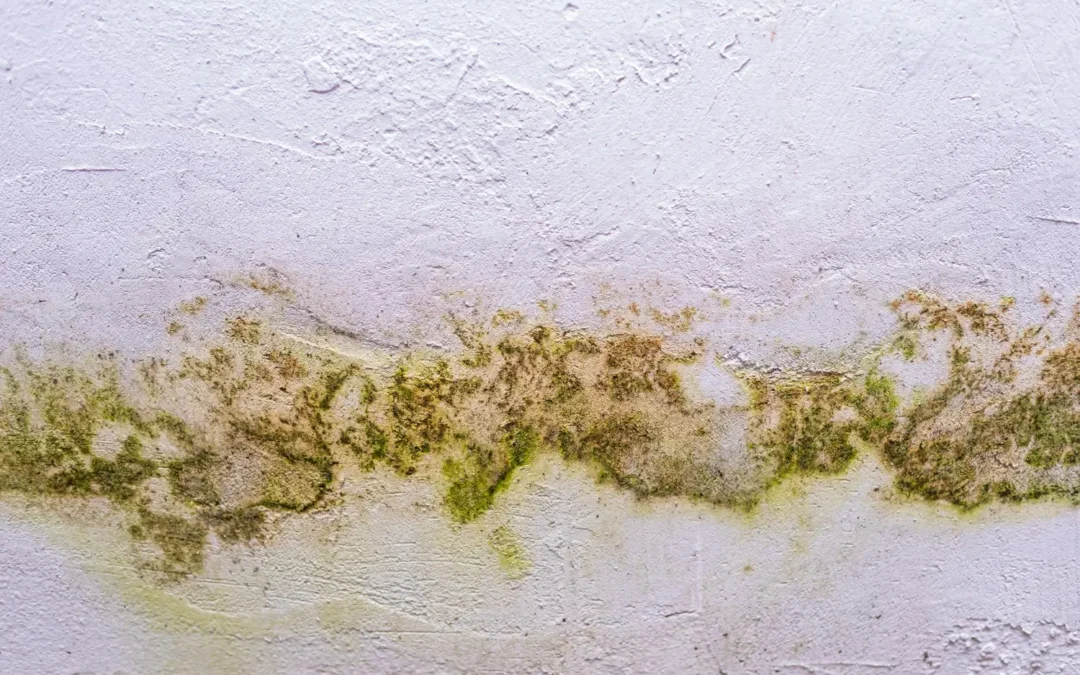
High humidity can also create significant problems in controlled environments. Excess moisture may cause condensation on surfaces, which can damage equipment and disrupt cleanroom stability.
Moist conditions can also encourage microbial growth that threatens contamination control standards. Facilities must carefully manage humidity levels to prevent contamination and maintain product quality.
High humidity conditions may lead to several operational problems.
- Condensation that interferes with equipment performance.
- Microbial growth that increases contamination risks.
- Degradation of materials used in cleanroom environments.
Air Quality and Filtration Issues Leading to Cleanroom Non-Compliance
Air quality plays a critical role in maintaining contamination control within cleanroom environments. Failures in filtration systems or airflow management can quickly increase particle levels and compromise regulatory compliance.
HEPA and ULPA Filtration Failures and Particle Increases
HEPA and ULPA filters are designed to remove airborne particles and maintain strict cleanroom standards. When filtration systems fail or lose efficiency, particle counts can rise and disrupt contamination control.
Filtration failures may occur when filters are damaged, improperly installed, or not maintained according to inspection schedules. These problems allow contaminated air to bypass the filtration system and enter the cleanroom.
Several issues commonly contribute to filtration failures in controlled environments.
- Filter integrity breaches: Damaged filters or leaks allow unfiltered air to pass through the system.
- Inadequate filter maintenance: Lack of regular inspection reduces filtration efficiency.
- Incorrect filter installation: Improper installation can compromise filtration performance.
Poor Airflow, Pressure Imbalances, and Contamination Spread
Airflow and pressure control are essential for maintaining cleanroom contamination boundaries. Proper airflow helps remove particles and prevents contaminants from spreading across controlled areas.
When airflow patterns are disrupted or pressure levels become unstable, contaminants can move into cleaner zones. These conditions increase particle levels and raise the risk of regulatory non-compliance.
Several airflow and pressure problems commonly affect cleanroom environments.
- Airflow disruptions: Irregular airflow can redistribute particles throughout the facility.
- Pressure imbalances: Incorrect pressure differences may allow contaminated air to enter controlled areas.
- Contamination spread: Uncontrolled airflow allows particles to move between cleanroom zones.
Maintaining filtration systems and monitoring airflow conditions helps prevent these contamination risks.
Environmental Monitoring and Documentation Failures
Environmental monitoring ensures that cleanroom conditions remain within required regulatory limits. When monitoring systems fail or documentation is incomplete, facilities may lose visibility into environmental changes that threaten compliance.
Gaps in Continuous Environmental Monitoring and Calibration
Continuous monitoring systems detect changes in environmental conditions that could affect contamination control. When monitoring gaps occur, facilities may not detect environmental deviations until they have already affected product quality.
Calibration of monitoring equipment is equally important because inaccurate sensors can produce misleading environmental data. Reliable monitoring systems, particularly those integrated with a humidity control system, depend on regular calibration and maintenance.
Several monitoring failures can increase compliance risks.
- Irregular calibration schedules: Sensors may produce inaccurate readings.
- Monitoring interruptions: Environmental changes may go undetected.
- Equipment malfunction: Faulty monitoring devices can produce unreliable data.
Incomplete Data Logging and Compliance Documentation
Accurate documentation provides proof that a facility maintains proper cleanroom conditions. Without reliable records, facilities may struggle to demonstrate compliance during inspections or audits.
Incomplete data logging can also make it difficult to identify environmental trends or investigate contamination events. Proper documentation helps operators maintain accountability and regulatory transparency.
Several documentation issues commonly create compliance risks.
- Missing monitoring records: Environmental deviations may go unnoticed.
- Incomplete calibration documentation: Data accuracy cannot be verified.
- Poor data logging practices: Facilities may fail regulatory audits due to insufficient records.
Facility Design and Infrastructure-Related Environmental Risks
Cleanroom performance depends heavily on facility design and infrastructure stability. Poor infrastructure planning can disrupt airflow, temperature balance, and contamination control, leading to compliance failures.
HVAC System Limitations
The HVAC system maintains environmental stability by controlling temperature, humidity, airflow, and pressure levels inside the cleanroom. When the system is poorly designed or undersized, environmental conditions may fluctuate and compromise contamination control.
Inadequate airflow distribution or unstable pressure differences can allow contaminants to move between areas of different cleanliness levels. These issues can disrupt cleanroom stability and increase compliance risks.
Several HVAC limitations can create environmental instability.
- Insufficient HVAC capacity: Systems that cannot support environmental loads may cause temperature and humidity fluctuations.
- Unstable airflow patterns: Poor airflow design can allow particle accumulation within controlled areas.
- Pressure control failures: Inconsistent pressure levels may allow contaminated air to enter cleaner zones.
Poor Zoning and Layout
Cleanroom zoning separates areas based on contamination control requirements. Proper zoning prevents cross-contamination and helps maintain environmental segregation between controlled spaces.
Inefficient layouts or poor zoning strategies can increase personnel traffic, disrupt airflow patterns, and allow contaminants to spread between zones. These design flaws can make it difficult to maintain stable environmental conditions.
Several infrastructure design issues can increase contamination risks.
- Improper zoning design: Mixing areas with different cleanliness levels increases contamination risk.
- Inefficient facility layout: Unnecessary personnel or material movement disrupts environmental stability.
- Weak contamination barriers: Poor separation between zones allows contaminants to migrate across spaces.
Human and Operational Factors in Cleanroom Compliance Failures
Operational procedures and human behavior play an important role in maintaining cleanroom stability. Even well-designed facilities can experience compliance failures when operational practices introduce contamination risks.
Improper Procedures, Training Gaps, and Handling Practices
Personnel are one of the most common sources of contamination inside cleanroom environments. When employees lack proper training or fail to follow established procedures, they may unintentionally introduce particles into controlled spaces.
Improper use of protective clothing, incorrect material handling, or failure to follow operational procedures can increase contamination levels. Consistent training programs help ensure that staff understand and follow proper cleanroom practices.
Several operational gaps commonly contribute to contamination risks.
- Improper gowning procedures: Personnel may introduce particles if garments are worn incorrectly.
- Failure to follow SOPs: Incorrect material transfer or handling can introduce contaminants.
- Insufficient operational training: Improper equipment use increases contamination risks.
Operational Activities That Disrupt Environmental Stability
Routine operational activities can also disturb cleanroom environmental stability. Maintenance work, material transfers, and frequent personnel movement may generate particles or disrupt airflow patterns.
Careful scheduling and controlled access procedures help reduce these risks. Facilities that manage operational activities carefully can maintain stable cleanroom conditions.
Several operational practices help reduce environmental disruption.
- Scheduling high-risk activities during low production periods.
- Maintaining strict cleaning and disinfection routines.
- Using automated monitoring systems to track environmental conditions.
Best Practices for Preventing Cleanroom Compliance Failures
Preventing cleanroom compliance failures requires consistent environmental control and disciplined operational practices. Facilities that combine monitoring, infrastructure planning, and proper procedures can maintain stable conditions and reduce contamination risks.
Maintaining Stable Environmental Conditions and Monitoring
Stable environmental conditions are essential for maintaining cleanroom compliance and contamination control. Continuous monitoring of temperature, humidity, and air quality helps facilities detect small environmental deviations before they affect operations.
Reliable monitoring systems provide early warnings when environmental parameters move outside acceptable limits. This allows facility operators to respond quickly and restore stable conditions, often through adjustments in the humidification system and other environmental controls.
A strong environmental monitoring program typically includes the following elements.
- Continuous monitoring of temperature and humidity conditions.
- Particle counting and air quality assessments.
- Regular calibration and maintenance of monitoring equipment.
Coordinating Facility Design, Operations, and Compliance Protocols
Cleanroom compliance also depends on coordination between facility design, operational procedures, and regulatory requirements. When infrastructure and operational practices align with compliance standards and defined humidity requirements, facilities can maintain environmental stability more effectively.
Operational procedures must support contamination control and maintain environmental balance during daily activities. Consistent training and well-defined procedures help ensure that personnel follow cleanroom protocols correctly.
Several operational strategies help reduce compliance risks.
- Designing cleanroom layouts that support controlled airflow and contamination barriers.
- Implementing standard operating procedures aligned with regulatory standards.
- Providing regular training on cleanroom protocols and contamination control.
Final Thoughts on Environmental Causes of Cleanroom Compliance Failures
Environmental instability remains one of the most common causes of cleanroom compliance failures. Temperature and humidity imbalances, filtration issues, and infrastructure limitations can quickly disrupt contamination control and compromise regulatory compliance.
Stable humidity is a foundational element of consistent environmental control in cleanrooms. Smart Fog provides a non-wetting humidification system that uses self-evaporating droplets to maintain uniform humidity without wetting surfaces or equipment, helping facilities keep indoor conditions stable and predictable.
FAQ
What are the most common cleanroom problems that lead to regulatory non-compliance?
Regulatory non-compliance often occurs when environmental conditions such as temperature, humidity, or airflow are not consistently controlled. Equipment failures, poor operational procedures, or deviations from ISO and regulatory standards can quickly compromise cleanroom integrity.
How does a failure in HVAC systems affect cleanroom performance?
HVAC systems maintain filtration, airflow, and pressure balance inside cleanrooms. When filters fail or airflow becomes unstable, airborne particles increase and contaminants may enter the controlled environment.
Why is maintaining specific temperature and humidity levels essential for contamination control?
Temperature and humidity influence particle behavior, microbial growth, and static electricity inside cleanrooms. Maintaining stable environmental conditions helps reduce contamination risks and protects sensitive manufacturing processes.
What role does improper gowning play in cleanroom contamination?
Personnel are a major source of contamination in cleanroom environments. Improper gowning or damaged garments can release particles such as skin cells, fibers, and hair into controlled spaces.
How can monitoring systems provide real-time protection against environmental deviations?
Environmental monitoring systems track parameters such as particle counts, pressure levels, temperature, and humidity. Real-time data allows facility managers to detect deviations early and correct conditions before contamination risks increase.
How do cleaning procedures and residue impact the sterility of a certified cleanroom?
Improper cleaning procedures or unsuitable chemicals can leave residues or introduce contaminants into the environment. Validated cleaning protocols help ensure surfaces remain free from particles, microbes, and chemical buildup.