

Creating a safe space for recovery involves more than just medicine. Modern healthcare facilities must manage invisible factors that impact patient health every day. Managing the moisture levels within a building is a vital part of this process.
Effective humidity control helps stop the spread of harmful germs and bacteria. It also protects expensive medical tools from sudden damage. Most healthcare settings rely on advanced hvac systems to keep the relative humidity at a safe range.
When these levels stay stable, patient outcomes often improve significantly. Maintaining a balanced atmosphere ensures that every person stays safe during a stay. This guide explores the vital role of air quality for professional medical teams.
Key Takeaways
- Controlled humidity supports infection prevention strategies.
- Stable indoor conditions protect sensitive electronic medical equipment.
- HVAC manages airflow and temperature, but humidity requires dedicated control.
- Recommended ranges typically fall between 40 percent and 60 percent in general care areas.
- Balanced humidity reduces electrostatic discharge in clinical environments.
- Environmental stability strengthens overall safety standards for staff and patients.
The Importance of Humidity Control in Healthcare Settings
Humidity control plays a vital role in healthcare environments, directly impacting patient recovery and safety. Effective management of indoor humidity levels is essential for creating a stable environment that promotes patient well-being and reduces the risk of hospital-acquired infections.
How Indoor Humidity Influences Patient Exposure and Recovery Conditions
Relative humidity influences how airborne particles behave inside enclosed clinical environments. Certain pathogens remain viable longer in very dry conditions, while excessive humidity can encourage microbial growth on surfaces and in ventilation systems.
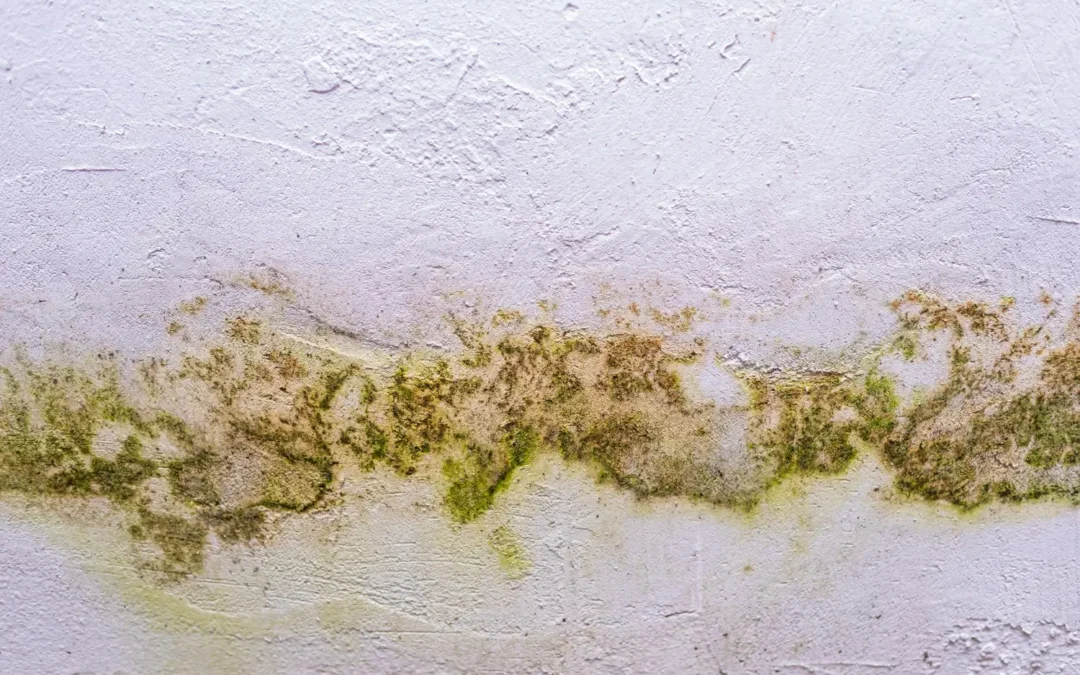
Humidity levels outside recommended limits can create risks. Excessively dry air may increase static discharge and mucosal irritation. Excess moisture can promote mold growth and compromise sterile storage.
Environmental Stability as a Core Component of Clinical Care
Environmental stability is foundational to safe hospital operations. Temperature and humidity must work together to maintain reliable indoor conditions.
- Temperature and Humidity Coordination: Consistent control protects patient comfort while preserving the integrity of medical supplies and equipment.
- Indoor Air Quality Management: Balanced humidity reduces airborne particulate suspension and supports controlled ventilation strategies.
- Laboratory and Pharmaceutical Storage: Pharmaceutical compounds and laboratory samples require stable humidity conditions to maintain packaging integrity and performance reliability.
By maintaining controlled humidity within established guidelines, healthcare facilities strengthen infection prevention programs and protect both patients and infrastructure.
How Hospital Humidity Affects Infection Control and Airborne Pathogens
In hospital environments, humidity plays a measurable role in how airborne contaminants behave. Infection prevention is not influenced by ventilation alone. Relative humidity directly affects particle suspension, microbial stability, and electrostatic conditions inside clinical spaces.
Role of Relative Humidity in Pathogen Survival and Transmission
Relative humidity affects how long some airborne pathogens remain viable and how long respiratory droplets stay suspended in the air. In very dry conditions, smaller particles may remain airborne longer, increasing the likelihood of inhalation. In excessively humid environments, surface moisture can support microbial persistence on materials and equipment.
Research indicates that moderate humidity ranges may reduce environmental stability for certain pathogens compared to extreme low or high humidity conditions. For this reason, hospitals aim to maintain controlled moisture levels rather than allowing wide fluctuations.
Humidity also influences electrostatic behavior. Dry air increases static discharge potential, which can disrupt sensitive medical equipment and attract airborne particles to surfaces.
Moisture Balance and Airborne Contaminant Behaviour in Hospitals
Achieving moisture balance inside clinical environments requires more than ventilation. It involves maintaining relative humidity within recommended ranges to prevent both excessive dryness and excess moisture.
Balanced humidity supports:
- Controlled airborne particle behavior
- Reduced electrostatic discharge risk
- Protection of sterile surfaces and packaging
- Stable environmental conditions in critical care areas
Humidity control must work in coordination with air filtration and pressure control systems. Patient rooms, operating theaters, isolation rooms, and pharmaceutical storage areas may each require slightly different environmental tolerances.
Recommended Humidity Levels for Hospitals and Clinical Environments
Maintaining appropriate humidity levels is essential for environmental stability across healthcare facilities. Recommended ranges vary slightly depending on the clinical function of each area. Environmental control should be guided by recognized healthcare standards and facility-specific risk assessments.
Ideal Relative Humidity Ranges for Patient Rooms, ICUs, and ORs
Although institutional requirements may differ, commonly referenced ranges include:
- Patient rooms are typically maintained within a relative humidity range of 30% to 60%.
- ICUs are typically maintained within a relative humidity range of 30% to 60%.
- Operating rooms are typically maintained within a relative humidity range of 20% to 60%.
Patient rooms and intensive care units typically aim for moderate humidity to balance comfort, infection prevention support, and equipment protection. Operating rooms may operate within broader allowable ranges depending on surgical requirements and regulatory standards.
Healthcare Guidelines and Environmental Control Standards
Healthcare humidity recommendations are informed by established environmental standards and infection control guidance. These include:
- ASHRAE standards for healthcare ventilation and environmental control.
- CDC recommendations related to infection prevention in healthcare facilities.
- Joint Commission environmental safety requirements.
These frameworks emphasize environmental stability rather than extreme humidity conditions. The goal is consistent control that minimizes environmental variability.
By aligning humidity management with recognized healthcare standards, hospitals support safer indoor environments for patients, staff, and critical equipment.
Risks of Low Humidity in Hospital Indoor Environments
Low humidity in hospital settings can have detrimental effects on both patients and staff. When the air is too dry, it can lead to a range of issues that compromise patient care and safety.
Respiratory Irritation and Mucosal Vulnerability
When indoor air becomes too dry, mucosal membranes in the respiratory tract may lose moisture, reducing their effectiveness as a protective barrier. This can increase irritation and discomfort, particularly for vulnerable or immunocompromised patients.
Potential impacts of prolonged low humidity include:
- Increased respiratory irritation
- Reduced effectiveness of natural mucosal defense
- Greater sensitivity in patients with preexisting respiratory conditions
Static Electricity and Its Impact on Sensitive Medical Equipment
Dry air significantly increases electrostatic charge buildup on flooring, equipment, and surfaces. Electrostatic discharge can interfere with diagnostic accuracy and damage sensitive electronic components in critical care environments.
Operational risks associated with static buildup include:
- Disruption of monitoring systems
- Damage to imaging and diagnostic electronics
- Increased maintenance and equipment replacement costs
By understanding these risks, hospitals can take proactive steps to maintain optimal humidity levels, ensuring a safer environment for patients and staff alike.
Risks of High Humidity in Hospital Facilities
Excess humidity introduces a separate set of environmental risks that can affect both patient safety and infrastructure. Elevated moisture levels may compromise sterile conditions and strain building systems.
Hospitals must prevent prolonged high humidity to maintain safe operating conditions.
Mold Growth and Indoor Air Quality Issues
When relative humidity consistently exceeds recommended levels, surface moisture and condensation may develop in walls, ceilings, and ventilation systems. These conditions can support mold growth and microbial persistence.
Environmental concerns linked to high humidity include:
- Mold development on building materials
- Reduced indoor air quality
- Increased contamination risk in patient care areas
Effects on Sterile Storage and Medical Supply Integrity
High humidity can weaken sterile packaging materials and increase the likelihood of moisture infiltration. Pharmaceutical products and surgical supplies stored in uncontrolled conditions may experience reduced shelf stability.
Risks to storage integrity include:
- Compromised sterile packaging
- Degradation of moisture-sensitive medications
- Reduced reliability of stored medical supplies
Impact of Humidity on Hospital Equipment and Sterile Environments
Humidity directly influences the performance of critical medical equipment and the integrity of sterile environments. Both excessive dryness and excess moisture can compromise operational reliability and supply sterility. Controlled humidity is therefore essential for maintaining safe and stable clinical conditions.
Environmental Influence on Imaging, Monitoring, and Diagnostic Equipment
Imaging, monitoring, and diagnostic systems are highly sensitive to environmental fluctuations, including humidity. Both high and low humidity levels can affect internal components, electrical stability, and long-term equipment reliability. Maintaining stable moisture levels supports consistent performance and reduces preventable system failures.
Key equipment affected by humidity include:
- Imaging equipment such as MRI and CT scanners.
- Monitoring equipment used in ICUs and patient rooms.
- Diagnostic systems including ventilators and ultrasound machines.
Environmental impacts by equipment type:
Imaging Equipment
- High humidity: Internal moisture accumulation and corrosion risk.
- Low humidity: Increased static discharge affecting electronics.
Monitoring Equipment
- High humidity: Component degradation from prolonged moisture exposure.
- Low humidity: Elevated electrostatic interference.
Diagnostic Equipment
- High humidity: Reduced measurement accuracy due to condensation.
- Low humidity: Greater mechanical and electrical instability.
Packaging Integrity in Sterile Storage and Pharmaceutical Areas
Sterile storage and pharmaceutical areas require stable humidity to preserve packaging integrity and product reliability. Excess moisture can weaken packaging materials and increase contamination risk. Controlled environmental conditions help maintain long-term supply integrity.
Best practices for protecting storage integrity include:
- Maintaining relative humidity within recommended 30–60% ranges.
- Using moisture-resistant packaging materials.
- Continuously monitoring environmental conditions.
Monitoring and Maintaining Humidity in Healthcare Facilities
Effective humidity management depends on continuous monitoring and proactive environmental control. Maintaining stable conditions supports infection prevention strategies and protects high-value medical infrastructure. Environmental stability must be verified, not assumed.
Sensors and Continuous Environmental Monitoring
Advanced sensors provide real-time visibility into humidity levels across clinical zones. These systems allow facilities teams to detect deviations early and coordinate adjustments with healthcare humidifier systems and HVAC infrastructure. Integrated monitoring strengthens environmental control strategies and helps maintain stable indoor conditions that support infection control and equipment protection.
Core components of effective monitoring include:
- Real-time humidity tracking
- Early alerts for out-of-range conditions
- Integration with building management systems for automated correction
Documentation and Compliance Requirements
Healthcare facilities must document environmental conditions to demonstrate compliance with regulatory standards. Accurate records validate infection prevention measures and equipment protection protocols. Structured documentation also supports audit readiness.
Key compliance practices include:
- Maintaining detailed humidity monitoring logs.
- Regular calibration and inspection of sensors.
- Training personnel on environmental control procedures.
Best Practices for Maintaining Stable Humidity in Healthcare Facilities
Healthcare facilities must prioritize humidity control to maintain environmental stability and support infection prevention programs. Effective humidity management is critical for ensuring a safe and healthy environment for patients, staff, and visitors.
Routine Monitoring, Maintenance, and Calibration Protocols
Stable humidity requires structured monitoring and disciplined maintenance programs. Environmental drift can occur gradually, so systems must be calibrated and verified regularly.
Key components of an effective monitoring program include:
- Regular calibration of humidity sensors to ensure measurement accuracy.
- Continuous monitoring in critical areas such as patient rooms, ICUs, and operating rooms.
- Automated alerts when humidity moves outside defined parameters.
Maintenance responsibilities should include:
- Quarterly calibration of environmental sensors.
- Bi-annual inspection of HVAC systems.
- Monthly inspection and servicing of humidification or dehumidification equipment.
Supporting Infection Prevention Programs Through Environmental Stability
Humidity stability supports broader infection prevention strategies by limiting environmental variability. Extreme dryness or excess moisture can complicate contamination control efforts and impact sterile areas.
Environmental stability helps support:
- Reduced airborne particle suspension in overly dry air.
- Prevention of moisture accumulation that may encourage mold growth.
- Protection of sensitive medical equipment from humidity-related stress.
By integrating humidity control into environmental risk management programs, healthcare facilities strengthen operational resilience.
Final Thoughts on Why Humidity Matters in Hospital Clinical Environments
Humidity control is a core component of environmental management in healthcare facilities. Maintaining controlled relative humidity protects equipment reliability, supports infection prevention efforts, and contributes to stable clinical conditions. Environmental stability must be engineered and continuously verified.
While HVAC systems regulate airflow and temperature, precision humidification provides controlled moisture stability within clinical environments. Maintaining consistent humidity levels helps reduce electrostatic discharge risk and supports predictable environmental performance across clinical spaces.
For healthcare facilities evaluating humidity control solutions, Smart Fog provides a precision humidification system that uses self-evaporating droplets to maintain consistent indoor humidity without surface moisture risk across clinical environments.
FAQ
Why is consistent humidity control essential in healthcare facilities?
Consistent humidity control supports environmental stability in patient care areas. Properly managed moisture levels help protect medical equipment, preserve sterile storage conditions, and support infection prevention strategies. Stable humidity reduces environmental variability that can compromise safety.
How do humidity levels impact infection control and the spread of airborne pathogens?
Relative humidity influences how airborne particles behave and how long certain pathogens remain viable. Maintaining moderate humidity ranges, often referenced between 40% and 60% in general care areas, supports balanced indoor conditions.
What are the risks of low humidity for patients and medical devices?
Excessively dry air can irritate respiratory passages and reduce natural mucosal barrier effectiveness. Low humidity also increases electrostatic discharge, which may interfere with monitoring systems and sensitive electronics.
What complications arise from high humidity levels in a hospital setting?
Elevated humidity can promote surface moisture and create conditions that support mold growth. Excess moisture may also compromise sterile packaging and moisture-sensitive pharmaceuticals. Controlled humidity prevents prolonged damp conditions that threaten environmental integrity.
What is the ideal relative humidity within operating rooms and clinical clean rooms?
Healthcare guidelines commonly allow relative humidity ranges between 20% and 60% in operating rooms and controlled clinical areas. General patient care spaces often aim for narrower mid-range stability. Specific targets depend on regulatory standards and facility design requirements.
How does the HVAC system manage temperature and humidity to ensure occupant comfort?
HVAC systems regulate airflow and temperature while coordinating with humidification or dehumidification equipment to maintain balance. Because relative humidity shifts as temperature changes, moisture control must operate in coordination with cooling systems.