

Aerospace manufacturing operates within extremely tight tolerances where environmental conditions directly influence product quality. Relative humidity plays a central role in how materials behave during machining, bonding, curing, electronics assembly, and surface finishing.
When humidity levels fluctuate, materials can absorb or release moisture, static buildup can increase, and dimensional accuracy can shift. Maintaining stable, uniform humidity across production areas helps protect material integrity, reduce electrostatic discharge risk, and support consistent manufacturing performance without creating surface condensation.
Key Takeaways
- Stable relative humidity is critical for aerospace component quality.
- Proper humidity management reduces corrosion and electrostatic discharge risk.
- Uniform, non-wetting humidification supports dimensional accuracy.
- Fluctuations in humidity can affect material performance and reliability.
- Consistent environmental control strengthens production standards.
Role of Environmental Stability in Aerospace Manufacturing
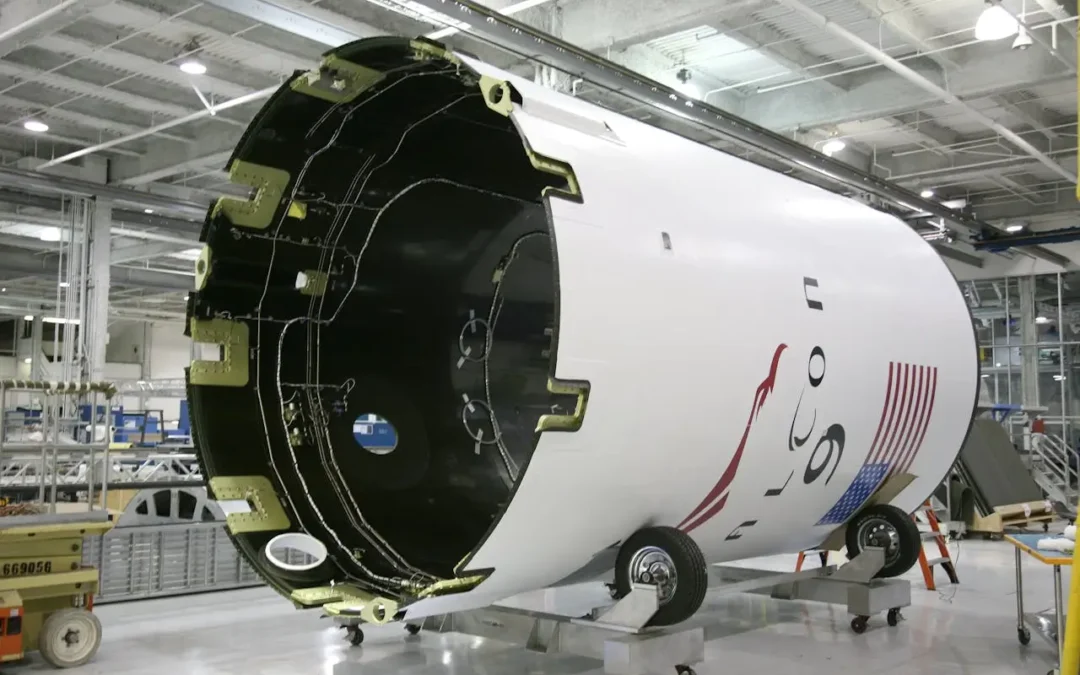
Environmental stability is fundamental to dimensional accuracy and production consistency in aerospace manufacturing. Many manufacturing steps, including composite layup, machining, assembly, and finishing, are directly influenced by humidity levels.
How Humidity Influences Precision and Dimensional Accuracy
Humidity influences precision because many aerospace materials respond to moisture exposure. Moisture absorption can cause expansion, contraction, or changes in mechanical properties, leading to deviations from specified tolerances.
For example:
- Composite materials may warp or deform due to uneven moisture absorption.
- Metals may corrode or experience surface changes in persistently high humidity.
Maintaining stable humidity levels helps ensure that components consistently meet strict dimensional specifications. Effective humidity control in aerospace environments supports dimensional stability by regulating moisture levels in the air while preventing condensation on surfaces through precision humidification and humidity management systems.
Moisture Variability and Production Consistency Challenges
Fluctuations in humidity create production challenges that may not be immediately visible but affect long-term reliability. Inconsistent moisture levels can result in:
- Variations in material properties that impact strength and durability.
- Increased defect risk, including delamination or corrosion.
- Production delays and higher rework rates when components fall outside tolerance.
To reduce these risks, aerospace manufacturers implement structured environmental control strategies that maintain stable humidity throughout production. Uniform, non-wetting humidification supports consistent moisture distribution without creating localized wet areas, helping facilities maintain production consistency and overall product quality.
Effects of Humidity on Aerospace Materials
During manufacturing, storage, and operation, materials are exposed to varying environmental conditions, and moisture can directly influence their mechanical behavior and structural stability.
Even subtle shifts in humidity can alter how materials respond during curing, machining, bonding, and assembly.
Moisture Absorption in Composite Materials and Resin Systems
Composite materials and resin systems are widely used in aerospace applications because of their strength-to-weight efficiency and fatigue resistance. However, these materials are susceptible to moisture absorption, which can affect their internal structure and performance.
Moisture absorption can cause:
- Swelling and plasticization of the resin matrix.
- Reduction in strength and stiffness.
- Shifts in thermal and mechanical behavior.
Here’s how moisture exposure affects advanced composite materials:
- Carbon Fiber Reinforced Polymer (CFRP): Reduces interlaminar strength and weakens bonding stability.
- Glass Fiber Reinforced Polymer (GFRP): Decreases tensile strength and overall material modulus.
Stable humidity levels during layup, curing, and storage helps minimize moisture absorption. Non-wetting precision humidification systems maintain consistent relative humidity without creating surface condensation, supporting composite integrity throughout processing.
Dimensional Changes in Metals and Polymers
Humidity can also influence dimensional stability in metals and polymers used in aerospace components. While metals are generally more resistant to moisture-driven expansion than polymers, certain alloys may experience corrosion or surface changes in persistently high humidity environments.
Dimensional shifts may result from:
- Moisture-induced swelling in polymers.
- Corrosion or oxidation in metals.
- Changes in material response under varying thermal conditions.
Controlling humidity during manufacturing and storage reduces the risk of dimensional instability and protects long-term component performance.
Humidity-Related Risks in Aerospace Electronics Assembly
Electronics assembly in aerospace manufacturing requires strict environmental control. Both excessive dryness and excessive moisture create risks for sensitive avionics and electronic components.
Maintaining stable relative humidity helps reduce electrostatic discharge while preventing moisture-related corrosion.
Electrostatic Discharge in Low-Humidity Environments
Low humidity increases the likelihood of electrostatic discharge, and prolonged dry conditions can also influence dimensional stability, reinforcing the broader impact of dry air on aerospace component precision. Even small discharge events can damage delicate electronic components and reduce system reliability.
Contributing factors in dry environments include:
- Air that does not dissipate static charges effectively.
- Friction between materials generating static buildup.
- Direct handling of components without adequate grounding.
Maintaining consistent humidity levels is one of the most effective passive strategies for reducing static buildup in electronics assembly areas.
Sensitivity of Avionics and Electronic Components to Moisture Conditions
High humidity presents a different set of risks. Excess moisture can lead to corrosion, short circuits, or performance instability in sensitive electronic systems. Below are the moisture conditions, their potential risks, and mitigation strategies:
- Low Humidity: Increases the risk of electrostatic discharge damage, mitigated through grounding protocols and stable humidity control.
- High Humidity: Leads to corrosion and electrical faults, managed with controlled humidity systems and proper ventilation.
Precision, non-wetting humidification allows facilities to maintain uniform humidity without condensation forming on circuit boards or equipment. By managing both low and high humidity risks, aerospace manufacturers protect electronic reliability and overall system performance.
Influence of Humidity on Coating and Surface Finishing Processes
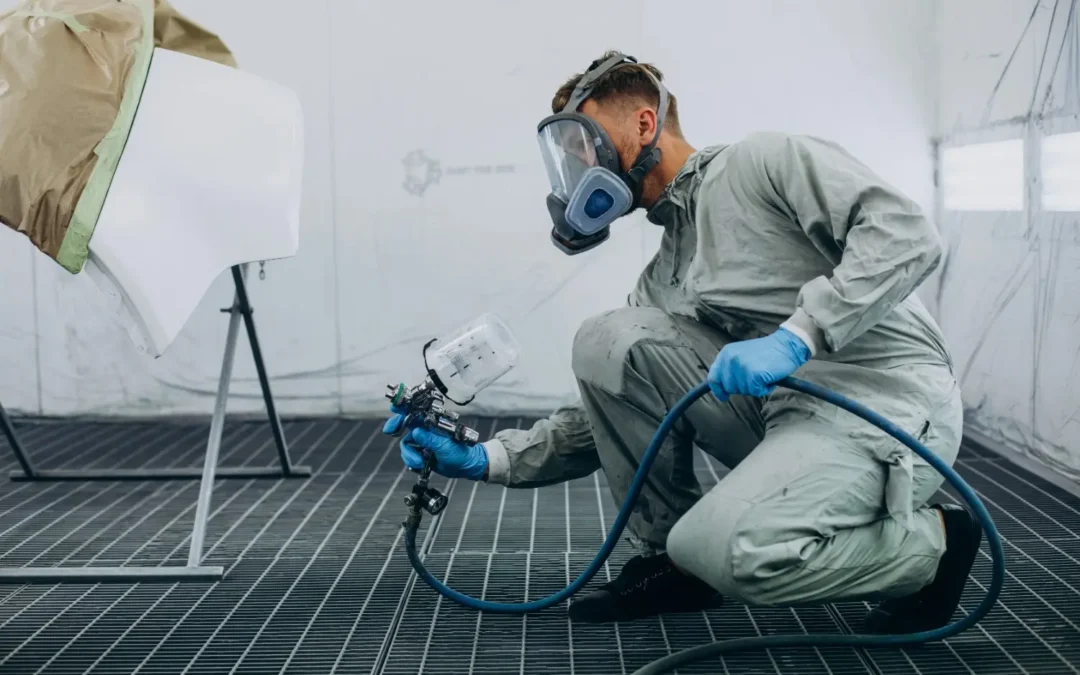
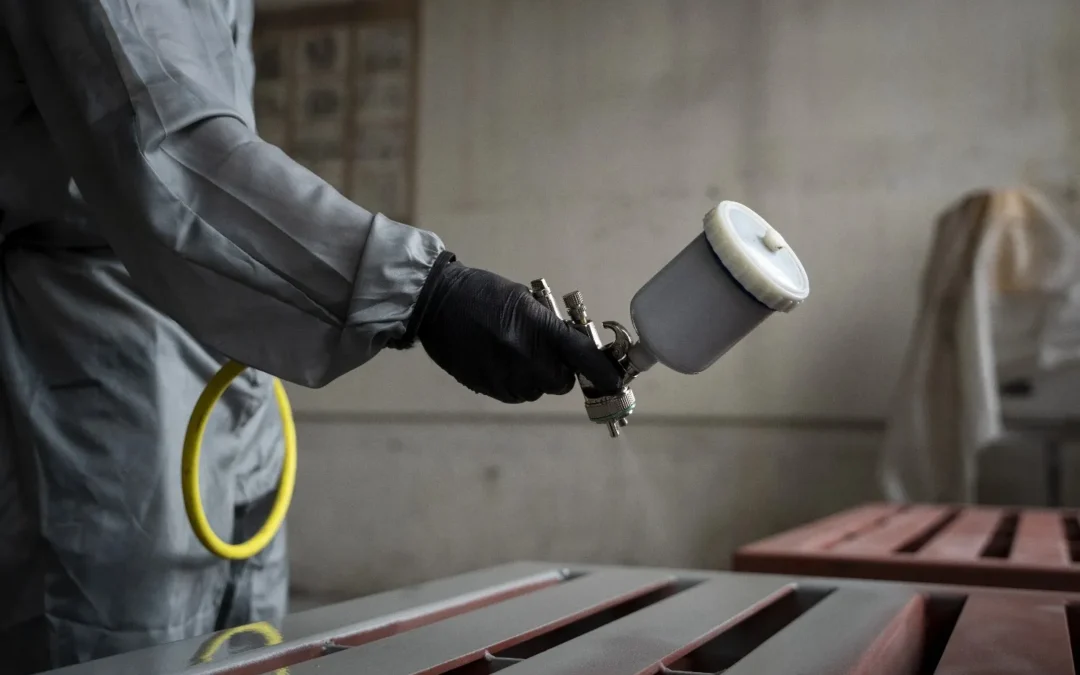
In aerospace manufacturing, humidity has a direct impact on coating and surface finishing performance. These processes protect components from corrosion, wear, and environmental exposure, making environmental stability essential to final product quality.
Impact on Adhesion and Curing Performance
Humidity significantly influences how coatings bond and cure. Elevated humidity can interfere with adhesion by introducing excess moisture at the substrate surface. Extremely dry conditions can accelerate curing too quickly, which may reduce coating integrity.
Proper humidity management ensures coatings cure at a controlled rate, allowing them to achieve intended mechanical and protective properties. Deviations from stable conditions can result in coatings that are under-cured, over-cured, or structurally inconsistent.
Maintaining uniform, non-wetting humidity helps support predictable curing performance without creating condensation on components or finishing surfaces.
Surface Defects Linked to Environmental Instability
Variations in humidity can lead to visible and structural surface defects. When environmental conditions shift during application or curing, coatings may form unevenly.
Common issues include orange peel texture, pinholes, blistering, or peeling. Stable humidity reduces the likelihood of these defects and supports a smooth, consistent finish. Here are the effects of different humidity conditions on coating performance and potential defects:
- Elevated Humidity: Causes slower curing and reduced adhesion, leading to defects such as blistering and peeling.
- Low Humidity: Leads to rapid curing and uneven film formation, resulting in orange peel texture and cracking.
- Stable Humidity: Supports controlled adhesion and curing rates, minimizing surface defects and improving coating quality.
By maintaining consistent humidity within a controlled range, aerospace manufacturers improve both coating appearance and long-term durability.
Relationship Between Humidity and Manufacturing Environment
Humidity does not operate independently but forms part of the wider environmental risks in aerospace production. This influences material behavior, electronics stability, and surface finishing quality.
A balanced relationship between these factors is essential for maintaining consistent material behavior and production quality.
Interaction With Temperature and Airflow
Humidity, temperature, and airflow are interdependent. Focusing on thermal regulation alone often creates hidden instability, demonstrating why temperature control alone fails in aerospace facilities without coordinated moisture management.
Elevated humidity can increase moisture absorption in materials, while low humidity raises the risk of static buildup. Temperature fluctuations can amplify these effects by influencing expansion, contraction, and curing rates.
- Temperature affects how quickly materials absorb or release moisture.
- Airflow influences how evenly humidity is distributed throughout a space.
- Balanced airflow supports consistent environmental conditions across production zones.
Environmental control systems regulate these variables together to minimize variability and reduce defect risk. Precision humidity management plays a central role in maintaining stable conditions without introducing surface wetting or localized moisture accumulation.
Environmental Variability Across Production Zones
Aerospace facilities often operate with multiple production zones, each requiring specific environmental conditions. Variations in humidity or temperature between zones can lead to inconsistencies in material behavior and product quality.
To maintain stability, manufacturers:
- Define environmental requirements for each production zone.
- Implement zoned control strategies to maintain appropriate conditions.
- Monitor conditions continuously to prevent deviations.
By managing humidity as part of an integrated environmental strategy, aerospace manufacturers strengthen production consistency, reduce risk, and improve overall operational performance.
Cleanroom and Controlled Assembly Requirements
Maintaining stable environmental conditions is essential in cleanrooms and controlled assembly areas within aerospace manufacturing. These environments are designed to limit contamination and protect the quality and reliability of assembled components.
Precision Assembly Areas
Environmental stability in precision assembly zones directly influences component accuracy and long-term reliability. Variations in temperature can cause materials to expand or contract, while unstable humidity can introduce moisture-related defects or increase static buildup.
Key environmental controls include:
- Stable temperature control to reduce dimensional variation.
- Managed humidity to prevent moisture-related material changes and reduce electrostatic discharge risk.
- High-efficiency air filtration to minimize particulate contamination.
Modern aerospace facilities rely on integrated environmental control systems with real-time monitoring to maintain these conditions. Precision humidity systems help maintain uniform moisture levels without creating surface condensation on components or assembly equipment.
Zoned Environmental Needs
Aerospace facilities often operate with multiple environmental zones, each tailored to specific production activities. Sensitive electronics assembly areas typically require tighter humidity control compared to mechanical assembly zones.
Best practices include:
- Identifying production areas that require controlled environments.
- Implementing zone-specific temperature and humidity strategies.
- Continuously monitoring conditions to maintain consistency.
The zoned approach improves efficiency while ensuring that each process operates under appropriate environmental conditions. Below are the environmental requirements by zone and their purpose:
- Electronics Assembly: Requires stable humidity and controlled temperature to reduce electrostatic discharge and protect sensitive components.
- Mechanical Assembly: Requires controlled temperature and balanced humidity to maintain dimensional accuracy and material stability.
Operational Risks of Poor Humidity Control
Unstable humidity can create operational challenges that affect both short-term production and long-term reliability. In aerospace manufacturing, environmental variability increases risk across materials, electronics, and surface finishing processes.
Consistent humidity management supports predictable production and reduces avoidable defects.
Production Delays and Increased Rework
Humidity fluctuations can lead to production delays and additional rework. Moisture-sensitive materials are especially vulnerable to environmental instability.
Potential consequences include:
- Component damage caused by corrosion or moisture exposure.
- Assembly misalignment due to dimensional variation.
- Rework or repair resulting from out-of-spec components.
Maintaining stable, uniform humidity helps reduce these risks and supports consistent throughput.
Long-Term Reliability and Performance Concerns
Beyond immediate production impact, poor humidity control can affect long-term component performance. Prolonged exposure to improper humidity conditions may weaken materials or shorten service life.
Key concerns include:
- Moisture absorption in composite materials affecting structural integrity.
- Corrosion or degradation of metallic components.
- Reduced operational lifespan due to environmental stress.
By prioritizing stable, non-wetting humidity control throughout manufacturing and storage, aerospace facilities protect component reliability and uphold the performance standards required in mission-critical applications.
Monitoring Environmental Conditions in Aerospace Facilities
Effective environmental monitoring is essential in aerospace facilities to ensure manufacturing processes operate under stable and controlled conditions. Precision control over temperature, humidity, and airflow directly influences material behavior, electronics reliability, and surface finishing quality.
Real-Time Visibility into Environmental Conditions
Real-time visibility allows facilities to detect environmental drift before it impacts production. Continuous monitoring systems track humidity and temperature across production zones, enabling immediate adjustments when conditions move outside defined parameters.
Integrated control systems respond automatically to maintain stable levels. Precision humidity control and aerospace humidification systems help sustain uniform moisture distribution without creating surface condensation, supporting both materials and sensitive electronics.
Proactive monitoring reduces risk, limits rework, and protects dimensional accuracy throughout manufacturing.
Consistency Across Operations
Consistency across all operations is critical in aerospace production. Environmental conditions must remain stable in cleanrooms, assembly areas, storage zones, and finishing spaces.
A comprehensive monitoring system ensures that:
- Relative humidity remains stable across zones.
- Temperature fluctuations are minimized.
- Deviations are corrected quickly to prevent process disruption.
Maintaining uniform, non-wetting humidity across operations strengthens production reliability and reduces variability between batches.
By combining real-time monitoring with responsive environmental control systems, aerospace manufacturers minimize environmental risk and maintain high standards of product integrity.
Final Thoughts
In aerospace manufacturing, humidity control is not an auxiliary system. It is a controlled production parameter that influences materials, electronics, coatings, and long-term reliability. Stable environmental conditions reduce dimensional shifts, minimize electrostatic discharge risk, and help prevent surface defects.
Non-wetting precision humidification technologies, including systems engineered by Smart Fog, are designed to maintain consistent relative humidity evenly throughout controlled spaces without wetting surfaces when properly applied.
By treating humidity as a critical performance variable rather than a reactive adjustment, aerospace facilities strengthen compliance, improve operational stability, and protect mission-critical component integrity.
FAQ
How does humidity influence precision and dimensional accuracy in aerospace manufacturing?
Humidity influences the manufacturing process by affecting the properties of materials and the performance of equipment. Changes in humidity can lead to dimensional changes in materials, affecting precision and accuracy.
What are the risks associated with electrostatic discharge in low-humidity environments?
Low humidity can lead to electrostatic discharge, damaging sensitive electronic components. Proper humidity control is essential for mitigating this risk.
How does humidity affect coating and surface finishing processes?
Humidity plays a significant role in coating and surface finishing processes, affecting adhesion and curing performance. Maintaining optimal humidity levels is vital for achieving high-quality coatings and surface finishes.
How can poor humidity control impact aerospace manufacturing operations?
Poor humidity control can lead to significant operational risks, including production delays and increased rework. Inadequate humidity control can also result in long-term reliability and performance concerns.
What are the requirements for environmental stability in precision assembly areas?
Precision assembly areas require stringent environmental controls, including tight humidity control, to ensure the quality and reliability of assembled components.
How can humidity control systems help mitigate risks in aerospace manufacturing?
Effective humidity control systems can help mitigate risks associated with humidity-related issues, such as corrosion, electrostatic discharge, and dimensional changes in materials.