Smart Fog for Security Printing: The Air Control Breakthrough Protecting Integrity, Preventing Fraud, and Cutting Downtime
When Precision Fails, So Does Trust
One misaligned hologram. One warped batch of ID stock. One undetected contaminant. In security printing, these aren’t just errors—they’re vulnerabilities.
Every passport, banknote, and certificate your facility produces must meet exacting tolerances. Even minor shifts in humidity or static levels can distort substrates, misplace microtext, or compromise anti-counterfeit measures.
Smart Fog offers a precision-engineered solution. Using dry fog humidification and the Lenard Effect—a natural process that creates high-density Negative Air Ions—Smart Fog neutralises static, stabilises humidity, and purifies the air. All with zero chemicals, zero ozone, and minimal disruption to production.
In this post, you'll learn how Smart Fog:
Maintains dimensional stability of sensitive security substrates
Creates near-cleanroom air quality without filters
Reduces static and contamination-induced defects
Aligns with international standards like UL 2998 and ISO 12647
Let’s examine how your pressroom air can become your strongest defence.
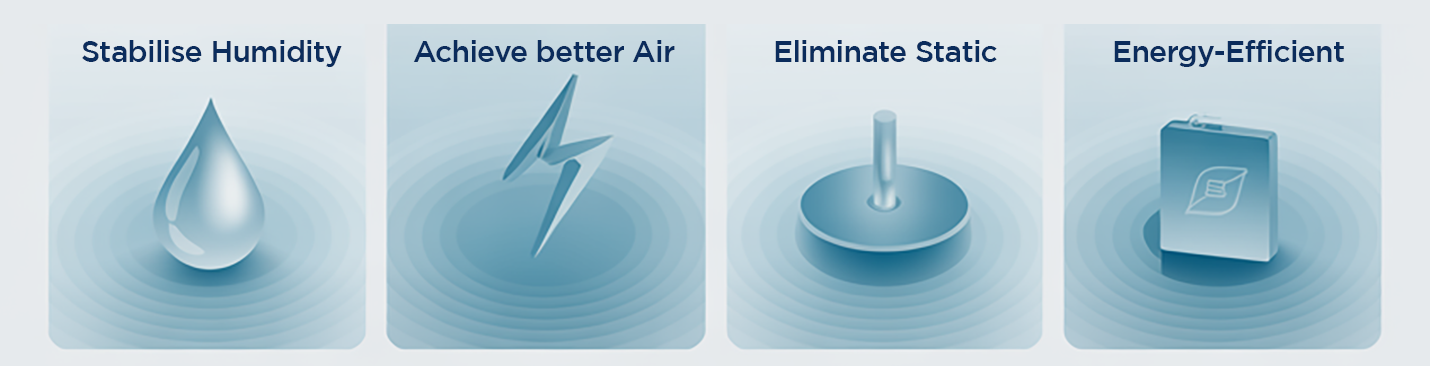
1. Stabilise Humidity, Protect Integrity
Security documents rely on the perfect alignment of complex features—optically variable inks, embedded threads, and machine-readable patterns. When humidity fluctuates, paper expands or contracts. Plastic films warp. Inks behave unpredictably.
Smart Fog maintains relative humidity between 40–60%, using ultra-fine droplets (<4.2 microns) that evaporate instantly. This stabilises every substrate, coating, and ink interaction.
Benefits:
Prevents curling, distortion, and lamination issues
Ensures registration precision across multiple passes
Maintains integrity of micro-features and embedded technologies
This stability supports both quality and compliance, especially in processes requiring traceability and audit readiness.
2. Eliminate Airborne Contamination Risks
Cleanroom-level air control is increasingly expected in high-security printing. Microscopic dust, fibres, or microbial presence can interfere with coatings, binders, or substrate sensors.
Smart Fog activates the Lenard Effect to release Negative Air Ions (NAIs), which attach to airborne particles, VOCs, and microbes, neutralising and removing them from the air. This process has demonstrated:
8% particulate decay rate vs. 12.8% without Smart Fog【8†source】
High-efficiency VOC neutralisation
Microbial reductions exceeding 98% in lab tests【10†source】
Benefits:
Keeps high-security inks and coatings free from interference
Reduces batch failures and QA rejects
Enhances cleanroom integration without HEPA-only reliance
This level of purification protects your process without filters, chemicals, or manual interventions.
3. Eliminate Static: Protect Accuracy and Avoid Downtime
Electrostatic buildup can ruin precise alignments and attract contamination. In high-resolution jobs, that means failed inspections, lost time, and compromised product.
Smart Fog’s NAIs neutralise static charges throughout the air and on substrate surfaces—without adding moisture to sensitive electronics or control panels.
Benefits:
Consistent feed-through in digital and hybrid presses
Minimises smudging, ghosting, and misfeeds
Reduces cleaning frequency of heads and rollers
4. Energy-Efficient, Ozone-Free, and Compliance-Ready
Security print operations require safety and reliability. Smart Fog meets both by using filtered, de-ionised water and emitting zero ozone.
It is UL 2998 certified and supports environmental compliance, without increasing HVAC loads thanks to its "dry fog" design.
Benefits:
Reduces need for outside air, cutting HVAC energy costs
Meets ISO 12647 and similar print environmental controls
No chemical residues, filters, or health hazards
FAQs: What Security Printers Need to Know
Q. Will Smart Fog damage or corrode security substrates?
No. It uses only ultra-pure, de-ionised water, and droplets evaporate instantly.
Q. Is it compatible with cleanroom standards?
Yes. It enhances cleanroom performance and can be used in tandem with HEPA systems.
Q. What happens during power or system interruptions?
Systems are modular with auto-restart capabilities and fail-safes for regulated environments.
Q. Can it handle multiple control zones?
Yes. You can configure and monitor multiple print zones independently.
Implementation: Securing Your Print Environment with Smart Fog
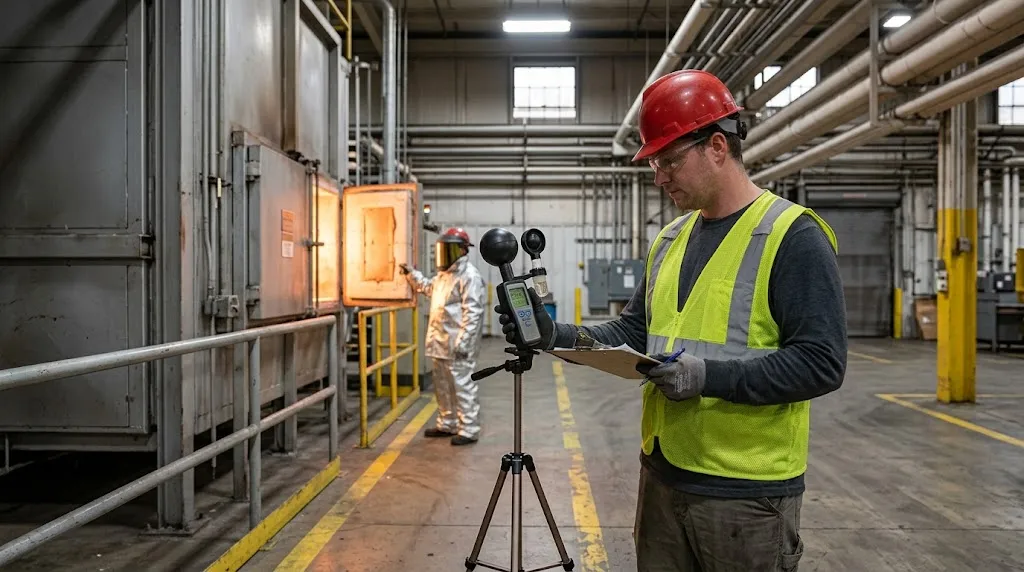
Humidity and Air Quality Audit: Baseline conditions for risk assessment
Custom Configuration: Smart Fog nozzles and zones mapped to your layout
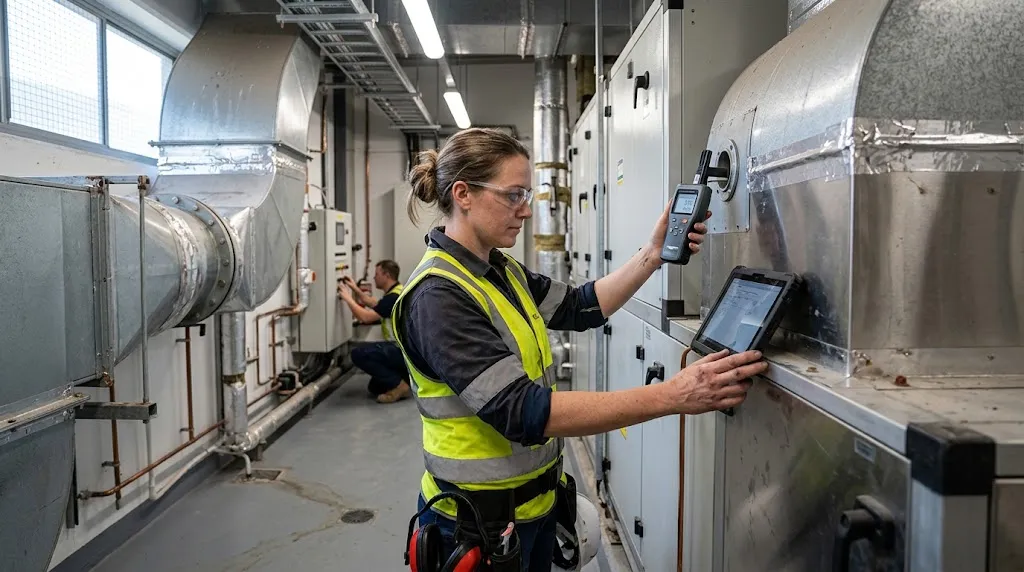
Install & Calibrate: Typically done over a weekend with minimal disruption
Monitor & Optimise: Track RH and air purity with real-time dashboards
Conclusion: Secure the Print by Controlling the Air
Smart Fog gives security printers what they need most: reliability, purity, and control. By stabilising substrate behaviour and removing air contaminants, it protects the integrity of high-security materials without adding operational risk or environmental cost.
If your business depends on certification, precision, and zero tolerance for error, Smart Fog isn't just helpful—it’s essential.
Ido Goldstein is a technology innovator with deep expertise in humidity engineering, climate control, and non-wetting fog systems. He has spent years advancing energy-efficient and water-smart solutions that help industries like cleanrooms, data centers, wineries, and greenhouses maintain precise environmental control.
Passionate about technology with real-world impact, Ido also supports sustainable agriculture initiatives and nonprofit innovation. Through this blog, he shares practical insights on HVAC advancements, indoor air quality, and the science behind high-performing environments.