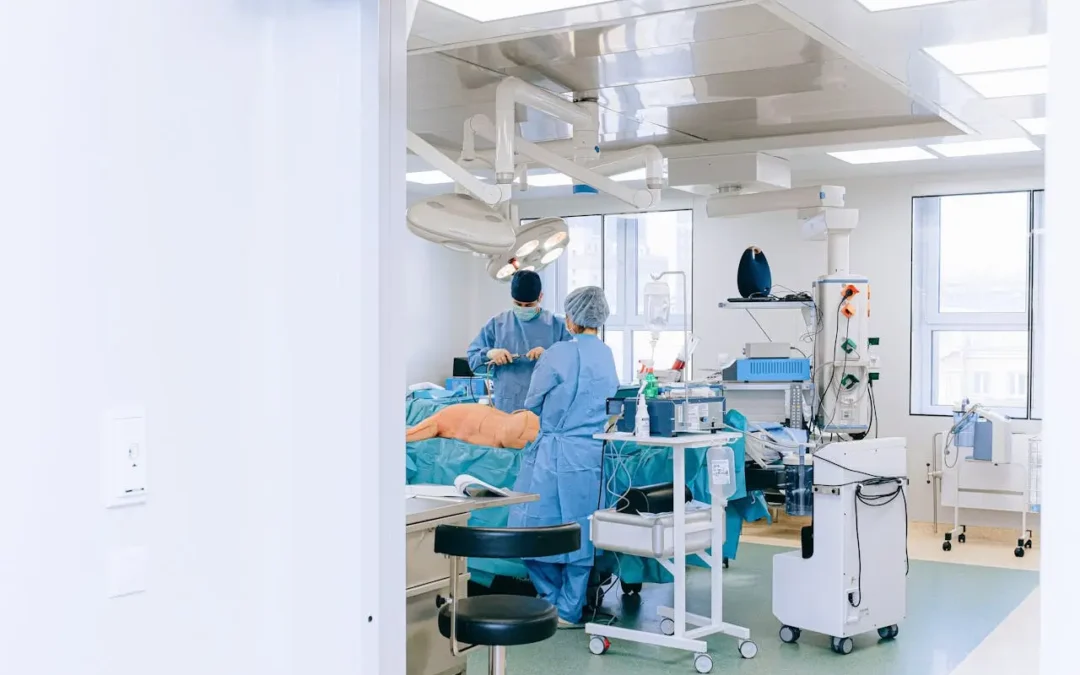
Maintaining proper humidity in hospitals goes beyond comfort. Relative humidity influences microbial growth potential, equipment performance, and overall indoor air stability, making it an important environmental factor in clinical spaces.
Healthcare facilities rely on integrated HVAC systems to regulate airflow, filtration, temperature, and moisture according to established standards such as ASHRAE. Stable humidity conditions also support infection prevention strategies by influencing airborne particle behavior and surface moisture levels.
Key Takeaways
- Proper moisture balance prevents bacterial and mold growth.
- Sophisticated ventilation systems are essential for maintaining air quality.
- Infection prevention depends on precise atmospheric management.
- Standard guidelines help facility managers optimize climate systems.
- Improving air conditions directly boosts overall safety for patients.
- Balanced conditions protect sensitive medical tools from environmental damage.
Importance of Maintaining Recommended Humidity Levels in Clinical Environments
Humidity management in hospitals supports environmental stability across patient care areas. Maintaining recommended ranges reduces variability in air behavior and surface conditions, which is critical in controlled healthcare environments.
Role of Relative Humidity in Infection Prevention
Relative humidity directly affects how airborne particles behave and how long some pathogens remain viable on surfaces. Extremely low humidity may extend suspension time of aerosols, while excessive humidity can create conditions favorable to mold and microbial growth.
Many healthcare facilities operate within a mid-range humidity target, often between 40% and 60%, depending on department and governing code. Maintaining this range helps balance microbial control, condensation prevention, and occupant comfort without introducing environmental instability.
Humidity control supports infection prevention frameworks but should always be integrated with ventilation design, filtration efficiency, and clinical hygiene protocols.
Supporting Patient Safety Through Environmental Stability
Environmental stability is fundamental to patient safety. Stable humidity reduces sudden shifts in air conditions that can affect sensitive equipment, sterile materials, and comfort in critical care areas.
In operating rooms and intensive care units, controlled humidity helps maintain equipment reliability, prevent condensation on instruments, and limit electrostatic discharge. It also supports the integrity of packaging for sterile supplies and medical devices.
Humidity control, when properly monitored and maintained, strengthens operational reliability across the facility.
Standard Humidity Guidelines for Hospitals and Healthcare Facilities
Hospitals operate under defined environmental standards that establish acceptable humidity ranges for various care areas. These guidelines help align environmental control with safety, performance, and compliance requirements.
Recommended Relative Humidity Ranges for General Patient Areas
The American Society of Heating, Refrigerating, and Air-Conditioning Engineers (ASHRAE) provides guidance for environmental conditions in healthcare settings. In many general patient care areas, a relative humidity range of approximately 40% to 60% is commonly referenced.
Operating within this range helps limit mold growth potential, manage condensation risk, and maintain acceptable comfort levels. Specific departments may require narrower parameters based on equipment sensitivity or procedural demands.
Healthcare Environmental Standards and Compliance Requirements
Healthcare facilities must comply with environmental standards governing ventilation and humidity. Two widely referenced standards include:
- ASHRAE Standard 170, which defines ventilation and environmental design requirements for healthcare facilities.
- NFPA 99, which outlines safety requirements for healthcare environments, including anesthetizing locations.
Compliance involves continuous monitoring, documentation, and preventive maintenance of HVAC systems. Environmental control is not a one-time setting but an ongoing operational responsibility.
By maintaining humidity within defined parameters and aligning with applicable codes, hospitals strengthen environmental stability, equipment reliability, and regulatory readiness across patient care areas.
Ideal Humidity Levels for Different Hospital Departments
Humidity requirements in hospitals vary by department based on clinical function, equipment sensitivity, and regulatory standards. Maintaining department-specific humidity levels supports environmental stability, protects materials, and aligns with infection control protocols.
Operating Rooms, ICUs, and Isolation Rooms
Operating Rooms, ICUs, and Isolation Rooms are critical hospital areas where humidity must remain carefully controlled to maintain stable clinical environments. These spaces typically operate within a mid-range relative humidity level, often referenced between 40% and 60%.
Key humidity considerations for each space include:
Operating Rooms:
- Controlled humidity helps reduce condensation on surgical instruments.
- Supports mitigation of electrostatic discharge during procedures.
- Maintains predictable airflow behavior within the surgical environment.
ICUs:
- Stable humidity helps maintain reliable performance of monitoring and life-support equipment.
- Balanced indoor conditions support patient comfort during extended care.
- Environmental stability helps maintain consistent air quality conditions.
Isolation Rooms:
- Humidity works with ventilation systems to support containment strategies.
- Stable moisture levels help prevent unwanted surface condensation.
- Coordinated environmental control supports infection prevention protocols.
Maintaining stable humidity is essential in these environments. Very low humidity may increase static discharge risk and contribute to mucosal dryness, while high humidity can create surface moisture conditions that may support microbial growth.
Laboratories, Pharmacies, and Sterile Storage Areas
Laboratories, Pharmacies, and Sterile Storage Areas require controlled environmental conditions to protect sensitive materials and ensure accurate processes. Humidity management in these areas focuses on maintaining stability rather than occupant comfort. Key humidity considerations include:
Laboratories:
- Stable humidity supports consistent testing and analytical accuracy.
- Controlled moisture levels help preserve samples and reagents.
- Environmental stability helps prevent measurement variability during experiments.
Pharmacies:
- Controlled humidity helps maintain medication potency and chemical stability.
- Balanced moisture levels protect packaging integrity.
- Stable storage conditions support pharmaceutical quality standards.
Sterile Storage Areas:
- Stable humidity helps protect sterile wraps and barrier systems.
- Controlled environments reduce the risk of packaging degradation.
- Environmental consistency supports long-term storage of sterile supplies.
Humidity control in these departments focuses on protecting critical materials, maintaining regulatory compliance, and preventing degradation of sensitive supplies.
Risks of Operating Below Recommended Humidity Levels
When relative humidity drops below recommended ranges, environmental instability increases. Low humidity affects both clinical comfort and operational performance.
Dry air alters airborne particle behavior and may allow certain pathogens to remain suspended longer. Dry air can also create conditions that contribute to mucosal irritation and respiratory discomfort in sensitive populations.
Increased Infection Risk and Respiratory Discomfort
Low humidity levels can increase the transmission of certain pathogens, as some viruses and bacteria survive longer in dry air. This environment can also exacerbate respiratory issues, leading to discomfort and complications for patients with pre-existing conditions.
Key risks associated with low humidity include:
- Increased survival and transmission of airborne pathogens.
- Exacerbation of respiratory conditions such as asthma.
- Dryness and irritation of mucous membranes.
Static Electricity and Equipment Sensitivity in Clinical Settings
Dry environments significantly increase static buildup. In clinical settings, electrostatic discharge can interfere with sensitive electronics, monitoring systems, and procedural equipment. Low humidity may also affect certain materials used in medical supplies, increasing brittleness or reducing packaging resilience.
The primary operational risks of low humidity include:
- Static electricity buildup: electrical charge accumulation in dry air that may disrupt or damage sensitive electronics.
- Equipment sensitivity: greater variability in device calibration and performance stability.
- Supply integrity concerns: material brittleness in packaging systems, reducing durability and protective reliability.
Maintaining humidity within defined parameters helps reduce electrostatic discharge risk and supports predictable equipment performance across clinical areas.
Smart Fog systems deliver precise, non-wetting humidity control across clinical environments, helping reduce static buildup and maintain stable conditions around sensitive electronics, monitoring systems, and procedural equipment without introducing surface moisture or condensation risk.
Risks of Operating Above Recommended Humidity Levels
Operating above the recommended humidity levels can lead to a multitude of issues within hospitals, affecting both patients and staff. High humidity conditions can compromise the quality of care and the overall safety of the hospital environment.
Mold Growth, Microbial Contamination, and Air Quality Issues
When indoor air remains overly humid, surface moisture accumulation becomes more likely. Over time, this can contribute to mold development in wall cavities, ceiling spaces, or HVAC components.
Elevated humidity may also support microbial persistence on damp surfaces. While humidity alone does not cause infections, uncontrolled moisture can increase environmental contamination risks.
Common concerns associated with high humidity include:
- Mold development on building materials
- Microbial amplification in damp areas
- Reduced indoor air quality stability
Impact on Medical Supplies and Sterile Equipment Integrity
Excessively high humidity introduces moisture-related stress on packaging systems, electronics, and building materials. Persistent elevated humidity increases the likelihood of surface condensation and material degradation.
The primary operational concerns of high humidity include:
- Sterile equipment exposure risk: Moisture intrusion may weaken packaging barrier systems and reduce sterility assurance.
- Medical supply degradation: Elevated moisture can compromise material stability and shorten usable life.
- Electronic equipment vulnerability: Prolonged exposure to high humidity increases corrosion potential and reduces equipment lifespan.
Controlling humidity within recommended ranges helps prevent condensation, protect sterile materials, and maintain long-term equipment reliability.
Challenges in Maintaining Recommended Humidity Levels in Hospitals
The task of maintaining recommended humidity levels in hospitals is fraught with challenges stemming from environmental variability. Hospitals are complex environments with diverse clinical departments, each having its own specific requirements for humidity control.
Environmental Variability Across Clinical Departments
Different hospital departments operate under different environmental tolerances.
Operating rooms and intensive care units require tightly controlled humidity to manage electrostatic discharge risk, condensation prevention, and equipment reliability. Laboratories and pharmacies may prioritize material stability and sample integrity. Sterile storage areas focus on packaging preservation and barrier protection.
The challenge for facilities teams is maintaining department-specific humidity targets without causing drift in surrounding zones. This often requires:
- Zoned HVAC control strategies
- Independent air handling configurations
- Continuous monitoring across critical spaces
- Careful balancing of airflow and moisture levels
Seasonal Changes and Indoor Climate Instability
External weather conditions significantly influence indoor humidity stability.
During colder months, outside air tends to be dry, increasing the likelihood of low indoor humidity and electrostatic discharge risk. In warmer months, elevated outdoor moisture levels can introduce high humidity challenges and condensation potential.
Seasonal instability creates three primary pressures on hospital systems:
- Low humidity conditions during winter
- Elevated moisture loads during summer
- Fluctuations during transitional seasons
To manage these shifts, facilities rely on:
- Integrated humidification and dehumidification strategies.
- HVAC systems capable of adapting to variable outdoor air conditions.
- Real-time environmental monitoring and system adjustments.
Without active control, seasonal variability can push humidity outside recommended ranges.
Monitoring Humidity Levels in Healthcare Facilities
Continuous monitoring is essential for maintaining environmental stability. Humidity control is not a set-and-forget parameter. It requires real-time oversight and documented compliance.
Advanced environmental sensors measure and report relative humidity across patient care areas.
Role of Environmental Sensors in Compliance Tracking
Environmental sensors support both operational performance and regulatory readiness. Consistent tracking of humidity levels helps facilities align with standards and other governing codes.
Effective monitoring programs typically include:
- Real-time humidity tracking across critical zones
- Automated alerts for out-of-range conditions
- Historical data logging for compliance documentation
- Trend analysis to identify system drift or performance decline
Humidity data is not only operationally useful. It also supports inspection preparedness and quality assurance programs.
Maintaining Consistency Across Patient Care Areas
Consistency is particularly important in high-acuity environments. Fluctuating humidity levels can introduce instability in equipment performance, material integrity, and electrostatic behavior.
Critical areas often operate within defined mid-range humidity targets, commonly referenced between 20% and 60%, depending on code version and facility policy. These areas include:
- Operating rooms, where electrostatic discharge and condensation must be controlled.
- Intensive care units, where equipment reliability is essential.
- Isolation rooms, where coordinated ventilation and environmental stability are required.
Maintaining uniform humidity across these spaces strengthens operational reliability and supports predictable environmental performance.
Aligning Humidity Levels With Infection Control Policies
Humidity control in hospitals must operate in coordination with infection control frameworks. While humidity alone does not prevent infections, it influences environmental stability, airborne particle behavior, and surface moisture conditions.
Maintaining recommended ranges supports broader ventilation, filtration, and hygiene strategies.
Environmental Monitoring for Compliance Readiness
Environmental monitoring ensures humidity levels remain within defined parameters. Continuous monitoring allows facilities teams to identify drift early and correct conditions before operational stability is compromised. Monitoring also strengthens inspection preparedness and regulatory documentation.
Effective compliance-focused humidity management typically includes:
- Continuous relative humidity tracking across critical areas.
- Routine calibration of environmental sensors.
- Automated alerts for out-of-range conditions.
- Historical data logging for audit and compliance review.
- Preventive maintenance tied to performance trends.
- Monitoring and maintenance of hospital grade humidifier systems to ensure stable moisture levels.
Humidity management must be measurable, documented, and verifiable.
Supporting Infection Prevention Programs
Humidity control supports infection prevention programs by maintaining predictable environmental conditions. Stable mid-range humidity can influence microbial persistence, reduce condensation risk, and limit electrostatic discharge in sensitive procedural areas.
Humidity management contributes to infection prevention when integrated with:
- Ventilation design and air exchange requirements
- Filtration efficiency standards
- Surface cleaning protocols
- Department-specific environmental policies
It should never be positioned as a standalone infection solution, but rather as one component of a coordinated environmental control strategy.
Clear policy alignment requires:
- Defined humidity setpoints by department.
- Documented escalation procedures for deviations.
- Staff awareness of environmental stability requirements.
- Integration of humidity monitoring into overall quality assurance programs.
When humidity control is embedded within infection prevention policy, facilities strengthen both compliance readiness and operational reliability.
Final Thoughts on Recommended Humidity Levels for Hospitals
Humidity in hospitals is not a comfort setting. It is a controlled environmental parameter that affects equipment reliability, condensation risk, electrostatic discharge, and compliance stability.
For facilities that require precision without surface wetting, Smart Fog is a non-wetting precision humidification system that uses self-evaporating droplets to deliver stable, uniform humidity control across clinical environments, maintaining target humidity levels without creating condensation on floors, walls, or equipment.
When humidity is treated as an engineered variable rather than a secondary setting, hospitals strengthen environmental stability and operational reliability.
FAQ
What is the recommended relative humidity range for hospitals?
Most healthcare facilities operate within a rh range of approximately 30% to 60%, depending on department and governing standards. Certain anesthetizing locations may allow a broader range, such as 20% to 60%, based on updated codes. Exact requirements should follow applicable standards and facility policy.
Why does humidity matter in hospital environments?
Relative humidity influences airborne particle behavior, condensation risk, electrostatic discharge potential, and material stability. Maintaining mid-range humidity supports environmental stability and protects sensitive equipment and sterile supplies.
Does humidity control prevent hospital-acquired infections?
Humidity control supports infection prevention frameworks but does not replace ventilation, filtration, or hygiene protocols. Maintaining recommended ranges helps reduce environmental conditions that may favor microbial persistence.
What happens if humidity is too low in a hospital?
Low humidity can increase electrostatic discharge risk, contribute to mucosal dryness, and affect certain packaging materials. Dry conditions may also influence airborne particle suspension time.
What happens if humidity is too high?
Excess humidity increases condensation risk and may create conditions favorable to mold growth if not properly managed. It can also compromise sterile packaging systems and reduce equipment longevity.
How do hospitals monitor humidity levels?
Hospitals use environmental sensors integrated with HVAC systems to continuously measure relative humidity. Monitoring systems typically include real-time alerts, historical data logging, and calibration protocols to support compliance documentation.