Do you suffer from joint pain? If so, you aren't alone. The Centers For Disease Control and Prevention (CDC) reports that nearly 1 in 4 people will develop painful hip arthritis in their lifetime – and this is just one of the many different types of joint pain. It's not uncommon for the protective cartilage within the joints to wear down over time, resulting in painful bone-on-bone contact. But a lesser-known cause of joint pain comes in the form of humidity fluctuations.
Humidity Measurement
Humidity is the measurement of the amount of moisture vapor in the air. Even if the air “looks” dry, it probably contains at least
some water in the form of airborne moisture vapor. When the air is saturated with a significant amount of moisture vapor, it's said to be humid. When there's little-to-no moisture vapor in the air, it's said to have a low humidity level.
Humidity Fluctuation Level
It's important to note that humidity levels tend to fluctuate, depending on a number of different factors. One of the most influential factors in determining the humidity level of a given section of air is the temperature. Warm air, for instance, is less dense than cool air; therefore, it holds less moisture and has a lower humidity level. This is why many people experience nosebleeds during the winter months – using a heater to warm your home causes a drop in humidity, which in turn causes the mucous membranes within the nostrils to dry out and bleed.
Humidity Fluctuation and Joint Pain
Now, let's go back to the topic at hand:
how can fluctuations in humidity cause joint pain? Normal, healthy joints have a certain degree of padding that's used to absorb pressure. When we run or jog, for instance, the cartilage in our knees absorbs some of the pressure. Here's where the problem lies: sudden increases in humidity may press against the joints to the point where this padding is no longer able to serve its intended purposes. Even if the cartilage is still inside the joints, it may be squeezed so much that it causes bone-on-bone contact.
How to Overcome
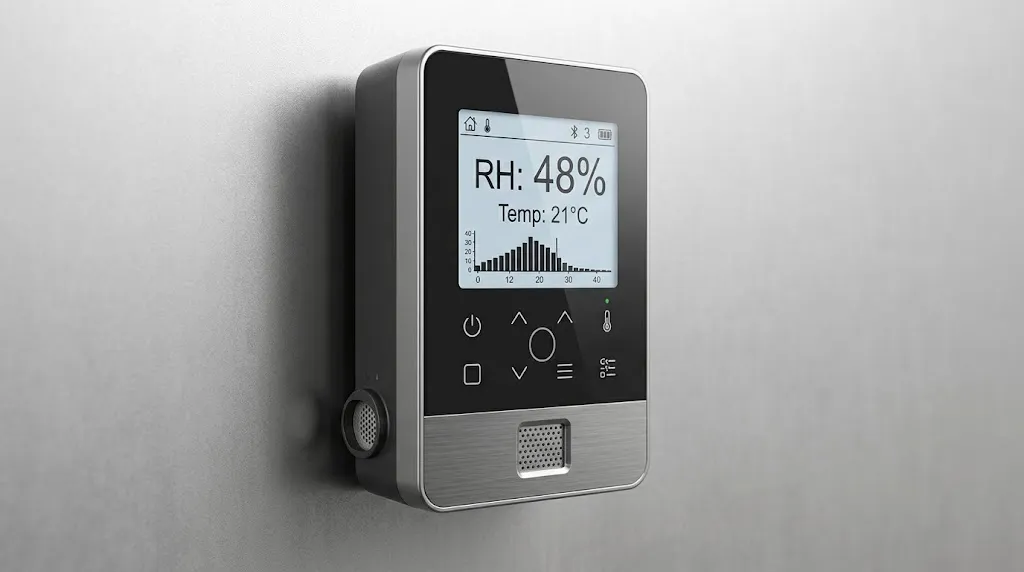
So, what can you do to protect your joints from the painful effects of humidity fluctuations? The only viable solution is to monitor the humidity levels in your home and workplace, adjusting them when needing. This is easily accomplished using a
commercial-grade humidifier. These devices allow business owners and homeowners to keep tabs on humidity, raising or lower it as desired.