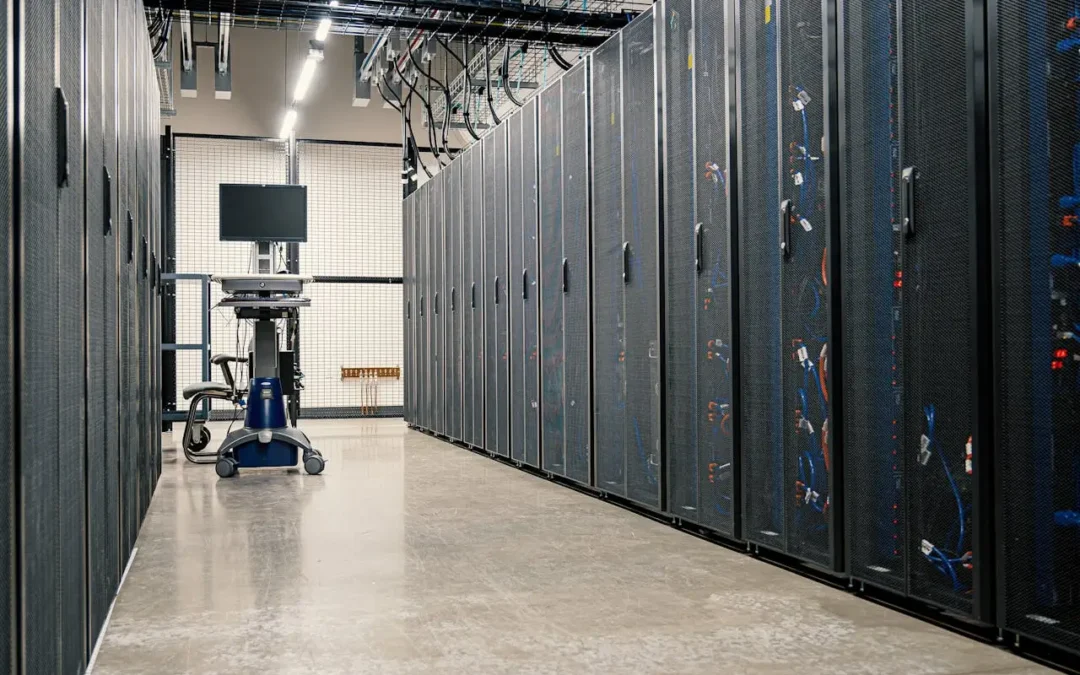


Modern defense environments rely on advanced electronics, secure communications systems, and mission-critical infrastructure that can be easily compromised by uncontrolled humidity levels. Maintaining precise humidity control in defense and military facilities is essential for protecting sensitive equipment and ensuring operational readiness.
Both low and high humidity introduce serious risks, from static electricity and electrostatic discharge to corrosion, condensation, and material degradation. Effective humidity control is therefore not a comfort consideration but a core requirement for maintaining reliability, longevity, and performance across critical defense systems and secure facilities.
Key Takeaways
- Precise humidity control is essential in defense and military facilities to protect sensitive electronics and mission-critical systems.
- Low humidity increases the risk of static electricity and electrostatic discharge, which can cause immediate or latent equipment damage.
- High humidity leads to corrosion, condensation, and material degradation that compromise equipment reliability and infrastructure integrity.
- Command centers, data centers, communications rooms, and secure storage areas are especially vulnerable to humidity-related risks.
- Maintaining stable, non-wetting humidity conditions supports long-term equipment durability and continuous operational readiness.
Environmental Risks Facing Modern Defense Facilities
Modern defense facilities are increasingly vulnerable to environmental risks that can compromise their operational effectiveness. These risks are multifaceted and can arise from various environmental factors, including temperature fluctuations, humidity levels, and air quality.
What “Environmental Risk” Means in Military Contexts
In military environments, environmental risk refers to the potential for operational disruption or equipment degradation caused by uncontrolled environmental conditions. Effective humidity control is a critical safeguard against these risks. Without proper humidity control, facilities face damage from moisture exposure, static electricity, material breakdown, and long-term corrosion.
When environmental conditions fall outside acceptable ranges, the consequences can be severe. High humidity can lead to condensation on sensitive electronics, increasing the risk of short circuits and system malfunction, while prolonged exposure accelerates corrosion and material degradation.
Over time, these issues reduce equipment reliability, increase maintenance demands, and impact overall readiness. Common environmental failure modes in defense facilities include:
- Corrosion of metal components caused by sustained moisture exposure or salt-laden air.
- Degradation of materials such as rubber, plastics, seals, and composite structures.
- Malfunction or latent failure of electronic systems due to static electricity or environmental stress.
Why Modern Defense Installations Are More Environment-Sensitive
Modern defense installations are increasingly environment-sensitive due to their reliance on advanced electronic systems, precision equipment, and integrated digital infrastructure. These technologies operate within narrow environmental tolerances and are far less forgiving of humidity-related fluctuations than legacy systems.
Advanced systems such as secure communications platforms, sensor networks, and precision-guided technologies require consistent environmental stability to maintain accuracy and reliability.
Inadequate environmental control can lead to performance drift, system errors, and reduced operational effectiveness. This increased sensitivity is driven by several factors:
- Greater dependence on sophisticated electronics with low tolerance for moisture and static.
- Expanded use of composite and engineered materials that degrade under improper humidity conditions.
- Higher expectations for continuous availability and readiness across mission environments.
Risks of Low Humidity in Defense and Military Environments
Low humidity presents a serious and often underestimated risk within defense and military facilities. When humidity levels drop too low, the likelihood of static electricity buildup increases significantly, creating conditions that can damage sensitive electronic systems and disrupt operations.
Static Electricity and Electrostatic Discharge (ESD) Threats
In low-humidity environments, air loses its ability to naturally dissipate electrical charge. This allows static electricity to accumulate on personnel, equipment, and surfaces. When that charge is suddenly released, electrostatic discharge can occur, potentially damaging electronic components. Over time, the impact of low humidity on defense equipment becomes more noticeable, especially when sensitive systems are repeatedly exposed to static buildup.
Defense environments are particularly vulnerable to ESD because of the density of sensitive electronics used in command, control, communications, and data processing systems. ESD events may cause immediate component failure or introduce latent defects that only surface later, making them difficult to diagnose.
Consequences of ESD Events
ESD events can lead to a range of operational and technical consequences that go beyond immediate hardware damage. These outcomes highlight the broader static electricity risks in defense facilities, where even small electrical disruptions can escalate into operational setbacks. Key consequences include:
- System instability and unpredictable performance issues across critical systems.
- Unplanned downtime that disrupts operations and service continuity.
- Data corruption, signal errors, or processing faults in sensitive electronics.
- Increased maintenance, diagnostics, and repair requirements over time.
- Higher risk to operational readiness in mission-critical environments.
- Greater exposure of circuit boards, sensors, and control systems to damage.
- Long-term reliability decline due to latent component degradation.
Risks of High Humidity in Military Facilities
High humidity poses significant risks to military facilities, affecting both equipment and infrastructure. When humidity levels are too high, it can lead to a variety of problems that compromise the operational readiness and effectiveness of military operations.
Corrosion, Condensation, and Material Degradation
Elevated humidity accelerates corrosion on metal surfaces, affecting both electronic and mechanical systems. In military environments, this can weaken components, degrade electrical connections, and reduce the lifespan of critical assets.
Proper environmental control is essential for reducing corrosion and static risks in storage areas where sensitive equipment is stored for long periods.
High humidity also raises the risk of condensation during temperature changes, which can lead to short circuits, mold growth, and gradual degradation of insulation, seals, and other sensitive materials over time.
Impact on Mechanical Systems, Storage Conditions, and Infrastructure
Mechanical systems operating in high-humidity environments experience increased friction, wear, and reliability issues as moisture interferes with moving parts and lubrication. These effects raise the likelihood of unplanned maintenance and system downtime.
Storage areas are particularly vulnerable. Excess humidity can damage stored equipment, spare parts, and sensitive electronics, potentially rendering them unreliable or unusable when deployment is required.
Infrastructure is also affected, with prolonged moisture exposure contributing to structural deterioration and material fatigue across buildings and enclosed spaces. The operational impact of high humidity commonly includes:
- Electrical systems exposed to condensation and corrosion can experience equipment failure and mission disruption.
- Mechanical systems subjected to accelerated wear and degradation can face increased maintenance requirements and reduced reliability.
- Storage areas affected by moisture damage to stored assets can result in unusable equipment and supply chain risk.
Controlling humidity levels is essential to limit these risks and preserve the long-term functionality of both equipment and facilities within military environments.
Where Humidity Risks Commonly Appear in Defense Facilities
Humidity-related risks are not evenly distributed across defense facilities. Certain areas consistently experience higher exposure due to equipment density, operational load, or storage conditions. Identifying these zones is critical for effective risk mitigation.
Command Centers, Data Centers, and Communications Rooms
Command centers, data centers, and communications rooms are among the most humidity-sensitive areas in defense facilities due to their high concentration of electronics. Excess humidity can cause condensation on circuit boards, connectors, and power systems, increasing the risk of instability, data loss, and communication failures.
Maintaining stable humidity helps prevent moisture buildup, protect servers and storage systems, and ensure reliable signal performance and continuous operation of command and control infrastructure. It also supports long-term equipment reliability in mission-critical environments.
Secure Storage Areas for Equipment, Components, and Electronics
Secure storage areas are another critical zone where humidity risks frequently emerge. Stored equipment and components may remain unused for extended periods, making them especially vulnerable to moisture-induced corrosion and material degradation.
Without proper humidity management, storage environments can compromise the condition of sensitive electronics, mechanical assemblies, and mission-critical components. Effective control measures include maintaining stable environmental conditions and implementing appropriate moisture management systems to protect stored assets.
By identifying high-risk zones and applying targeted humidity control strategies, defense facilities can protect critical equipment, support operational readiness, and maintain system integrity across their infrastructure.
Humidity Control for Sensitive Defense Equipment
Humidity control is a critical factor in maintaining the reliability and availability of sensitive defense equipment. Within defense facilities, even minor environmental instability can introduce risks to electronics, sensors, and integrated systems that support mission operations.
Protecting Mission-Critical Electronics and Sensors
Mission-critical electronics and sensors form the backbone of modern defense systems and require stable environmental conditions for reliable operation. Excess humidity can cause condensation on components, increasing the risk of corrosion, short circuits, and premature failure.
Low humidity, on the other hand, increases static buildup and the risk of electrostatic discharge that can damage sensitive electronics. To reduce these risks, defense facilities use engineered humidity control strategies that maintain stable, non-wetting conditions and protect equipment over long operational periods.
Environmental Requirements for Secure Electronics Storage
Secure electronics storage requires controlled environmental conditions to prevent degradation and ensure long-term equipment reliability. Key requirements include:
- Stable temperature control to avoid material and component stress.
- Consistent humidity levels to prevent corrosion and static damage.
- Low moisture exposure to protect sensitive electronic components.
- Controlled air quality to reduce dust and contamination risks.
- Sealed or specialized storage enclosures for environmental stability.
- Passive or active moisture control safeguards inside storage units.
- Continuous monitoring to detect environmental deviations early.
Why Humidity Control Is Mission Critical in Defense Facilities
Humidity control is not a secondary facility consideration in defense environments. It is a direct contributor to system reliability, equipment readiness, and mission continuity. Inconsistent humidity conditions can undermine performance long before visible failures occur.
Role of Environmental Stability in Equipment Readiness
Environmental stability is essential for defense equipment to operate within its designed performance envelope. The importance of humidity control in defense facilities becomes especially clear when fluctuations introduce stress on electronic and mechanical systems, increasing the likelihood of malfunction, calibration drift, and unplanned downtime.
Maintaining stable humidity conditions supports predictable equipment behavior, reduces maintenance intervention, and improves long-term reliability across critical systems.
How Humidity Directly Affects Sensitive Electronics
Humidity directly influences the performance and durability of sensitive defense electronics. Elevated humidity increases the risk of condensation and corrosion, while overly dry conditions promote static electricity and electrostatic discharge.
Both extremes can result in immediate failure or latent defects that surface during operation. The relationship between humidity levels and electronic risk can be summarized as follows:
- High humidity can cause condensation and corrosion, leading to short circuits and equipment failure.
- Low humidity can result in static electricity buildup, causing component damage and data loss.
- Controlled mid-range humidity supports stable operating conditions, enabling reliable performance and extended equipment life.
Maintaining controlled, stable humidity conditions is therefore essential for protecting sensitive electronics and ensuring consistent performance across defense operations.
Environmental Control Standards and Compliance Requirements
Defense facilities must adhere to stringent environmental control standards to ensure operational readiness. These standards are crucial for maintaining the reliability and functionality of sensitive defense equipment.
The importance of environmental control cannot be overstated, as it directly impacts the performance and longevity of mission-critical systems. Compliance with established guidelines is essential to prevent equipment degradation and ensure continuous operation.
Relevant Military Specifications and Environmental Guidelines
Military specifications and environmental guidelines provide a framework for maintaining optimal environmental conditions within defense facilities. These guidelines define temperature ranges, humidity control requirements, and air quality parameters that protect sensitive systems and ensure operational reliability.
- MIL-STD-810: Environmental Engineering Considerations and Laboratory Tests.
- MIL-STD-461: Interface Standard for Requirements for the Control of Electromagnetic Interference (EMI).
- Other relevant standards and guidelines specific to defense facilities.
Adhering to these standards ensures that defense equipment is designed and operated to withstand various environmental stresses.
Importance of Environmental Consistency for Equipment Readiness
Environmental consistency is vital for maintaining equipment readiness. Fluctuations in temperature and humidity can lead to equipment malfunction or failure, compromising mission-critical operations.
Consistent environmental conditions help to:
- Reduce equipment wear and tear.
- Prevent corrosion and material degradation.
- Ensure optimal performance of sensitive electronics.
By maintaining consistent environmental conditions, defense facilities can ensure that their equipment remains operational and ready for deployment at all times.
Humidity Control Technologies Used in Defense Facilities
Maintaining precise humidity levels is crucial in defense facilities, where sensitive equipment and operations demand stable environments. To achieve this, various humidity control technologies are employed, ensuring the reliability and functionality of critical systems.
Modern Precision (Adiabatic / Dry Fog) Humidification Systems
Modern precision humidification systems, including adiabatic and dry fog technologies, provide controlled and reliable humidity management. These systems are often used in defense facilities because they support maintaining stable humidity levels while minimizing temperature impact and helping facilities remain within target environmental ranges for sensitive equipment.
Key characteristics of modern precision humidification systems include:
- Precise control that supports tight humidity tolerances
- Energy-efficient operation compared to heat-based humidification methods
- Scalable design suitable for a range of facility sizes
Adiabatic humidification systems use the principle of evaporative cooling to introduce moisture into the air without adding heat. Dry fog systems, on the other hand, generate ultra-fine droplets designed to evaporate into the airstream under proper system design, supporting humidity control without surface wetting.
Dehumidification Solutions for High-Humidity Zones
In areas prone to high humidity, dehumidification solutions are critical to prevent moisture-related issues such as corrosion, mold, and equipment malfunction. Various dehumidification technologies are available, each suited to different applications and environmental conditions.
Common dehumidification solutions include:
- Desiccant dehumidifiers, which use a drying agent to remove moisture from the air.
- Refrigerant dehumidifiers, which cool the air to condense moisture.
- Membrane dehumidifiers, which use semi-permeable membranes to selectively remove water vapor.
The choice of dehumidification technology depends on factors such as the level of humidity control required, energy efficiency considerations, and the specific challenges posed by the environment within the defense facility.
Integration With Secure HVAC and Environmental Systems
Integrating humidity control with secure HVAC systems is a critical step in safeguarding the operational readiness of defense and military equipment. This integration ensures that the environmental conditions within these facilities are maintained within the narrow parameters required for the proper functioning of sensitive equipment.
Coordinating Humidity Control With Temperature and Airflow
Effective humidity control must work alongside temperature and airflow management, as these factors are closely interconnected. HVAC systems help maintain a stable environment that reduces the risk of equipment degradation and environmental stress.
In defense facilities, this coordination is especially critical due to the sensitivity of electronic and mission-critical systems. Maintaining balanced humidity, temperature, and airflow helps prevent condensation, corrosion, and static electricity that can impact equipment reliability and mission readiness.
Redundancy and Resilience in Mission-Critical Systems
For mission-critical systems, redundancy and resilience are key. This means that not only must the primary systems be capable of maintaining the required environmental conditions, but there must also be backup systems in place to ensure continuity in the event of a failure.
Implementing redundant systems for humidity control and HVAC is essential for maintaining operational readiness and ensuring that defense facilities can continue to function effectively even under adverse conditions.
The importance of resilience in these systems cannot be overstated. In the context of defense facilities, the ability to withstand and recover from disruptions is critical. By incorporating redundancy into the design of environmental control systems, these facilities can enhance their resilience and minimize the risk of equipment failure or downtime.
Monitoring, Automation, and Control in Defense Facilities
In defense facilities, the integration of monitoring, automation, and control systems is vital for environmental stability. These systems work together to ensure that humidity levels remain within specified ranges, protecting sensitive equipment and maintaining operational readiness.
Sensor Placement, Accuracy, and Secure Environmental Monitoring
Strategic sensor placement is critical for accurate environmental monitoring. Sensors must be positioned in areas that provide representative readings of the environment, avoiding locations that could lead to inaccurate measurements. This includes:
- Placing sensors in areas with stable temperature and humidity conditions.
- Avoiding placement near heating or cooling vents, doors, and windows.
- Ensuring sensors are calibrated regularly to maintain accuracy.
Secure environmental monitoring involves not only accurate sensor data but also protecting the integrity of the monitoring system. This includes:
- Implementing secure data transmission protocols.
- Using tamper-evident or tamper-resistant sensor enclosures.
- Regularly auditing the monitoring system for potential vulnerabilities.
Continuous Operation and Fail-Safe Environmental Control
Continuous operation of environmental control systems is essential for maintaining the stability required by sensitive defense equipment. This involves:
- Implementing redundant systems to ensure continued operation in case of component failure.
- Using fail-safe controls that default to a safe state in the event of a system failure.
- Regular maintenance and testing to identify and address potential issues before they become critical.
By integrating advanced monitoring, automation, and control technologies, defense facilities can ensure the reliability and readiness of their equipment, supporting mission continuity and success.
Long-Term Benefits of Proper Humidity Control in Defense Facilities
Proper humidity control in defense facilities is crucial for maintaining the integrity and functionality of sensitive equipment. By maintaining optimal humidity levels, these facilities can reap significant long-term benefits.
Enhanced Equipment Durability
Optimal humidity control contributes to equipment longevity by preventing damage from moisture or dryness. This reduces the need for frequent repairs and replacements, ultimately lowering maintenance costs and enhancing overall equipment reliability.
Supporting Operational Readiness
Maintaining the right humidity levels ensures that critical defense equipment remains operational and ready for deployment at a moment’s notice. This supports mission continuity by minimizing downtime due to equipment failure, thereby enhancing the overall effectiveness of defense operations.
The long-term benefits of proper humidity control in defense facilities are clear. By investing in effective humidity management systems, defense organizations can protect their equipment, reduce maintenance costs, and ensure mission continuity.
Final Thoughts
Humidity control is essential in defense and military facilities where equipment reliability and operational readiness cannot be compromised. Uncontrolled humidity can increase the risk of static discharge, corrosion, and instability across mission-critical environments.
Smart Fog applies precision-engineered, non-wetting humidification designed to support stable environmental conditions in high-reliability settings. Under proper system design, moisture evaporates into the airstream before contacting surfaces, helping maintain uniform humidity without surface accumulation.
In environments where infrastructure performance directly supports mission success, maintaining controlled and consistent humidity is a foundational component of long-term operational resilience.
FAQ
What is the importance of humidity control in defense and military facilities?
Humidity control is crucial in defense and military facilities to protect sensitive equipment and ensure the readiness of mission-critical systems.
What are the risks associated with low humidity in defense and military environments?
Low humidity can lead to the buildup of static electricity, resulting in electrostatic discharge (ESD) that can damage sensitive equipment.
How does high humidity affect military facilities?
High humidity can cause corrosion, condensation, and material degradation, compromising the integrity of equipment and infrastructure.
Where are humidity risks commonly found in defense facilities?
Humidity risks can appear in command centers, data centers, communications rooms, and secure storage areas for equipment, components, and electronics.
What technologies are used for humidity control in defense facilities?
Modern precision humidification systems, such as adiabatic or dry fog systems, and dehumidification solutions are used to maintain optimal humidity levels.
How is humidity control integrated with secure HVAC and environmental systems?
Humidity control systems must be integrated with secure HVAC and environmental systems to ensure optimal environmental conditions.
What are the benefits of proper humidity control in defense facilities?
Proper humidity control can lead to equipment longevity, reliability, and reduced maintenance, supporting equipment readiness and mission continuity.