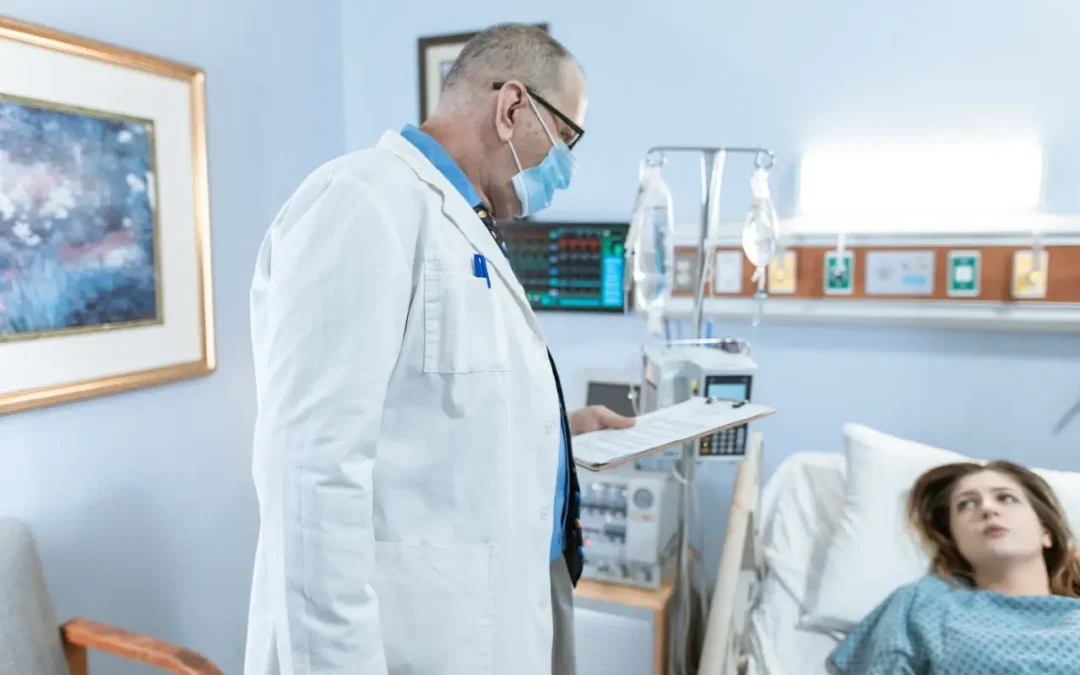
Hospitals require tightly managed indoor environments to support patient safety and clinical performance. Environmental control extends beyond routine cleaning to include air quality, temperature regulation, and humidity stability. When these factors remain consistent, facilities reduce environmental variability that may influence infection prevention outcomes.
Effective infection prevention and control programs integrate surface hygiene with controlled indoor air conditions. Daily monitoring of air quality and environmental parameters helps maintain predictable clinical spaces. Structured environmental management supports safer patient care areas and operational reliability.
Key Takeaways
- Enhancing cleanliness to protect vulnerable patients.
- Reducing the spread of harmful germs in clinical areas.
- Improving recovery rates through better air quality.
- Supporting medical staff with safe work zones.
- Maintaining high standards to build public trust.
- Lowering the risk of secondary infections and complications.
Why Environmental Control Is Necessary in Hospital Settings
Environmental stability plays a central role in hospital operations. Controlled indoor conditions support infection prevention programs and help maintain predictable care environments. Consistency across departments strengthens overall patient safety strategies.
Link Between Environmental Stability and Patient Safety
Unstable environmental conditions can introduce variability that affects airborne behavior, surface moisture levels, and ventilation performance. Improper temperature or humidity control may contribute to conditions that favor microbial persistence.
Maintaining stable indoor parameters helps:
- Support ventilation system effectiveness
- Reduce environmental fluctuations across care areas
- Maintain controlled air distribution patterns
Environmental consistency works alongside cleaning protocols and filtration standards to support infection prevention.
Role of Environmental Conditions in Clinical Care Quality
Clinical performance depends on reliable environmental control. Temperature and humidity stability influence equipment functionality, storage integrity, and patient comfort.
Balanced indoor conditions help:
- Protect sensitive medical devices
- Maintain pharmaceutical storage standards
- Support consistent clinical workflows
Environmental control contributes to operational precision within hospital systems.
Environmental Control Requirements Across Hospital Departments
Different hospital departments operate under varying environmental specifications. Each clinical zone requires targeted control strategies to maintain safety, sterility, and equipment protection.
Operating Rooms, ICUs, and Isolation Units
Operating rooms, ICUs, and isolation units require higher levels of environmental precision due to patient vulnerability and procedural complexity.
- Operating Rooms: Require controlled temperature, regulated humidity, and structured airflow patterns to maintain sterile environments.
- ICUs: Depend on stable temperature and air quality to support critically ill patients and reduce environmental stressors.
- Isolation Units: Utilize negative pressure ventilation to manage airborne containment and prevent cross-contamination.
These areas rely on engineered HVAC systems to maintain consistent indoor conditions.
Laboratories, Pharmacies, and Sterile Storage Environments
Support departments also require tightly managed environmental conditions to protect materials and maintain compliance.
- Laboratories: Require controlled temperature and humidity to preserve sample stability and reagent integrity.
- Pharmacies: Maintain defined storage ranges to protect medication effectiveness.
- Sterile Storage Areas: Require controlled air quality, humidity, and temperature to prevent contamination of medical supplies.
Maintaining stable environmental conditions in these areas protects equipment, materials, and overall clinical operations.
Limitations of Passive Environmental Management in Healthcare Facilities
Passive environmental management alone is often insufficient for maintaining the stability required in healthcare environments. Hospitals operate across multiple clinical zones with varying environmental specifications, making consistent control complex.
Without active monitoring and adjustment, indoor conditions may fluctuate beyond recommended ranges.
Indoor Climate Variability Across Clinical Zones
Different hospital areas operate under distinct environmental requirements. Variations in occupancy, equipment load, and airflow design can introduce instability if not actively managed.
Key examples include:
- Operating Rooms: Require tightly controlled temperature, regulated humidity, and structured airflow patterns to maintain sterile conditions.
- ICUs: Depend on stable air temperature and air quality to support critically ill patients.
- Laboratories: Require defined environmental parameters to protect sample integrity and sensitive instruments.
Maintaining uniform stability across these zones requires coordinated system design and monitoring.
Challenges of Maintaining Stability in Temperature-Controlled Environments
Temperature-controlled spaces such as pharmacies, laboratories, and operating rooms demand consistent environmental regulation. Even minor HVAC inconsistencies can affect air balance and humidity control.
Common challenges include:
- HVAC equipment malfunction or performance drift.
- Inconsistent preventive maintenance practices.
- System design limitations that restrict fine environmental control.
- Seasonal shifts affecting indoor air balance.
Addressing these challenges requires proactive maintenance and continuous environmental monitoring.
Coordinating Air Quality, Temperature, and Humidity in Hospitals
Hospitals must manage air quality, temperature, and humidity as interconnected variables rather than independent elements. Stability depends on coordinated control across ventilation, filtration, and humidity systems. Imbalance in one area can influence overall indoor performance.
Managing Environmental Balance in Patient Care Areas
Patient care areas require structured environmental oversight to maintain consistent indoor conditions. Airflow, temperature, and humidity must remain within defined ranges to support clinical operations.
Effective management includes:
- Maintaining ventilation rates aligned with clinical standards.
- Regulating air temperature to support patient and staff comfort.
- Controlling humidity to avoid excessive dryness or surface moisture.
- Monitoring system performance across high-risk departments.
Coordinated environmental control supports predictable indoor air behavior.
Supporting Infection Prevention Through Environmental Stability
Environmental stability complements infection prevention programs by reducing indoor variability. Controlled air quality, temperature, and humidity support ventilation performance and surface condition management.
Core strategies include:
- Continuous monitoring of environmental parameters.
- Maintaining consistent relative humidity within recommended ranges.
- Validating HVAC system performance regularly.
- Integrating environmental control with broader IPC protocols.
Stability, rather than fluctuation, remains central to maintaining safe and controlled hospital environments.
Air Quality Control in Clinical Environments
Air quality control is a foundational component of environmental stability in any healthcare setting. Managing airborne contaminants supports structured infection prevention programs and reduces environmental variability that may contribute to a healthcare-associated infection.
Ventilation Requirements and Air Exchange Standards
Proper ventilation is essential for maintaining consistent indoor air conditions. Air exchange standards define how frequently indoor air is replaced to reduce airborne contaminant concentration.
Healthcare facilities typically follow structured ventilation guidelines, including:
- Operating rooms: Minimum 20 air changes per hour, including required outdoor air supply.
- Patient rooms: Generally 4 to 6 air changes per hour depending on care level.
- Isolation units: Approximately 12 air changes per hour with negative pressure relative to adjacent spaces.
These ventilation standards support controlled airflow patterns and help manage airborne particulate accumulation within hospital environmental systems.
Managing Airborne Contaminants and Particulate Matter
Ventilation alone is not sufficient without filtration and environmental cleaning measures. Effective air quality control requires coordinated filtration, source management, and structured surface hygiene.
Key strategies include:
- Using high-efficiency filtration systems such as HEPA filters to capture fine particulate matter.
- Integrating ventilation performance with routine environmental cleaning procedures.
- Reducing airborne dust and contaminants that may circulate within clinical areas.
- Maintaining filtration systems through scheduled inspection and validation.
In a healthcare setting, air quality management and environmental cleaning operate together to support consistent indoor conditions and reduce variables that may contribute to a healthcare-associated infection.
Humidity and Temperature Balance as Environmental Control Measures
Balanced humidity and temperature are essential components of hospital environmental control strategies. Maintaining stable indoor conditions supports patient comfort, equipment reliability, and structured infection prevention programs.
Environmental consistency reduces fluctuations that may influence microbial behavior or system performance.
Maintaining Relative Humidity in Clinical Spaces
Relative humidity levels in hospitals must be carefully managed to avoid excessive dryness or excess moisture. Maintaining humidity within defined ranges helps:
- Limit environmental conditions that may favor microbial persistence.
- Support respiratory comfort for patients and healthcare workers.
- Protect sensitive medical devices and stored materials.
- Maintain consistency across operating rooms and ICUs.
Humidity control works alongside ventilation, hospital cleaning, and environmental surface hygiene protocols to support overall stability.
Preventing Environmental Imbalance in Sensitive Areas
Sensitive hospital areas require more precise environmental regulation. Operating rooms, isolation units, and pharmacies depend on tightly controlled air temperature and humidity to maintain compliance and operational reliability.
Stability is supported through:
- Advanced HVAC systems designed for precise regulation.
- Scheduled maintenance to prevent system drift.
- Continuous monitoring to detect early deviations.
- Coordination with environmental service teams responsible for environmental cleaning.
Structured environmental control complements disinfection and sterilization practices and aligns with broader guidance from agencies such as the CDC and other human services authorities.
Smart Fog precision humidification systems are designed to maintain stable indoor humidity across clinical spaces, including operating rooms and sensitive care areas, without introducing surface moisture or condensation risk to medical devices and stored materials.
Monitoring Environmental Conditions Across Hospital Departments
Hospitals operate across diverse clinical zones, each with specific environmental requirements. Continuous monitoring ensures temperature, humidity, and ventilation remain within defined operational standards.
Consistent oversight supports patient safety and reduces environmental variability that may contribute to a healthcare-associated infection.
Role of Environmental Monitoring in Compliance
Environmental monitoring supports compliance with regulatory and accreditation standards. Facilities must track air temperature, humidity, and airflow performance to maintain operational control.
Core monitoring elements include:
- Temperature management in patient care and storage areas.
- Humidity verification in laboratories and procedural rooms.
- Air quality assessment in patient rooms and isolation areas.
- Documentation protocols for corrective action when deviations occur.
These measures integrate with hospital environmental policies and support safe conditions for healthcare workers and patients.
Maintaining Consistency Across Patient Care Areas
Consistency across departments ensures that environmental conditions remain predictable regardless of location within the facility. Standardized monitoring protocols help reduce variability between operating rooms, laboratories, and general care areas.
Hospitals achieve this through:
- Real-time environmental tracking systems.
- Defined response procedures for threshold deviations.
- Cross-department coordination between clinical teams and environmental service staff.
- Routine evaluation of system performance.
Environmental stability remains a core component of maintaining controlled indoor conditions in complex healthcare environments.
Aligning Environmental Control With Infection Prevention Programs
The alignment of environmental control with infection prevention programs is crucial for reducing the risk of hospital-acquired infections. This integration ensures that hospitals maintain a comprehensive approach to patient safety, addressing both the quality of care and the environment in which it is delivered.
Supporting Hygiene and Air Quality Management
Environmental control reinforces hygiene standards and air quality management across health care facilities. Established guidance such as Environmental Infection Control in Health-Care Facilities and recommendations from the Healthcare Infection Control Practices Advisory Committee emphasize the importance of ventilation, humidity regulation, and structured cleaning practices.
Key integration points include:
- Coordinating ventilation performance with environmental cleaning protocols.
- Maintaining stable temperature and humidity to support air balance.
- Aligning surface hygiene procedures with disinfection and sterilization standards.
- Supporting environmental service teams responsible for hospital cleaning.
Environmental Monitoring as Part of IPC Planning
Environmental monitoring is a structured component of healthcare infection control practices advisory frameworks. Regular evaluation of temperature, humidity, and airflow performance allows facilities to identify deviations before they affect clinical operations.
Effective monitoring programs include:
- Routine verification of air quality parameters.
- Documentation to support regulatory compliance.
- Cross-department coordination in hospital environmental oversight.
- Alignment with infection control practices advisory committee guidance.
- Performance checks of humidifier systems used to maintain stable indoor humidity.
By integrating environmental monitoring into infection prevention planning, hospitals maintain consistent indoor conditions that support patient safety and operational reliability across complex clinical environments.
Final Thoughts on Environmental Control Strategies for Hospitals
Environmental control in hospitals requires precision, consistency, and coordination across air quality, temperature, and humidity systems. Maintaining stable indoor conditions supports predictable facility performance and helps complex healthcare environments operate reliably across clinical and support areas.
Humidity management plays a critical role in this balance. Avoiding prolonged low humidity or excess moisture helps maintain controlled indoor air behavior without introducing surface condensation or environmental instability.
Smart Fog is a non-wetting precision humidification system that uses self-evaporating droplets to deliver stable, uniform humidity control. Designed for healthcare facilities that require consistent environmental performance, Smart Fog maintains targeted humidity levels without wetting surfaces or disrupting sensitive clinical spaces.
FAQ
What causes hospital infection related to the environment?
Hospital infection can occur when environmental contamination builds up on high-touch surfaces or in poorly controlled indoor air. Effective cleaning and disinfection control help reduce these environmental risks.
What do guidelines for environmental infection control recommend?
Guidelines for environmental infection control from the Centers for Disease Control emphasize ventilation management, environmental cleaning, and routine monitoring to maintain safe conditions in healthcare facilities.
Why is environmental cleaning important in healthcare facilities?
Environmental cleaning in healthcare removes pathogens from surfaces in healthcare areas such as patient rooms, equipment, and workstations. Consistent cleaning reduces environmental contamination.
What are effective cleaning and disinfection procedures in hospitals?
Effective cleaning and disinfection procedures include routine surface sanitation, targeted disinfection of high-touch areas, and coordinated cleaning services across departments to maintain safe clinical environments.
How does routine monitoring support infection control programs?
Routine monitoring tracks air quality, temperature, humidity, and ventilation performance. This helps hospitals detect environmental changes early and maintain compliance with infection control standards.
What strategies help reduce environmental contamination in hospitals?
Strategies to reduce environmental contamination include environmental cleaning and disinfection, proper ventilation, surface hygiene protocols, and routine monitoring aligned with infection control guidance.