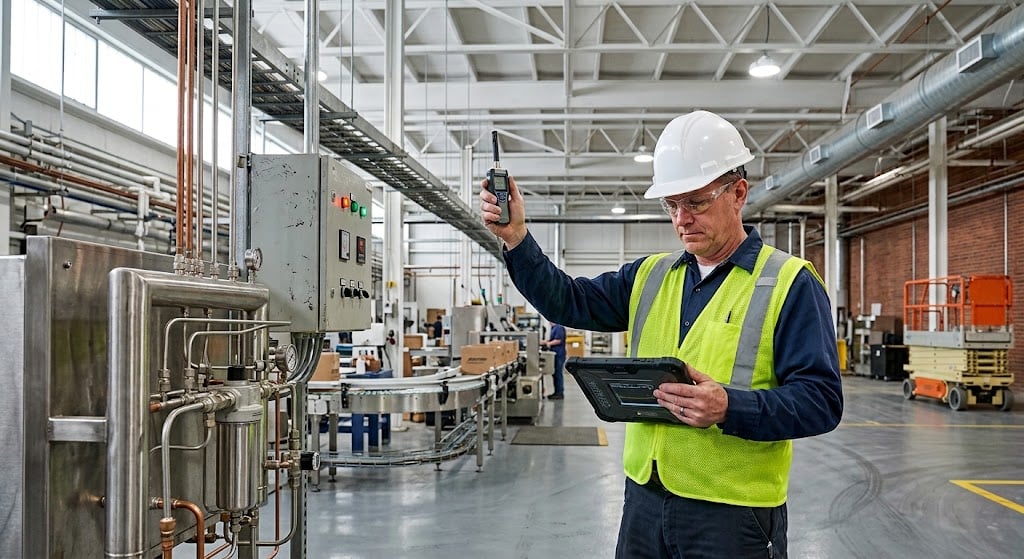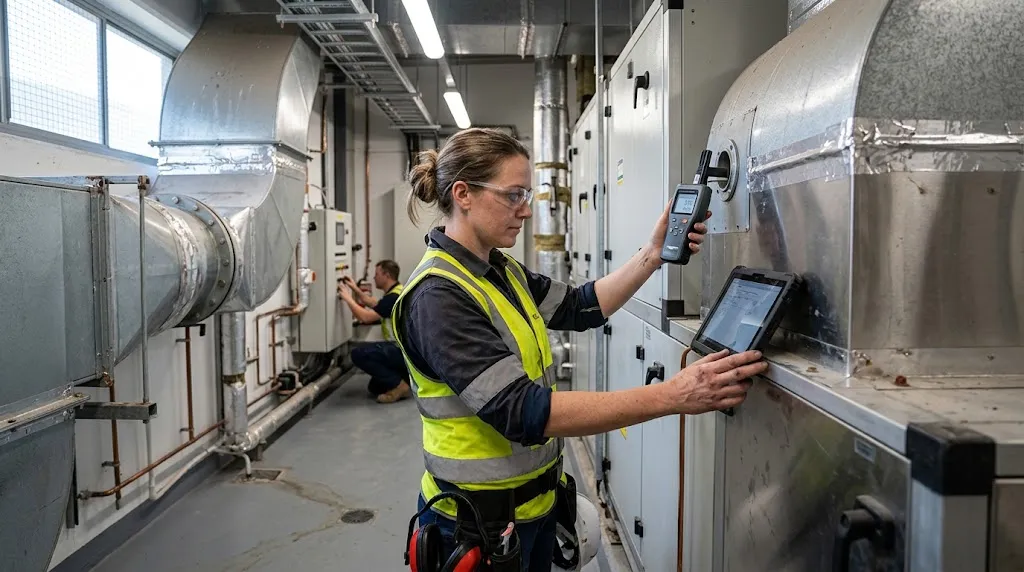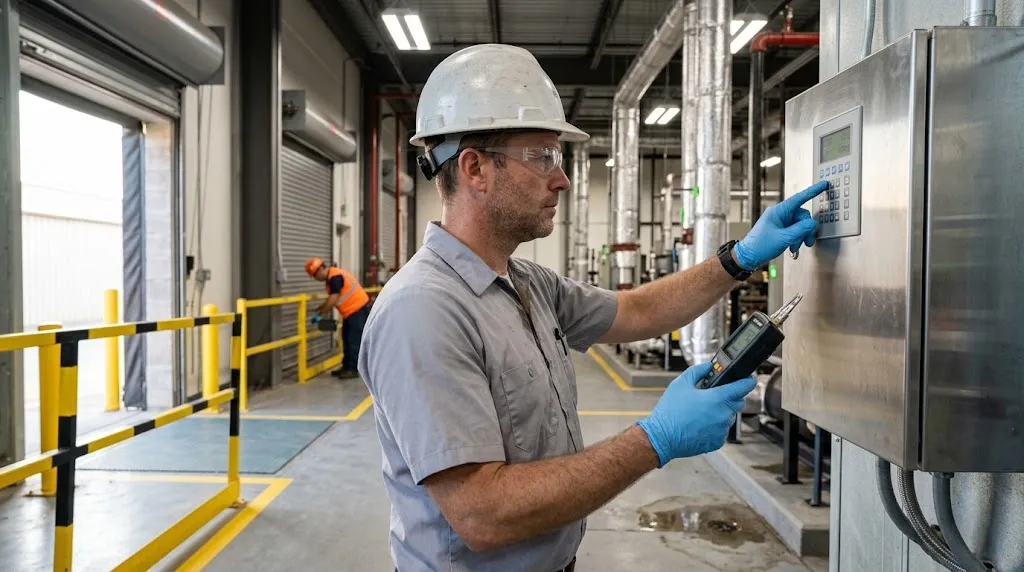


- Stable humidity helps reduce corrosion risks during automotive assembly.
- Balanced moisture levels support reliable paint adhesion and coating performance.
- Consistent humidity helps limit static electricity around sensitive electronics.
- Controlled environmental conditions protect materials and production equipment.
- Uniform humidity across production areas supports consistent manufacturing quality.
- Stable environmental control helps reduce defects and production waste.
Why Environmental Stability Matters in Automotive Facility Design
In the automotive industry, the design of facilities with controlled environmental conditions is crucial for ensuring consistent manufacturing quality and minimizing production risks. Environmental stability, particularly in terms of temperature and humidity control, plays a significant role in the production process.How Humidity Stability Supports Consistent Manufacturing Quality
Maintaining stable humidity levels helps ensure consistent manufacturing conditions throughout automotive production facilities. Balanced moisture levels support material stability and reduce the risk of corrosion or surface degradation during assembly and finishing processes. Humidity stability is also important in areas where electronic components are handled or assembled. Maintaining relative humidity around 40% to 60% helps reduce static electricity buildup and supports reliable performance of sensitive automotive electronics.Environmental Risks Caused by Poor Humidity Control in Production Facilities
Uncontrolled humidity can disrupt production environments and affect the reliability of automotive manufacturing processes. Both excessive moisture and overly dry conditions may influence materials, electronics, and assembly accuracy. The following points explain how different humidity levels can affect manufacturing conditions and production quality:- High humidity above 60% RH: Excess moisture can accelerate corrosion on metal components and contribute to the degradation of certain materials used during production.
- Manufacturing risks from high humidity: Corrosion and moisture exposure may lead to product quality issues, additional maintenance requirements, and potential equipment deterioration.
- Low humidity conditions: Very dry air can cause static electricity buildup and may dry out certain materials used in manufacturing processes.
- Manufacturing risks from low humidity: Static discharge can damage sensitive electronic components, while overly dry conditions may cause material cracking or instability.
- Stable humidity between 40% and 60% RH: Balanced humidity supports consistent assembly operations and helps maintain stable material behavior across production stages.
- Production benefits of stable humidity: Maintaining stable conditions helps reduce corrosion risks, limit static electricity, and protect materials from environmental degradation.
Environmental Requirements Across Automotive Production Areas
The automotive manufacturing process involves diverse operations, from assembly and electronics to paint shops, each demanding specific environmental conditions. Maintaining optimal environmental stability is crucial for ensuring the quality and reliability of the final product.Different Humidity Needs for Assembly, Electronics, and Paint Operations
Automotive manufacturing includes multiple production zones, and each area requires specific humidity and temperature conditions to maintain consistent product quality. Environmental control helps protect materials, electronics, and coatings during different stages of vehicle production. The following points explain typical environmental requirements across key production areas: Assembly areas- Assembly zones require stable conditions to support accurate component fitting and reliable equipment performance.
- Ideal conditions usually range between 65–75°F temperature and 40–60% relative humidity.
- Electronics assembly requires tighter humidity control to reduce static electricity that could damage sensitive circuits and sensors.
- These areas typically maintain 68–72°F temperature and 40–55% relative humidity.
- Paint booths require carefully controlled temperature and humidity to ensure proper paint atomization, adhesion, and curing.
- Ideal paint booth conditions are generally 68–72°F temperature and 50–60% relative humidity.
Maintaining different humidity ranges across these production areas often requires a system that can adapt to varying zone demands. Smart Fog humidification systems can be applied to help balance these conditions across the facility without disrupting sensitive processes.
Managing Environmental Consistency Across Large Manufacturing Spaces
Maintaining consistent conditions across large manufacturing spaces requires coordinated control of zoning, airflow, and humidity.- Zoned HVAC control: Divide the facility into zones to match conditions with process needs.
- Humidity control systems: Maintain stable RH levels across different areas.
- Airflow management: Ensure even distribution and prevent contamination spread.
- Environmental monitoring: Use sensors to track conditions across the facility.
- Centralized control: Integrate systems for coordinated adjustments.
- Regular calibration: Keep sensors and controls accurate over time.
Facility Zoning for Effective Environmental Control
Facility zoning plays a pivotal role in ensuring that different production areas within automotive manufacturing facilities operate under optimal environmental conditions. By dividing the facility into distinct zones, manufacturers can better control environmental factors such as humidity, temperature, and airflow, which are critical for various production processes.Separating High-Sensitivity Production Zones
High-sensitivity production zones, such as those involved in electronics assembly or paint operations, require precise environmental control to prevent defects and ensure quality. Separating these areas from other production zones helps in maintaining the specific humidity and temperature conditions necessary for these sensitive processes. The following zones typically require dedicated environmental control:- Electronics assembly areas require low humidity to prevent component damage.
- Paint operations need controlled humidity and temperature to ensure proper paint drying and adhesion.
- Assembly areas for other components may require different environmental conditions based on the materials used.
Coordinating Humidity, Temperature, and Airflow Across Departments
Coordinating environmental control across different departments is crucial for maintaining overall facility stability. This involves not only setting appropriate conditions for each zone but also ensuring that the transition between zones does not adversely affect production. For example, maintaining a stable humidity level is vital when moving products from one zone to another to prevent exposure to excess moisture or dry conditions. Effective coordination includes:- Implementing humidity control solutions tailored to the needs of each production zone.
- Designing airflow management systems that prevent the spread of contaminants and maintain environmental stability.
- Implementing precision humidity control systems to maintain stable environmental conditions across different production zones.
Integrating Humidity Control into HVAC and Facility Infrastructure
Humidity control plays a vital role in automotive manufacturing, and its integration into HVAC systems is key to environmental stability. Achieving this integration requires a comprehensive approach that considers the specific needs of different production areas and the overall facility infrastructure.Designing HVAC Systems to Support Stable Environmental Conditions
To support stable environmental conditions, HVAC systems must be designed with humidity control in mind. This involves selecting humidity control systems that maintain stable moisture levels across different production areas and help facilities maintain ideal humidity levels for each process. Sensitive processes such as electronics assembly and coating operations benefit from precise humidity control that prevents condensation and protects materials. The design should also incorporate energy-efficient strategies to minimize operational costs without compromising environmental stability. This can be achieved through the use of advanced sensors and control systems that monitor and adjust humidity levels in real-time, ensuring that the HVAC system operates optimally.Airflow Management and Humidity Distribution Across Large Plants
Maintaining uniform humidity across large plants depends on how airflow is designed, distributed, and controlled in real time.- Design for uniform airflow: Configure HVAC systems to deliver consistent airflow across all production zones.
- Prevent moisture buildup: Avoid high-humidity pockets that can lead to condensation or localized variation.
- Use sensor networks: Deploy real-time monitoring to track humidity and airflow across the facility.
- Optimize equipment placement: Position air handling units and ductwork to support even distribution.
- Enable responsive control: Adjust airflow and humidity dynamically based on real-time conditions.
Structural and Material Considerations for Humidity-Controlled Facilities
To ensure stable manufacturing environments, automotive manufacturers must focus on the structural and material aspects of their facilities. The integrity of automotive parts and components is significantly influenced by the facility's ability to maintain optimal humidity levels.Insulation, Air Sealing, and Moisture-Resistant Construction Materials
Effective insulation and air sealing are critical in maintaining a consistent internal environment. Moisture-resistant materials should be used to prevent water vapor from compromising the facility's structural integrity. This includes using materials that are resistant to mold and mildew, which can thrive in humid conditions. The choice of construction materials plays a pivotal role in moisture control. Materials such as stainless steel, certain plastics, and treated woods are preferred for their resistance to moisture-induced damage. Additionally, the use of vapor barriers in walls, floors, and ceilings can significantly reduce the risk of moisture infiltration.Preventing Condensation, Corrosion, and Material Degradation
Condensation occurs when the air reaches its dew point, leading to water accumulation on surfaces. This can cause corrosion of metal components and degradation of other materials. To prevent this, facilities can implement precise humidity control strategies that maintain balanced environmental conditions and prevent excessive moisture accumulation that could lead to condensation. Furthermore, maintaining a consistent temperature and humidity level is crucial. Fluctuations can lead to the expansion and contraction of materials, potentially causing warp or other forms of damage to automotive components. By controlling the environment, manufacturers can minimize the risk of such issues, ensuring the quality and reliability of their products. Some key strategies for preventing condensation and material degradation include:- Using precision humidification systems to maintain stable humidity levels across the facility.
- Implementing a robust insulation and air sealing strategy.
- Selecting materials that are resistant to moisture and corrosion.
- Regularly inspecting the facility for signs of moisture damage or condensation.
Energy Efficiency in Humidity-Controlled Automotive Facilities
Humidity-controlled automotive facilities must balance environmental stability with efficient energy use. Maintaining proper humidity levels protects materials, electronics, and coatings, but continuous climate control can increase energy consumption.Optimising Energy Use in Environmental Control Systems
Optimizing energy use in environmental control systems involves a combination of technological upgrades and operational adjustments. For instance, facilities can benefit from advanced HVAC systems that incorporate energy recovery ventilation and demand-controlled ventilation. These systems can significantly reduce energy consumption by minimizing the need for heating and cooling. Another strategy involves implementing precision humidity control systems designed to operate efficiently across varying environmental conditions. Advanced control technologies and sensor-driven adjustments help maintain stable humidity levels while minimizing energy consumption across large manufacturing facilities.- Implementing energy-efficient humidity control systems.
- Utilizing demand-controlled ventilation to optimize airflow.
- Leveraging energy recovery technologies to reduce HVAC load.
Systems like Smart Fog support energy-efficient humidity control by operating without heat-based processes, helping reduce overall HVAC load in large manufacturing environments.
Balancing Environmental Stability with Operational Efficiency
Automotive facilities must maintain stable environmental conditions while also managing energy consumption. Careful planning and monitoring help ensure humidity control systems support production quality without unnecessary energy use. The following strategies help balance environmental stability with operational efficiency:- Implement tiered environmental control systems so high-sensitivity zones can be controlled separately without over-conditioning the entire facility.
- Use energy-efficient dehumidification systems that can reduce energy consumption by up to 30% while maintaining stable humidity levels.
- Apply demand-controlled ventilation to adjust airflow based on real-time conditions, which can reduce energy use by up to 25% and lower greenhouse gas emissions.
Monitoring and Maintaining Environmental Stability in Automotive Plants
Ensuring the stability of environmental conditions is vital for preventing moisture damage and maintaining product quality in automotive manufacturing. Automotive plants must implement robust systems to monitor and control their environment continuously.Continuous Environmental Monitoring and Sensor Networks
Continuous environmental monitoring is critical for detecting changes in humidity and other environmental factors that could impact production. Sensor networks and humidity control systems play a key role in this process, providing real-time data on temperature, humidity, and other conditions across the facility.- Strategically placed sensors ensure comprehensive coverage of the manufacturing area.
- Advanced sensor technologies offer high accuracy and reliability.
- Real-time data enables prompt responses to environmental changes.
Preventive Maintenance for Long-Term Environmental Control
Preventive maintenance plays an important role in keeping environmental control systems reliable in automotive manufacturing facilities. Regular inspections and servicing help maintain stable humidity and temperature conditions required for consistent production quality. The following maintenance practices support long-term environmental control:- Inspect and calibrate environmental sensors regularly to ensure accurate monitoring of humidity and temperature.
- Perform routine checks on HVAC systems and other environmental control equipment to maintain proper operation.
- Replace worn or damaged components before they lead to system failures or production disruptions.