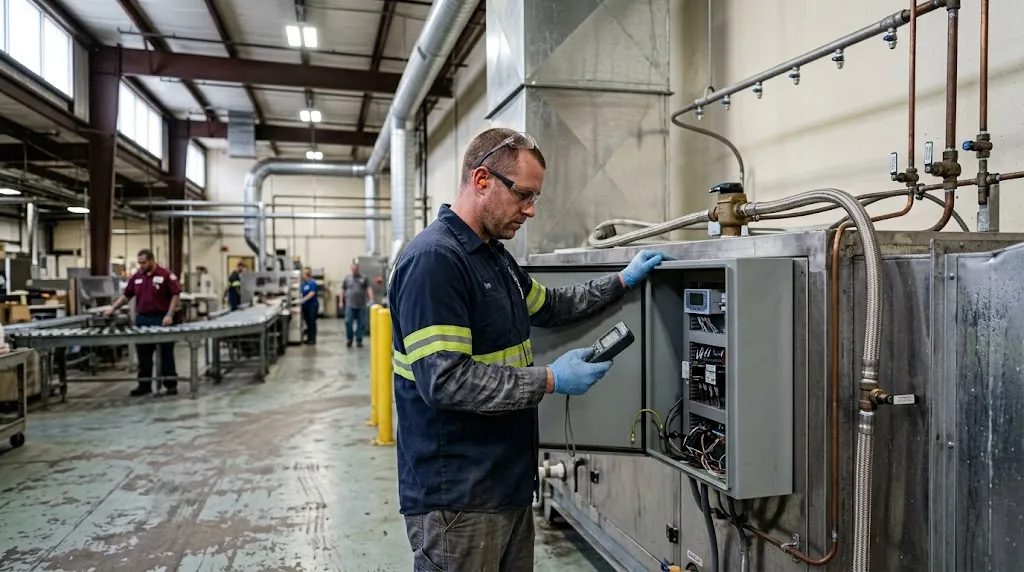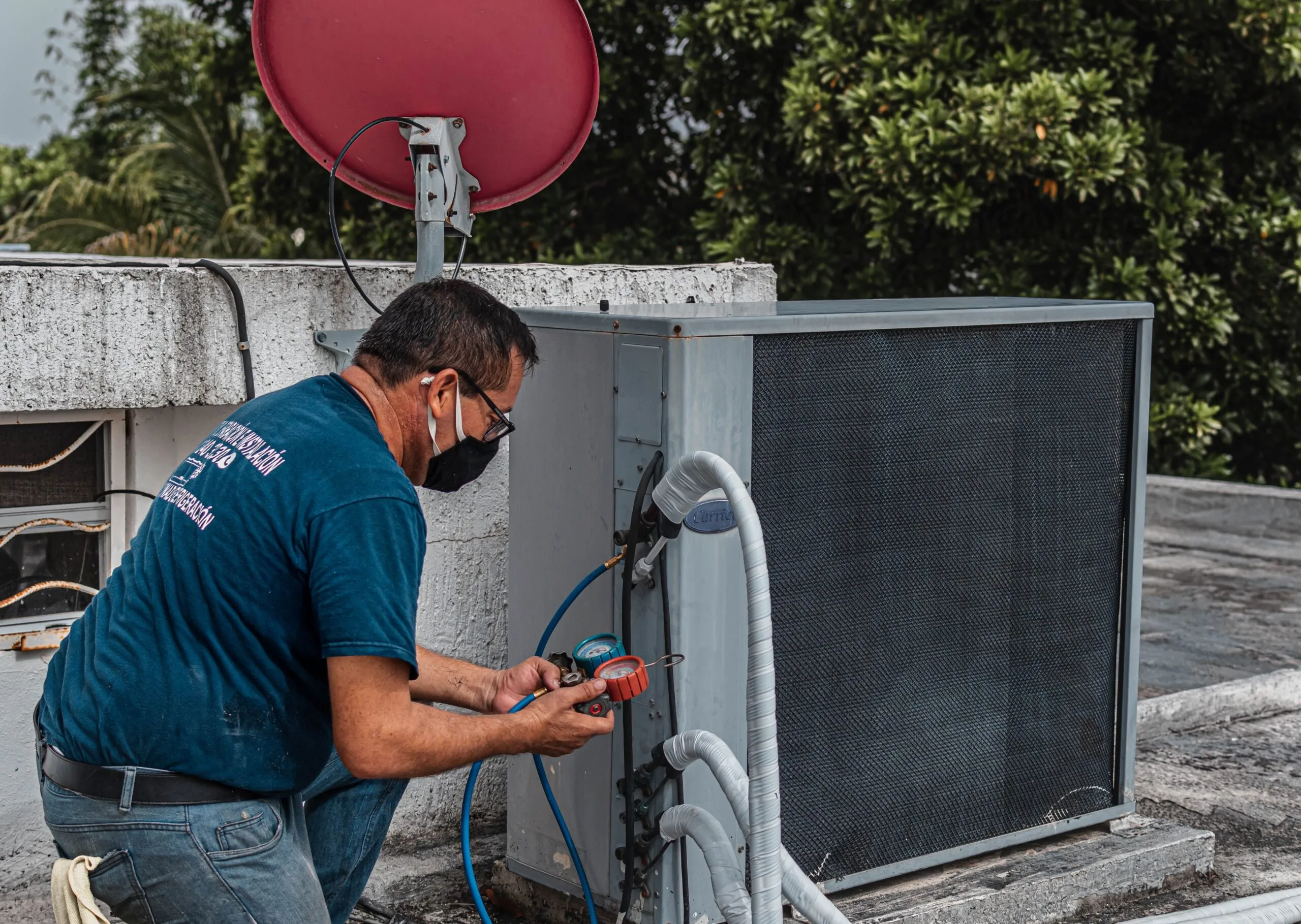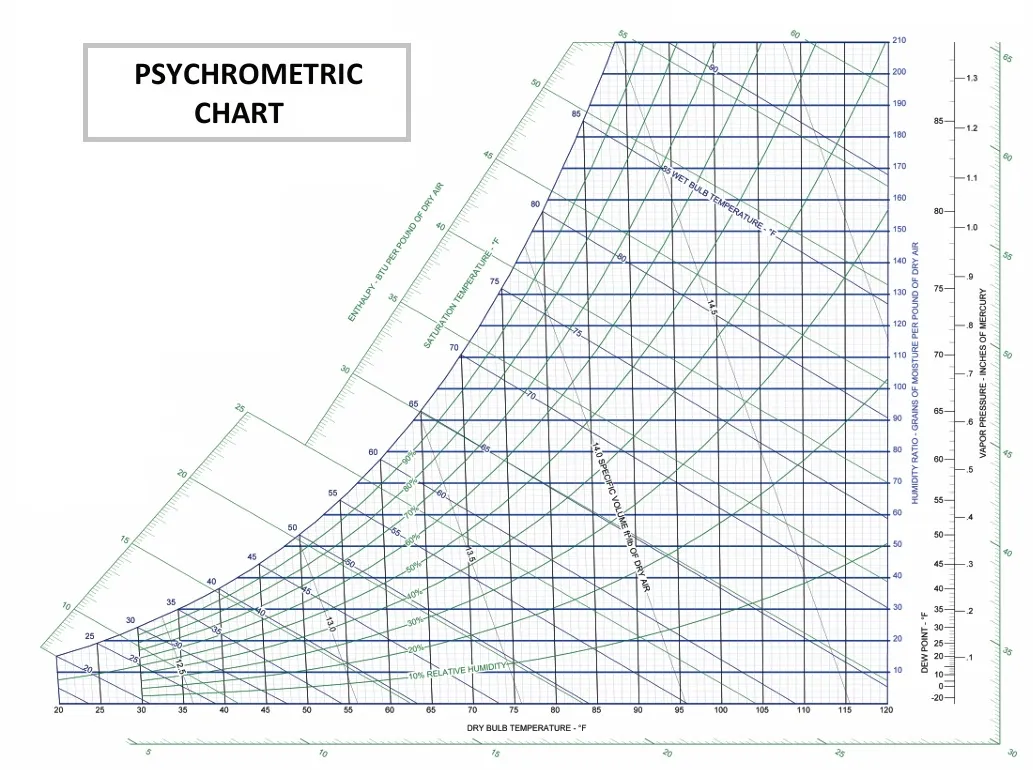
Mist systems serve a wide range of applications, from outdoor cooling to industrial humidification. High-pressure systems provide evaporative cooling outdoors, while precision industrial mist systems maintain humidity within ±1-2% accuracy without wetting surfaces. Choosing the right mist system depends on the environment, desired precision, and whether surface wetting can be tolerated.
Ido Goldstein
Chief Technology Officer at Smart Fog
Author
Ido Goldstein is a technology innovator with deep expertise in humidity engineering, climate control, and non-wetting fog systems. He has spent years advancing energy-efficient and water-smart solutions that help industries like cleanrooms, data centers, wineries, and greenhouses maintain precise environmental control.
Passionate about technology with real-world impact, Ido also supports sustainable agriculture initiatives and nonprofit innovation. Through this blog, he shares practical insights on HVAC advancements, indoor air quality, and the science behind high-performing environments.
Non-Wetting Humidification: What It Means and Why It Matters
Non-wetting humidification adds moisture to the air without creating condensation on equipment, products, or facility surfaces. By producing droplets that fully evaporate before surface contact, these systems provide precise humidity control while eliminating the corrosion, contamination, mold growth, and equipment damage risks associated with conventional humidification methods.
Misting Nozzles: Types, How They Work, and How to Choose the Right One
Misting nozzles are the core component of any mist system, controlling droplet size, spray pattern, and overall performance for cooling, humidification, dust suppression, and industrial applications. Selecting the right nozzle requires understanding atomization methods, operating pressure, material compatibility, and maintenance requirements to ensure reliable performance and efficient moisture distribution.
Industrial Humidification Systems: How They Work, Types, and How to Specify One
Industrial humidification systems maintain precise environmental conditions through integrated moisture generation, distribution, monitoring, and control technologies. Proper system specification requires accurate load calculations, engineered distribution design, and control integration to ensure consistent humidity levels, protect equipment, support product quality, and deliver reliable performance across large industrial facilities.
Humidity Control for Manufacturing: Why It Matters and How to Implement It
Humidity control plays a critical role in manufacturing by preventing electrostatic discharge, maintaining material stability, protecting equipment, and reducing product defects. Implementing the right humidification system requires accurate load calculations, facility-wide monitoring, and technology capable of maintaining precise humidity levels without creating surface moisture or disrupting production processes.
Laboratory Humidifiers: Precision Humidity Control for Labs and Test Environments
Laboratory humidifiers provide precise humidity control to protect analytical instruments, preserve sample integrity, and prevent contamination in controlled testing environments. Maintaining stable humidity levels helps eliminate static-related measurement errors, reduce instrument drift, and support consistent, reproducible results while ensuring laboratory equipment and sensitive materials remain protected.
Gas Turbine Inlet Fogging: How It Improves Power Output and Efficiency
Gas turbine inlet fogging improves power output and efficiency by cooling incoming air before it enters the compressor. Fine water droplets evaporate rapidly, increasing air density and mass flow through the turbine, helping power plants maintain capacity and improve performance during hot weather conditions.
How Do Industrial Humidifiers Work? A Complete Technical Guide
Industrial humidifiers add controlled moisture to the air using technologies such as steam generation, evaporation, ultrasonic vibration, and dry fog atomization. Each approach offers different advantages in humidity range, precision, energy consumption, and maintenance requirements, making technology selection critical for facilities that depend on stable environmental conditions, equipment protection, and consistent product quality.
High Pressure Misting Systems: How They Work, Applications, and Buying Guide
High pressure misting systems use pumps operating at 1000 PSI or higher to create fine water droplets that evaporate rapidly, providing effective cooling and humidity control for residential, commercial, and industrial environments. Understanding how pressure, nozzle design, and system components work together helps buyers choose a misting solution that balances performance, maintenance requirements, and long-term reliability.
Air Atomization: How It Works and How It Compares to Hydraulic Fogging
Air atomization uses compressed air and liquid mixing to create fine, uniform droplets through twin-fluid technology. Unlike hydraulic fogging systems that rely solely on high liquid pressure, air atomization offers greater control over droplet size, improved spray consistency, and lower liquid pressure requirements, making it ideal for precision humidification, dust suppression, and industrial cooling applications.