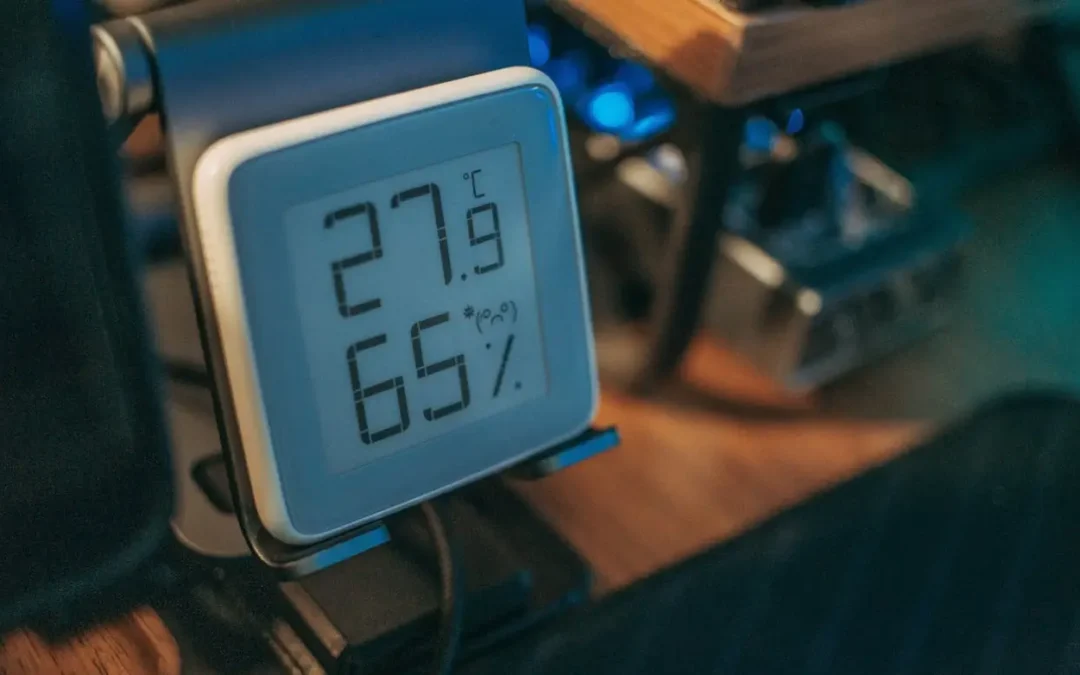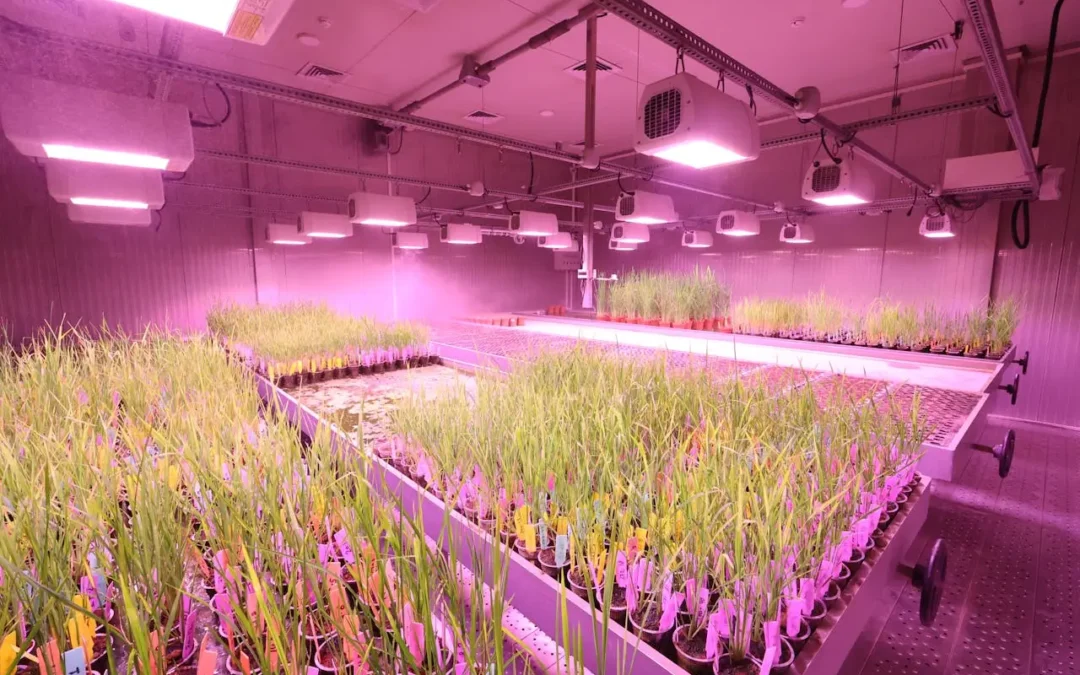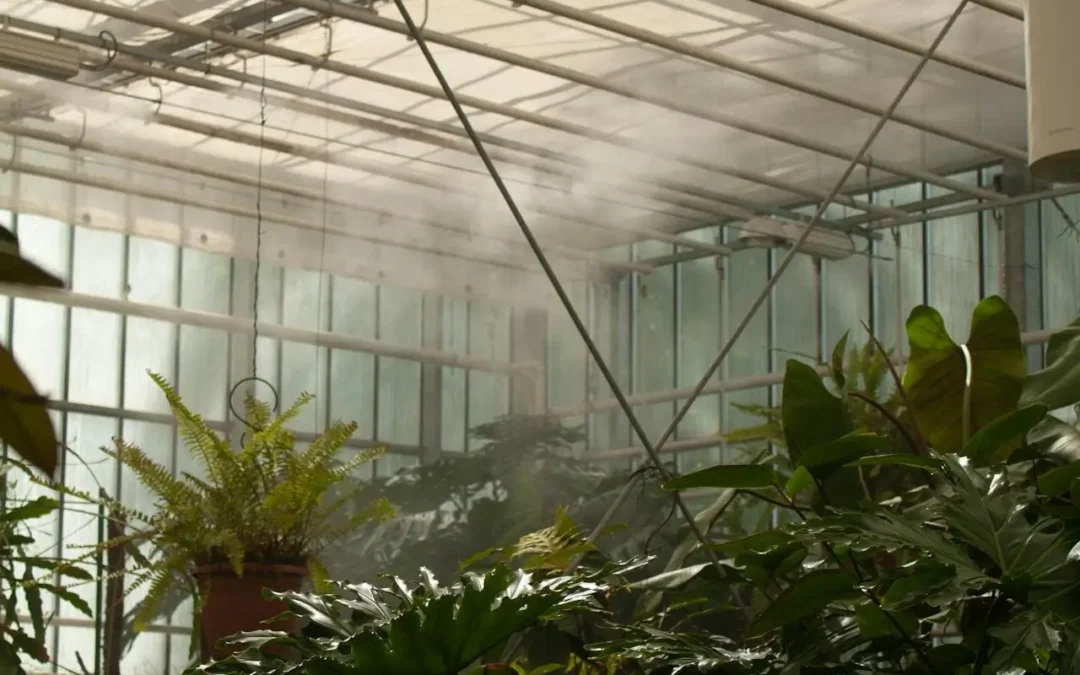


Maintaining the right humidity level is a critical part of facility performance. When indoor air becomes too dry, operations can be affected by static buildup, material instability, equipment risk, and inconsistent environmental conditions.
Industrial humidification systems help correct that imbalance by delivering controlled moisture into the air. The right system supports stable conditions, protects sensitive spaces, and helps facility managers maintain better operational consistency over time.
Key Takeaways
- Industrial humidification is used to maintain stable relative humidity in large or sensitive environments.
- The right system helps reduce static risk, material damage, and process instability caused by dry air.
- System selection should be based on precision, reliability, facility requirements, and long-term operating needs.
- Not all humidification technologies perform the same way in industrial environments.
- Non-wetting systems are especially important where moisture on surfaces can create safety or equipment risks.
What Is an Industrial Humidifier?
An industrial humidifier is a system designed to maintain controlled humidity levels in large-scale or sensitive environments. Unlike small portable units used for comfort, industrial systems are built to support process stability, equipment protection, and environmental consistency across demanding facilities.
Industrial vs Commercial vs Residential: Where the Lines Are
The difference between residential, commercial, and industrial humidification comes down to output, durability, and control capability. Residential systems are built for comfort in small spaces, while commercial systems serve moderate-use environments such as offices, schools, or retail buildings.
Industrial systems are designed for facilities that need stable humidity under continuous operating conditions. They are built for heavier demand, more precise control, and stronger long-term reliability than standard comfort-focused equipment.
Here is how the categories typically differ:
- Residential: Built for small spaces, comfort use, and lighter operating demands.
- Commercial: Suited for moderate-capacity applications such as offices or public buildings.
- Industrial: Engineered for continuous-duty operation, tighter control, and demanding environmental requirements.
What Separates an Engineered System from an Off-the-Shelf Unit
Facility managers often need to decide between a standard packaged unit and a more engineered humidification solution. Off-the-shelf equipment may work in lighter applications, but it is often limited in control flexibility, system durability, and performance consistency.
An engineered system is designed around the facility itself, including its layout, air movement, production demands, and humidity targets. That makes it a better fit for operations where environmental stability has a direct effect on quality, safety, or uptime.
A well-engineered system usually offers several practical advantages:
- Humidity output matched to the actual space and operating conditions.
- Better long-term reliability under continuous use.
- More precise control of relative humidity.
- Stronger integration with existing building or process systems.
- Lower risk of performance gaps caused by generic equipment sizing.
Types of Industrial Humidification Systems
There are several types of industrial humidification systems used across large facilities. Each one works differently, and each comes with different trade-offs related to energy use, maintenance, control precision, and suitability for sensitive environments.
Steam Humidifiers
Steam humidifiers generate water vapor through heat and introduce it into the air to raise humidity levels. These systems are often used where precise control and hygienic operation are important, including certain healthcare or laboratory environments.
They can be effective, but they generally require more energy than adiabatic systems. That higher energy demand is one of the main considerations for facilities comparing long-term operating cost.
Ultrasonic Humidifiers
Ultrasonic humidifiers use high-frequency vibration to disperse water into the air. They are often selected for applications where energy efficiency and quiet operation are priorities.
These systems can be useful in some commercial and light industrial environments, but performance depends heavily on water quality, maintenance discipline, and application fit. They should be evaluated carefully when used in facilities where precision and consistency are critical.
High-Pressure Systems
High-pressure humidification systems use pressurized water through nozzles to support moisture control in larger industrial spaces where substantial output is needed.
These systems can support large-scale humidity control, but they also require close attention to water treatment, nozzle condition, and maintenance. In the wrong setup, they may increase the risk of unwanted surface moisture.
Adiabatic Dry Fog Humidification Systems
Adiabatic Dry Fog humidification systems use compressed air and water through a specialized nozzle to create an equal-sized grid of self-evaporating droplets. These droplets evaporate before reaching floors, walls, equipment, or other surfaces, which allows the system to deliver stable humidity control without wetting the space during normal operation.
Why Non-Wetting Matters in Industrial Environments
In industrial spaces, humidity control should raise moisture levels without creating surface moisture. That matters because wet floors, equipment, and stored materials can lead to safety issues, corrosion, contamination risk, and process disruption. Excess moisture in occupied or controlled environments is also linked to indoor air quality risks.
What Happens When Humidity Control Wets Surfaces
When humidity systems leave moisture on surfaces, the result is more than inconvenience. Surface wetting can damage equipment, affect product quality, create slip hazards, and increase maintenance problems across the facility.
Common risks include:
- Equipment corrosion
- Safety hazards from wet floors
- Inventory or material damage
- Reduced process stability
- Higher maintenance and downtime
How Dry Fog Systems Humidify Without Wetting Surfaces
Dry Fog systems are designed to deliver humidity without wetting surrounding surfaces during normal operation. They release ultra-fine, self-evaporating droplets that turn into humidity before reaching floors, walls, equipment, or stored materials.
This is where Smart Fog stands apart. Smart Fog is a non-wetting precision humidification system that uses self-evaporating droplets to deliver stable, uniform humidity control. It uses compressed air and water through a proprietary nozzle to create a fine, equal-sized droplet grid that evaporates before reaching floors, walls, equipment, or stored materials during normal operation.
Industrial Humidifier Applications by Facility Type
Different facilities use humidity control for different reasons, but the main goal is the same: protect operations, equipment, and materials by keeping environmental conditions stable.
Data Centers
Data centers need stable humidity to help reduce electrostatic discharge risk and protect sensitive electronic hardware. Dry air can increase static buildup, which creates avoidable risk for critical systems. Maintaining proper humidity ranges is part of standard data center environmental design.
Non-wetting performance is especially important in these environments because moisture on equipment is not acceptable. The right system supports stable humidity without creating added surface risk around sensitive hardware.
Defence and Military Facilities
Defence and military facilities often depend on controlled humidity to protect electronics, materials, and mission-critical systems. In these spaces, environmental stability supports both equipment protection and operational reliability.
These applications also require systems that can perform consistently under demanding conditions. Precision, durability, and non-wetting operation are important when humidity control is part of a larger facility strategy.
Hospitals and Healthcare Environments
Healthcare spaces need consistent humidity control to support stable indoor conditions and protect sensitive equipment and surfaces. In these environments, humidity performance must be reliable and carefully managed.
Precision matters more than simple moisture output. A well-matched system helps maintain controlled conditions without creating surface moisture that could interfere with sensitive areas.
Printing Facilities
Printing environments rely on stable humidity to help prevent paper movement, handling issues, and print inconsistency. Dry air can affect how paper behaves during production, which can reduce accuracy and increase waste.
Non-wetting humidity control helps support production without adding moisture-related problems around presses, paper stock, or nearby equipment. That makes stable humidity an important part of print quality and consistency.
Food Processing, Cold Storage, and Cannabis Cultivation
These environments often depend on stable humidity to help protect product quality, reduce material loss, and support more consistent operating conditions. In cold storage and other controlled spaces, non-wetting performance is especially important because unwanted surface moisture can create operational and sanitation problems.
Controlling moisture exposure is also critical for food safety and sanitation. A well-matched humidification system helps maintain stable humidity without wetting floors, walls, equipment, or stored product during normal operation.
Key Buying Criteria for Industrial Humidification Systems
Choosing the right system means looking beyond output alone. Facility managers should focus on performance, reliability, maintenance, and long-term fit.
RH Precision and Stability
A strong system should maintain the target humidity range consistently. Stable RH is important in spaces where fluctuation can affect equipment, materials, or production quality.
Precision also helps reduce environmental swings that can create avoidable operational problems. The more sensitive the facility, the more important stable humidity control becomes.
Maintenance Requirements and Total Cost of Ownership
The real cost of a system includes more than the purchase price. Maintenance needs, service intervals, downtime risk, and long-term wear all affect overall value.
A lower upfront cost does not always mean better long-term performance. In many facilities, a more reliable system delivers better value by reducing service burden and disruption over time.
Installation, Scalability, and Facility Integration
The right system should fit the current facility layout while also supporting future growth. Good integration helps maintain even humidity without unnecessary complexity or redesign.
Scalability matters when production needs change over time. A system that adapts more easily can support long-term planning and more consistent performance across the facility.
Complete System vs Component Purchasing
A complete engineered system usually offers better compatibility, simpler support, and more consistent performance. Because the parts are designed to work together, installation and operation are often more straightforward.
Separate components may offer flexibility, but they can also increase complexity during setup, maintenance, and troubleshooting. For many facilities, a complete system provides a more dependable long-term solution.
A complete system typically offers:
- Better compatibility across all parts
- Simpler installation and support
- More consistent overall performance
- Lower integration risk
- A more dependable long-term solution
Component-based purchasing may offer:
- More flexibility for custom setups
- Greater installation complexity
- Higher troubleshooting effort
- More coordination across parts or vendors
- A less predictable long-term support experience
Smart Fog Industrial Humidification Systems
Smart Fog is a non-wetting precision humidification system that uses self-evaporating droplets to deliver stable, uniform humidity control. It is designed for facilities that need reliable humidity performance without the surface wetting risks associated with legacy humidification approaches.
How Smart Fog’s Technology Works
Smart Fog uses compressed air and water through a proprietary nozzle to create a fine, equal-sized droplet grid. These self-evaporating droplets are designed to evaporate before reaching floors, walls, equipment, or stored materials during normal operation.
That is what allows the system to deliver non-wetting humidity control. The goal is not just to add moisture to the air, but to do it in a way that supports stable humidity without creating condensation or surface moisture across the space.
System Performance and Facility Value
Smart Fog systems are built to support stable humidity in facilities where environmental fluctuation can affect equipment, materials, or process reliability. By maintaining more consistent conditions, they help reduce the dry air problems that often contribute to static buildup, material stress, and operational instability.
They are also designed as complete engineered systems for facilities that need long-term reliability, scalable performance, and low-maintenance operation. Smart Fog systems are made in the USA, easy to install, and built for dependable 24/7 set-and-forget performance in demanding environments.
A few key advantages include:
- Stable, uniform humidity control
- Non-wetting performance during normal operation
- Complete engineered system design
- Easy installation without certified specialists
- Low-maintenance operation
- Scalable performance for different facility sizes
Smart Fog systems deliver precision humidity control up to 99% RH with ±1–2% stability, designed to maintain consistent conditions even in demanding operating environments.
Summary and Next Steps
Effective humidity control is part of protecting both facility performance and long-term operational consistency. The right system helps create a more stable environment for sensitive equipment, materials, and day-to-day processes.
Smart Fog is built for facilities that need precise, non-wetting humidification without the limitations of older system types. Reviewing your current humidity strategy can help identify where a more engineered solution would improve reliability, protection, and overall environmental control. Explore Smart Fog’s industrial humidification systems or contact the team to discuss your facility requirements.
FAQ
What differentiates an industrial humidifier from a standard commercial unit?
An industrial humidifier is built for continuous, heavy-duty use in larger or more sensitive facilities. Commercial units usually support lighter demand and often do not offer the same durability, scale, or control.
Why is non-wetting technology critical for facility management?
Non-wetting technology helps raise humidity without leaving moisture on floors, equipment, or materials. That reduces risks such as corrosion, contamination, slip hazards, and downtime in sensitive industrial environments.
How do industrial humidification systems prevent electrostatic discharge (ESD) in data centers?
Industrial humidification systems help reduce ESD by keeping relative humidity in a stable range. That lowers static buildup in dry environments and helps protect sensitive servers, circuit boards, and other electronic hardware.
What are the primary types of industrial humidifiers available for large-scale operations?
The main types are steam, ultrasonic, high-pressure, and adiabatic systems. Each works differently, but facilities usually compare them based on control, maintenance, energy use, and non-wetting performance.
Can industrial humidifiers be integrated into existing HVAC infrastructure?
Yes, many industrial humidifiers can be integrated into existing HVAC systems or installed for direct-space use. The right setup depends on facility layout, humidity targets, and how the space is already conditioned.