

Commercial humidifiers range from portable consumer-grade units marketed as “commercial” to fully engineered industrial humidification systems built for continuous facility-wide operation. The difference matters because undersized or poorly matched systems fail to maintain stable RH, create maintenance burdens, and leave sensitive equipment and materials unprotected. The right commercial humidifier depends on facility size, industry application, RH targets, and how precisely humidity must be controlled.
This guide covers the main technology types, how to size a system for your facility, total cost of ownership, and which applications each technology serves best.
Key Takeaways
- Proper moisture levels help improve indoor air quality and workplace comfort
- Balanced humidity can reduce respiratory irritation caused by dry air
- Stable humidity helps protect sensitive equipment from static-related damage
- Better indoor conditions can support stronger workplace productivity
- The right technology matters for long-term facility efficiency
What Makes a Humidifier Truly Commercial Grade
A truly commercial-grade humidifier is built for continuous operation, stronger control, and more demanding environments than standard consumer units. In commercial and industrial settings, equipment must deliver stable performance without frequent breakdowns or interruptions.
Consumer vs Commercial vs Industrial: The Real Differences
The real difference between these categories comes down to application scale, operating demand, and system design. Consumer humidifiers are usually built for smaller spaces and lighter use, while commercial and industrial systems are made for larger environments that need more consistent output and stronger control.
Here are the main differences across these categories:
- Duty cycle: Consumer units are typically used for shorter and lighter operating periods, while commercial and industrial systems are built to handle longer run times and higher demand.
- Control precision: Consumer models usually offer basic settings, while commercial and industrial systems are designed for more stable and accurate humidity control.
- Maintenance needs: Smaller units often need more hands-on cleaning and refilling, while larger systems are built for structured maintenance and more reliable long-term operation.
- Application size: Consumer systems are suited for homes and small rooms, while commercial and industrial systems are intended for larger facilities, controlled spaces, and higher-capacity use.
Key Performance Metrics to Evaluate
Evaluating a commercial humidifier means looking beyond basic moisture output. The most important metrics show how well the system maintains stable humidity, protects equipment, and supports indoor air quality over time.
Stable relative humidity is important for reducing static electricity in sensitive environments. Consistent control of temperature and humidity also helps limit mold risk and supports a healthier indoor space.
When comparing industrial humidifier options, look at how well the system performs in dry air conditions. Strong systems maintain steady humidity even in dry climates, which helps support long-term value and reliable control.
Types of Commercial Humidification Systems
Commercial and industrial facilities use several humidification methods to maintain stable air conditions. The right system depends on facility needs, energy goals, and how sensitive the environment is to moisture variation or surface wetting.
Commercial Steam Humidifiers
Steam humidifiers boil water and inject the resulting vapor directly into the airstream through a dispersion tube. Because the moisture enters as vapor rather than liquid droplets, steam systems can raise humidity quickly and maintain tight control across large spaces.
The boiling process removes many water impurities before the moisture enters the air, which is why steam is commonly specified in healthcare, pharmaceutical, and cleanroom environments. The trade-off is energy consumption: heating water to boiling requires significantly more power than adiabatic alternatives.
Commercial Ultrasonic Humidifiers
Ultrasonic systems use high-frequency vibrations to turn water into a fine mist that is released into the air. Because they do not rely on heating elements, they are known for lower energy use and fast response times in environments that need efficient humidity control.
These systems are often selected for electronics, laboratories, and other controlled spaces where temperature rise is not desirable. Their performance depends heavily on water quality, but when properly maintained, they offer efficient and consistent humidification.
Evaporative Commercial Humidifiers
Evaporative systems move air through a wet media pad so moisture can enter the air through natural evaporation. This makes them a practical and cost-effective option for larger spaces where broad coverage matters more than extremely tight control, especially in warehouse climate control applications.
They are commonly used in warehouses, industrial plants, and other large facilities where energy efficiency and simpler operation are priorities. In addition to adding moisture, they can also help with air movement and basic particle capture as air passes through the system.
Dry Fog Humidification Systems
Dry fog systems combine compressed air and water through a proprietary nozzle to produce a uniform grid of self-evaporating droplets. The droplets evaporate before reaching surrounding surfaces, which allows the system to raise humidity to target levels without condensation, surface wetting, or moisture damage to equipment and materials.
Smart Fog pioneered this approach and engineers its systems for non-wetting, precision humidity control up to 99% RH with ±1–2% accuracy.
The main differences between these technologies include:
- Steam: Delivers hygienic output and is often used in healthcare or hygiene-sensitive environments
- Ultrasonic: Offers strong energy efficiency and is often used in electronics or controlled spaces
- Evaporative: Supports low-maintenance operation and works well in large warehouses
- Dry Fog: Prevents surface wetting and is often used in manufacturing and precision environments
Whether the system is steam-based, evaporative, ultrasonic, or dry fog, the main goal is the same: maintaining stable environmental conditions that support long-term facility performance.
How to Size a Commercial Humidifier for Your Facility
Proper sizing is one of the most important parts of commercial humidifier selection. A system that is too small may struggle to maintain target humidity, while an oversized system can waste energy and reduce efficiency.
Calculating Output Requirements
To size a commercial humidifier correctly, you first need to define the target relative humidity for the space. From there, you should calculate the total room volume and account for moisture loss caused by ventilation, air exchange, and outside air conditions. This helps ensure the system can maintain stable humidity even when weather conditions change.
Several factors affect the final output requirement:
- Total cubic footage: The overall size of the conditioned space
- Air exchange and ventilation: How quickly moisture is removed from the building
- Target RH levels: The humidity range needed for comfort or process control
- Internal heat loads: Heat from machinery or equipment that can affect moisture demand
Coverage Area and Airflow Considerations
Moisture output alone is not enough if the air is not distributed properly. Airflow patterns inside the facility play a major role in how evenly humidity spreads, which is why coverage area and distribution design matter just as much as system capacity.
A well-designed system uses controls and sensors to respond to actual room conditions in real time. This helps prevent uneven humidity, reduces wasted energy, and supports more stable indoor conditions across the space. Whether the environment is a warehouse or a cleanroom, proper sizing and airflow planning are essential for long-term performance.
Total Cost of Ownership, Beyond the Purchase Price
The real cost of a commercial humidifier goes far beyond the initial purchase price. To measure long-term value properly, facility managers need to look at energy use, maintenance demands, durability, and the cost of downtime over the full life of the system.
Energy Consumption by Technology Type
Energy use is one of the biggest factors in long-term operating cost. Steam-based systems usually require more power because they must boil water to produce moisture, which can raise utility costs in large facilities. Evaporative systems use the natural process of evaporation, which often makes them a more energy-efficient option.
When adding a humidifier to an existing HVAC system, it is important to compare the power demand of each technology. Higher-capacity systems may use more electricity, but they can also provide stronger humidity control in demanding environments. The goal is to match system capacity with operating efficiency so the equipment supports both performance and budget stability.
Maintenance, Parts, and Downtime
Maintenance costs also shape the total cost of ownership over time. Systems built with durable materials such as stainless steel usually offer better resistance to corrosion and wear, which helps reduce repair frequency and improves long-term reliability. In busy facilities, that added durability can make a major difference.
Routine service is still necessary, including tasks such as filter changes, inspections, and part replacement when needed. Systems with readily available parts are easier to maintain and less likely to create long service delays. This helps reduce unplanned downtime and keeps smaller maintenance issues from turning into larger operational problems.
Lifespan and System Longevity
System lifespan has a direct impact on return on investment. A well-maintained commercial or industrial humidifier can operate for many years, which spreads the original cost across a longer service life and improves overall value. Higher-quality equipment often costs more at the start, but it can deliver better long-term performance.
The main ownership differences between steam and evaporative systems include:
- Energy Usage: Steam systems generally use high energy, while evaporative systems usually use less
- Maintenance Needs: Steam systems often need moderate maintenance, while evaporative systems usually have lower routine demands
- Material Quality: Steam systems are often built with stainless steel components, while evaporative systems are commonly built for industrial-grade use
Looking at total cost instead of purchase price leads to better long-term decisions. A durable, efficient system can reduce replacements, limit downtime, and support a more stable operating environment for years to come.
Matching Humidifier Type to Industry Application
The right humidifier depends on what the facility needs to protect, control, or produce. Different industries face different humidity risks, so the best system is the one that matches the environment, process, and performance requirement.
Data Centers and Electronics Manufacturing
In electronics environments, dry air creates a serious risk of static buildup that can damage sensitive components. Maintaining stable relative humidity helps reduce electrostatic discharge and supports safer operating conditions for servers, circuit boards, and production equipment.
These spaces usually need tight humidity control with minimal wetting risk. That is why precise systems are often preferred in electronics manufacturing and data center environments where even small air changes can affect performance.
Healthcare, Pharmaceuticals, and Cleanrooms
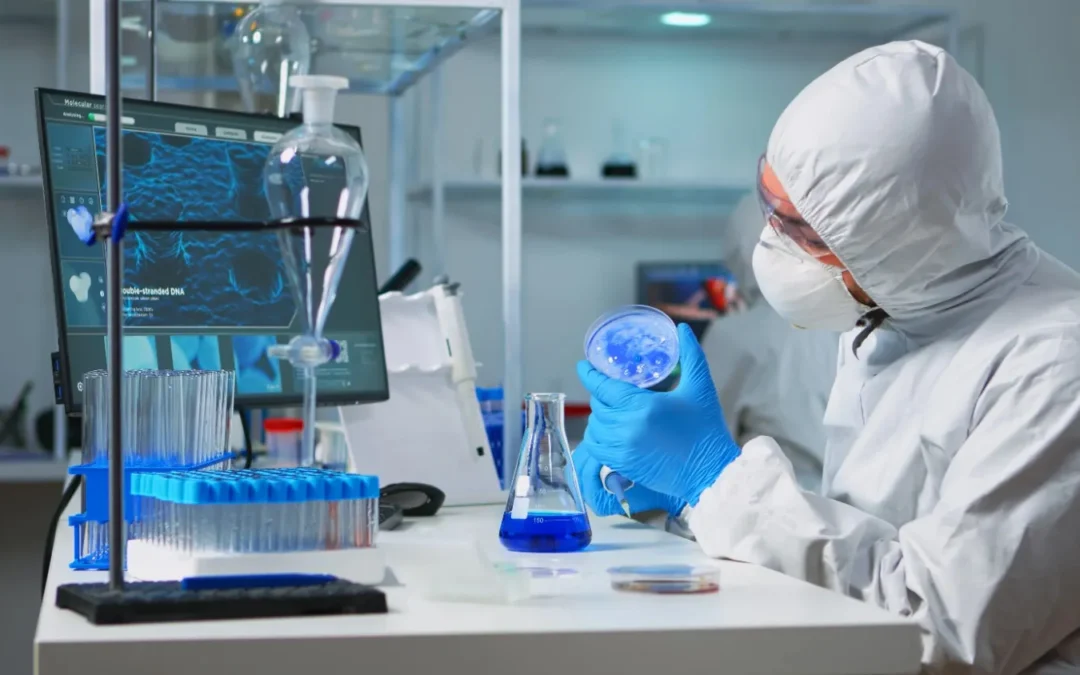
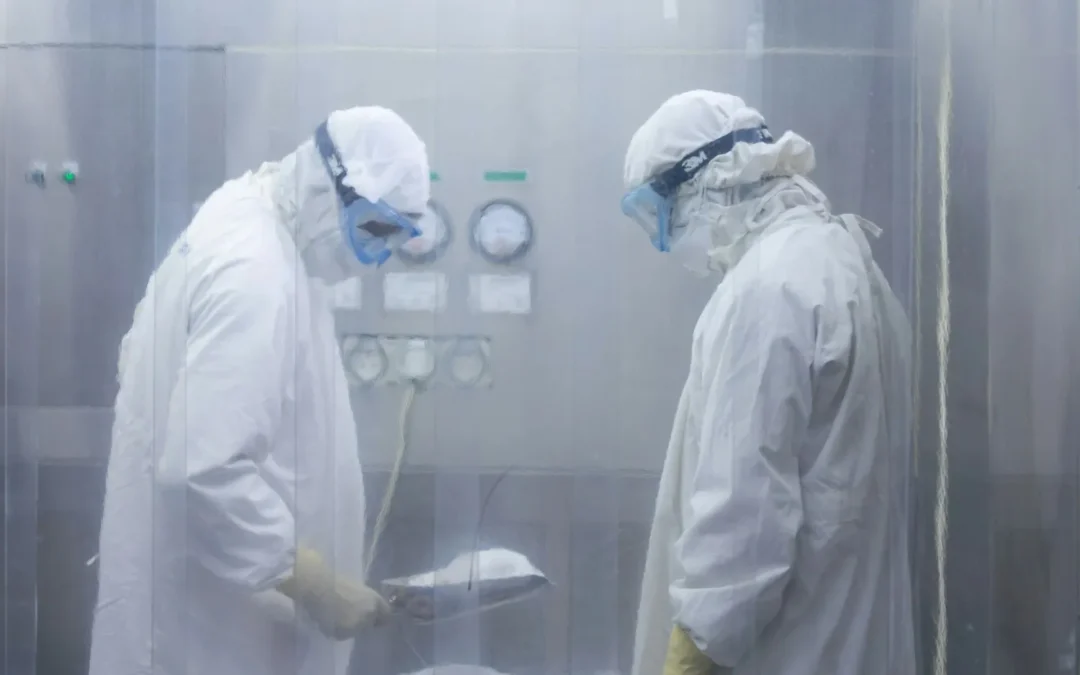
Pharmaceutical facilities and controlled clean environments need strict control over air conditions to help protect products, processes, and personnel. Proper HVAC and humidity control help maintain stable indoor conditions and support hygiene-focused operating standards.
These environments often need systems that deliver consistent control without disrupting sensitive processes. The goal is reliable environmental stability that supports compliance, cleanliness, contamination control, and product integrity.
Printing, Aerospace, and Defence
Printing, aerospace, and defence environments depend on stable humidity to protect material quality and process accuracy. In printing, poor moisture control can lead to curling, warping, or registration issues, while in aerospace and defence, humidity swings can interfere with static control and material consistency.
These industries benefit from systems that can maintain precision across large areas without creating condensation. Reliable control helps reduce defects, protect materials, and support smoother production.
Cold Storage, Food Processing, and Cannabis
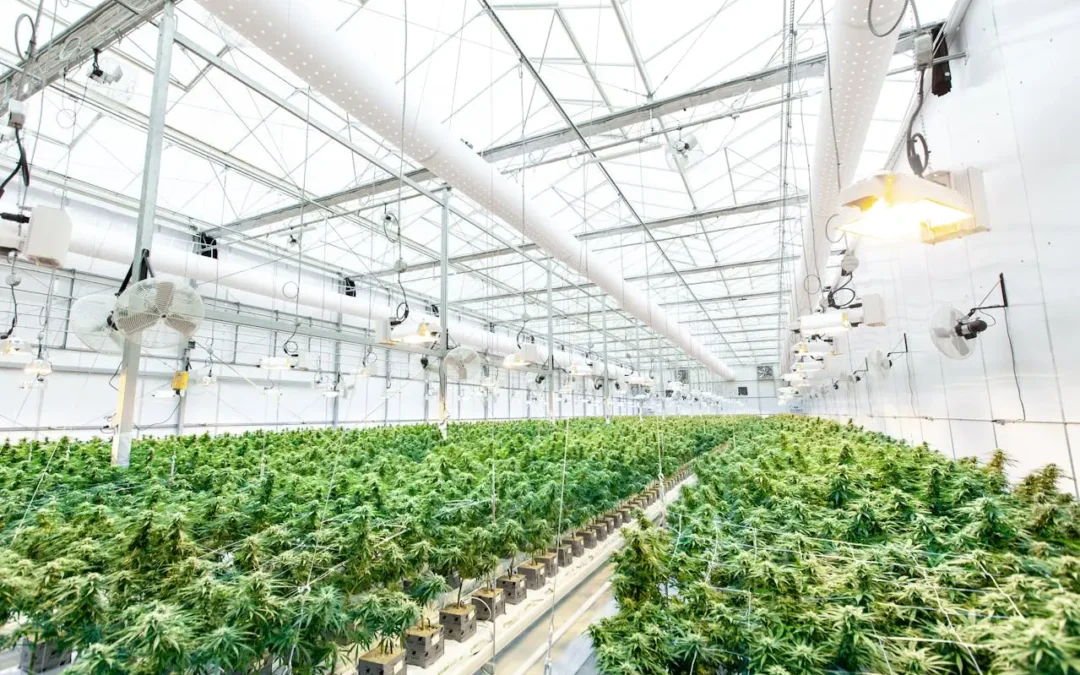
Cold storage, food processing, and cannabis facilities all need careful humidity control to protect product quality and storage conditions. In these environments, moisture levels can affect freshness, yield, shelf life, and the risk of mold or odor problems.
The right system depends on the application, but stable humidity remains essential across all three. Technologies such as dry fog or ultrasonic systems are often preferred where controlled moisture is needed without excess wetting, while larger facilities may also use evaporative systems for broader coverage.
Why Smart Fog Is the Commercial Standard
Smart Fog has set a higher standard for industrial humidification through engineered performance, precise droplet control, and reliable long-term operation. Facilities use it to maintain stable environmental conditions without the wetting risks often seen with conventional systems.
The Original Dry Fog System: Engineered, Not Assembled
Smart Fog is designed as a complete system rather than a collection of standard parts. It uses high-quality stainless steel components, pressurized water, and a proprietary nozzle to produce a consistent grid of self-evaporating droplets. This approach helps the system perform reliably in demanding industrial environments where stability and efficiency matter every day.
Its design also supports long-term durability and lower service disruption. Because the system is engineered for precise atomization, it can maintain performance across a wide range of applications, from textile production to healthcare and other controlled environments.
The main strengths of this design include:
- Precision engineering: Built for durability, reliability, and reduced downtime
- Advanced atomization: Produces droplets small enough to evaporate quickly
- Versatile use: Suitable for manufacturing, healthcare, and other controlled spaces
Non-Wetting Guarantee and Precision Control
One of Smart Fog’s biggest advantages is its ability to add moisture without leaving surfaces damp. Its self-evaporating droplet grid evaporates before contact, which helps prevent moisture buildup on equipment, floors, and surrounding materials.
A high-precision control system monitors humidity in real time. This level of control is important in environments where static, material instability, or process variation can affect performance.
The main performance differences include:
- Equal-sized droplet grid: Smart Fog produces a uniform droplet grid engineered to evaporate before surface contact, unlike standard ultrasonic systems where droplet size variability increases wetting risk.
- Maintenance: Smart Fog is designed for lower maintenance, while standard ultrasonic systems often need more frequent servicing
- Wetting risk: Smart Fog helps avoid surface wetting, while standard ultrasonic systems carry a higher wetting risk
Complete Solution, Made in the USA
A complete humidification system built in the USA can offer stronger long-term value through dependable performance, easier integration, and more consistent support. Smart Fog is designed to work with existing infrastructure while helping facilities improve humidity control, operating efficiency, and overall environmental stability.
For facilities focused on productivity, equipment protection, and long-term reliability, that complete-system approach can make a meaningful difference. It gives operators a solution built not just for moisture output, but for sustained industrial performance.
Summary
The right commercial humidifier does more than add moisture to the air. It helps protect equipment, support indoor air quality, improve workplace comfort, and maintain the stable conditions that many facilities need for reliable day-to-day performance.
That is why system design, control precision, and long-term efficiency matter as much as output. Smart Fog brings those requirements together through engineered Dry Fog technology, a non-wetting guarantee, and a complete system built for continuous industrial performance. Request a system assessment to find out what the right configuration looks like for your facility.
FAQ
What is the best commercial humidifier?
There is no single best commercial humidifier. The right system depends on facility size, industry application, RH targets, and sensitivity to surface moisture. Steam suits healthcare and cleanroom environments. Ultrasonic works well for electronics and laboratories. For large industrial facilities requiring precise, non-wetting humidity control at scale, engineered dry fog systems are the professional standard. Smart Fog, the originator of Dry Fog technology, is built specifically for that application.
How long do commercial humidifiers last?
Consumer-grade units marketed as “commercial” typically last three to five years under regular use. Engineered industrial humidification systems are built for significantly longer service life. Smart Fog systems are designed for continuous 24/7 operation with maintenance intervals measured in years rather than weeks, and no constant nozzle cleaning required.
What size humidifier do I need for a commercial space?
Sizing depends on the total volume of the conditioned space, the air exchange rate, the target RH level, and moisture loss caused by ventilation and outside air infiltration. Undersizing leads to inadequate humidity control; oversizing wastes energy and can cause condensation. A professional facility assessment is the most reliable path to correct sizing.
What is the difference between a commercial and industrial humidifier?
Commercial humidifiers are typically specified for office buildings, retail environments, and light-use applications where general comfort and basic RH maintenance are the goals. Industrial humidifiers are built for manufacturing and processing facilities requiring continuous operation, precision RH control, and resistance to demanding conditions. Smart Fog serves both with a complete engineered system built for facilities where humidity control directly affects product quality and operational performance.
What distinguishes a commercial humidifier from a standard consumer-grade unit?
Commercial humidifiers are built for continuous operation, higher output, and tighter control, while consumer units are made for lighter, intermittent use.
Why is maintaining optimal relative humidity important for indoor air quality and productivity?
Balanced humidity improves comfort, supports healthier air, and helps reduce static buildup that can affect equipment and productivity.
How does a dry fog humidification system differ from traditional misting systems?
Dry fog creates ultra-fine droplets that evaporate before contact, while traditional mist systems often produce larger droplets that can wet surfaces.
Can a commercial humidification system be integrated with an existing HVAC system?
Yes, many commercial systems are designed to work with existing HVAC ductwork for facility-wide humidity control.
How should facility managers calculate the correct size and capacity for an industrial humidifier?
They should calculate room volume, air exchange rate, target RH, and moisture loss to match the system output to actual facility demand.