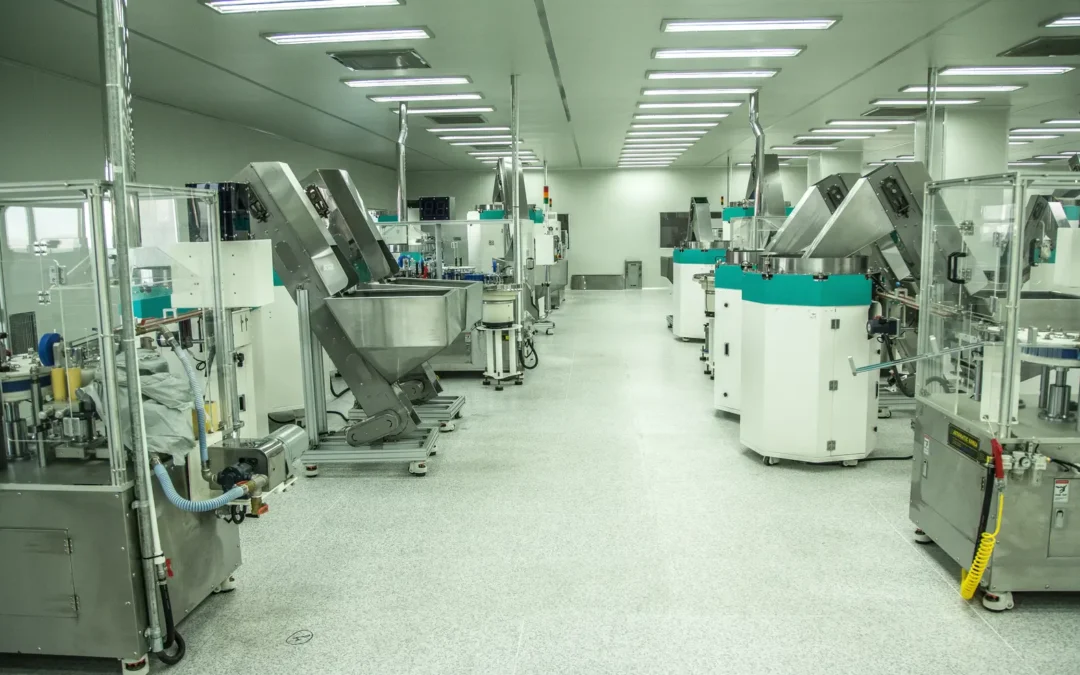


Pharmaceutical manufacturing plays an essential role in global healthcare, but it can also create environmental challenges. Production facilities must carefully manage waste, chemicals, and emissions to prevent pollution and protect nearby ecosystems.
Improper handling of pharmaceutical residues can contaminate soil and water, posing risks to wildlife and surrounding communities. Strong environmental controls and regulatory oversight help reduce these hazards while maintaining product quality and safety.
Adopting sustainable practices and responsible resource management helps pharmaceutical facilities minimize their environmental footprint. Effective monitoring and risk management ensure safe operations while supporting long-term environmental protection.
Key Takeaways
- Identify primary sources of contamination throughout the production process.
- Maintain strict compliance regarding local and federal safety rules.
- Implement modern waste management to protect water quality.
- Train staff regarding the safe handling of chemical components.
- Use sustainable strategies to lower the overall carbon footprint.
- Monitor local ecosystems to prevent long-term damage.
Understanding Environmental Risks in Pharmaceutical Manufacturing Facilities
Environmental risks in pharmaceutical manufacturing can affect drug quality and regulatory compliance. Factors such as contamination and unstable environmental conditions can disrupt controlled production environments.
Cleanrooms, strict environmental standards, and effective humidity control help maintain stable conditions and protect product integrity during pharma manufacturing.
What Environmental Risks Mean in Controlled Pharma Environments
In controlled pharma environments, environmental risks refer to the potential for environmental factors such as temperature, humidity, and air quality to impact the quality of pharmaceutical products. These risks can be mitigated through the implementation of robust environmental control systems and monitoring practices.
Environmental risks can manifest in various ways, including contamination, degradation of products, and equipment failure. For instance, high humidity can lead to the degradation of certain active pharmaceutical ingredients, while poor air quality can result in contamination.
Why Environmental Stability Is Critical for Drug Quality and Regulatory Compliance
Environmental stability is crucial for ensuring drug quality and regulatory compliance. Pharmaceutical products must be manufactured in environments that are designed to prevent contamination and ensure the stability of the product.
Regulatory agencies such as the FDA require pharmaceutical manufacturers to demonstrate control over their manufacturing environments.
Maintaining environmental stability involves controlling factors such as temperature, humidity, and air quality. This can be achieved through the use of advanced HVAC systems, environmental monitoring systems, and strict cleaning and disinfection protocols.
Key Environmental Factors That Create Risks in Pharmaceutical Facilities
Environmental factors strongly influence product quality and safety in pharmaceutical manufacturing facilities. Conditions such as humidity, temperature, and air quality must remain carefully controlled to prevent contamination and product degradation. Poor environmental control can disrupt manufacturing processes and lead to regulatory non-compliance.
Humidity, Temperature, and Air Quality Variability
Variability in humidity, temperature, and air quality can significantly affect pharmaceutical products and processes. High humidity can lead to moisture absorption by products, potentially causing degradation or affecting their stability. Temperature fluctuations can also impact product stability and the efficacy of certain drugs.
Air quality is another critical factor, as airborne contaminants can compromise product quality. Particulate matter and microbial contaminants in the air can settle on products or equipment, leading to contamination.
- Humidity control is essential to prevent moisture-related issues.
- Temperature control is vital for maintaining product stability.
- Air quality monitoring is necessary to prevent contamination.
Contamination, Particulates, and Microbial Exposure
Contamination, particulates, and microbial exposure present major risks in pharmaceutical manufacturing environments. These contaminants can originate from the surrounding environment, personnel activity, or production equipment, potentially affecting product quality.
The following points highlight key contamination risks and control measures:
- Particulate contamination: Particles generated from equipment operation, personnel movement, or facility activities can contaminate pharmaceutical products. Cleanroom systems and air filtration help control particle levels.
- Microbial exposure: Microorganisms may spread through airborne transmission or contact with contaminated surfaces. Strict sanitation practices and environmental monitoring help reduce microbial risks.
- Humidity control: Excess moisture can contribute to product degradation, making humidity control systems essential for maintaining product stability.
- Temperature control: Unstable temperatures may affect product integrity and chemical stability, requiring precise temperature control systems.
- Air quality management: Air filtration and monitoring systems help maintain clean manufacturing environments and reduce contamination risks.
How Environmental Risks Affect Pharmaceutical Product Quality
Environmental risks in pharmaceutical facilities can directly affect product quality and regulatory compliance. Factors such as temperature, humidity, and air quality influence how pharmaceutical products are manufactured and stored. Maintaining controlled environmental conditions helps protect product stability and safety.
Product Degradation, Batch Failures, and Stability Problems
Environmental risks can significantly affect pharmaceutical product quality during manufacturing and storage. Unstable environmental conditions may lead to product degradation, contamination, or failures during production.
The following points highlight common environmental risks and their potential impacts:
- High temperature: Elevated temperatures can degrade active pharmaceutical ingredients, leading to potency loss and possible batch failure.
- High humidity: Excess moisture may cause moisture-induced degradation, resulting in product instability and reduced shelf life.
- Poor air quality: Airborne particulates or microbial contamination can compromise product purity and lead to regulatory non-compliance.
- Loss of product efficacy: Degraded or contaminated products may not deliver the intended therapeutic effect.
- Batch failures and financial losses: Environmental instability can cause entire batches to fail, increasing production costs and waste.
Regulatory Non-Compliance and Quality Assurance Risks
Environmental risks can also create serious regulatory and quality assurance challenges in pharmaceutical manufacturing. Poor environmental control may lead to compliance failures and operational penalties.
The following points highlight key regulatory and quality assurance risks:
- Regulatory non-compliance: Failure to control environmental conditions can lead to violations of pharmaceutical manufacturing regulations.
- Temperature control failures: Inadequate temperature management may compromise product stability and regulatory compliance.
- Humidity control issues: Poor humidity control can affect product integrity and increase the risk of non-compliant production conditions.
- Air quality management risks: Insufficient air filtration or monitoring may result in contamination and regulatory concerns.
- Quality assurance challenges: Continuous monitoring and strong quality assurance practices are necessary to ensure compliance with manufacturing standards.
Cleanroom Environmental Risks in Pharmaceutical Production Areas
Cleanrooms play a vital role in maintaining controlled environments for pharmaceutical production. They are designed to reduce contamination risks and protect product quality. However, factors such as airborne particles and pressure imbalances can still create environmental challenges.
Airborne Contamination and Cleanroom Control Failures
Airborne contamination is a major concern in pharmaceutical cleanrooms because particles and microorganisms can compromise product quality. Failures in cleanroom controls, such as poor filtration or improper gowning, can increase contamination risks.
The following points highlight common contamination sources and control measures:
- Airborne particulates: Particles suspended in the air can contaminate pharmaceutical products. HEPA filtration systems and regular maintenance help reduce this risk.
- Microorganisms: Microbial contamination can occur through airborne transmission or contaminated surfaces. Proper gowning practices and disinfection protocols help control microbial exposure.
- Personnel-related contamination: Human activity can introduce particles and microbes into cleanrooms. Staff training, strict hygiene practices, and proper gowning help minimize these risks.
Pressure Differentials and Environmental Zoning Challenges
Pressure differentials and environmental zoning play an important role in maintaining contamination control within pharmaceutical cleanrooms. Improper pressure balance or poor zoning design can increase the risk of contaminants spreading between controlled areas.
The following challenges commonly occur in cleanroom environments:
- Incorrect pressure differentials: Imbalanced pressure between rooms can allow contaminants to migrate from less controlled areas to critical production zones.
- Cross-contamination risks: Poor pressure control may enable airborne particles to move between cleanroom sections.
- Ineffective environmental zoning: Improper separation of areas with different cleanliness requirements can increase contamination risks.
- Monitoring and maintenance gaps: Lack of regular monitoring or maintenance may cause pressure systems to fail or operate outside required limits.
- Operational design limitations: Inefficient facility layouts can make it difficult to maintain stable pressure zones and controlled airflow.
Environmental Monitoring and Risk Assessment in Pharma Facilities
Environmental monitoring and risk assessment are integral to maintaining the integrity of pharmaceutical manufacturing processes. These practices not only ensure compliance with regulatory requirements but also safeguard product quality and patient safety.
Environmental Monitoring Practices and Compliance Documentation
Effective environmental monitoring in pharmaceutical facilities involves the systematic collection, analysis, and interpretation of environmental data. This includes monitoring of air quality, temperature, humidity, and microbial contamination. Compliance documentation is critical for demonstrating adherence to regulatory standards and guidelines.
Key components of environmental monitoring practices include:
- Regular sampling and analysis of air and surfaces.
- Utilization of calibrated and validated monitoring equipment.
- Training personnel on monitoring procedures and protocols.
Risk-Based Environmental Management Approaches
A risk-based environmental management approach helps pharmaceutical facilities focus control measures where contamination risks are highest. By assessing the likelihood and impact of environmental hazards, manufacturers can apply appropriate monitoring and control strategies.
The following points outline risk levels and corresponding environmental control measures:
- High-risk areas: Locations with direct product exposure or high contamination potential require frequent monitoring, enhanced cleaning procedures, and thorough personnel training.
- Medium-risk areas: Areas with indirect product exposure require regular environmental monitoring, standard cleaning protocols, and proper gowning practices.
- Low-risk areas: Spaces with minimal product exposure require periodic monitoring and basic cleaning procedures to maintain environmental safety.
Role of Humidity and Environmental Stability in Risk Prevention
The role of humidity and environmental stability in preventing risks within pharmaceutical facilities cannot be overstated. These factors are critical in ensuring the quality and integrity of pharmaceutical products.
Preventing Moisture-Related Degradation and Static Issues
Moisture-related degradation is a significant concern in pharmaceutical manufacturing. High humidity can lead to the degradation of active pharmaceutical ingredients (APIs) and excipients, affecting the potency and stability of the final product. Moreover, moisture can cause certain drugs to become less effective or even unsafe for consumption. Controlling ideal humidity levels is essential to prevent such degradation.
In addition to moisture-related issues, environmental stability also plays a crucial role in preventing static-related problems. Static electricity can attract dust particles, potentially contaminating the manufacturing environment and the products being manufactured. By maintaining stable environmental conditions, facilities can reduce the risk of static issues.
Maintaining Stable Conditions for Sensitive Drug Manufacturing
Sensitive drug manufacturing requires precise control over environmental conditions. This includes maintaining optimal temperature, humidity, and air quality levels. Environmental stability is crucial for ensuring that sensitive pharmaceutical products are manufactured under conditions that preserve their quality and efficacy.
To achieve this, pharmaceutical facilities employ various strategies, including the use of advanced climate control systems and continuous monitoring of environmental parameters. By doing so, they can ensure compliance with regulatory requirements and maintain the highest standards of product quality.
Best Practices for Reducing Environmental Risks in Pharmaceutical Facilities
Reducing environmental risks is essential for maintaining product quality, regulatory compliance, and minimizing the environmental impact of pharmaceutical manufacturing. Effective strategies focus on controlling contamination, maintaining stable environmental conditions, and managing pharmaceutical waste through proper disposal practices.
Facility Design, Zoning, and Environmental Coordination
A well-designed facility is the foundation of environmental risk reduction. This includes proper zoning to segregate different production areas, thereby preventing cross-contamination and helping reduce static electricity issues that can affect sensitive processes. Environmental coordination ensures that all aspects of the facility’s environment are controlled and monitored.
Key considerations in facility design include:
- Segregation of production areas based on risk levels.
- Implementation of appropriate air handling and filtration systems.
- Design of facilities to facilitate cleaning and maintenance.
Continuous Monitoring and Preventive Environmental Management
Continuous monitoring and preventive environmental management help pharmaceutical facilities identify risks early and maintain stable production environments. Proactive environmental control reduces contamination risks and supports regulatory compliance.
The following best practices support effective environmental management:
- Proper facility design: Zoning and segregation of production areas help reduce the risk of cross-contamination between controlled environments.
- Continuous environmental monitoring: Regular monitoring of temperature, humidity, and air quality enables early detection of potential environmental issues.
- Preventive environmental management: A proactive approach helps minimize environmental deviations and maintain consistent manufacturing conditions.
- Regular equipment and facility maintenance: Routine inspections ensure environmental control systems operate effectively.
- Personnel training: Training staff on environmental risk management improves awareness and supports proper operational practices.
- Corrective action procedures: Prompt responses to environmental deviations help prevent product quality or compliance issues.
Final Thoughts on Environmental Risks in Pharmaceutical Facilities
Environmental instability in pharmaceutical facilities can affect product quality and manufacturing consistency. Factors such as contamination risks, humidity imbalances, and inadequate facility design can compromise production conditions if not properly managed.
Strong facility design, continuous environmental monitoring, and stable humidity management work together to reduce these risks and maintain consistent production conditions.
Smart Fog’s non-wetting humidification system uses self-evaporating droplets to maintain uniform humidity without wetting surfaces, helping pharmaceutical facilities sustain controlled indoor conditions that support reliable and consistent manufacturing operations.
FAQ
How do pharmaceutical pollutants enter the environment from manufacturing facilities?
Pharmaceuticals in the environment often originate from API production wastewater, where inadequate wastewater treatment at a treatment plant allows pharmaceutical substance residues to enter nearby water bodies.
What are the primary environmental risks of pharmaceuticals regarding public health?
The impact of pharmaceutical residues, including antibiotic compounds, can affect aquatic ecosystems and contaminate drinking water, posing long-term risks to human health.
Why is environmental stability critical for drug quality and regulatory compliance?
Environmental stability protects pharmaceutical medicine quality by preventing degradation of active substance compounds and ensuring safe products for human health.
How does an environmental risk assessment benefit the pharmaceutical industry?
An environmental risk assessment helps each stakeholder identify the impact of pharmaceutical residues in water bodies and implement safer control strategies.
What are the challenges of managing cleanroom environmental risks in pharmaceutical production?
Managing contamination, microbial exposure, and pressure control is essential to protect pharmaceutical medicine quality and safeguard human health.