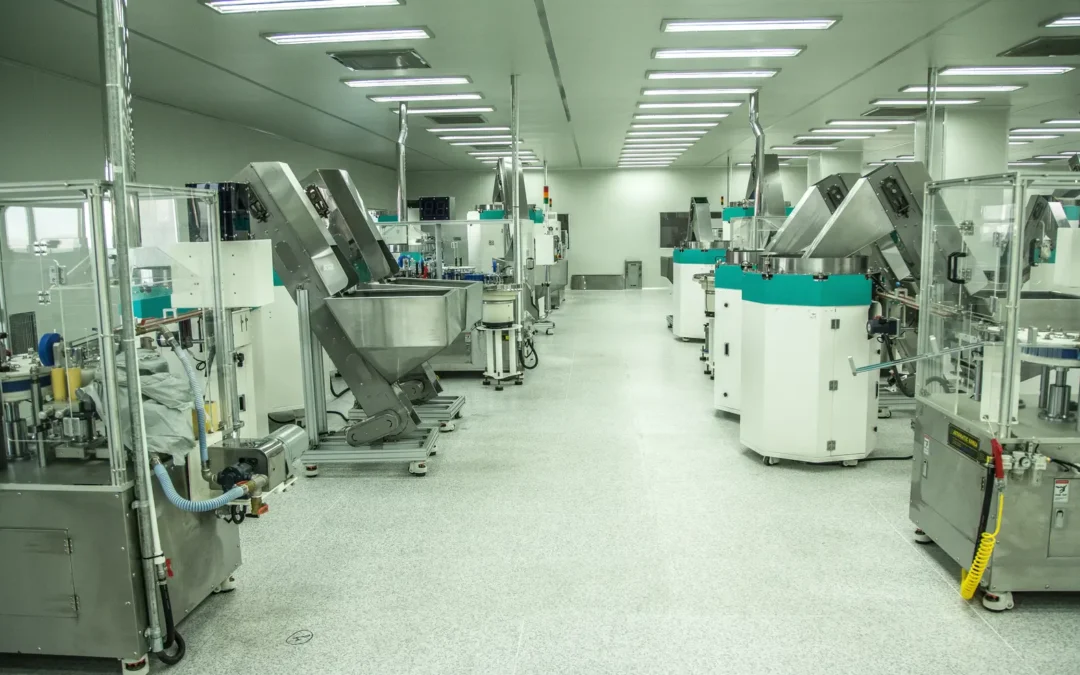
Modern automotive manufacturing requires precise control of production environments to maintain consistent quality and operational efficiency. Factors such as air quality, humidity, and temperature directly influence assembly accuracy, coating performance, and component reliability across manufacturing plants.
Automotive facilities rely on environmental control systems to manage these conditions while supporting efficient production. Proper management of air filtration, climate stability, and facility resources helps manufacturers maintain reliable operations across complex production lines.
Key Takeaways
- Efficient facility resource management helps reduce overall manufacturing costs.
- Advanced air filtration systems help control dust and airborne contaminants inside production areas.
- Well-planned production environments help reduce waste during vehicle assembly processes.
- Stable environmental conditions support consistent manufacturing quality across production zones.
- Integrated monitoring systems help facilities maintain compliance with regulatory air quality standards.
- Environmental control technologies support efficient and reliable automotive manufacturing operations.
Why Environmental Control Methods Are Necessary in Automotive Manufacturing Plants
Automotive manufacturing relies on stable environmental conditions to maintain accuracy and consistent product quality. Temperature, humidity, and air quality influence assembly precision, coating performance, and component reliability. Maintaining controlled humidity in automotive manufacturing environments is important because moisture levels affect material behavior and the consistency of production processes.
Relationship Between Environmental Stability and Production Consistency
Stable production environments help materials and equipment perform predictably throughout the manufacturing process. Changes in temperature or humidity can cause materials to expand, contract, or react differently, which may lead to alignment problems or assembly defects.
Production lines also rely on precise tolerances to maintain consistent quality. Stable facility conditions help manufacturing equipment operate within these limits, reducing variability and improving overall production efficiency.
Impact of Environmental Variability on Assembly and Surface Finishing Processes
Variations in environmental conditions can affect both assembly operations and finishing stages of vehicle production. Changes in humidity or temperature may influence how components fit together during assembly and how coatings behave during finishing processes.
Environmental variability can create several production challenges, including:
- Assembly misalignment: Temperature or humidity changes can affect material dimensions, making precise component alignment more difficult.
- Inconsistent material behavior: Adhesives, sealants, and polymer components may respond differently under unstable environmental conditions.
- Surface coating defects: Fluctuating humidity or temperature can interfere with paint transfer and coating adhesion.
- Uneven drying and curing: Environmental instability may disrupt the drying process, leading to inconsistent surface finishes.
- Appearance inconsistencies: Paint or coating variations can result in uneven color, texture differences, or surface imperfections.
Maintaining stable environmental conditions helps reduce these risks and supports consistent manufacturing results across automotive production lines.
Environmental Control Requirements Across Automotive Production Zones
Automotive manufacturing plants contain multiple production zones, each with specific environmental requirements. Stable facility conditions help ensure that different manufacturing processes operate efficiently and maintain consistent product quality.
Assembly Lines, Electronics Integration, and Component Handling Areas
Assembly lines and electronics integration areas require controlled environments to protect sensitive components and maintain reliable production conditions. Filtered air systems help reduce dust and airborne particles that may interfere with precision assembly operations.
Stable humidity and temperature conditions are also important in these zones. Balanced moisture levels help reduce static electricity that could damage electronic components and affect equipment performance.
Component handling areas also benefit from controlled production environments. Stable conditions help prevent corrosion, material degradation, and contamination that could affect component reliability.
Paint Booths, Coating Rooms, and Surface Finishing Zones
Paint booths and coating rooms require carefully controlled facility conditions to achieve consistent finishing results. Stable temperature and humidity levels help maintain predictable drying behavior and support proper coating adhesion.
Airflow and filtration systems are equally important in finishing zones. Clean air conditions help prevent airborne contamination that could create defects in painted surfaces.
Maintaining controlled environments in finishing areas supports uniform surface quality and improves the overall appearance of manufactured vehicles. Stable production conditions allow manufacturers to achieve reliable finishing performance across high-volume production lines.
Limitations of Passive Environmental Control in Automotive Facilities
Automotive manufacturing environments change constantly during production due to heat generation, airflow movement, and equipment activity. Passive environmental control strategies often struggle to maintain stable conditions across complex production areas.
Environmental Drift Caused by Production Heat and Airflow
Manufacturing equipment, welding systems, and production machinery generate heat during normal operation. This heat gradually alters the surrounding conditions and can lead to temperature shifts across different production zones.
Air movement caused by machinery, ventilation systems, and material handling further disrupts stable facility conditions. These factors can create localized variations that influence manufacturing precision and product quality.
Environmental drift can introduce several challenges for automotive production environments. The most common effects include the following issues:
- Temperature fluctuations: changing heat levels can affect equipment precision and material stability.
- Humidity variations: moisture changes may cause static electricity or material distortion.
- Air quality changes: airborne particles and contaminants can increase when airflow patterns shift.
Challenges of Maintaining Stability Using HVAC Alone
HVAC systems are essential for managing temperature and airflow across automotive manufacturing facilities. However, these systems may not always respond quickly enough to rapid environmental changes created during active production. Large facilities with multiple production zones often require more precise environmental management than HVAC systems alone can provide.
Several operational challenges can arise when facilities rely only on HVAC systems for environmental control:
- Limited response capacity: HVAC systems may react slowly to sudden changes in temperature or humidity created by active production processes.
- Uneven air distribution: Airflow may not reach every production area evenly, leading to environmental variations across assembly zones.
- Localized environmental changes: Production heat loads, machinery operation, and material handling can create microclimates that HVAC systems may not fully stabilize.
- Maintenance dependency: Poorly maintained HVAC systems can reduce environmental stability and increase the risk of production disruptions.
- Large facility complexity: Multiple production areas with different environmental requirements can make uniform climate control difficult using HVAC systems alone.
Core Environmental Control Methods Used in Automotive Plants
Automotive plants use multiple environmental control technologies to maintain stable production conditions. These systems help manage temperature, humidity, air quality, and airflow across different manufacturing zones.
HVAC Systems, Air Filtration, and Climate Management Technologies
HVAC systems provide the foundation for climate control within automotive manufacturing facilities. These systems regulate temperature and airflow to help maintain stable production environments across large factory spaces.
Air filtration systems further support production stability by removing dust, particles, and airborne contaminants. Clean air conditions protect sensitive equipment and reduce the risk of manufacturing defects.
Climate management technologies allow facilities to make precise adjustments to temperature and humidity levels. This level of control is especially important in paint booths, coating rooms, and other finishing zones where environmental stability directly affects product quality.
Automated Environmental Monitoring and Smart Control Systems
Automated monitoring systems continuously track environmental conditions inside automotive manufacturing facilities. Sensors placed across production zones measure temperature, humidity, and air quality to identify changes that could affect manufacturing performance.
Smart control systems use this data to adjust facility conditions automatically. These systems help maintain stable production environments even when manufacturing activity introduces heat, moisture, or airflow changes.
Automated monitoring and control systems provide several operational benefits for automotive manufacturing plants. These benefits typically include the following capabilities:
- Real-time environmental monitoring across multiple production zones.
- Automated adjustments that maintain stable temperature, humidity, and air quality.
- Improved production reliability through early detection of environmental variations.
Humidity Control Methods for Automotive Manufacturing Environments
Humidity control helps maintain stable production conditions across automotive manufacturing facilities. Balanced moisture levels support consistent material behavior, protect electronic components, and improve coating performance. Effective automotive humidity control helps maintain proper moisture levels across production areas, supporting reliable assembly and finishing processes.
Industrial Humidification Systems for Moisture Stability
Manufacturing processes such as assembly, painting, and component handling depend on stable humidity conditions. Moisture variations can influence material stability, curing behavior, and overall production reliability.
Industrial humidification systems introduce controlled moisture into the air to maintain consistent humidity levels. These systems help stabilize manufacturing conditions and reduce environmental fluctuations that may disrupt production processes.
Effective humidity control in automotive facilities supports several important production objectives. These benefits commonly include the following outcomes:
- Stable material behavior: balanced humidity helps prevent material distortion or instability during manufacturing.
- Improved coating performance: controlled moisture levels support consistent paint adhesion and drying behavior.
- Reduced environmental variation: stable humidity helps maintain consistent production conditions across large manufacturing spaces.
Unlike steam-based or conventional misting systems, Smart Fog uses self-evaporating droplets that fully evaporate before reaching any surface, delivering precise, non-wetting humidity control across large industrial spaces with minimal maintenance and no surface moisture risk.
Preventing Static Electricity and Material Instability Through Controlled Humidity
Low humidity increases the risk of static electricity in production environments. Static buildup can damage sensitive electronic components and interfere with precision assembly operations, making electrostatic control a meaningful factor in maintaining stable manufacturing conditions.
Maintaining balanced humidity helps reduce electrostatic buildup and protects sensitive equipment throughout automotive manufacturing facilities. Stable moisture levels also support predictable material behavior during assembly and finishing processes, reducing the likelihood of defects tied to environmental variation.
Humidity levels influence manufacturing performance across a measurable range. The most common effects include the following conditions:
- Low humidity below 40% RH: elevated risk of static electricity and increased potential for electronic component damage.
- Balanced humidity between 40–60% RH: stable production conditions with reduced static risk and consistent material behavior.
- High humidity above 60% RH: lower static buildup but increased potential for moisture-related material issues, including surface condensation and corrosion risk.
For automotive facilities managing sensitive assembly operations, maintaining humidity within the 40–60% RH range is a practical baseline for reducing both static-related and moisture-related disruptions.
Air Quality and Contamination Control Methods in Automotive Plants
Air quality control helps protect automotive manufacturing processes from contamination that could affect product quality. Stable air conditions help prevent dust, particles, and airborne contaminants from interfering with precision manufacturing operations.
Managing Dust, Particulates, and Airborne Contaminants
Dust and airborne particles can disrupt automotive production processes and introduce defects during assembly or finishing operations. Contamination may affect component reliability, coating quality, and overall manufacturing precision.
Air filtration systems help remove airborne particles from production environments. Clean air conditions support stable manufacturing processes and protect sensitive equipment across automotive facilities.
Maintaining clean air conditions in manufacturing environments involves several operational practices. These practices typically include the following control measures:
- Industrial air filtration systems that capture dust and airborne particulates.
- Routine cleaning procedures that reduce contaminant buildup across production areas.
- Specialized vacuum systems designed to capture fine particles without redistributing them into the air.
Clean Air Systems for Paint Booths and Precision Manufacturing Zones
Paint booths and precision manufacturing zones require strict air quality control to maintain high-quality finishing results. Even small airborne particles can create visible defects in painted surfaces or sensitive components.
Advanced filtration systems help maintain clean air conditions in these production areas. Stable airflow patterns also help prevent contaminants from settling on vehicle surfaces during finishing processes.
Clean air systems used in automotive production zones typically provide several important benefits. These benefits commonly include the following advantages:
- High-efficiency filtration systems that remove extremely small airborne particles.
- Controlled airflow systems that maintain consistent air movement across finishing zones.
- Reduced contamination risk that helps prevent defects during coating and precision manufacturing operations.
Coordinating Temperature, Humidity, and Airflow in Production Facilities
Automotive manufacturing requires balanced control of temperature, humidity, and airflow to maintain stable production conditions. Coordinated environmental management helps ensure consistent material behavior, reliable equipment operation, and uniform product quality.
Maintaining Environmental Consistency Across Facility Zones
Automotive manufacturing plants contain multiple production areas that operate under different environmental requirements. Electronics integration zones, component handling areas, and finishing lines often require tighter control of temperature and humidity than general assembly areas.
Maintaining consistent conditions across these zones helps prevent environmental fluctuations that could affect manufacturing precision. Stable production environments allow equipment and materials to perform predictably during assembly and finishing operations.
Maintaining environmental consistency across facility zones requires coordinated control strategies. Common approaches include the following operational practices:
- Zoned environmental control systems that maintain different conditions for specific production areas.
- Advanced climate monitoring technologies that track facility conditions continuously.
- Well-designed HVAC airflow systems that distribute air evenly across manufacturing spaces.
Supporting Process-Specific Environmental Requirements
Different manufacturing processes require specific environmental conditions to maintain product quality. Finishing processes such as painting and coating depend heavily on stable humidity, temperature, and airflow conditions.
Precision manufacturing areas also require tightly controlled production environments. Stable conditions help reduce contamination risks and maintain consistent manufacturing performance.
Manufacturing processes across automotive facilities often rely on several process-specific environmental controls. These requirements commonly include the following production conditions:
- Painting and coating processes that depend on controlled humidity and temperature for consistent finish quality.
- Precision manufacturing zones that require strict control of airborne particles and temperature variations.
- Electronics assembly areas that require balanced humidity levels to reduce static electricity risks.
Maintaining coordinated environmental conditions across these processes helps automotive plants reduce defects and improve production reliability.
Integrated Environmental Control Strategies for Modern Automotive Plants
Automotive manufacturing facilities rely on integrated control strategies to maintain stable production environments. Coordinated environmental systems help manage temperature, humidity, and air quality across complex manufacturing spaces.
Production Stability Through Zoned Control
Zoned environmental control allows different production areas to operate under conditions tailored to their specific manufacturing requirements. Each zone can maintain targeted temperature, humidity, and airflow levels based on the processes performed in that area, reducing the risk of cross-zone environmental interference.
This approach helps prevent environmental fluctuations from spreading across the facility. Stable conditions within each zone allow manufacturing operations to maintain predictable, consistent performance over time.
Zoned control systems provide several operational advantages for automotive manufacturing facilities. These benefits typically include the following improvements:
- Improved production quality through precise control of localized facility conditions.
- Higher operational efficiency by reducing production disruptions caused by environmental changes.
- Better energy management through targeted climate control in specific production areas.
Smart Fog systems are designed to maintain precision humidity within ±1–2% RH across designated zones, delivering uniform moisture distribution without surface wetting or cross-zone interference. As a complete solution rather than a component-based system, Smart Fog can be configured to meet the specific humidity requirements of individual production areas within a single facility.
Real-Time Monitoring for Continuous Adjustment
Modern automotive plants use monitoring systems that track environmental conditions across the entire facility. Sensors placed throughout production areas measure temperature, humidity, and air quality continuously.
These monitoring systems allow facilities to respond quickly when environmental conditions change. Automated adjustments help restore stable production conditions before manufacturing performance is affected.
Real-time monitoring systems support production stability through several key capabilities. These capabilities typically include the following functions:
- Advanced environmental sensors that measure facility conditions accurately.
- Automated control systems that adjust climate settings when conditions change.
- Data analysis tools that support predictive maintenance and operational optimization.
Final Thoughts on Environmental Control Methods in Automotive Manufacturing
Maintaining controlled production environments is essential for reliable automotive manufacturing. Stable temperature, humidity, and air quality conditions help protect materials, coatings, and sensitive electronic components throughout the production process.
Consistent environmental control allows manufacturing processes to operate within precise tolerances. This stability helps reduce production defects, maintain product quality, and support efficient operations across complex automotive manufacturing facilities.
For facilities seeking precise humidity control, Smart Fog provides a non-wetting precision humidification system that uses self-evaporating droplets to maintain uniform humidity within ±1–2% RH across automotive manufacturing environments.
Designed as a complete, low-maintenance solution, Smart Fog systems are built for continuous industrial operation without the surface moisture risks associated with conventional humidification methods.
FAQs
How do automotive manufacturers reduce air pollution during vehicle production?
Automotive manufacturers use advanced emission control technologies, filtration systems, and regulated ventilation systems to manage air pollutants during production. These systems help control particulate matter, exhaust gases, and chemical vapors generated during welding, coating, and finishing processes.
What role does sustainability play in modern automotive manufacturing?
Sustainability initiatives focus on reducing waste, improving energy efficiency, and recycling materials used in vehicle production. Many facilities implement circular manufacturing practices that reuse raw materials, minimize waste generation, and lower overall environmental impact.
Why is controlling volatile organic compounds (VOCs) important in paint booths?
Paint booths release volatile organic compounds during coating applications. Proper ventilation and environmental control systems help remove these vapors, protect worker safety, and ensure consistent paint finishes without defects.
How are propulsion technologies evolving to reduce vehicle emissions?
The automotive industry is gradually transitioning from traditional combustion engines to electric and alternative propulsion systems. Electric vehicles, hybrid systems, and fuel cell technologies help reduce tailpipe emissions and lower the environmental footprint of transportation.
How does humidity control affect automotive manufacturing quality?
Stable humidity conditions help prevent static electricity, protect electronic components, and maintain consistent material behavior during assembly. Proper humidity control also supports uniform coating application and reduces the risk of production defects.
How do automotive facilities reduce greenhouse gas emissions during production?
Manufacturers improve energy efficiency through optimized production processes, renewable energy integration, and energy-efficient equipment. These efforts help reduce carbon emissions associated with vehicle manufacturing operations.