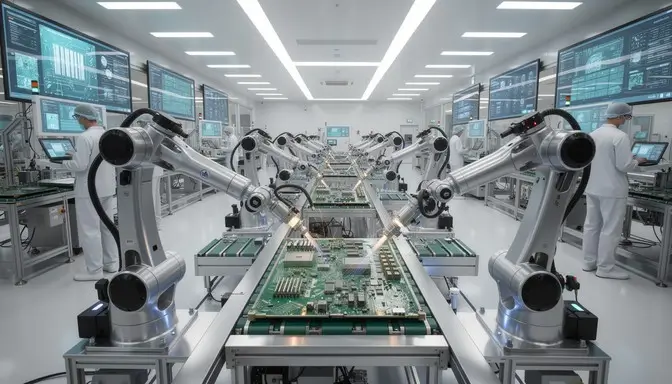
Humidity-related issues in data centers rarely appear as immediate failures. They often show up as intermittent faults, unexplained downtime, rising maintenance effort, or equipment that degrades faster than expected. In many cases, the problem is not the absence of humidity control, but how that control behaves over time. Different humidity control approaches produce very different results in real operating environments. Stability, consistency, and how moisture interacts with airflow matter more than simply reaching a target value. Focusing on real-world performance helps data center teams reduce risk, protect equipment, and maintain reliable operations as facilities scale.
Key Takeaways
- Optimal humidity levels are crucial for data center reliability.
- Humidity control prevents damage to sensitive electronics.
- Different humidity control methods have varying benefits and drawbacks.
- Relative humidity management is critical in data centers.
Why the Choice of Humidity Method Matters More Than Most Teams Realize
Humidity control affects far more than comfort or compliance. The way humidity is managed over time influences hardware reliability, maintenance effort, and overall operational stability inside the data center. Small inconsistencies can quietly introduce risks that only surface after equipment has already been stressed.
Impact of Humidity Control on Equipment Protection
Humidity levels that drift too high or too low expose equipment to different forms of damage. Excess moisture increases the risk of condensation and corrosion, while dry conditions allow static electricity to build up on sensitive components. Effective humidity control reduces ESD risk by limiting static charge accumulation in low-moisture environments. Keeping humidity within a stable operating range reduces stress on circuit boards, connectors, and power supplies. Consistency matters more than precision at a single moment, especially in environments that run continuously.
- Stable humidity reduces condensation and corrosion risk.
- Controlled moisture limits static electricity and ESD exposure.
- Predictable conditions support longer equipment life.
Operational Risks of Choosing the Wrong Control Method
The wrong humidity approach often fails in subtle ways. Overshoot, uneven distribution, and constant correction can create localized problem areas that are difficult to detect through average readings alone. These issues can disrupt cooling balance, increase maintenance demands, and raise the risk of intermittent failures. Over time, instability in humidity control can cascade into downtime, data loss, and higher operating costs.
- Fluctuating humidity increases failure risk.
- Localized imbalances strain cooling systems.
- Reactive control leads to higher operational overhead.
How to Compare Humidity Control Methods (What Actually Matters)
Comparing humidity control approaches should focus on outcomes rather than labels. What matters most is how well a system maintains stable conditions across the entire space as workloads and airflow change. Effective humidity control supports consistency, integrates with airflow, and avoids creating wet zones or dry pockets that compromise equipment protection.
Centralized vs. Localized Humidity Control
Centralized control aims to maintain uniform conditions across the full data center, including keeping temperature and ideal humidity levels stable throughout the space. This approach reduces variation between aisles and racks, supports environmental consistency, and simplifies management at scale. Localized control can address specific problem areas but often introduces uneven conditions when not carefully coordinated. These microclimates can drift away from ideal humidity levels, increasing the risk of unnoticed humidity extremes, especially in high-density environments.
- Centralized control delivers whole-room consistency and provides uniform protection at scale.
- Localized control focuses on targeted zones but introduces the risk of uneven conditions.
Selecting the appropriate control approach influences environmental consistency and overall risk management across the data center.
When You Need Humidification vs. Dehumidification
Humidity control focuses on maintaining balance, not switching between opposing solutions. Real-world environmental conditions often determine whether humidification or dehumidification is required to maintain stable data center humidity. Common scenarios include:
These scenarios show that the need is rarely about switching extremes but about maintaining stable humidity. Controlled humidification prevents static buildup in dry conditions, while measured dehumidification helps manage excess moisture without disrupting airflow or environmental balance.
Steam Humidification in Data Centers
Steam-based approaches are often referenced in discussions about data center humidity because they have historically been used to add moisture to controlled environments. In practice, the relevance of this approach depends less on the label and more on how it performs under real operating conditions. From an operational standpoint, the key question is not whether humidity can be added, but how consistently it can be maintained without introducing secondary risks to equipment, airflow, or energy performance.
Operational Principles of Steam Humidifiers
Steam-based approaches rely on adding moisture through heat-driven processes. While this can raise humidity levels, it also introduces additional variables into the data center environment, including thermal load and energy demand. Steam humidifiers add heat to the airstream, increasing cooling requirements and overall energy use. In server rooms, these added variables must be carefully managed to avoid disrupting cooling balance or creating uneven conditions. The effectiveness of this approach is ultimately determined by how well humidity remains stable during load changes, airflow shifts, and continuous operation.
Benefits and Limitations of Steam-Based Humidity Control
Steam-based humidity control can deliver predictable moisture output, but it also introduces trade-offs that data center teams must account for during planning and operation.
- Humidity output can raise humidity to target levels.
- Environmental stability is sensitive to load and airflow changes.
- Energy impact includes higher energy demand due to heat input.
- Thermal interaction adds heat that must be offset by cooling.
- Maintenance profile requires regular inspection and servicing.
In modern data centers, these trade-offs are often weighed against the need for stable, non-wetting humidity that integrates smoothly with cooling systems. As facilities scale and efficiency targets tighten, approaches that introduce additional heat or variability can increase operational complexity rather than reduce it.
Ultrasonic Humidification Methods in Data Centers
Ultrasonic-based approaches are often discussed in the context of data center humidity because they aim to add moisture without introducing additional heat. In practice, the suitability of this approach depends on how it behaves under continuous operation, changing loads, and real airflow conditions. The primary concern in data centers is not how humidity is generated, but whether it can be delivered consistently without creating uneven distribution, maintenance burden, or contamination risk.
Operating Principles of Ultrasonic Humidifiers
Ultrasonic-based approaches rely on mechanical processes to introduce moisture into the air. While this can reduce direct heat input, it also introduces dependencies on water quality, system cleanliness, and ongoing maintenance discipline. In server room environments, these factors must be tightly controlled to prevent variability in humidity delivery or unintended side effects that impact sensitive equipment over time.
Energy Efficiency and Maintenance Considerations
Ultrasonic approaches are often associated with lower direct energy input, but energy efficiency must be evaluated alongside operational stability and maintenance effort. Systems that require frequent cleaning or strict water treatment can offset apparent efficiency gains.
- Energy demand may reflect lower direct energy use.
- Maintenance sensitivity is dependent on water quality and cleanliness.
- Environmental consistency can vary with airflow and load.
- Operational overhead requires disciplined monitoring and upkeep.
Long-term performance depends on how well these systems maintain stable humidity without introducing particulate risk or variability that affects equipment reliability.
Adiabatic / Evaporative (Dry Fog) Systems
Adiabatic dry fog approaches are designed to support humidity control without adding thermal load and, when properly engineered, without wetting surfaces. In data center environments, this distinction is critical, as equipment protection depends on how introduced moisture behaves once dispersed into the space.
Creating Non-Wetting Humidity
Non-wetting humidity refers to moisture delivery that integrates into the air before reaching racks, floors, or equipment during normal operation. This supports stable humidity control while minimizing condensation risk in sensitive environments. Properly designed systems help reduce moisture-related risk while maintaining consistent environmental conditions across the data center, even as airflow patterns and workloads fluctuate.
- Supports surface-safe humidity delivery under proper system design.
- Reduces condensation and corrosion risk.
- Maintains consistency across distributed airflow zones.
Suitability for Different Data Center Sizes and Climates
The effectiveness of non-wetting, adiabatic approaches depends on facility layout, airflow engineering, and environmental conditions rather than facility size alone. When integrated correctly, systems such as Smart Fog scale across a wide range of data center configurations.
- High-density facilities support uniform humidity without localized wet zones.
- Large-scale data centers scale with airflow and distribution design.
- Dry climates maintain humidity stability efficiently.
- Mixed environments adapt through controlled distribution
In modern data centers, humidity control strategies that deliver stable, non-wetting performance while integrating seamlessly with cooling and airflow systems are better aligned with long-term reliability, operational efficiency, and infrastructure protection.
Desiccant and Mechanical Dehumidification Methods
High humidity can be detrimental to data center operations, making desiccant and mechanical dehumidification methods vital. These methods are crucial for controlling excess moisture, especially in high-humidity environments.
Controlling Excess Moisture in High-Humidity Environments
In high-humidity conditions, moisture must be managed carefully to avoid surface condensation and uneven airflow behavior. Dehumidification helps limit excess moisture when ambient conditions push humidity beyond acceptable thresholds. Effective control focuses on maintaining stability across humidity and temperature rather than aggressively removing moisture. Overcorrection can be just as harmful as high humidity, especially when low humidity conditions begin to introduce static electricity risk.
- High humidity increases the risk of condensation and corrosion, which can lead to equipment damage and airflow disruption.
- Low humidity introduces static electricity, creating ESD risk and latent hardware faults.
- Unstable humidity conditions cause repeated stress cycles that reduce equipment lifespan.
- Balanced conditions minimize environmental stress and support stable operation and reliability.
Maintaining this balance helps protect sensitive components while supporting consistent data center temperature control.
Integration With Cooling and HVAC Systems
Dehumidification functions most effectively when integrated with HVAC and data center cooling systems. Temperature and humidity behave as a single system, and separating their control often leads to instability or inefficiency. When cooling, airflow, and moisture management work together, facilities can maintain target humidity without driving the environment toward low humidity extremes or forcing unnecessary corrections. This coordination is essential for preserving stable operating conditions across the data center.
- Data center cooling manages heat removal and airflow.
- HVAC systems support moisture balance at the facility level.
- Dehumidification limits excess moisture during high-humidity conditions.
- Airflow management distributes temperature and humidity evenly.
Coordinated control across these areas helps maintain balanced temperature and humidity conditions throughout the data center.
Precision, Sensor-Driven Humidity Control
Stable humidity control depends on accurate feedback rather than reactive correction. Modern data centers rely on continuous measurement to keep humidity and temperature within safe ranges as workloads and airflow patterns change.
Role of Sensors, Controls, and Automation
A humidity sensor provides real-time visibility into environmental conditions across the facility. Combined with automated controls, these systems help maintain consistent humidity in data centers without overshoot or delay. Sensor-driven control allows gradual adjustment rather than abrupt changes, reducing the risk of low humidity events, condensation, or uneven distribution. Integration with data center temperature monitoring improves coordination between cooling and humidity control.
Maintaining Stable Humidity Across Load Variations
As IT load shifts, heat output and airflow patterns change, directly affecting humidity and temperature behavior. Stable control systems respond to these changes smoothly, keeping conditions within target ranges without constant manual intervention. Consistency matters more than speed. Controlled, predictable adjustment supports reliable operation, reduces environmental stress on equipment, and minimizes downtime risk.
- Continuous monitoring of humidity and temperature
- Automated adjustment based on sensor feedback
- Coordination with cooling and airflow systems
- Redundancy to maintain stability during load changes
This approach helps maintain safe humidity in data centers while supporting long-term reliability, efficiency, and operational confidence.
Energy and Total Cost of Ownership (TCO) Comparison
The true cost of humidity control extends well beyond upfront installation. Energy use, maintenance effort, and long-term equipment protection all influence total cost of ownership. As facilities scale, maintaining proper humidity becomes a financial consideration as much as an environmental one. Systems that maintain optimal humidity levels consistently help reduce hidden costs tied to instability, overcorrection, and premature wear on data center equipment.
Power Consumption Across Different Humidity Control Methods
Energy consumption is driven less by labels and more by how often a system must correct itself to stay within the optimal range. Approaches that struggle to control humidity smoothly tend to cycle frequently, increasing power demand and placing additional load on cooling systems. Stable humidity control reduces unnecessary energy use by limiting rapid adjustments and avoiding conditions that push temperature sensors and humidity sensors into constant response mode.
- Frequent correction cycles result in higher power draw and increased operating costs.
- Overshoot and rebound add cooling demand and contribute to energy waste.
- Stable humidity control delivers lower sustained energy use and more predictable energy spend.
- Poor coordination with cooling leads to inefficient operation and rising infrastructure costs.
Maintaining proper humidity within the optimal range supports energy efficiency while protecting sensitive equipment.
Long-Term Operating and Maintenance Costs
Operating costs are closely tied to how reliably humidity can be controlled over time. Systems that require frequent intervention, cleaning, or recalibration increase labor costs and raise the risk of downtime. Consistent humidity control reduces stress on data center equipment, extends component lifespan, and lowers the likelihood of unexpected repairs. Integration with temperature sensors and automated controls further reduces manual oversight and helps maintain stable environmental conditions.
- Inconsistent humidity leads to higher maintenance and repair costs.
- Excessive energy use increases overall operational spend.
- Stable control within the optimal range lowers total cost of ownership.
- Automated monitoring reduces labor requirements and downtime risk.
Focusing on stability, coordination, and the ability to control humidity precisely allows data centers to manage long-term costs more effectively while maintaining reliable operation.
How to Choose the Right Humidity Control Method
Selecting the optimal humidity control method is crucial for maintaining a reliable and efficient data center operation. The choice depends on several critical factors that data center operators and managers must consider to ensure optimal performance and compliance.
Data Center Size and Climate Considerations
Facility size and local climate influence how humidity behaves within the space and how a data center humidification system must be designed. Larger data centers introduce more complex airflow patterns, making even distribution of humidity more challenging and increasing the need for coordinated control across multiple zones. External climate conditions also affect how frequently the data center humidification system must adjust output to remain within the optimal operating range. In dry environments, low moisture content in the air can increase static electricity risk. In humid regions, excess moisture can drive condensation concerns. In both cases, stable control of relative humidity levels matters more than rapid response.
Redundancy and Risk Tolerance
Redundancy supports continuity when environmental conditions shift or systems undergo maintenance. Reliable humidity control in data centers minimizes humidity fluctuations that can occur during load changes, equipment servicing, or seasonal transitions. Facilities with low tolerance for downtime benefit from approaches that maintain consistent temperature and humidity levels even when individual components are offline. This stability reduces stress on equipment and lowers the likelihood of environmental-related interruptions. Effective humidity control is less about hitting a single target and more about maintaining balance. When moisture levels remain stable and predictable, data centers operate with greater resilience, efficiency, and confidence over the long term.
Final Thoughts
Humidity control plays a direct role in how reliably a data center operates over time. Stable temperature and humidity levels help reduce equipment stress, support efficient cooling performance, and prevent issues caused by humidity fluctuations or improper moisture balance. Smart Fog supports this stability as a precision-engineered, non-wetting humidification system that delivers self-evaporating droplets designed to integrate fully into the airstream under proper system design. By focusing on consistency rather than aggressive correction, Smart Fog helps maintain uniform relative humidity in a way that aligns smoothly with data center cooling and airflow strategies. For facilities prioritizing reliability, efficiency, and long-term performance, maintaining proper humidity through controlled, engineered humidification is a critical component of resilient data center operations.
FAQs
What is the ideal humidity range for a data center?
Most data centers operate safely within an optimal range of 40% to 60% relative humidity. Staying within this range helps reduce the risk of static electricity, condensation, and long-term equipment damage.
Why is humidity control critical in data center environments?
Humidity control protects sensitive electronics by preventing electrostatic discharge in low-humidity conditions and moisture-related issues in high-humidity conditions. Stable humidity supports reliability, uptime, and equipment lifespan.
What problems can poor humidity control cause in a data center?
Inconsistent humidity can lead to corrosion, static-related failures, condensation, higher maintenance costs, and intermittent hardware issues that are difficult to diagnose and resolve.
How do sensors support effective humidity control?
Humidity sensors provide real-time visibility into environmental conditions, allowing control systems to maintain stable humidity levels and respond gradually to changes in load, airflow, and external conditions.
How should data centers approach choosing a humidity control strategy?
The right approach prioritizes stability, uniform distribution, and integration with cooling and airflow. Facility size, climate, redundancy needs, and tolerance for humidity fluctuations all play a role in determining the most reliable solution.