 Made in USA

- Adiabatic humidifiers evaporate atomized water using sensible heat drawn from the surrounding air, which simultaneously raises RH and lowers dry bulb temperature, unlike isothermal systems that supply vaporization energy externally.
- Isothermal humidifiers, including electric steam and gas-fired steam systems, consume significantly more energy per kilogram of water evaporated because they must supply the full latent heat of vaporization through an external heat source.
- ASHRAE guidelines recognize adiabatic humidification as appropriate for data centers and other facilities where both humidity control and cooling load reduction are engineering priorities.
- Adiabatic systems integrate into existing air handling units or deploy as in-room units, making them viable for retrofit projects without major ductwork modification.
- Legionella risk in adiabatic humidifiers is a managed engineering parameter addressed through water treatment protocols and system design in line with ASHRAE 188 guidance.
- Precision adiabatic humidification systems using compressed air atomization can maintain RH within plus or minus 1-2%, meeting the tight environmental control requirements of pharmaceutical manufacturing, cleanrooms, and defense facilities.
What Is Adiabatic Humidification?
In thermodynamics, "adiabatic" describes a process in which no heat is exchanged with the surrounding environment. Applied to humidification, this means the energy required to convert liquid water into vapor is not supplied by an external electrical resistance element or gas combustion source. Instead, that energy is drawn from the sensible heat of the air itself. The practical result is two simultaneous effects: the air gains moisture, and its dry bulb temperature decreases. Water is dispersed as self-evaporating droplets through nozzle atomization, and evaporation occurs within the airstream before the water droplets reach any surface. On a psychrometric chart, this process tracks along a line of constant enthalpy, moving diagonally from a lower RH and higher dry bulb temperature toward a higher RH and lower dry bulb temperature.The Physics Behind Evaporative Cooling
Evaporating water requires energy equivalent to its latent heat of vaporization. In an adiabatic system, that energy comes entirely from the sensible heat of the surrounding air. As the air gives up heat to drive evaporation, its temperature drops and its moisture content rises. This is the operating principle behind evaporative cooling humidifiers, and it explains why adiabatic systems provide an incidental cooling benefit alongside humidity control.How Adiabatic Humidification Differs from Steam
Isothermal humidification adds moisture while maintaining approximately constant air temperature because an external heat source supplies the full vaporization energy. The air does not need to give up sensible heat, so its dry bulb temperature remains largely unchanged. This distinction at the physics level drives most of the operational differences covered in the next section.Adiabatic vs. Isothermal Humidifiers: A Direct Comparison
Engineers evaluating HVAC humidification systems for a specific facility need to understand the operational consequences of each method across several dimensions. The comparison below covers the decision-relevant attributes for each. Energy consumption:- Adiabatic: Draws vaporization energy from the air itself, requiring only the power to drive atomization through compressed air pressure or a high-pressure pump. Energy input is substantially lower per kilogram of moisture added.
- Isothermal: Must supply the full latent heat of vaporization through electrical resistance or gas combustion. This results in significantly higher energy consumption per unit of humidity added, particularly in electric steam systems.
- Adiabatic: Reduces dry bulb temperature as it humidifies, contributing a measurable cooling effect. This is operationally useful in data centers and facilities managing thermal loads.
- Isothermal: Adds moisture without reducing air temperature. In very cold or under-heated environments, this thermal neutrality can be an advantage.
- Adiabatic: Compressed air systems with well-designed nozzle atomization have significantly lower maintenance demands. No heating elements accumulate scale, and maintenance intervals can extend considerably beyond steam-based counterparts.
- Isothermal: Steam-generating systems accumulate scale on heating elements and electrodes. Regular descaling and electrode replacement are required, increasing both labor and consumable costs.
- Adiabatic: Water quality directly affects nozzle performance and biological risk management. Softened or filtered water reduces mineral scaling, and proper system design with appropriate water treatment addresses Legionella risk management in line with ASHRAE 188 Legionella water management guidance.
- Isothermal: Also requires water quality management, primarily to control scale accumulation on heating surfaces. Biological risk is reduced because water is heated to steam temperatures, but scaling remains a significant maintenance driver.
- Adiabatic: Integrates into existing air handling units or deploys as in-room units. Does not require high-voltage dedicated electrical circuits. Viable for retrofit projects without major ductwork modifications.
- Isothermal: Typically requires dedicated high-voltage electrical service or gas supply infrastructure. More complex to retrofit into facilities without existing steam infrastructure.
- Adiabatic: High-quality adiabatic systems maintain RH within tight tolerances, with the best compressed air systems achieving plus or minus 1-2% RH stability.
- Isothermal: Capable of precision control, but response characteristics differ. Steam output can be modulated, though thermal lag in the heating element can affect fine-grained RH stability.
- Adiabatic: Preferred in pharmaceutical, cleanroom, data center, and food processing applications because the process does not introduce steam or elevated temperatures that would complicate thermal or environmental qualification.
- Isothermal: Less suitable where thermal stability is critical, or where steam introduction would conflict with environmental qualification or product sensitivity requirements.
When Isothermal Humidification Is Still Used
Isothermal humidifiers remain appropriate in specific conditions: environments where warm humidification is actively beneficial, very cold climates where the cooling effect of evaporative cooling would be counterproductive, or facilities that already have steam infrastructure in place that makes isothermal integration the lower-cost path. The engineering case for adiabatic does not rest on dismissing steam entirely, but on matching the method to the facility's actual requirements.Why Engineers Increasingly Specify Adiabatic Systems
Several factors have made adiabatic humidification the preferred specification for a growing range of industrial and commercial applications:- Energy efficiency
- Lower infrastructure requirements
- Compatibility with existing HVAC systems and air handling units
- A better fit for facilities managing both humidity and thermal loads
How Adiabatic Humidifiers Work: System Mechanics
Two main technology approaches produce the adiabatic effect in industrial settings: high-pressure fog systems, which use a pump to force water through nozzles at high pressure, and compressed air systems, which mix compressed air and water through a nozzle for tighter droplet control. Both are adiabatic in principle but differ in system complexity, energy input, and surface-wetting risk depending on installation conditions. In either configuration, water is supplied and conditioned, atomized through nozzles, and evaporated into the airstream, with a humidity controller adjusting output to hold the target RH setpoint continuously. For more on the evaporative cooling mechanism and how it integrates with facility thermal management, see our guide on evaporative cooling.In-Duct vs. In-Room Adiabatic Configurations
In-duct installation mounts the humidification array within the supply duct of the HVAC system, typically downstream of heating coils and upstream of the supply fan, where the fog evaporates into the full supply airstream before distribution. In-room systems mount within the conditioned space itself.- In-duct: central humidity control across an entire zone from a single installation point; the TS100 in-duct humidifier exemplifies this approach
- In-room: suited for facilities without accessible ductwork, or where zone-specific RH control is needed independently of the central air handling unit
The Role of Water Treatment in Adiabatic Systems
Because adiabatic systems use liquid water rather than generating steam, water quality matters for both nozzle performance and biological risk management. Softened or reverse-osmosis-filtered water reduces mineral scaling in nozzle orifices, extending maintenance intervals and maintaining consistent output. Proper system design with appropriate water treatment addresses Legionella risk management in compliance with ASHRAE 188 guidance. This risk is a managed engineering parameter, not an inherent disqualifier for healthcare, pharmaceutical, or food processing applications where adiabatic systems are routinely specified.Where Adiabatic Humidifiers Are Specified
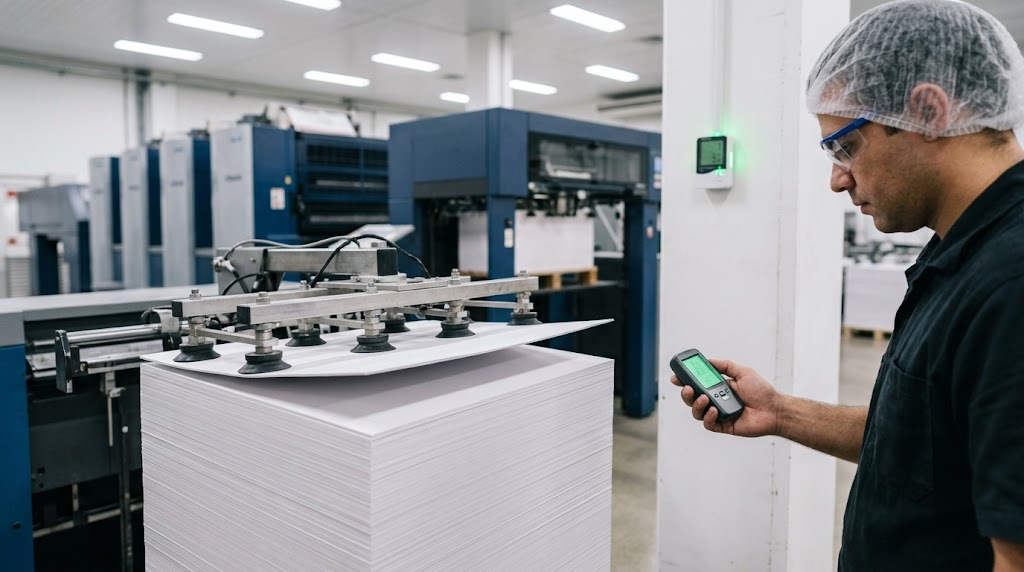
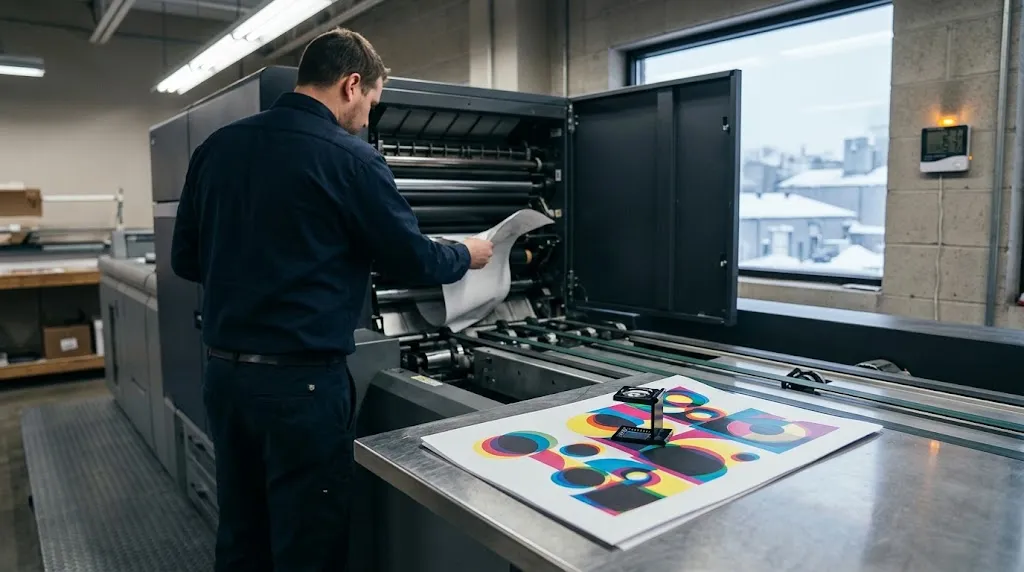
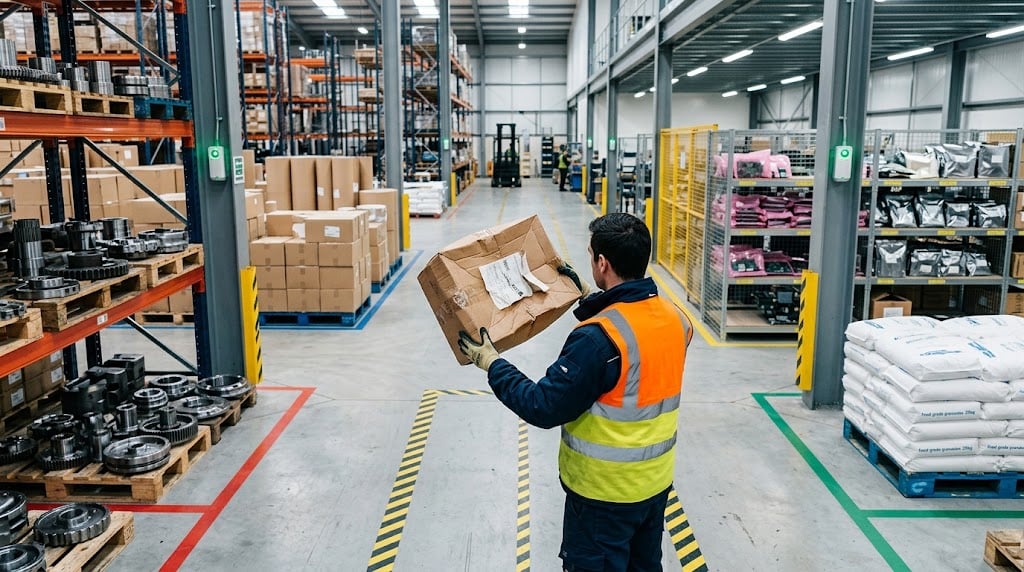
The following facility types specify adiabatic humidification because of specific, documented requirements where imprecise or thermally disruptive humidity control creates measurable operational or regulatory consequences. Data Centers: Data center humidification systems are specified to maintain RH within the ranges defined by ASHRAE A1-A4 equipment classifications, which recommend 40% to 60% RH for most server hardware environments. Below that range, electrostatic discharge (ESD) events can corrupt data or damage sensitive components. Adiabatic systems also lower supply air dry bulb temperature, reducing the cooling load that mechanical systems must offset. Cleanrooms: Cleanroom humidification requirements are driven by ESD suppression thresholds and, in pharmaceutical cleanrooms, by Good Manufacturing Practice (GMP) environmental qualification. Adiabatic systems are preferred because they do not introduce steam or elevated temperatures that would complicate thermal control and invalidate environmental qualification protocols. For ISO Class 5 through 8 cleanrooms, RH is typically maintained between 30% and 60% depending on the process. ESD control systems in electronics manufacturing share the same dependency on maintaining RH above the threshold where surface charge accumulation becomes a production risk. Pharmaceutical Manufacturing: Pharmaceutical manufacturing humidification is governed by GMP regulations requiring stable RH within defined ranges for active ingredient stability, tablet coating processes, and packaging operations. The ASHRAE HVAC Applications for Healthcare Facilities provides RH guidance for pharmaceutical and healthcare environments, and adiabatic precision control supports compliance without introducing the thermal variability that steam systems can introduce. Printing Facilities: Paper moisture content is directly dependent on ambient RH. Dimensional stability, ink adhesion, and static charge buildup in paper are all governed by maintaining RH within tight tolerances, typically between 45% and 55% RH for offset and digital printing environments. Adiabatic systems provide the RH stability needed to hold paper flatness and prevent misregister through a production run. Cold Storage and Food Processing: Humidity control in cold storage directly affects product weight loss through moisture evaporation from stored goods, surface microbial conditions, and shelf life. Adiabatic systems can operate at low temperatures without introducing thermal load, making them appropriate for environments where refrigeration systems are already working to maintain precise temperature setpoints. Aerospace and Defense Manufacturing: Composite materials, precision assemblies, and bonded structures require controlled humidity during layup, curing, and storage. Humidity excursions during these processes can affect bond strength and dimensional tolerances in ways that are not recoverable downstream.Data Centers and Server Rooms
ASHRAE thermal guidelines for data processing environments specify that A1-class equipment should operate between 20% and 80% RH, with most operators targeting the 40% to 60% range to maintain a reliable safety margin against ESD events. The adiabatic cooling effect also means that supply air entering the server room is cooler than it would be from an isothermal system, reducing the mechanical cooling demand that represents one of the largest operational cost drivers in data center facilities.Pharmaceutical, Cleanroom, and Healthcare Environments
These three environment types share a common requirement: tight RH precision backed by regulatory compliance documentation.- ASHRAE 170 specifies RH requirements for healthcare facilities
- GMP guidelines for pharmaceutical manufacturing require environmental monitoring records that demonstrate consistent RH control within defined limits
How Smart Fog Approaches Adiabatic Humidification
Adiabatic humidification that produces an equal-sized droplet grid eliminates the surface-wetting risk that remains a persistent failure mode in conventional fog-based systems. This is the operating principle behind Smart Fog adiabatic humidifiers. The system mixes compressed air and water through a proprietary nozzle to generate a grid of equal-sized, self-evaporating droplets. Each droplet carries a slight electrostatic charge that prevents re-aggregation, supporting complete evaporation before any surface contact under proper system design. It is worth clarifying the caveat that applies to all fog-producing systems operating with force: "non-wetting" describes surface behavior under proper system design, not the behavior of the fog stream itself. Direct exposure to the fog stream will wet a surface. Under correct installation and configuration, however, Smart Fog systems humidify without wetting racks, equipment, ductwork, or product.Precision RH Control Without Surface Wetting
The equal-sized droplet grid distributes evaporation consistently across the humidified space, eliminating the concentration gradients and localized surface moisture that characterize uneven droplet distribution. This enables humidity control systems to maintain RH up to 99% within plus or minus 1-2%, meeting the specifications required for pharmaceutical GMP compliance, cleanroom environmental qualification, and data center ESD suppression. The system has no moving parts in the humidification process, which extends maintenance intervals to every two years and reduces the technician time that steam-based systems require for descaling and electrode replacement.System Configurations for Industrial and Commercial Facilities
Smart Fog systems are available in four configurations to cover both new installations and retrofit projects:- ES100 in-room humidifier: Mounts within the conditioned space for zone-specific RH control where ductwork access is impractical. The ES100 industrial humidifier is designed for continuous industrial operation.
- TS100 in-duct humidifier: Integrates directly into the supply duct of existing air handling units for central humidity control without structural modification to the space.
- ES100M portable humidifier: A mobile configuration for temporary or flexible humidity control requirements.
- MS100 custom grid system: Engineered for large or complex spaces requiring custom nozzle grid layouts.