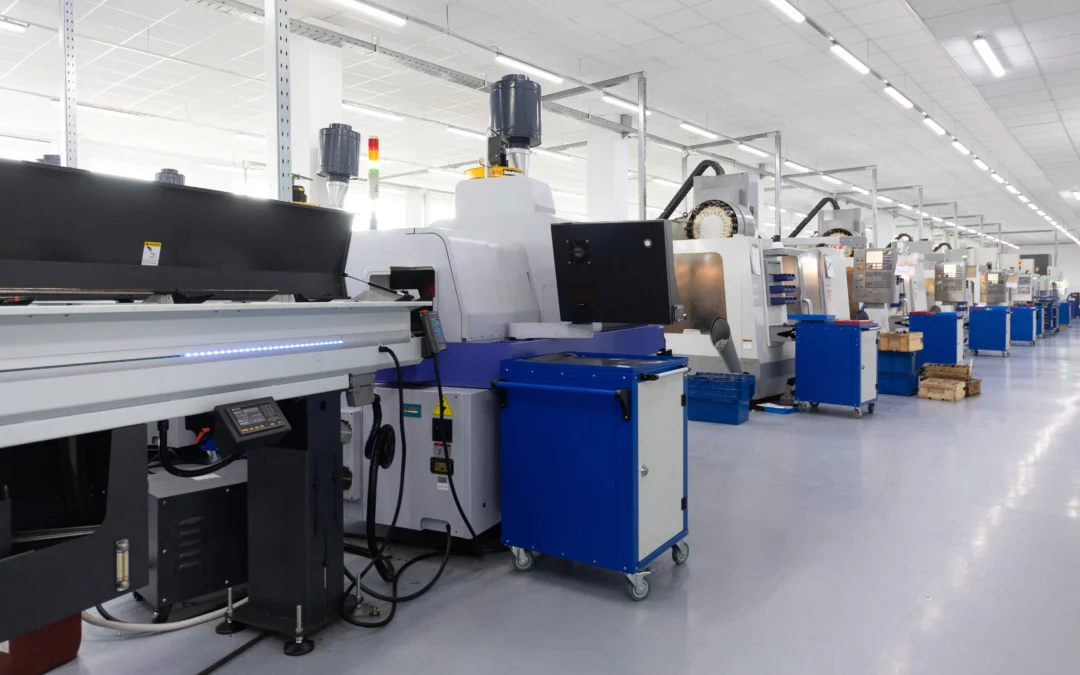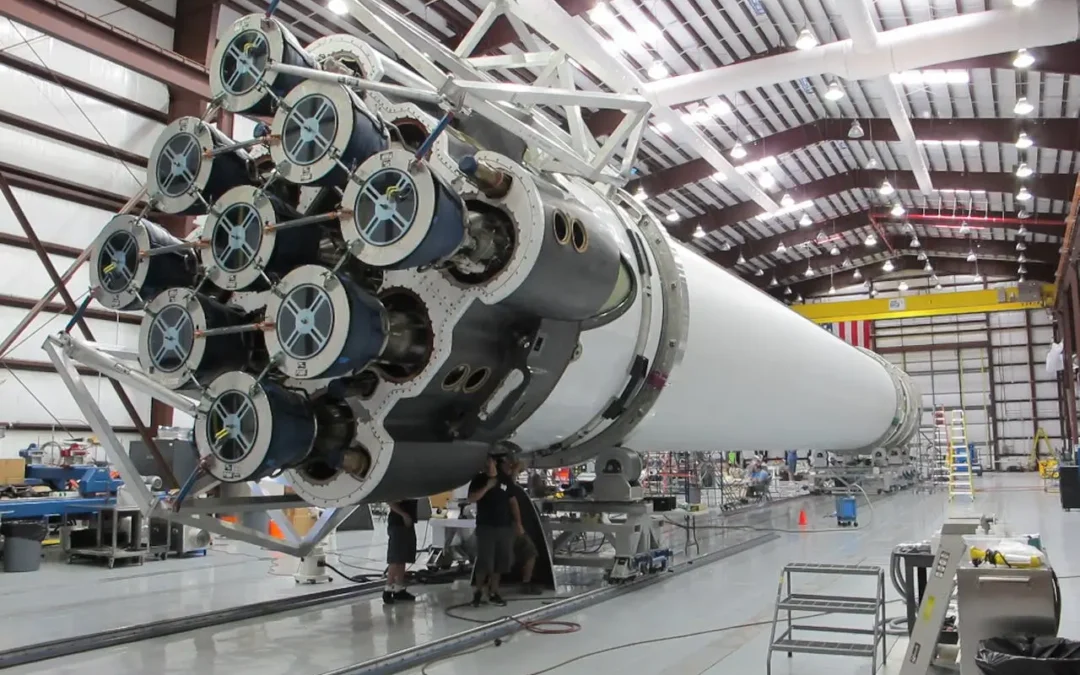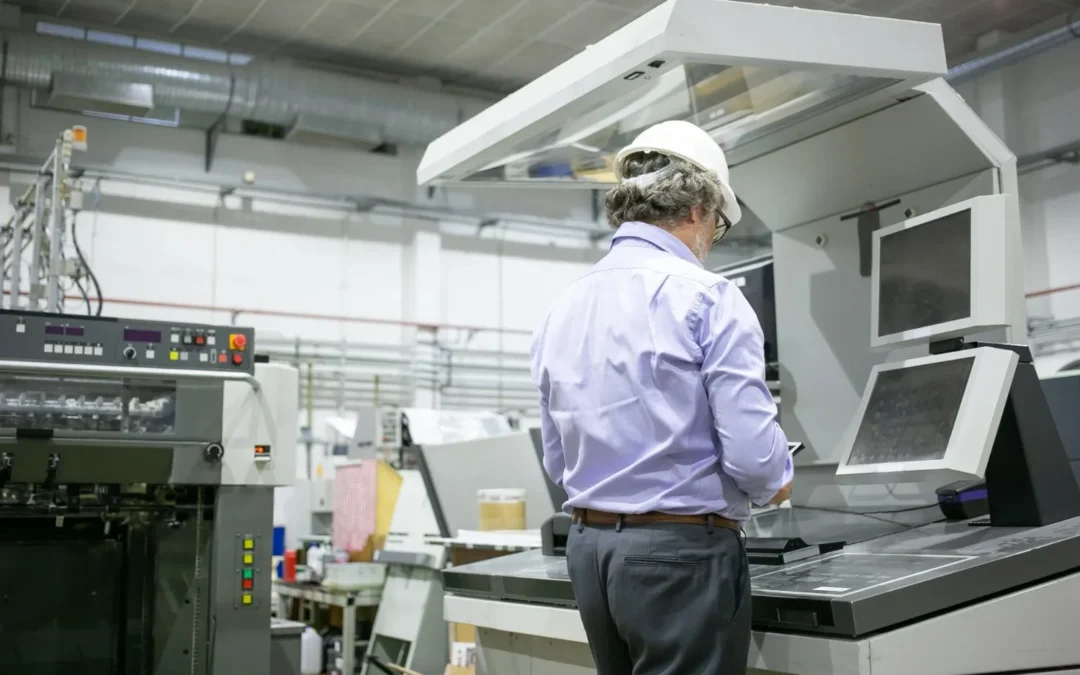


Precision defines the aerospace industry. Every component must meet strict safety standards to ensure reliable flight performance. Controlled environmental conditions, particularly stable humidity and temperature, are essential in high-tech production areas such as cleanrooms to protect sensitive components from corrosion or static discharge.
Engineers rely on continuous monitoring systems to maintain stable air conditions throughout the manufacturing process. Keeping moisture levels consistent helps prevent material damage, production errors, and unnecessary waste. Stable environmental control ultimately protects delicate aerospace materials and supports consistent manufacturing quality.
Key Takeaways
- Stable relative humidity protects composite materials and sensitive electronics.
- Cleanroom environments require tightly controlled moisture levels to prevent static and contamination.
- Uniform humidity distribution is as important as hitting a target RH number.
- Process-specific humidity ranges vary across composites, electronics, and coatings.
- Continuous monitoring must be paired with engineered humidification, not just sensing.
Why Maintaining Ideal Humidity Levels Is Challenging in Aerospace Production
Maintaining ideal humidity and humidity control is difficult because aerospace facilities are complex, multi-zone environments with varying production loads and environmental sensitivity. Standard cooling systems are designed for temperature control, not precision moisture regulation, which creates stability gaps.
Environmental Variability Across Manufacturing Zones
Aerospace facilities often include cleanrooms, bonding areas, composite layup zones, electronics assembly lines, and large-scale integration spaces. Each zone has different environmental sensitivities and moisture tolerances.
Cleanrooms require tightly controlled relative humidity to prevent electrostatic buildup and protect sensitive electronics. Composite layup areas require moisture stability to prevent resin variability and dimensional shifts.
Assembly areas may have different requirements depending on materials in use. Managing these varied environmental needs across a large footprint demands uniform, engineered humidity distribution rather than localized control.
Limitations of Conventional Facility Cooling Systems
Conventional cooling systems are primarily designed to remove sensible heat. They often struggle to maintain precise humidity control, particularly when production loads or seasonal conditions change.
Here are the main limitations of traditional cooling systems:
- Designed mainly for temperature control rather than precise relative humidity management.
- Difficulty maintaining stable humidity during fluctuating production loads.
- Seasonal climate changes can cause inconsistent indoor moisture levels.
- Cooling processes may unintentionally reduce humidity, increasing static discharge risk.
- Uneven humidity control across facility zones can lead to environmental drift.
- Steam-based humidification systems increase energy consumption and infrastructure complexity.
Recommended Humidity Ranges for Aerospace Manufacturing Processes
Different aerospace processes require specific relative humidity ranges to protect material performance and process consistency. Maintaining these ranges consistently across zones is critical for operational reliability.
Relative Humidity Requirements for Cleanrooms and Assembly Areas
Cleanrooms and electronics assembly zones typically operate within a relative humidity range of 40%to 60%, particularly in ISO Class 7 environments. This range minimizes static discharge risk while preventing excess moisture accumulation.
Key considerations include:
- Maintaining RH within defined limits to reduce electrostatic discharge exposure.
- Ensuring filtration and airflow systems support uniform humidity distribution.
- Using continuous monitoring systems to detect deviations in real time.
Humidity stability in these environments directly influences electronic reliability and contamination control.
Process-Specific Humidity Needs for Composites, Electronics, and Coatings
Different aerospace processes require tailored humidity targets:
- Composite Layup: 40%–60% RH to prevent moisture absorption and reduce curing variability in composite materials.
- Electronics Assembly: 30%–50% RH to reduce static discharge risk and protect sensitive electronic components.
- Coatings Application: 50%–70% RH to support proper adhesion and ensure controlled, uniform drying performance.
Maintaining these ranges requires more than average setpoint control. Uniform, non-wetting humidification helps ensure moisture is evenly distributed throughout the production zone, minimizing environmental drift and reducing defect risk.
Facilities that treat humidity as a precision parameter rather than a secondary comfort factor achieve stronger process stability, lower rework rates, and improved long-term aerospace component performance.
Smart Fog’s non-wetting humidification technology produces self-evaporating droplets that disperse evenly into the air, helping facilities maintain consistent relative humidity across large production areas without wetting equipment, materials, or sensitive components.
Operational Risks of Maintaining Humidity Outside Ideal Ranges
Aerospace manufacturing operates within narrow environmental tolerances. When relative humidity drifts outside the recommended range, the impact extends beyond comfort or minor variability. It directly affects product integrity, process stability, equipment reliability, and safety.
Static Buildup in Low Humidity Production Zones
Low humidity environments significantly increase electrostatic discharge risk. Dry air allows static charges to accumulate on personnel, materials, and equipment, creating exposure for sensitive avionics and electronic assemblies.
Key operational risks include:
- Irreversible damage to microelectronics and control systems.
- Equipment malfunction during assembly or testing.
- Latent electronic defects that surface later in service.
- Increased safety risk in certain handling environments.
Even minor static events can create reliability issues that are not immediately visible but may lead to costly rework or long-term performance failures.
Condensation and Material Degradation in High Humidity Areas
Excess humidity introduces a different category of risk. Elevated moisture levels can cause condensation on equipment, tooling, and partially assembled components if environmental balance is not carefully maintained. At the same time, dry air affects material stability and increases static exposure, creating a separate but equally serious environmental concern.
Moisture exposure can:
- Accelerate corrosion in metallic parts
- Compromise composite dimensional stability
- Affect adhesive bond performance
- Disrupt coating adhesion and curing consistency
Humidity extremes increase maintenance requirements, reduce product lifespan, and elevate the likelihood of downstream operational failures.
Common humidity-related issues and their impacts include:
- Static Buildup (Low RH): Causes electronic damage and process disruption, leading to product failure and production delays.
- Excess Moisture (High RH): Leads to corrosion and bonding variability, resulting in increased maintenance and long-term reliability risk.
Maintaining humidity within an engineered range minimizes both static exposure and moisture-related degradation. Properly designed non-wetting humidification systems increase relative humidity without creating condensation or surface wetting, protecting sensitive aerospace environments.
Why Maintaining Consistent Humidity Is Difficult in Production Facilities
Maintaining stable relative humidity in aerospace production is not simply a matter of setting a target range. Large facilities operate as dynamic systems where airflow, heat load, occupancy, and outdoor conditions continuously influence environmental balance. Even small fluctuations can affect sensitive materials and assemblies.
Airflow Distribution and Environmental Drift
Humidity stability depends on how air moves throughout the facility. Uneven airflow, poor mixing, or duct imbalance can create localized zones where relative humidity drifts from the intended range, increasing environmental risk even when central readings appear compliant.
Drift often develops gradually due to system wear, pressure imbalance, or changing weather conditions. Without engineered airflow design and uniform moisture distribution, facilities risk hidden instability that impacts composites, bonding processes, and electronics assembly.
Production Load and Climate Influence
Manufacturing activity itself alters environmental conditions. Process heat, equipment density, and personnel movement can shift temperature and moisture levels throughout the day, requiring continuous system responsiveness.
Outdoor climate conditions introduce additional variability, particularly in regions with seasonal humidity swings. Adiabatic humidification systems that produce self-evaporating droplets help stabilize indoor relative humidity by dispersing moisture that evaporates into the air before contacting surfaces when properly designed.
This approach helps maintain precise, non-wetting humidity control despite fluctuating internal loads and external environmental pressures.
Smart Fog systems generate self-evaporating droplets that integrate with facility airflow to support consistent, non-wetting humidity control across large production spaces, even as internal heat loads and external climate conditions change.
Coordinating Humidity With Temperature and Airflow
Coordinating humidity with temperature and airflow is essential for ensuring the integrity of aerospace components. This coordination is critical because each of these factors can significantly impact the manufacturing process and the final product’s quality.
Distribution Challenges Across Production Areas
Large aerospace facilities rarely operate under uniform conditions. Cleanrooms, composite layup zones, electronics assembly lines, bonding stations, and integration bays each have different environmental sensitivities.
Variations in equipment density, process heat, and personnel movement influence local temperature and moisture levels. Airflow patterns further complicate distribution, sometimes creating micro-environments where humidity drifts outside the target range even though central systems report compliance.
Sensitive zones may require tighter control thresholds than general assembly areas. Achieving uniform environmental performance across these diverse spaces demands engineered distribution rather than isolated humidification or temperature adjustments.
Zoned Environmental Control Requirements
Zoned environmental control allows facilities to tailor humidity, temperature, and airflow to the specific sensitivity of each production area. Instead of treating the building as a single climate envelope, zoned systems maintain targeted conditions based on process demands.
Effective zoning requires:
- A clear understanding of process-level environmental sensitivity.
- Integrated HVAC and humidification design.
- Compliance with cleanroom and contamination standards such as ISO 14644-1.
- Uniform moisture distribution without surface wetting.
Non-wetting precision humidification systems using self-evaporating droplets support zoned control by delivering consistent relative humidity across large footprints without creating condensation or corrosion risk.
Coordinated zoning reduces defect rates, protects electronics and composites, and improves overall production efficiency.
Monitoring Requirements for Maintaining Ideal Humidity
Humidity control is only as reliable as the monitoring infrastructure supporting it. Aerospace facilities require continuous visibility into environmental performance to maintain strict production tolerances.
Monitoring must detect minor deviations before they escalate into process variability or component risk.
Role of Environmental Sensors and Data Logging
High-precision sensors continuously measure relative humidity levels, airflow, and temperature across multiple zones. While controlling temperature remains important, maintaining humidity levels within specification is equally critical for preventing corrosion, static buildup, and airborne contaminant interaction with sensitive components.
Data logging supports environmental control by enabling:
- Continuous tracking of relative humidity levels within each production zone.
- Identification of seasonal trends and operational variability.
- Verification that humidity levels remain within defined compliance limits.
- Early detection of environmental drift before it affects aircraft assemblies or electronic components.
Monitoring alone, however, does not stabilize the environment. Sensors must be integrated with responsive humidification systems capable of adjusting output quickly and distributing moisture evenly across the controlled environment.
Real-Time Adjustments in Dynamic Production Environments
Aerospace manufacturing conditions shift throughout the day due to process heat, equipment load, and personnel movement. Systems must respond dynamically to maintain consistent relative humidity levels within critical thresholds.
Effective real-time control delivers measurable benefits:
- Immediate correction: Rapid response prevents humidity deviations from affecting sensitive assemblies.
- Improved quality assurance: Stable environmental conditions protect electronic components, composites, and bonded aircraft structures from moisture-related variability.
- Operational stability: Coordinated control reduces overcorrection and maintains environmental balance under changing production loads.
Adiabatic humidification systems that produce self-evaporating droplets support responsive control by dispersing moisture that evaporates into the air before contacting surfaces when properly designed. This approach helps stabilize humidity levels within target ranges without wetting equipment, floors, or ductwork.
When monitoring, airflow management, humidity control, and temperature coordination operate as a unified system, aerospace manufacturers achieve the environmental precision required for reliable aircraft production.
Smart Fog’s non-wetting precision humidification technology produces self-evaporating droplets that disperse evenly into the air, helping aerospace facilities maintain consistent relative humidity as production loads, equipment heat, and facility conditions change throughout the day.
Evaluating Environmental Control Requirements for Aerospace Applications
To achieve reliability and consistency in aerospace manufacturing, facilities must evaluate their environmental control needs. This involves understanding the specific requirements of various processes and ensuring that the facility’s conditions are optimized to support these processes.
Matching Facility Conditions to Process Sensitivity
Aerospace production includes composites fabrication, electronics assembly, bonding, coating, machining, and integration. Each process responds differently to environmental variability, particularly relative humidity and airflow distribution.
For example, composite layup and curing require stable humidity to prevent moisture absorption and curing variability. Electronics assembly requires controlled humidity levels to reduce electrostatic discharge exposure while avoiding condensation risk.
Adhesive bonding and coating operations depend on consistent surface conditions that are influenced by both moisture balance and air movement. Environmental control planning should consider:
- Cleanrooms and sensitive assembly zones requiring tightly managed humidity and particulate control.
- Composite, coating, and adhesive processes with defined moisture and temperature tolerances.
- Electronics manufacturing zones where stable humidity reduces static exposure without introducing surface wetting.
Precision humidification systems must deliver uniform moisture distribution across these zones while avoiding condensation. Non-wetting precision humidification systems help achieve this by producing self-evaporating droplets that disperse evenly into the air and help stabilize relative humidity without impacting surrounding surfaces.
Supporting Long-Term Production Reliability
Environmental control influences more than immediate production quality. Conditions during manufacturing affect material integrity, bonding performance, electronic reliability, and lifecycle durability.
Long-term reliability is strengthened through:
- Routine maintenance and calibration of environmental control infrastructure.
- Continuous monitoring of humidity, temperature, and airflow conditions.
- Responsive humidification systems capable of maintaining stable relative humidity despite production load changes.
- Operational discipline and personnel awareness of environmental sensitivity.
Adiabatic humidification systems that produce self-evaporating droplets help support consistent environmental performance while potentially reducing energy demand compared to steam-based humidification. When integrated with facility automation and airflow management strategies, these systems help maintain stable humidity control across large aerospace production environments.
Final Thoughts
Aerospace manufacturing requires precise environmental control. Stable, evenly distributed humidity helps protect sensitive materials, electronics, and mission-critical assemblies while supporting consistent production quality.
Smart Fog is a non-wetting precision humidification system that produces self-evaporating droplets designed to disperse evenly into the air. As an adiabatic solution, it helps facilities maintain consistent relative humidity without wetting surfaces or creating condensation.
In many applications, this approach can also reduce energy demand compared to steam-based humidification while supporting stable environmental conditions across aerospace production environments.
FAQ
Why is precise humidity control critical in aerospace manufacturing?
Precise humidity control protects components from moisture absorption, corrosion, and dimensional instability. Stable relative humidity helps materials, adhesives, composites, and electronics perform within strict safety and quality tolerances.
What are the risks of low humidity in aerospace facilities?
Low humidity increases electrostatic discharge risk, which can damage sensitive avionics and electronic assemblies. Extremely dry air can also affect material flexibility and overall process consistency.
How does high humidity affect aerospace production and storage?
Excess humidity can cause condensation, corrosion of metallic components, and degradation of composite materials. Controlled humidity prevents moisture-related damage and protects finished assemblies.
Why are conventional cooling systems insufficient for aerospace production?
Standard cooling systems are designed for comfort, not precision manufacturing. They often fail to maintain consistent humidity and balanced airflow required for aerospace-grade environmental stability.
What environmental conditions are required for composites and electronics?
Composites require stable humidity to prevent dimensional shifts and curing variability. Electronics require controlled humidity to reduce static discharge and moisture-related reliability risks.
How is airborne particulate contamination managed in aerospace cleanrooms?
Aerospace cleanrooms use HEPA filtration, engineered airflow design, and positive pressure control to maintain strict particle limits. Continuous monitoring ensures compliance with required cleanliness standards.