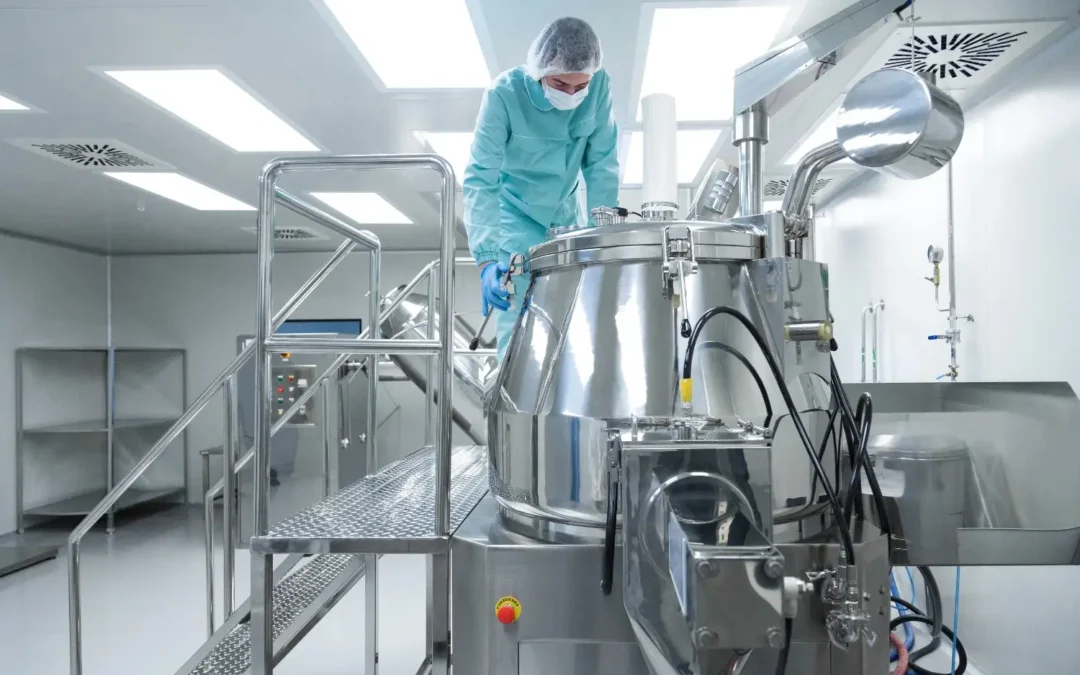


Maintaining precise humidity control is a cornerstone of pharmaceutical manufacturing. Strict GMP requirements ensure that every product remains stable, safe, and effective, while consistent environmental monitoring prevents chemical degradation and costly compliance failures.
This article outlines the essential humidity standards for cleanrooms and storage areas, key monitoring methods, and proven compliance strategies to keep your facility audit-ready at every stage of production.
Key Takeaways
- Precision in moisture levels ensures long-term drug stability.
- Regulatory bodies mandate strict logs for environmental conditions.
- Proper air handling prevents harmful microbial growth in labs.
- Real-time monitoring systems significantly reduce the risk of batch loss.
- Standardized control protocols help streamline the facility audit process.
- Consistent atmospheric settings protect sensitive chemical formulations.
What GMP Humidity Requirements Actually Cover
GMP humidity requirements are a critical aspect of pharmaceutical manufacturing, as humidity control influences product stability and quality. These requirements are designed to ensure that the manufacturing environment does not adversely affect the quality of pharmaceutical products.
The regulatory frameworks governing GMP humidity requirements are multifaceted, involving various guidelines and standards. Understanding these frameworks is essential for compliance.
Key Regulatory Frameworks: EU GMP Annex 1, ICH Q1, WHO, and FDA Guidance
Several key regulatory frameworks outline the GMP humidity requirements for pharmaceutical manufacturing. These include:
- EU GMP Annex 1: Provides guidelines on the manufacture of sterile medicinal products, including specific requirements for environmental conditions.
- ICH Q1: Focuses on the stability testing of new drug substances and products, including the impact of humidity.
- WHO: Offers guidance on good manufacturing practices, including environmental control and monitoring.
- FDA Guidance: The U.S. The Food and Drug Administration provides guidance documents on various aspects of GMP, including environmental control.
The Difference Between Mandatory GMP Requirements and Recommended Humidity Ranges
Understanding the distinction between mandatory GMP requirements and recommended humidity ranges is crucial for compliance. Mandatory requirements are those that must be adhered to, as they are directly related to the quality and safety of the product.
Recommended humidity ranges, on the other hand, are guidelines that provide a broader context for maintaining optimal manufacturing conditions. While not always enforceable as strict requirements, deviating from these recommendations can lead to compliance issues if not properly justified.
For instance, a pharmaceutical manufacturer may operate within a recommended humidity range for a particular process. However, if the product is sensitive to humidity, the manufacturer must ensure that the actual humidity levels are controlled and monitored closely, even if the recommended range is broader.
GMP Humidity Requirements by Manufacturing Zone
The control of humidity is critical in various manufacturing zones within pharmaceutical facilities, each with its own GMP requirements. Maintaining the right humidity levels is essential for preventing contamination, ensuring product quality, and complying with regulatory standards.
Cleanrooms and Sterile Manufacturing Areas
Cleanrooms and sterile manufacturing areas require stringent humidity control to prevent microbial growth and maintain sterility. Humidity levels in these areas are typically maintained between 30% to 60% RH, depending on the specific product being manufactured and the regulatory guidelines being followed.
The importance of precise humidity control in cleanrooms cannot be overstated, as it directly impacts the quality and safety of the final product. For instance, in areas where sterile products are filled and sealed, maintaining a stable humidity environment is crucial.
Solid Dose, Coating, and Non-Sterile Production Zones
Humidity control in solid dose, coating, and non-sterile production areas is essential to maintain product stability, ensure process efficiency, and prevent quality issues. While these zones are less stringent than sterile environments, they still require carefully controlled humidity ranges based on the specific process and material sensitivity.
The following outlines typical humidity ranges and their purpose across different production zones:
- Solid dose production typically operates at 30–50% RH to prevent moisture uptake and product degradation.
- Coating operations typically operate at 40–60% RH to ensure uniform coating and avoid defects.
- Non-sterile production typically operates at 30–60% RH to maintain product quality and limit contamination.
Packaging Areas and Material Handling Environments
Humidity control in packaging areas and material handling environments is vital to prevent product exposure to moisture, which could compromise product integrity. The specific humidity requirements can vary based on the product’s sensitivity to moisture.
Controlled Storage and Stability Testing Rooms
Controlled storage areas and stability testing rooms have specific humidity requirements to ensure that products are stored under conditions that do not adversely affect their quality. Stability testing rooms, for example, are often set at 60% RH ± 5% to simulate long-term storage conditions.
By understanding and implementing the appropriate GMP humidity requirements for each manufacturing zone, pharmaceutical facilities can ensure compliance with regulatory standards and maintain the quality of their products.
Maintaining different humidity requirements across cleanrooms, production areas, and storage environments can be operationally complex. Variability between zones, combined with changing process demands, often makes consistent control difficult to achieve with conventional systems.
Humidification solutions such as Smart Fog systems are designed to support uniform humidity control across diverse environments by introducing fine, engineered droplets that evaporate into the air when properly implemented. This approach helps facilities maintain stable conditions across zones while aligning with GMP expectations for consistency and control.
What GMP Guidelines Specify for Relative Humidity Levels
The control of relative humidity is a key aspect of GMP guidelines, directly impacting product stability and quality. GMP guidelines provide specific recommendations for relative humidity levels to ensure that manufacturing environments do not compromise the quality of pharmaceutical products.
Regulatory Thresholds vs Operational Setpoints: Understanding the Distinction
GMP guidelines often specify regulatory thresholds for relative humidity, which are the maximum or minimum limits allowed for RH in different manufacturing areas. However, operational setpoints are the actual RH levels at which the environment is maintained to ensure compliance and product quality. Operational setpoints are typically more stringent than regulatory thresholds to provide a safety margin against deviations.
Understanding the distinction between these two is crucial for effective humidity control. For instance, a regulatory threshold might state that the RH should not exceed 60%, but an operational setpoint might be set at 55% to ensure that there’s always a buffer before reaching the regulatory limit.
Product Sensitivity, Stability Classifications, and Their Effect on RH Requirements
The sensitivity and stability classifications of pharmaceutical products significantly influence the RH requirements in GMP-compliant facilities. Products that are highly sensitive to moisture or have specific stability requirements necessitate stricter RH controls.
At the same time, the impact of low RH must also be considered, as insufficient humidity levels can lead to product drying, reduced efficacy, or structural degradation in certain formulations.
- Highly Hygroscopic Products: Require lower RH levels to prevent moisture uptake.
- Products Sensitive to Low Humidity: May require higher RH levels to prevent drying out or degradation.
- Stability Classifications: Influence the storage conditions, including RH, to ensure product stability over its shelf life.
To meet these guidelines, it’s highly recommended to install GMP-compliant humidifiers into the facilities.
GMP Compliance Documentation and Validation Requirements
GMP compliance documentation and validation are essential for maintaining controlled humidity levels in pharmaceutical facilities and ensuring regulatory adherence. Manufacturers must establish comprehensive environmental monitoring plans to track and manage humidity consistently. Continuous monitoring and proper documentation help demonstrate compliance, maintain product quality, and support audit readiness.
Environmental Monitoring Plans and GMP Documentation Expectations
Environmental monitoring plans are essential for maintaining controlled conditions in pharmaceutical facilities. These plans define how humidity, temperature, and other environmental factors are monitored, along with the frequency, equipment used, and responsible personnel. Proper GMP documentation ensures all monitoring activities are recorded, including deviations and corrective actions.
Qualification and Validation of Humidity Control Systems (IQ/OQ/PQ)
The qualification and validation of humidity control systems are critical for ensuring that these systems operate as intended and maintain the required humidity levels. This process involves three key stages: Installation Qualification (IQ), Operational Qualification (OQ), and (PQ).
- Installation Qualification (IQ): Verifies that the humidity control system is installed correctly and that all components are as specified.
- Operational Qualification (OQ): Tests the system’s operation to ensure it functions as intended under various conditions.
- Performance Qualification (PQ): Demonstrates that the system consistently maintains the required humidity levels over time.
Audit Readiness: What Regulators Look for in Humidity Control Records
Regulatory auditors review humidity control records to ensure compliance with GMP requirements. Key aspects they look for include:
- Completeness and accuracy of monitoring records.
- Evidence of regular calibration and maintenance of monitoring equipment.
- Appropriate handling of deviations, including investigations and corrective actions.
Maintaining thorough and accurate records is essential for demonstrating compliance with GMP humidity requirements and ensuring audit readiness.
Monitoring GMP Humidity Compliance in Pharmaceutical Facilities
Monitoring humidity under GMP ensures environmental conditions stay within required limits to protect product quality and meet regulatory standards. This involves accurate sensors, regular calibration, and reliable data tracking to detect and prevent deviations.
Sensor Placement, Calibration Schedules, and Data Integrity Requirements
Accurate humidity monitoring depends on how well sensors are placed, maintained, and validated over time. Without proper control, data can become unreliable and impact compliance.
To ensure GMP-compliant monitoring, the key requirements include:
- Sensors must be placed in representative locations where products and processes are directly exposed to humidity.
- Avoid placing sensors near vents, doors, or airflow disturbances that can skew readings.
- Use multiple sensors across critical zones to capture variations within the environment.
- Establish a defined calibration schedule based on regulatory guidelines and equipment specifications.
- Perform routine calibration checks to ensure continued accuracy and system reliability.
- Maintain detailed calibration records for audits and compliance verification.
- Ensure all collected data is accurate, complete, and protected from unauthorized access.
- Implement secure data storage systems with proper backup and retrieval mechanisms.
- Control user access and maintain audit trails to meet GMP data integrity requirements.
Continuous Environmental Monitoring and Alert vs Action Limit Design
Continuous environmental monitoring systems are critical for maintaining GMP compliance. These systems provide real-time data on humidity levels, enabling prompt action in case of deviations.
The design of these systems should include alert and action limits to notify personnel of potential issues before they become critical. Alert limits provide early warning, while action limits define the threshold for corrective action.
The setting of these limits should be based on a thorough understanding of the manufacturing process and product sensitivity to humidity. This ensures that the monitoring system is effective in preventing deviations that could impact product quality.
Humidity Deviation and Excursion Management Under GMP
Managing humidity deviations and excursions is critical in GMP-regulated environments. Humidity control is essential for maintaining the quality and integrity of pharmaceutical products. When humidity levels deviate from the specified ranges, it can lead to product degradation, contamination, or other quality issues.
Defining GMP Humidity Excursions and Reporting Requirements
A GMP humidity excursion occurs when the relative humidity (RH) in a controlled environment exceeds the predefined limits. These limits are typically established based on regulatory guidelines, product sensitivity, and the specific requirements of the manufacturing process.
Key factors in determining a humidity excursion include:
- The duration of the excursion
- The magnitude of the deviation from the specified range
- The potential impact on product quality and stability
Reporting requirements for humidity excursions vary depending on the regulatory framework and the specific circumstances of the deviation. Generally, excursions that could impact product quality or pose a risk to patient safety must be documented and reported to the relevant regulatory authorities.
Investigation, CAPA, and Regulatory Notification
When a humidity excursion occurs, a thorough investigation must be conducted to determine the root cause of the deviation. This involves assessing the impact on affected products, identifying corrective actions to prevent recurrence, and implementing preventive measures.
The investigation process typically includes:
- Reviewing environmental monitoring data to understand the extent of the excursion
- Assessing the potential impact on product quality and patient safety
- Identifying the root cause of the deviation
- Developing and implementing corrective and preventive actions (CAPA)
Regulatory notification is required for significant deviations that could affect product quality or safety. The notification should be made in accordance with the relevant regulatory guidelines and timelines.
Common GMP Humidity Compliance Challenges and How to Address Them
Pharmaceutical manufacturers frequently encounter difficulties in adhering to GMP humidity standards. Maintaining the required humidity levels is crucial for ensuring product quality and compliance with regulatory requirements.
Seasonal Variability and HVAC System Limitations as Compliance Risks
Seasonal changes and HVAC system performance can directly impact humidity control in pharmaceutical facilities. Without proper adjustments, these factors may lead to non-compliance and affect product stability.
Key risks and solutions include:
- Humid season: Higher moisture levels can push humidity beyond acceptable limits, requiring enhanced dehumidification in HVAC systems
- Dry season: Low ambient moisture can reduce humidity below required levels, making humidification control essential
- HVAC limitations: Poor system design or maintenance can prevent consistent humidity control during seasonal shifts
- Monitoring gaps: Lack of real-time tracking can delay detection of humidity deviations
- Corrective approach: Upgrading HVAC capabilities and improving monitoring systems helps maintain compliance across changing conditions
Facility Design Constraints That Affect Humidity Control Performance
The design of a pharmaceutical facility can significantly impact its ability to maintain GMP humidity compliance. Factors such as the layout, construction materials, and the presence of humidity-controlled areas can all influence humidity control performance.
For instance, facilities with large open areas or those that are not properly zoned for different humidity requirements may find it challenging to maintain consistent humidity levels across the facility.
- Implement zoning to separate areas with different humidity requirements
- Use materials and finishes that minimize moisture absorption and release
- Design HVAC systems with adequate capacity and control for humidity management
By understanding these challenges and implementing appropriate measures, pharmaceutical facilities can better maintain GMP humidity compliance and ensure product quality.
Final Thoughts on GMP Humidity Requirements and Compliance
Humidity control plays a direct role in pharmaceutical manufacturing quality, stability, and compliance. Even small deviations in relative humidity can affect formulations, increase contamination risk, and lead to batch rejection. This makes precise environmental control essential across all production stages.
Meeting GMP expectations requires more than staying within defined limits. Facilities must maintain consistent setpoints, continuous monitoring, and validated systems that support stable conditions and reliable performance over time.
To meet these demands, humidification systems must deliver consistent output without introducing variability into the environment. Solutions such as Smart Fog systems are designed to support this level of control by using engineered droplets that evaporate into the air when properly implemented. This helps maintain uniform humidity conditions across critical spaces while aligning with the stability and control requirements expected in GMP-regulated environments.
FAQ
What is the role of an HVAC system in maintaining a GMP compliant environment?
HVAC systems control temperature, humidity, airflow, and pressure to maintain validated GMP conditions.
What is the difference between an alert limit and an action limit in environmental monitoring?
Alert limits warn of drift from setpoints, while action limits require immediate corrective action and investigation.
How does high humidity impact the pharmaceutical production process?
It increases contamination risk and can cause degradation, clumping, or reduced drug potency.
What documentation do regulators look for during a GMP compliance audit regarding humidity?
Regulators review monitoring records, calibration logs, validation reports, and deviation handling documentation.
Why is risk assessment important for humidity deviations?
It determines the impact on product quality and whether batches remain safe for release.