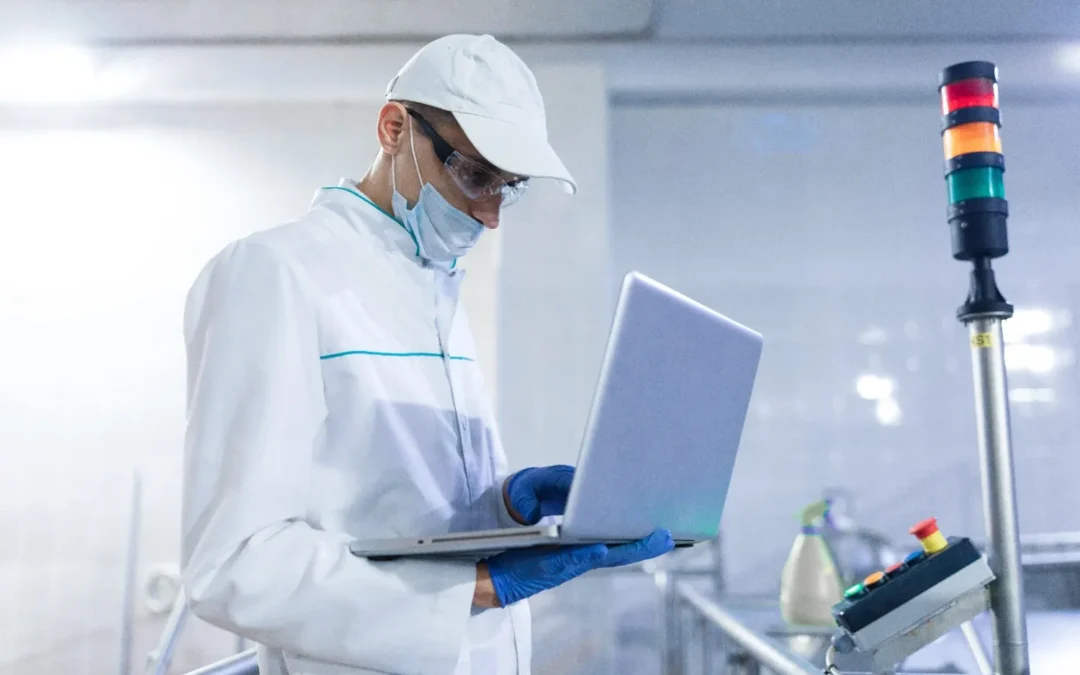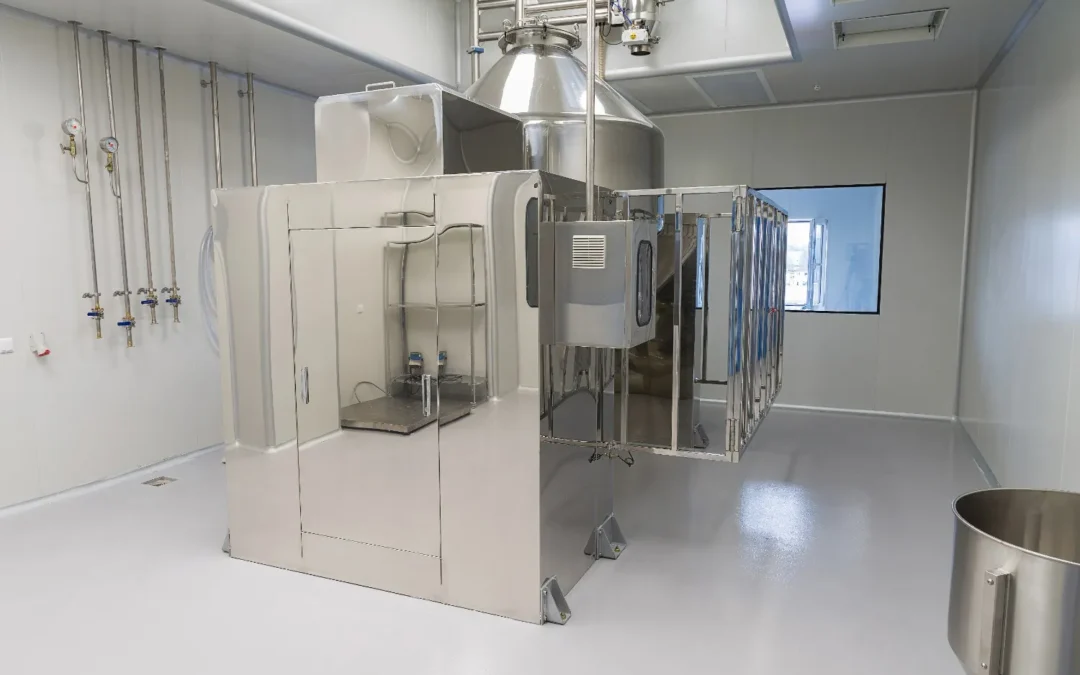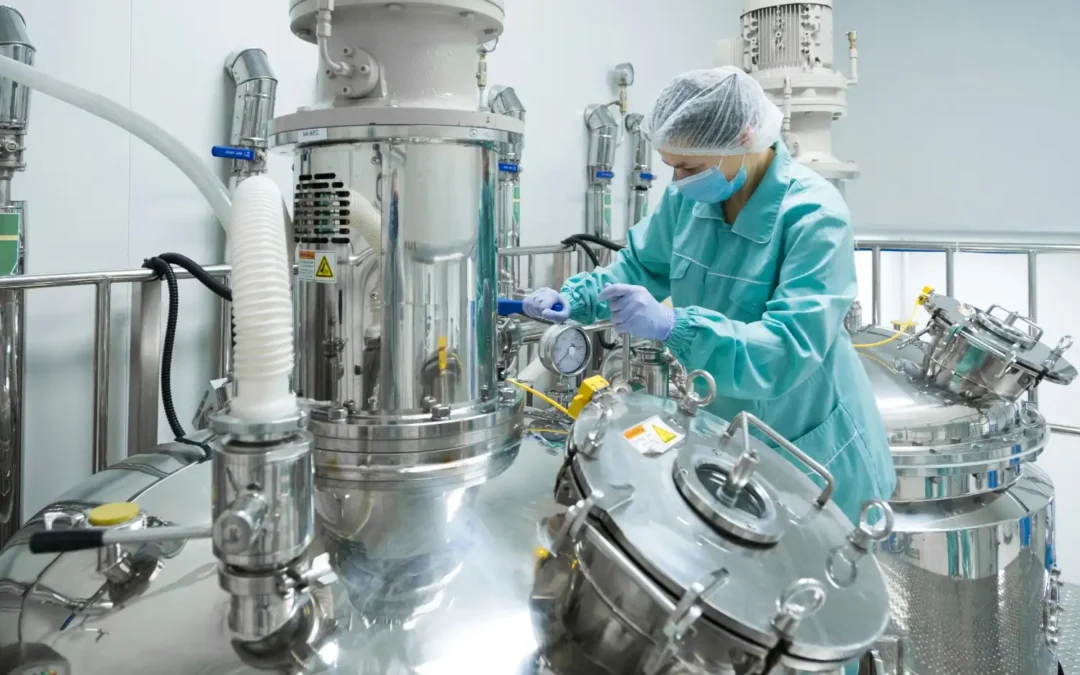


Maintaining a cleanroom environment is essential for modern pharmaceutical manufacturing. Strict good manufacturing practices help control contamination risks and ensure that every product meets required safety standards.
Environmental control systems regulate air quality, temperature, and moisture to maintain stable conditions. Even small variations or airborne particles can impact product quality, making precise control critical across pharma facilities.
Advanced systems and continuous monitoring support consistent performance and regulatory compliance. These controls help protect product integrity, reduce production risks, and ensure reliable outcomes across the manufacturing process.
Key Takeaways
- Product safety depends on sterile air.
- Industry rules guide daily tasks.
- Risk reduction protects patients.
- Stable settings ensure high quality.
- Tracking moisture is a top priority.
- Regulatory norms must be met.
Environmental Control as a Multi-Parameter Systems Challenge in Pharma Manufacturing
Environmental control in pharma manufacturing is a multifaceted challenge that requires careful management of several critical parameters. Achieving optimal conditions involves a complex interplay between various environmental factors, like humidity control and temperature precision. This complexity necessitates a holistic approach to designing and implementing environmental control systems.
The Interconnection Between Humidity, Temperature, Air Quality, and Pressure Control
Humidity, temperature, air quality, and pressure are interconnected parameters that significantly impact the quality and safety of pharmaceutical products. Humidity control is critical as it affects the stability and shelf-life of products. Similarly, temperature control is essential for maintaining the efficacy of drugs and preventing degradation.
Air quality control involves managing particulate matter and microbial contamination through the use of filtration systems and controlled airflows. Meanwhile, pressure control ensures that different areas within the facility maintain the required pressure differentials to prevent contamination.
How GMP Frameworks Define Environmental Control Expectations Across Facility Areas
GMP (Good Manufacturing Practice) frameworks establish environmental control standards across various facility areas, including production, packaging, and storage zones. These frameworks define GMP humidity requirements alongside temperature and air quality parameters to ensure consistent product quality, stability, and safety across all operations.
GMP frameworks also emphasize the importance of segregation and zoning within facilities to prevent cross-contamination. This includes defining different zones based on the level of cleanliness required for specific operations and ensuring that environmental controls, including humidity, are consistently maintained to meet compliance expectations.
HVAC-Based Environmental Control Methods in Pharmaceutical Facilities
In pharmaceutical manufacturing, HVAC-based environmental control methods are essential for ensuring product quality and safety. These systems are designed to maintain precise control over temperature, humidity, and air quality, which are critical factors in preventing contamination and ensuring the integrity of pharmaceutical products.
Air Handling Units, Recirculation Design, and Environmental Setpoint Management
Air Handling Units (AHUs) are a crucial component of HVAC systems in pharmaceutical facilities. They are responsible for heating, cooling, humidifying, and dehumidifying the air to maintain the desired environmental conditions.
Efficient AHU design and operation are critical for maintaining the required environmental setpoints, which are the predefined values for temperature, humidity, and other environmental parameters.
The recirculation design of HVAC systems also plays a significant role in environmental control. By recirculating a portion of the air, these systems can maintain a consistent environment while minimizing the introduction of outside air, which may be contaminated. However, the recirculation rate must be carefully managed to prevent the buildup of contaminants within the facility.
Cleanroom Pressurization, Air Changes, and HVAC Zoning for Contamination Control
Cleanroom pressurization, airflow control, and HVAC zoning are critical for preventing contamination and maintaining controlled pharmaceutical environments. Proper system design ensures air moves from cleaner to less clean areas while maintaining required environmental conditions.
Key considerations include:
- Positive pressurization: Maintains higher pressure in cleanrooms to prevent contaminated air from entering
- Airflow direction: Ensures air flows from cleaner zones to less clean areas
- HVAC zoning: Separates areas based on cleanliness requirements for better control
- Air Changes per Hour (ACH): Controls how frequently air is replaced to maintain air quality
- ISO 5: 240–480 ACH with positive pressure relative to adjacent areas
- ISO 7: 60–90 ACH with positive pressure relative to adjacent areas
- ISO 8: 20–40 ACH with positive or neutral pressure relative to adjacent areas
Air Quality and Contamination Control Methods
Air quality control is essential in pharmaceutical manufacturing to ensure product safety and maintain required standards. Contamination is managed through advanced filtration systems, controlled airflow patterns, and continuous environmental monitoring. These combined measures help maintain clean, stable conditions across production areas.
HEPA Filtration Grades and Their Role in Particulate and Microbial Control
HEPA (High Efficiency Particulate Air) filters are a crucial component in maintaining air quality within pharmaceutical facilities. These filters are designed to capture a high percentage of airborne particles, including dust, bacteria, and other microorganisms.
HEPA filters are categorized into different grades based on their efficiency in removing particles of specific sizes. The most common grades are H13 and H14, with H14 being the highest grade used in the most sensitive areas of pharmaceutical manufacturing.
- HEPA H13 filters capture 99.95% of particles ≥0.3 μm
- HEPA H14 filters capture 99.995% of particles ≥0.3 μm
Unidirectional Airflow, Pressure Cascades, and Cleanroom Classification Alignment
Airflow design and pressure control are essential for maintaining contamination-free pharmaceutical environments. These systems ensure that air moves in the correct direction and supports required cleanroom standards.
Key considerations include:
- Unidirectional airflow: Moves air in a single direction from clean to less clean areas to prevent contamination spread
- Pressure cascades: Maintain higher pressure in cleaner zones to ensure airflow moves outward to less clean areas
- Contamination control: Prevents entry and circulation of airborne particles and microorganisms
- Cleanroom classification: Defines allowable particle levels based on manufacturing requirements
- ISO 5: 3,520 particles/m³ (≥0.5 μm) and 29 particles/m³ (≥5.0 μm)
- ISO 7: 352,000 particles/m³ (≥0.5 μm) and 2,930 particles/m³ (≥5.0 μm)
- ISO 8: 3,520,000 particles/m³ (≥0.5 μm) and 29,300 particles/m³ (≥5.0 μm)
These controls work together to align airflow, pressure, and cleanliness standards across pharmaceutical manufacturing environments.
Environmental Monitoring for Microbial and Particulate Excursion Detection
Environmental monitoring is a critical component of contamination control in pharmaceutical facilities. It involves the continuous monitoring of air and surfaces for microbial and particulate contaminants.
Monitoring programs typically include the use of air samplers, settle plates, and surface swabs to detect any deviations from the expected cleanroom conditions. This allows for prompt corrective action to be taken in case of any excursions.
Continuous environmental monitoring ensures that pharmaceutical facilities maintain the required standards for air quality and contamination control, thereby safeguarding product quality and patient safety.
Humidity and Temperature Control Methods in Pharmaceutical Manufacturing
Controlling humidity and temperature is essential in pharmaceutical manufacturing to protect product stability, potency, and shelf life. Even minor environmental deviations can impact quality and process consistency. Facilities rely on advanced humidification and dehumidification systems designed to meet GMP humidity control systems standards, ensuring precise RH control across production and storage areas.
Humidification and Dehumidification Systems for Process-Specific RH Requirements
Humidification systems are used to add moisture to the air when the environment is too dry, preventing issues such as static electricity and the degradation of certain products. Conversely, dehumidification systems remove excess moisture to prevent microbial growth and product deterioration. The choice between these systems depends on the specific RH requirements of the manufacturing process.
For instance, some pharmaceutical processes require a very low humidity environment to prevent moisture-induced degradation. In such cases, advanced dehumidification systems, such as desiccant dehumidifiers, are employed to achieve the desired dry conditions.
Pharmaceutical facilities often need to manage both humidification and dehumidification across different processes and zones. Maintaining the right balance without creating instability in adjacent areas can be challenging, especially when conditions shift throughout production cycles.
Humidification systems designed for precise, controlled output, such as Smart Fog, are used in applications where moisture must be introduced without disrupting surrounding conditions. When properly implemented alongside dehumidification strategies, they help maintain stable RH levels across complex environments.
Temperature Stability Methods and Their Interaction With Humidity Control
Temperature control is equally critical in pharmaceutical manufacturing, as it directly influences the stability and efficacy of products. Temperature stability is achieved through sophisticated heating, ventilation, and air conditioning (HVAC) systems that are designed to maintain precise temperature ranges.
The interaction between temperature and humidity control is complex, as changes in temperature can affect the relative humidity. Therefore, temperature stability methods must be carefully integrated with humidity control systems to ensure that both parameters are maintained within the required ranges.
Environmental Setpoint Design for GMP Compliance Across Production Zones
Designing environmental setpoints for GMP compliance involves establishing specific temperature and humidity ranges for different production zones. These setpoints are determined based on the requirements of the products being manufactured and the processes being performed.
To ensure GMP compliance, pharmaceutical facilities must implement environmental setpoint design that includes regular monitoring and control of environmental conditions. This involves the use of advanced sensors and control systems to maintain the desired conditions and to alert personnel to any deviations.
By implementing effective humidity and temperature control methods, pharmaceutical manufacturers can ensure product quality, comply with regulatory requirements, and maintain a safe and efficient production environment.
Facility Design and Zoning as Environmental Control Strategy
Facility design and zoning are key components of a robust environmental control strategy in pharma manufacturing. By carefully planning the layout and segregation of different areas within a facility, manufacturers can significantly reduce the risk of contamination and ensure compliance with regulatory standards.
Cleanroom Classification, Area Segregation, and Layout Planning
Cleanroom classification is a critical aspect of facility design, as it directly impacts the level of environmental control required in different areas. Area segregation is essential to prevent cross-contamination between different production zones. This involves designing the facility layout to separate areas based on their cleanroom classification and the activities performed within them.
The layout planning should consider the flow of personnel, materials, and products to minimize the risk of contamination. For instance, areas with higher cleanroom classifications should be located away from potential sources of contamination, such as waste disposal areas or high-traffic zones.
- Segregate areas based on cleanroom classification
- Designate specific paths for personnel and material flow
- Implement controlled access points between different zones
Airlock Design, Controlled Access, and Environmental Boundary Management
Airlocks play a crucial role in maintaining environmental control by providing a buffer zone between areas of different cleanroom classifications. Airlock design should ensure that there is a controlled flow of personnel and materials, minimizing the risk of contamination.
Controlled access is also vital to prevent unauthorized entry into sensitive areas. This can be achieved through the use of access control systems, such as card readers or biometric authentication.
- Design airlocks with appropriate cleanroom classification
- Implement controlled access systems
- Regularly maintain and validate airlock performance
Material and Personnel Flow Design as Environmental Control Inputs
Proper design of material and personnel flow is essential to reduce contamination risks in pharmaceutical facilities. Controlled movement ensures separation between clean and less clean zones, supporting stable environmental conditions.
Key considerations include:
- Material flow: Uses designated pathways for moving materials across zones
- Benefit: Reduces risk of cross-contamination between production areas
- Personnel flow: Establishes segregated routes for staff movement
- Benefit: Minimizes contamination introduced by human activity
- Overall impact: Supports controlled environments and improves compliance with cleanroom standards
Personnel and Material Transfer Controls
To maintain the integrity of pharmaceutical manufacturing processes, it is essential to implement robust personnel and material transfer controls. These controls are critical in preventing contamination and ensuring the quality of the final product.
Gowning Protocols and Cleanroom Entry Procedures
Gowning protocols are a crucial aspect of personnel transfer controls. These protocols ensure that personnel entering cleanrooms are properly attired to minimize the risk of contamination. Cleanroom gowning typically involves multiple layers of protective clothing, including gloves, gowns, and masks, which are designed to prevent the shedding of particles and microorganisms.
Cleanroom entry procedures are also vital. These procedures often include steps such as:
- Pre-gowning preparation, including hand washing and removal of personal items
- Gowning in a controlled environment to prevent contamination
- Verification of gowning integrity before entering the cleanroom
Human contamination risk is a significant concern in cleanroom environments. Even with proper gowning, personnel can still pose a risk due to the potential for shedding skin cells and microorganisms. Therefore, strict growing protocols and regular training are essential to minimize this risk.
Material Transfer Airlocks, Pass-Through Systems, and Decontamination Methods
Material transfer controls are equally important as personnel controls. Airlocks and pass-through systems are used to manage the transfer of materials into cleanrooms. Airlocks are designed to minimize the risk of contamination by providing a controlled environment for the transfer of materials.
Pass-through systems, including pass boxes and transfer hatches, allow for the transfer of materials without compromising the cleanliness of the cleanroom. These systems often incorporate decontamination methods, such as:
- UV light decontamination
- Hydrogen peroxide vapor decontamination
- Other validated decontamination technologies
Decontamination methods are critical in ensuring that materials entering the cleanroom do not introduce contaminants. The choice of decontamination method depends on the type of material being transferred and the level of cleanliness required.
Environmental Monitoring, Validation, and Calibration
Environmental monitoring, validation, and calibration are critical components of a pharmaceutical facility’s quality control framework. These processes ensure that the manufacturing environment remains within specified parameters, thereby safeguarding product quality and compliance with regulatory requirements.
Sensor Networks, Data Logging Infrastructure, and Alert Limit Design
Sensor networks and data systems are essential for maintaining controlled pharmaceutical environments and ensuring compliance. These systems enable continuous monitoring, data recording, and timely response to environmental deviations.
Key considerations include:
- Sensor networks: Strategically placed sensors monitor temperature, humidity, and particulate levels across the facility
- Data logging infrastructure: Records and stores environmental data for trend analysis, audits, and deviation tracking
- Alert limits: Define acceptable operating ranges and provide early warnings before conditions exceed control limits
- Action limits: Indicate critical deviations that require immediate corrective action
- Risk-based design: Alert and action limits are set based on process criticality and potential impact on product quality
- Temperature: Alert range 20–25°C; action limits <18°C or >27°C
- Relative humidity: Alert range 40–60%; action limits <30% or >70%
- Particulate count (Class 8): Alert <1000 particles/m³; action >1000 particles/m³
These controls support proactive monitoring, quick response to deviations, and consistent environmental stability.
Qualification and Calibration of Environmental Monitoring Equipment
The qualification and calibration of environmental monitoring equipment are essential to ensure the accuracy and reliability of the data collected. This involves a series of activities, including installation qualification (IQ), operational qualification (OQ), and performance qualification (PQ), to verify that the equipment is properly installed, functions as intended, and performs consistently over time.
Calibration involves comparing the equipment’s measurements against a known standard to ensure accuracy. This process should be performed at regular intervals, as specified by the manufacturer or regulatory requirements, and whenever equipment is repaired or maintained.
Continuous Monitoring Programs and GMP Documentation Requirements
Continuous monitoring programs are vital for maintaining ongoing compliance with GMP regulations. These programs involve regular monitoring of environmental parameters, with data being recorded and reviewed to identify trends or deviations. The data collected should be properly documented, following GMP requirements for record-keeping, to facilitate audits and inspections.
GMP documentation should include details such as the monitoring schedule, data collected, alert and action limits, and any deviations or corrective actions taken. This documentation is critical for demonstrating compliance with regulatory requirements and ensuring the quality and safety of pharmaceutical products.
Change Control and Environmental Requalification
Change control and environmental requalification are essential components of a pharmaceutical facility’s quality management system. These processes ensure that any modifications to facilities, equipment, or processes do not compromise the controlled environment necessary for pharmaceutical manufacturing.
When Environmental Requalification Is Required Under GMP
Environmental requalification is required under GMP when changes occur that could potentially impact the controlled environment. This includes facility modifications such as renovations or changes in layout, equipment modifications like the installation of new machinery, or process modifications that alter the operational parameters within the facility.
The decision to requalify the environment is typically based on a risk assessment that considers the nature and extent of the changes made. For instance, changes that directly affect the cleanroom classification, air quality, or temperature and humidity controls necessitate requalification to ensure that the environment remains within specified limits.
Change Control Procedures for Facility, Equipment, and Process Modifications
Effective change control procedures are critical for managing modifications to facilities, equipment, and processes. These procedures involve a systematic approach to assessing, approving, implementing, and verifying changes.
- Assessment of the proposed change to identify potential risks to the controlled environment.
- Approval from relevant stakeholders, including quality assurance and regulatory compliance teams.
- Implementation of the change, following approved protocols and documentation.
- Verification that the change has not adversely affected the environmental controls, often through requalification activities.
By adhering to rigorous change control and environmental requalification processes, pharmaceutical facilities can ensure ongoing compliance with GMP requirements and maintain the integrity of their environmental control systems.
Risk-Based Environmental Control and Ongoing Compliance Management
Risk-based environmental control helps pharmaceutical facilities identify and manage conditions that could impact product quality and safety. This approach prioritizes high-risk areas, allowing more focused and effective control measures. By aligning environmental monitoring with risk levels, manufacturers improve compliance and operational efficiency. Continuous evaluation ensures stable conditions and supports long-term regulatory adherence.
Applying Risk Assessment to Environmental Control Method Prioritization
A thorough risk assessment is fundamental to prioritizing environmental control methods effectively. This involves evaluating the potential risks associated with various environmental factors, such as temperature, humidity, and air quality, and their impact on different stages of the manufacturing process.
Key steps in this process include:
- Identifying critical control points where environmental conditions could affect product quality.
- Assessing the likelihood and potential impact of deviations from specified environmental conditions.
- Prioritizing control measures based on the level of risk identified.
Preventive Maintenance Schedules and Environmental Performance Trending
Preventive maintenance is essential for ensuring that environmental control systems operate as intended. Regular maintenance schedules help prevent equipment failures that could lead to deviations from controlled environmental conditions.
Trending environmental performance data is also crucial for ongoing compliance management. By continuously monitoring and analyzing data on environmental conditions, facilities can identify trends that may indicate potential issues before they become critical.
Best practices for preventive maintenance and performance trending include:
- Implementing a comprehensive preventive maintenance program for all critical environmental control equipment.
- Regularly reviewing and updating maintenance schedules based on equipment performance and risk assessment.
- Utilizing data analytics tools to trend environmental performance data and identify potential areas for improvement.
Final Thoughts on Environmental Control Methods in Pharma Facilities
Environmental control in pharmaceutical facilities requires a coordinated approach across humidity, temperature, air quality, and pressure. These parameters must work together to maintain stable conditions, prevent contamination, and support consistent product quality throughout manufacturing. Even small gaps in control can affect compliance and production reliability.
Achieving this level of control depends on well-designed HVAC infrastructure, proper zoning, continuous monitoring, and validated processes. Facilities that integrate these elements with risk-based strategies are better positioned to manage variability, maintain cleanroom standards, and support consistent performance over time.
Within this broader system, humidity control plays a critical role and must be delivered with the same level of precision and stability. Solutions such as Smart Fog are designed to support this by introducing fine droplets that evaporate into the air when properly implemented. This helps maintain uniform humidity levels across critical areas while fitting into the overall environmental control strategy required in pharmaceutical manufacturing.
FAQ
Why is environmental control critical in pharmaceutical manufacturing facilities?
Environmental control ensures product quality and patient safety by preventing contamination through strict regulation of temperature, humidity, and air quality.
How do HVAC systems maintain a sterile cleanroom environment?
HVAC systems use HEPA filtration, controlled airflow, and pressure differentials to prevent contaminants from entering sterile zones.
What is the role of EU GMP Annex 1 in environmental monitoring?
EU GMP Annex 1 mandates continuous environmental monitoring, including air and surface sampling, to maintain cleanroom compliance.
How does humidity affect pharmaceutical product stability?
Humidity impacts product stability by causing microbial growth, chemical degradation, or static issues if not properly controlled.
What is the difference between active air sampling and microbial monitoring?
Active air sampling measures airborne microbes directly, while microbial monitoring includes broader detection across air and surfaces.