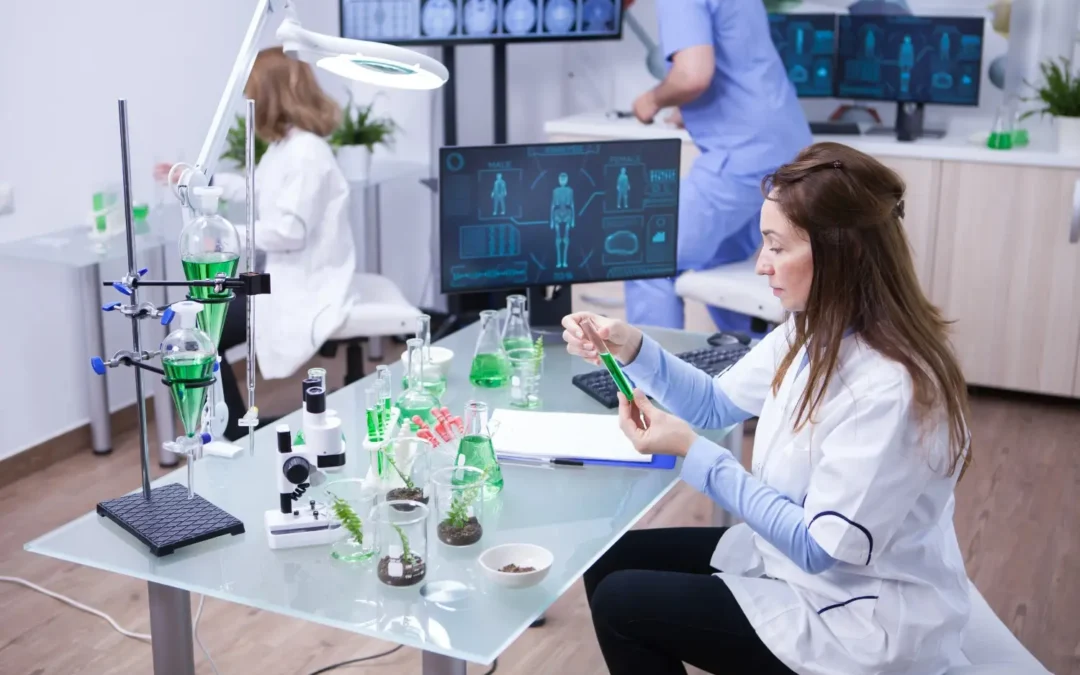
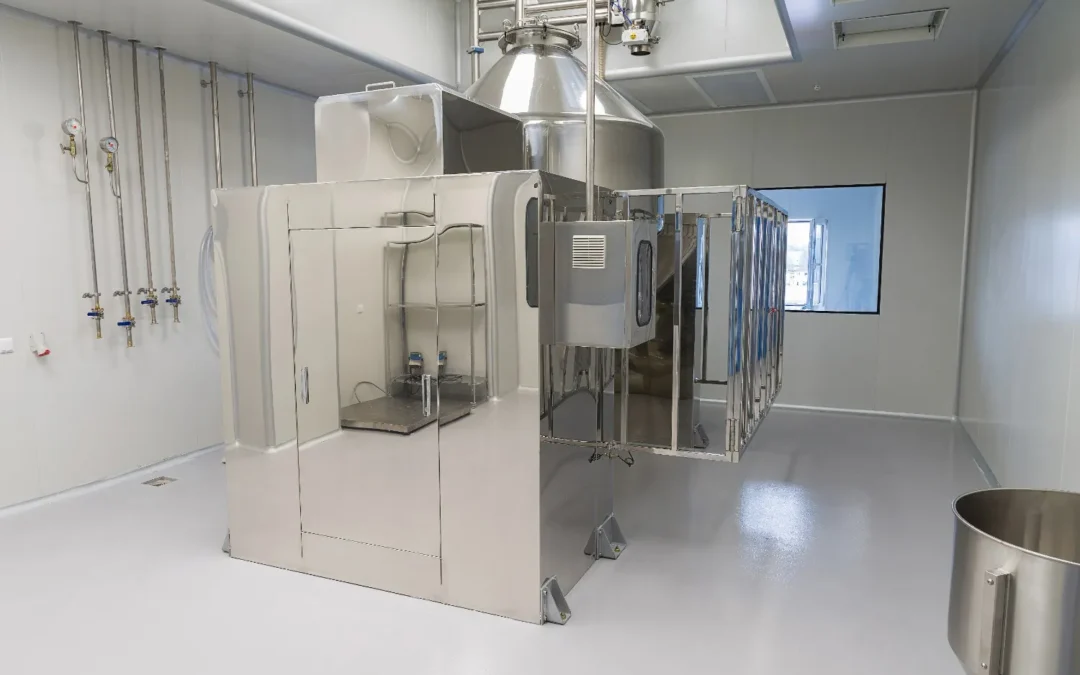
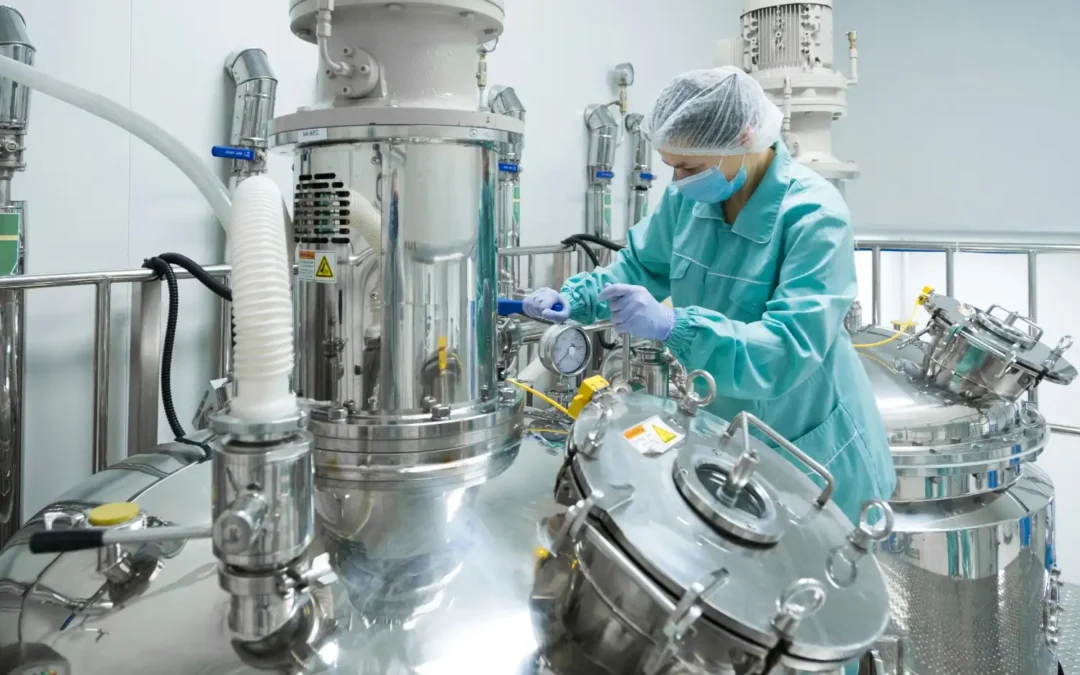
Maintaining precise atmospheric conditions is essential for consistent and potent drug production, as even minor moisture fluctuations can compromise entire batches.
Achieving GMP compliance requires careful planning and accurate humidity control systems that meet strict FDA standards. Proper environmental control is a regulatory necessity that protects product safety and stability.
Reliable humidity management preserves sensitive materials, reduces contamination risks, and prevents costly recalls or downtime. With advanced monitoring and well-designed systems, facilities can maintain stable conditions and ensure consistent product quality.
Key Takeaways
- Maintaining stable moisture levels is critical for drug stability and shelf life.
- Strict adherence to regulatory standards ensures high-quality output in cleanrooms.
- Proper air management prevents contamination and chemical degradation of products.
- Real-time monitoring allows for quick adjustments to prevent batch loss.
- Choosing reliable hardware reduces maintenance costs and operational risks.
- Robust planning helps facilities meet international safety and quality guidelines.
What Distinguishes GMP-Compliant Humidity System Design From Standard HVAC Design
Humidity system design under GMP guidelines diverges from standard HVAC practices, emphasizing regulatory compliance and precise control. While standard HVAC design focuses on comfort and general environmental conditions, GMP-compliant humidity system design is driven by the need to ensure product quality, safety, and regulatory adherence in pharmaceutical manufacturing environments.
GMP Design Requirements That Go Beyond Standard Environmental Control
GMP-compliant humidity systems operate with a higher level of precision and reliability than standard HVAC setups. These systems are engineered to protect product integrity, maintain compliance, and ensure uninterrupted operations.
The key design differences include:
- Precise humidity control: GMP systems maintain tight tolerances to prevent product degradation, unlike standard HVAC which focuses on general comfort levels.
- Redundancy and backup systems: GMP setups require fail-safe and backup systems for continuous operation, while standard HVAC systems typically do not include redundancy.
- Advanced filtration and purification: GMP systems use high-efficiency filtration for contamination control, whereas standard HVAC relies on basic filtration for comfort.
How Regulatory Expectations Shape Humidity System Specification and Documentation
Regulatory expectations significantly influence the specification and documentation of GMP-compliant humidity systems. Regulatory bodies such as the FDA and EU GMP authorities provide guidelines that shape the design, operation, and maintenance of these systems.
Key Regulatory Influences include:
- Specific guidelines for environmental control and monitoring.
- Requirements for documentation and record-keeping.
- Standards for system validation and qualification.
These regulatory expectations necessitate a comprehensive approach to humidity system design, ensuring that all aspects of the system meet GMP compliance standards.
GMP Regulatory Requirements as Design Inputs
GMP regulatory requirements serve as the foundation for designing effective humidity control systems. These requirements are critical in ensuring that pharmaceutical manufacturing environments maintain the necessary conditions for product quality and safety. The design of humidity systems must therefore be deeply rooted in a thorough understanding of these regulations.
EU GMP Annex 1, FDA Guidance, and ICH Q1 Design Specifications for Humidity Systems
Humidity system design in GMP environments is shaped by key regulatory frameworks that define how environmental conditions must be controlled to ensure product quality, stability, and compliance.
The key regulatory influences include:
- EU GMP Annex 1: Sets strict requirements for environmental control in sterile manufacturing, emphasizing humidity management to prevent contamination and protect product integrity.
- FDA guidance documents: Outline expectations for maintaining consistent and controlled humidity levels across pharmaceutical production environments, with a focus on system reliability and compliance.
- ICH Q1 guidelines: Define stability testing requirements, highlighting how humidity impacts drug substances and finished products, which drives the need for controlled humidity conditions in system design.
Environmental Classification Requirements and Their Effect on System Design Scope
Environmental classification is a critical factor in determining the design scope of humidity systems. Different manufacturing areas have different classification requirements based on the level of control needed for environmental parameters, including humidity.
The classification of environments into controlled, clean, or sterile areas dictates the level of precision required for humidity control. For instance, sterile manufacturing areas require more stringent humidity control compared to non-sterile production zones.
This classification directly affects the design scope by influencing the choice of equipment, redundancy, and the overall complexity of the humidity control system.
Core Components of a GMP-Compliant Humidity Control System
The core components of a GMP-compliant humidity control system are essential for ensuring the quality and integrity of pharmaceutical products. These systems are designed to maintain precise control over humidity levels, which is critical for various manufacturing processes and product storage.
HVAC Integration, Humidification Equipment, and Dehumidification Capacity
A GMP-compliant humidity control system must work as part of an integrated HVAC setup to maintain stable environmental conditions across all production areas. Equipment selection depends on process needs, required humidity ranges, and air volume within the facility.
The key components and their roles include:
- HVAC integration: Ensures coordinated control of temperature, airflow, and humidity for consistent environmental stability.
- Steam humidifiers: Add moisture to the air and are commonly used in general manufacturing areas where standard humidity control is required.
- Adiabatic humidifiers: Introduce moisture without adding heat, making them suitable for environments requiring precise temperature control.
- Cooling coil dehumidifiers: Remove moisture by cooling the air, typically used in areas with higher humidity levels.
- Desiccant dehumidifiers: Use moisture-absorbing materials to achieve very low humidity levels in highly sensitive production zones.
Redundancy, Backup Capacity, and Failover Design for Continuous GMP Operations
To ensure continuous operation and compliance with GMP regulations, humidity control systems must incorporate redundancy and backup capacity. This can be achieved through duplicate systems or components that can take over in case of a failure.
A failover design allows the system to automatically switch to a backup component or system in the event of a failure, minimizing downtime and ensuring that the environmental conditions remain within the specified ranges.
- Duplicate humidification and dehumidification equipment
- Redundant sensors and control systems
- Automatic failover mechanisms
Sensor Infrastructure, Data Logging, and Automated Setpoint Control
A robust sensor infrastructure is critical for accurate monitoring of humidity levels. These sensors must be calibrated regularly to ensure accuracy and reliability.
Data logging is essential for maintaining records of humidity levels over time, which is a requirement for GMP compliance. This data can also be used for trend analysis and troubleshooting.
Automated setpoint control allows for precise control over humidity levels, adjusting the system’s output to maintain the desired conditions. This is typically achieved through a Building Management System (BMS) or a dedicated environmental control system.
Humidity System Design Considerations by Pharmaceutical Manufacturing Area
Pharmaceutical manufacturing facilities require precise humidity control across various production areas, each with its unique set of challenges and regulatory requirements. The design of humidity systems must be tailored to meet these diverse needs, ensuring compliance with GMP standards and the quality of pharmaceutical products.
Sterile Manufacturing and Aseptic Processing Environments
Sterile manufacturing and aseptic processing environments demand the highest level of control over humidity to prevent contamination and ensure product sterility. Humidity levels must be tightly controlled to prevent microbial growth and maintain the integrity of the products being manufactured.
The design considerations for these areas include:
- High-efficiency particulate air (HEPA) filtration to minimize airborne contaminants
- Precise temperature and humidity control to maintain a stable environment
- Regular monitoring and maintenance to ensure the continued effectiveness of the humidity control system
Solid Dose, Coating, and Non-Sterile Production Zones
Humidity control in these production areas directly affects product stability, process efficiency, and overall manufacturing quality. Poor moisture control can lead to defects such as tablet sticking, coating inconsistencies, or product degradation.
The key requirements and design considerations include:
- Solid dose production: Requires maintaining relative humidity (RH) between 30% to 60% using desiccant or cooling-based dehumidification to prevent sticking and degradation.
- Coating processes: Demand precise humidity control to avoid coating defects and ensure uniform application and product quality.
- Non-sterile production areas: Require controlled RH levels to prevent product degradation, using a combination of humidification and dehumidification systems as needed.
Controlled Storage, Stability Rooms, and Warehousing
Controlled storage areas, stability rooms, and warehouses require humidity control to maintain product stability and shelf life. Stability rooms, in particular, need precise control over humidity to simulate various environmental conditions for product testing.
The design for these areas should consider:
- Maintaining consistent humidity levels to prevent product degradation
- Ensuring that storage conditions meet the requirements for the products being stored
- Implementing monitoring systems to track environmental conditions
Pressure-Controlled Spaces, Airlocks, and Environmental Boundaries
Pressure-controlled spaces and airlocks play a critical role in maintaining the integrity of pharmaceutical manufacturing environments. Humidity control is integral to these systems, as it affects not only product quality but also the prevention of contamination.
Design considerations include:
- Ensuring that airlocks are designed to prevent the ingress of unconditioned air
- Maintaining differential pressures between areas to control airflow
- Implementing humidity control measures that are compatible with the overall HVAC system design
Pharmaceutical facilities rarely operate under a single set of humidity requirements. Sterile areas, production zones, storage spaces, and airlocks each demand different environmental conditions, often within the same facility. Designing systems that can maintain consistency across these zones without creating imbalances is a key challenge.
Humidification solutions such as Smart Fog are designed to support this level of flexibility by delivering controlled, uniform humidity output when properly implemented. This allows facilities to maintain stable conditions across diverse manufacturing areas while aligning with GMP requirements.
Designing for Qualification: IQ, OQ, and PQ Readiness
To achieve GMP compliance, humidity systems must be designed with qualification readiness as a top priority. This involves ensuring that the system can be easily qualified through Installation Qualification (IQ), Operational Qualification (OQ), and Performance Qualification (PQ).
Designing a Humidity System for Qualification
A humidity system designed with qualification in mind incorporates several key features. These include clear documentation, accessible design records, and a robust testing framework. By incorporating these elements, the system can be qualified efficiently, reducing the risk of costly rework or compliance issues.
The following are essential considerations for designing a humidity system that can be qualified from the start:
- Modular design to facilitate easier qualification and validation
- Clear and concise documentation of design intent and specifications
- Accessibility of critical system components for testing and maintenance
Documentation Standards for Validation
Documentation is a critical aspect of GMP compliance, and humidity system design is no exception. The design records should be comprehensive, including details on system design, testing, and validation.
To ensure compliance, the following documentation standards should be adhered to:
- Design specifications and drawings
- Material certifications and supplier documentation
- Test protocols and results
Continuous Monitoring and Alert Limit Configuration
Continuous monitoring is essential for ensuring that the humidity system operates within specified limits. This involves configuring alert limits and ensuring that the system can detect deviations from the setpoints.
Key considerations for continuous monitoring include:
- Sensor accuracy and calibration
- Data logging and trending
- Alert limit configuration and notification protocols
By designing humidity systems with qualification readiness, documentation standards, and continuous monitoring in mind, manufacturers can ensure GMP compliance and maintain product quality.
Change Control and System Modification Under GMP
Change control ensures that any modifications to humidity systems are assessed, documented, and validated to maintain GMP compliance. It helps prevent unintended deviations in environmental conditions that could impact product quality and regulatory standards.
When Humidity System Changes Trigger Requalification Requirements
Requalification of a humidity system is necessary when changes are made that could impact its performance or the controlled environment it maintains. This includes modifications to critical components, control algorithms, or system configurations that directly affect humidity levels or system reliability.
- Changes to humidification or dehumidification equipment
- Alterations in system control logic or setpoints
- Modifications to sensor calibration or validation procedures
Any change that potentially affects the system’s ability to maintain the specified humidity range triggers the need for requalification. This ensures that the system continues to operate within the required parameters and maintains GMP compliance.
Managing Design Modifications Without Compromising Compliance Status
Managing design modifications effectively requires a structured change control process. This involves assessing the impact of proposed changes, obtaining necessary approvals, and documenting all modifications.
A robust change control process includes:
- Impact assessment to determine the effect on GMP compliance
- Review and approval by relevant stakeholders and regulatory compliance teams
- Documentation of changes, including before-and-after comparisons
- Requalification or validation as necessary based on the change
By following this structured process, pharmaceutical manufacturers can ensure that modifications to humidity control systems do not compromise their GMP compliance status. Effective change control is key to maintaining a compliant and efficient manufacturing environment.
Energy Efficiency and Operational Cost as GMP Humidity System Design Tradeoffs
Designing GMP-compliant humidity systems requires balancing precise environmental control with energy efficiency and operational costs. While tight humidity regulation is essential for product quality, it often increases energy consumption, making system optimization critical for long-term performance and cost control.
Balancing Precision Control Requirements With Energy Consumption Targets
To balance these competing demands, designers can employ several strategies:
- Implementing advanced control algorithms that optimize humidification and dehumidification processes.
- Utilizing energy-efficient humidification technologies, such as adiabatic humidification systems.
- Optimizing system design to minimize energy losses and reduce the load on HVAC systems.
For instance, a study comparing different humidification technologies found that adiabatic systems can offer significant energy savings compared to traditional steam-based systems.
Maintenance Access, Component Lifecycle, and Long-Term Operational Cost Planning
Long-term operational efficiency depends on system design that supports easy maintenance, reliable components, and proactive lifecycle management. Poor accessibility or short component lifespans can increase downtime and overall costs.
The key considerations include:
- Maintenance access: Systems should be designed with easily accessible components to support routine inspection, servicing, and reduced downtime.
- Component lifecycle planning: Selecting durable components with proven reliability helps extend system lifespan and lower replacement frequency.
- Predictive maintenance: Using monitoring and data-driven strategies helps identify issues early and prevent unexpected failures.
- Humidifier elements: Typically last 2–5 years and require regular inspection and replacement to prevent scaling and corrosion.
- Control valves: Usually last 5–10 years and need periodic calibration to maintain precise humidity control.
- Sensors: Have a lifecycle of 5–7 years and require regular calibration and validation to ensure accuracy.
Balancing maintenance planning with system design helps reduce long-term costs while maintaining GMP compliance and operational stability.
Final Thoughts on Designing GMP-Compliant Humidity Systems
Designing humidity systems for pharmaceutical environments is a process of aligning engineering decisions with strict operational and regulatory demands. Each space, process, and material introduces different requirements, making system design a critical factor in overall facility performance.
Rather than relying on standard configurations, effective designs account for variability across zones, integration with HVAC systems, and the need for long-term stability under changing conditions. This requires a coordinated approach that prioritizes control, adaptability, and system reliability.
Within these environments, humidification plays a targeted role in maintaining required conditions. Solutions such as Smart Fog are designed to integrate into broader system architectures by delivering controlled humidity through fine droplets that evaporate into the air when properly implemented, supporting stable conditions across diverse manufacturing areas.
FAQ
Why is precise humidity control critical in a GMP cleanroom environment?
Precise humidity control prevents microbial growth, protects moisture-sensitive products, and ensures compliance with strict GMP environmental limits.
How does a GMP-compliant design differ from standard HVAC system design?
GMP design focuses on contamination control, validation, and regulatory compliance, unlike standard HVAC which prioritizes comfort.
Which regulatory standards govern humidity requirements in pharmaceutical manufacturing?
Humidity requirements are governed by EU GMP Annex 1, FDA guidance, and ICH Q1 standards for controlled environments.
What are the essential components of a GMP-compliant climate chamber or humidity control system?
Key components include integrated HVAC, humidifiers, dehumidifiers, precision sensors, automated controls, and data logging systems.
How does environmental classification, such as ISO 5 or ISO 8, affect humidity system scope?
Higher classifications like ISO 5 require stricter humidity and contamination control compared to less critical ISO 8 areas.