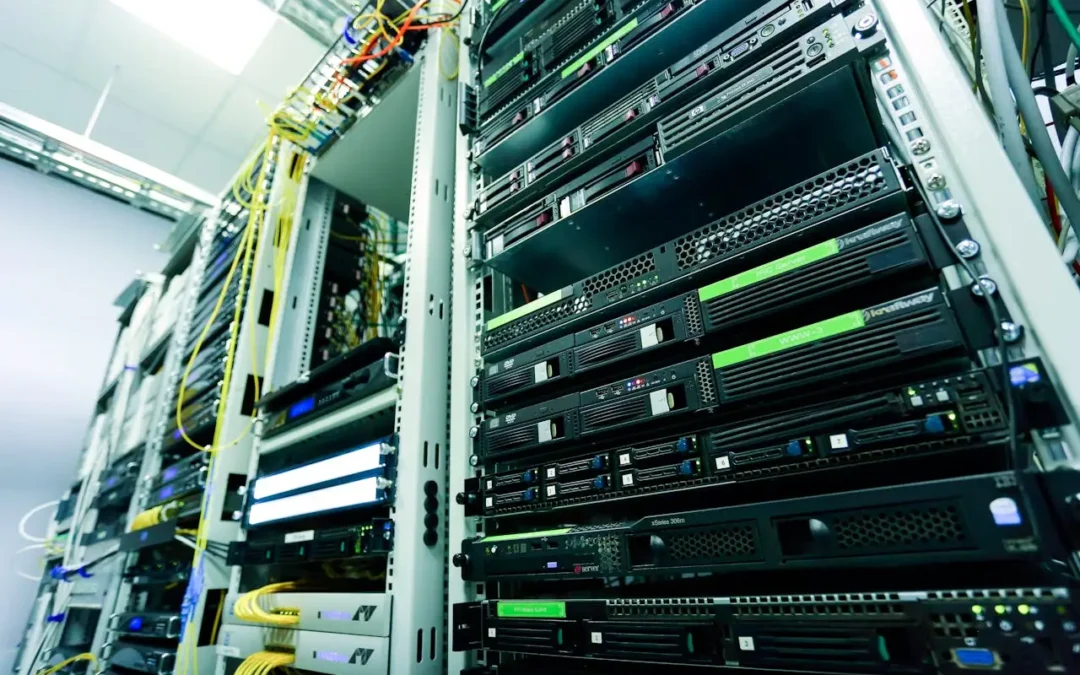
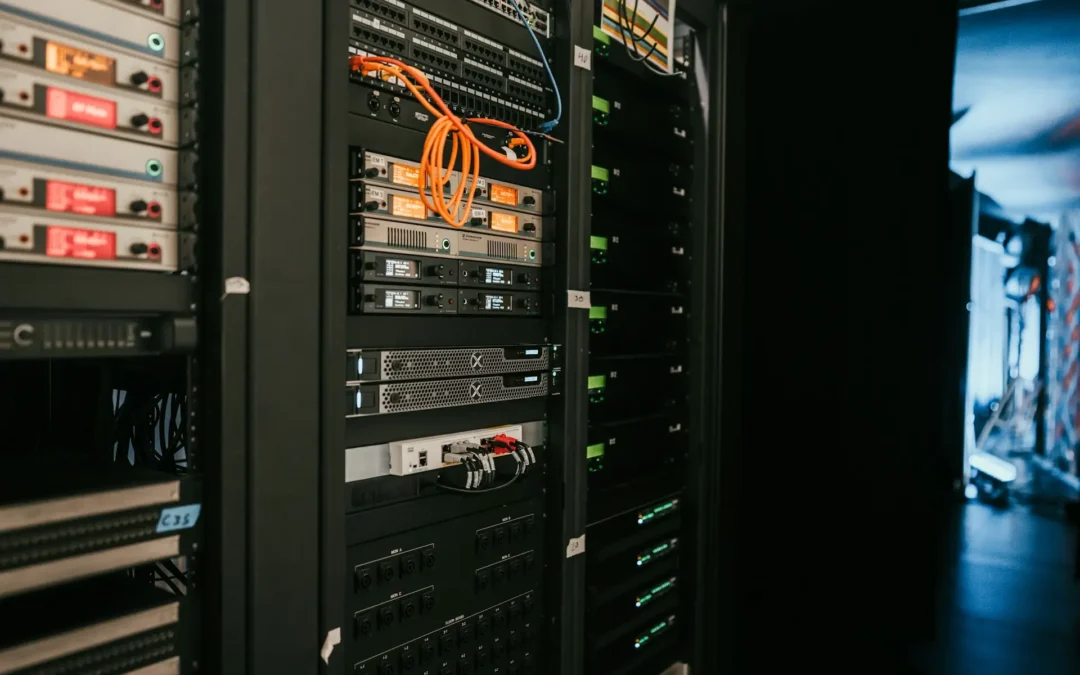
Maintaining the right humidity level is crucial for the smooth operation of a data center. Incorrect relative humidity can lead to equipment malfunction or even failure. A well-designed cooling system plays a significant role in controlling the environment within the data center.
Humidification is a critical aspect of this environmental control, as it prevents static electricity damage and ensures the reliability of data center operations. Understanding the importance of humidification and its role in maintaining optimal conditions is essential for data center managers.
Key Takeaways
- Maintaining optimal humidity levels is crucial for data center operations.
- A well-designed cooling system is essential for environmental control.
- Humidification prevents static electricity damage and ensures equipment reliability.
- Understanding humidification’s role is vital for data center managers.
- Relative humidity affects equipment performance and longevity.
Why Dedicated Humidification Is a Core Data Center Requirement (Not Optional)
Humidity control is a foundational requirement for data center operation, not an optional enhancement. Cooling systems manage heat, but they do not provide the precision needed to maintain stable humidity across changing loads and seasonal conditions.
How Humidity Protects Servers, Switches, and Power Systems
Servers, switches, and power systems are highly sensitive to environmental instability. When humidity falls too low, static charge can accumulate on circuit boards, connectors, and power components, increasing the risk of latent damage and intermittent failures. These issues often go unnoticed until hardware reliability begins to degrade.
Excess humidity introduces a different set of risks. Moisture in the air can condense on cooler surfaces, accelerating corrosion and increasing the chance of electrical faults. Maintaining proper humidity reduces stress on critical components and helps preserve the integrity of data center equipment over extended operating periods.
Risks of Relying on Cooling Systems Alone
Relying only on cooling systems without dedicated humidity control can create environmental instability and equipment risks. Key risks include:
- Humidity fluctuations: Cooling alone cannot maintain a stable humidity range.
- Increased ESD risk: Low humidity from overcooling raises static buildup.
- Condensation events: Temperature swings can trigger moisture formation.
- Uneven environmental conditions: Different zones experience inconsistent humidity levels.
- Hidden equipment stress: Fluctuating moisture levels accelerate component wear.
- Poor airflow-humidity balance: Cooling changes can unintentionally dry or over-humidify air.
- Reduced environmental control precision: Temperature is managed, but moisture remains uncontrolled.
What Humidity Your Data Center Actually Needs
Data center equipment operates most reliably when humidity is kept within a defined range and held there consistently. Relative humidity directly affects both electrostatic risk and moisture-related failure modes, making it a critical environmental variable alongside temperature.
The objective is not aggressive correction, but stability. Gradual, controlled adjustment supports a predictable environment that protects equipment and minimizes operational disruption.
Recommended Relative Humidity Ranges (High-Level)
Industry guidance generally places optimal relative humidity levels between 40% and 60%. Operating within this range helps limit static electricity at the low end while reducing condensation risk at the high end.
Staying within recommended limits supports uptime, protects sensitive electronics, and reduces long-term maintenance exposure across the data center.
Acceptable Limits vs. Precision Control (Why It Matters for Uptime)
Acceptable limits define where equipment can operate safely, but ideal humidity levels are what keep that operation steady over time. Even if conditions stay within the broader acceptable range, noticeable swings can move away from ideal humidity levels and quietly introduce environmental stress that shortens component lifespan and increases failure rates.
Precision control is about keeping conditions steady instead of constantly reacting to highs and lows. When humidity stays close to ideal levels, performance remains predictable, interventions are less frequent, and uptime is easier to maintain in high-density, always-on environments.
Smart Fog uses compressed air and water to produce self-evaporating droplets that integrate into the airstream under proper system design. This supports uniform humidity control without surface wetting while maintaining stable, steady-state conditions in high-density data centers.
Main Types of Data Center Humidification Systems
Data centers use different humidification approaches, but the practical differences come down to how consistently humidity is maintained under real operating conditions.
Steam Humidification Systems (Heated Water Approach)
Steam-based approaches have traditionally been used to raise humidity in controlled environments. From an operational perspective, this category introduces additional thermal interaction that must be balanced carefully with data center cooling.
Performance depends on how well humidity remains stable without increasing energy demand or creating uneven conditions across the facility.
Ultrasonic Humidification Systems
Ultrasonic-based approaches are often selected for their lower direct energy input. In practice, consistency and long-term reliability depend heavily on environmental discipline and how evenly humidity is distributed.
Operational stability becomes the deciding factor, especially in spaces with changing airflow and load patterns.
Adiabatic / Evaporative (Dry Fog) Systems
Adiabatic dry fog approaches are designed to deliver humidity without adding thermal load and, when properly engineered, without wetting surfaces. This characteristic makes them suitable for environments where moisture behavior must be tightly controlled.
Uniform droplet distribution and controlled evaporation are essential for maintaining consistent humidity across different areas of the data center. When properly integrated with airflow design, these systems support stable environmental conditions while minimizing unintended surface moisture.
How to Compare Humidification Technologies (What Buyers Should Weigh)
The goal in any comparison of humidity control methods is not simply identifying a system type, but evaluating how reliably humidity is maintained over time.
Accuracy, Response Time, and Control Precision
Effective data center humidification maintains relative humidity within a narrow operating range without overshoot or delay. Gradual response and precise control reduce environmental stress on data center equipment.
Key considerations include:
- Ability to hold steady relative humidity levels.
- Predictable response to load and airflow changes.
- Minimal fluctuation during continuous operation.
Energy Efficiency and Water Consumption
Energy and water impact are tied closely to how often a system must correct itself. Stable humidity control limits unnecessary energy use and avoids repeated adjustments.
- Frequent correction increases energy use and cooling load.
- Overshoot and rebound contribute to increased energy waste.
- Stable control supports predictable, efficient operation.
This approach keeps the focus on outcomes that protect equipment, support uptime, and align with long-term operational goals.
Integration With Data Center HVAC and Cooling Systems
Humidity control does not operate in isolation. Its effectiveness depends on how well it works alongside data center HVAC and cooling systems. When these systems are aligned, temperature and humidity remain stable across the facility, reducing stress on equipment and avoiding unnecessary corrective cycles.
Poor integration, on the other hand, often leads to condensation risk, static buildup, and uneven environmental conditions that are difficult to correct once the data center is fully loaded.
Compatibility With CRAC, CRAH, and Air Handling Units
Humidification must align with the cooling architecture already in place. CRAC units, CRAH units, and air handling systems each influence airflow, temperature distribution, and pressure differently, which directly affects how humidity behaves in space.
Compatibility ensures that humidity control responds predictably to cooling output rather than working against it. Key considerations include airflow paths, return air behavior, and how temperature setpoints are managed across zones.
- CRAC units support precise temperature and humidity coordination at the room level.
- CRAH units influence humidity behavior through large-scale air handling and chilled water cooling.
- Air handling units shape airflow patterns that determine humidity distribution.
Impact on Airflow, Temperature, and Environmental Stability
Humidity interacts continuously with airflow and temperature. If humidified air is not distributed evenly, localized wet or dry zones can form, increasing risk to nearby equipment.
Well-integrated systems maintain balance across the data center by supporting even airflow, controlled temperature gradients, and predictable humidity behavior. This stability reduces the likelihood of condensation, static electricity, and environmental swings during load changes.
- Airflow management supports uniform humidity distribution.
- Temperature control prevents moisture-related condensation.
- Environmental stability reduces equipment stress and downtime risk.
Monitoring, Controls, and Automation Capabilities
Maintaining stable humidity requires more than fixed setpoints. Continuous feedback and automated adjustment are essential for responding to changing loads, airflow shifts, and external conditions without introducing instability.
Modern data centers rely on coordinated monitoring and control to keep humidity within safe operating ranges at all times.
Role of Sensors and Control Systems
Humidity sensors and control systems form the foundation of effective environmental management. Sensors provide real-time visibility into conditions across the facility, while control systems translate that data into measured adjustments that keep humidity stable and help prevent static buildup.
Proper humidity control prevents ESD by limiting the conditions that allow electrostatic charge to accumulate on sensitive components.
Accurate sensing reduces overcorrection and allows gradual response, which is critical for avoiding sudden humidity swings that stress equipment.
- Continuous humidity measurement across key zones.
- Control systems that adjust output incrementally.
- Integration with broader data center monitoring platforms.
Maintaining Stable Humidity Under Variable Loads
As IT load changes, heat output and airflow patterns shift, affecting humidity behavior throughout the space. Stable systems are designed to adapt smoothly rather than react aggressively.
Automation plays a key role here. It ensures adjustments happen consistently and quickly enough to maintain balance, without introducing oscillation or manual intervention.
- Sensors detect environmental changes as they occur.
- Controls adjust humidity output in response.
- Automation maintains consistency during load transitions.
When monitoring, controls, and automation work together, data centers achieve predictable humidity control that supports uptime, equipment longevity, and operational confidence.
Reliability, Redundancy, and Maintenance Considerations
Humidity control affects data center reliability every hour the facility is operating. Systems that behave predictably protect equipment, while unstable or difficult-to-maintain setups introduce risk that compounds over time.
Reliability is less about a single component and more about how consistently humidity is maintained during failures, maintenance windows, and load shifts.
System Redundancy and Failure Risk Mitigation
Redundancy exists to prevent environmental drift when a component fails or is taken offline. In humidity control, redundancy helps ensure that relative humidity remains stable even during partial outages or servicing.
Effective redundancy minimizes sudden swings that could expose equipment to static electricity or moisture-related stress. The goal is continuity, not overcorrection.
- No redundancy results in immediate humidity drift and carries a high risk of instability.
- An N+1 configuration provides controlled continuity and supports balanced reliability.
- Fully redundant paths enable seamless operation and deliver maximum uptime protection.
Regular testing is essential. Redundant capacity that is not exercised often fails when needed most.
Maintenance Requirements and Operational Complexity
Maintenance effort directly influences long-term reliability. Systems that require frequent intervention increase the likelihood of human error, delayed response, or incomplete servicing.
Simpler operational profiles reduce maintenance burden and allow teams to focus on monitoring and optimization rather than constant upkeep. Predictable maintenance cycles also support better planning and lower downtime risk.
- Frequent manual intervention increases failure risk.
- Inconsistent servicing contributes to environmental drift.
- Predictable maintenance cycles support stable long-term performance.
- Lower complexity improves operational confidence.
Smart Fog systems are engineered for continuous operation with minimal routine intervention. The nozzle design does not require constant cleaning, helping maintain stable humidity control with predictable maintenance cycles.
Energy, Cost, and Sustainability Factors
Energy use and sustainability are closely tied to how often humidity must be corrected. Systems that maintain stable conditions naturally consume less energy over time than those that rely on repeated adjustment.
Humidity control that integrates smoothly with cooling and airflow reduces waste and supports long-term efficiency goals.
Operating Costs and Total Cost of Ownership
Total cost of ownership includes more than initial installation. Energy consumption, water use, maintenance labor, and downtime risk all contribute to long-term cost.
Stable humidity control lowers operating costs by reducing energy waste, minimizing corrective cycles, and extending the lifespan of data center equipment.
- Frequent correction cycles drive higher energy spend.
- Environmental instability increases maintenance cost.
- Stable humidity control enables predictable operating costs.
- Reduced downtime risk lowers indirect losses.
Evaluating total cost means looking at performance over years, not just upfront investment.
Water Quality, Efficiency, and Environmental Impact
Water efficiency and environmental impact depend on how effectively moisture is used rather than how much is consumed. Poorly controlled systems waste water through overcorrection and rebalancing.
Data centers increasingly prioritize approaches that support sustainability without compromising reliability. Efficient use of water and energy contributes to environmental goals while maintaining consistent uptime.
Sustainable humidity control supports:
- Reduced energy and water waste.
- Lower environmental impact over time.
- Long-term operational resilience.
Focusing on reliability, efficiency, and sustainability together allows data centers to meet performance demands while operating responsibly at scale.
How to Choose the Right Humidification System for Your Data Center
Choosing a humidification system is an operational decision that directly affects uptime, compliance, and long-term environmental stability. The right choice keeps humidity within the optimal range without frequent intervention or unexpected drift.
Key Factors: Size, Climate, Tier Level, and Risk Tolerance
Several operational factors influence how humidity control systems should be designed and managed in data centers. Key considerations include:
- Data center size: Larger facilities need uniform humidity delivery across multiple zones to avoid localized imbalances.
- Regional climate: Dry climates increase static risk, while humid climates raise concerns around condensation and corrosion.
- Tier level requirements: Higher-tier facilities demand tighter humidity stability during maintenance or system disruptions.
- Risk tolerance: Low downtime tolerance requires precise, predictable humidity control under changing load and airflow conditions.
Aligning Humidification Choice With Uptime and Compliance Goals
Humidity control must support uptime targets without adding operational complexity. Systems should hold stable conditions automatically rather than relying on frequent manual adjustment.
Compatibility with existing cooling, airflow, and monitoring infrastructure is essential. Energy efficiency and water use should support sustainability goals without compromising environmental consistency.
Key alignment checks include:
- Stable humidity during load and airflow changes.
- Predictable behavior during maintenance windows.
- Support for compliance and audit requirements.
Long-Term Benefits of Choosing the Right System
The value of a well-chosen humidification system shows up over time through stability, reduced risk, and smoother operations. When humidity control behaves predictably, it becomes an asset rather than a variable to manage.
Reducing ESD Risk and Prolonging Equipment Lifespan
Maintaining stable humidity limits electrostatic discharge exposure inside server rooms. Lower ESD risk protects circuit boards, connectors, and power components from gradual degradation that often goes unnoticed until failure occurs.
Consistent environmental conditions reduce stress on hardware, helping equipment operate within safe limits for longer periods. This directly supports longer refresh cycles and fewer unplanned hardware replacements.
Enhancing Reliability and Uptime
Humidity systems that remain stable during load changes, maintenance activity, and airflow shifts help preserve uptime. Environmental consistency reduces false alarms, prevents cascading failures, and keeps operating conditions within compliance thresholds.
Reliable humidity control also simplifies day-to-day operations. Teams spend less time reacting to environmental drift and more time focusing on performance, capacity planning, and growth.
Why Data Centers Choose Smart Fog for Precision Humidity Control
Humidity control in modern data centers is not optional. It must be precise, stable, and engineered for continuous operation.
Smart Fog systems are designed to meet those requirements through non-wetting, precision humidification that integrates directly with data center cooling and airflow design. Under proper system engineering, moisture evaporates into the airstream before contacting surfaces, supporting uniform relative humidity without adding thermal load or maintenance burden.
For data center operators evaluating humidification systems, Smart Fog delivers:
- Stable humidity control under fluctuating loads
- Surface-safe moisture delivery under proper system design
- Minimal routine nozzle maintenance
- Scalable integration across high-density environments
If your facility is reviewing humidification options, speaking with a Smart Fog specialist can help determine the right configuration based on airflow layout, density profile, and performance targets.
FAQ
What is the ideal relative humidity range for a data center?
The recommended relative humidity range for data centers is between 40% and 60%. This range helps prevent equipment damage from both low and high humidity levels.
Why is humidification necessary in data centers?
Humidification is necessary to prevent static electricity and ensure the reliable operation of equipment. Low humidity can lead to electrostatic discharge (ESD), which can damage sensitive components.
Can cooling systems alone manage humidity in data centers?
No, cooling systems alone are not sufficient for managing humidity. Dedicated humidification systems are required to maintain optimal humidity levels, as relying solely on cooling systems can lead to humidity fluctuations.
What are the main types of humidification systems used in data centers?
The main types of humidification systems used in data centers are steam humidification systems, ultrasonic humidification systems, and adiabatic/evaporative (dry fog) systems.
How do I choose the right humidification system for my data center?
To choose the right humidification system, consider factors such as data center size, climate, tier level, and risk tolerance. Aligning the humidification choice with uptime and compliance goals is also crucial.
What are the benefits of integrating humidification systems with HVAC and cooling systems?
Integrating humidification systems with HVAC and cooling systems ensures compatibility and maintains environmental stability. This integration also helps optimize airflow, temperature, and humidity levels.
How can I maintain stable humidity levels under variable loads?
Maintaining stable humidity levels requires advanced monitoring, controls, and automation capabilities. Sensors and control systems play a crucial role in managing humidity under varying conditions.
What are the key factors to consider when evaluating humidification technologies?
Key factors to consider include accuracy, response time, control precision, energy efficiency, and water consumption. Evaluating these factors helps buyers make informed decisions.
How do humidification systems impact energy efficiency and operating costs?
Humidification systems can significantly impact energy efficiency and operating costs. Some systems, like adiabatic humidification, are more energy-efficient than others, and their operating costs can vary accordingly.
What are the long-term benefits of choosing the right humidification system?
The long-term benefits include reduced ESD risk, extended equipment lifespan, improved reliability, uptime, and operational confidence. Choosing the right system can lead to significant cost savings and improved data center performance.