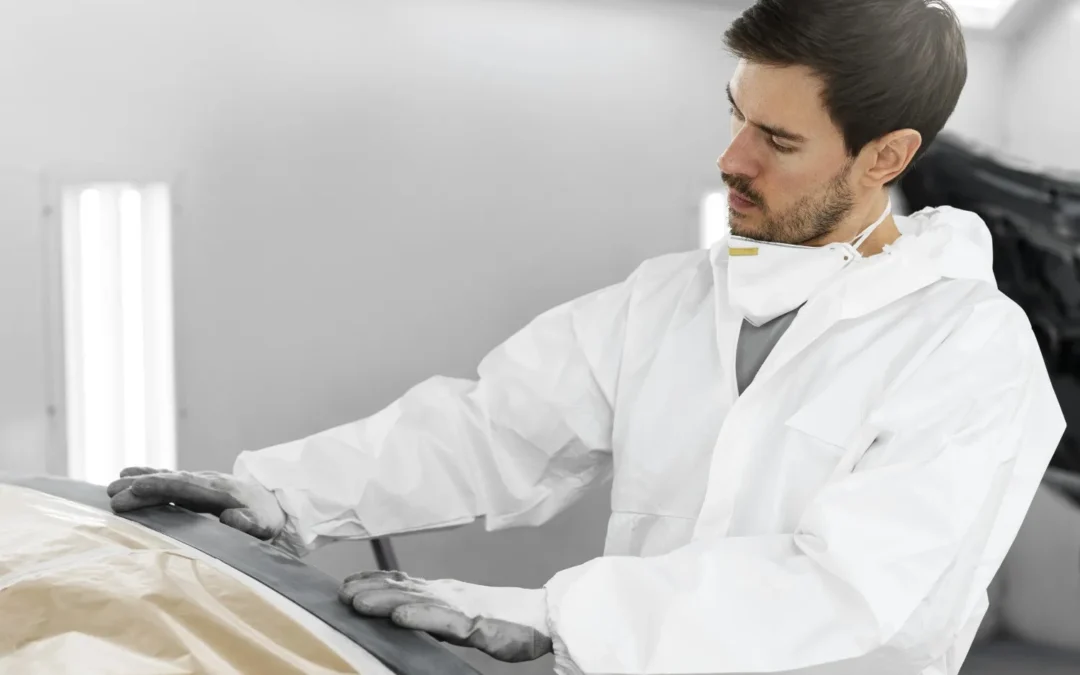
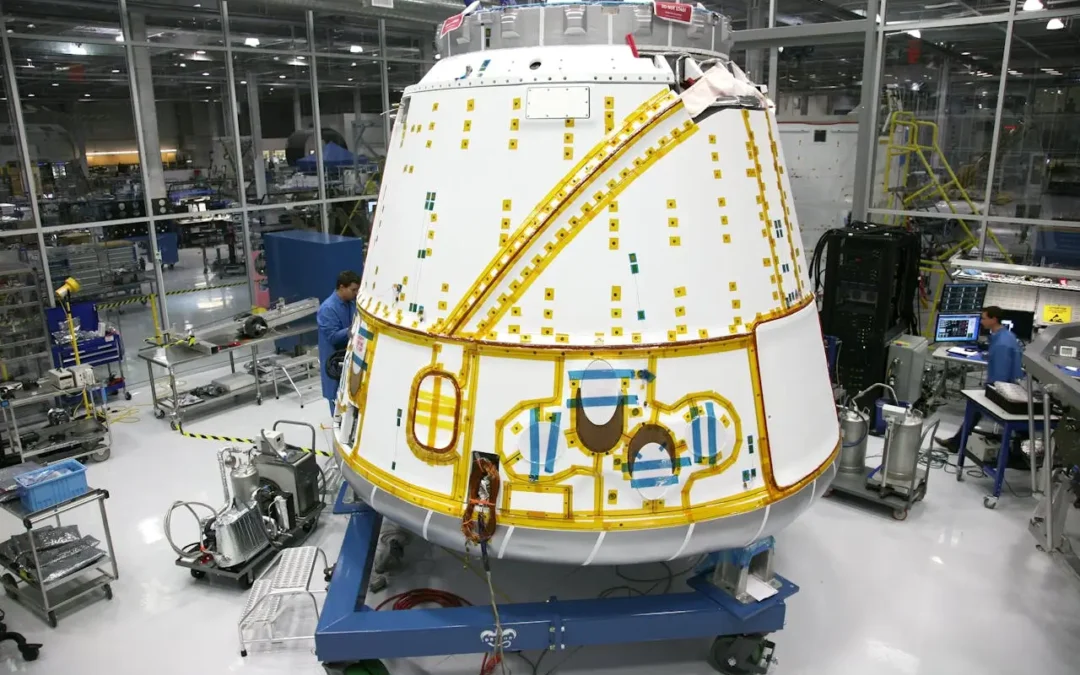
Aerospace manufacturing demands stable environmental conditions to protect sensitive components and ensure long-term part integrity. Even minor humidity fluctuations can increase static risk, affect composite materials, and compromise precision assemblies.
Selecting the right humidity control system requires evaluating facility size, climate conditions, and process sensitivity. A precision approach to environmental control supports consistent production quality and regulatory compliance.
Key Takeaways
- Precision humidity control helps prevent material degradation and dimensional instability.
- Stable relative humidity reduces electrostatic discharge risk in sensitive assembly areas.
- Non-wetting systems support cleanroom integrity without creating condensation.
- Proper environmental regulation extends the lifespan of tooling and manufacturing equipment.
- Automated monitoring improves facility efficiency and reduces manual intervention.
Role of Dedicated Humidity Control in Aerospace Manufacturing Environments
Environmental and humidity control are foundational requirements in aerospace production, where tolerances are tight and reliability standards are uncompromising. Dedicated humidity control ensures that relative humidity remains within process-specific ranges to protect materials, electronics, and assemblies.
Maintaining Environmental Stability for Precision Production
Humidity fluctuations can introduce variability into manufacturing processes that demand extreme precision. Dry air increases electrostatic discharge risk, while unstable moisture levels can affect curing times, bonding performance, and dimensional accuracy.
Maintaining consistent relative humidity across production zones supports predictable process outcomes and reduces the likelihood of rework, scrap, or performance-related defects. Stable environmental conditions directly contribute to product reliability and regulatory compliance.
Supporting Dimensional and Material Consistency
Many aerospace materials, including composites, carbon fiber components, and precision-machined alloys, respond to changes in environmental moisture. Shifts in relative humidity can cause expansion, contraction, brittleness, or excess moisture absorption that affects structural performance.
Controlled humidity conditions help preserve dimensional stability and material properties throughout fabrication and assembly. This consistency is essential for meeting strict aerospace tolerances and ensuring that components perform reliably under operational stress.
Humidity Control Technologies Used in Aerospace Manufacturing
Selecting a humidity control technology requires understanding how each system performs under production demands. The right solution must deliver uniform humidity distribution, energy efficiency, and compatibility with cleanroom or controlled assembly environments.
Adiabatic and Steam Humidity Control Systems
Adiabatic humidification introduces water into the air stream for evaporation without requiring boiling, making it often more energy efficient than steam-based systems for large manufacturing spaces. This approach can support stable humidity levels when properly engineered for uniform distribution.
Steam systems generate vapor through heated water, offering fast response times and high humidity output when needed. However, they typically require higher energy input and must be carefully managed to avoid introducing excess heat into precision production environments.
Performance Characteristics of Each Technology
Adiabatic and steam humidification systems differ in how they deliver humidity, manage energy consumption, and maintain stability under varying production loads.
Adiabatic Humidification Systems
- Typically more energy efficient than steam systems in large manufacturing spaces
- Introduce minimal additional heat into production environments
- Support uniform humidity distribution when properly engineered
- Well suited for maintaining stable humidity across large facility footprints
Steam Humidification Systems
- Provide rapid response and high humidity output when needed
- Suitable for applications requiring fast environmental adjustments
- Generate additional heat during vapor production, increasing HVAC load
- May require careful environmental balancing in precision manufacturing environments
Manufacturers should evaluate both technologies based on humidity accuracy, response time, distribution uniformity, energy consumption, HVAC integration, and long-term reliability. A precision humidification system that delivers stable, non-wetting humidity control supports aerospace manufacturing standards while reducing operational risk.
Smart Fog systems produce self-evaporating droplets that integrate with facility airflow to deliver stable, non-wetting humidity control across large aerospace production zones. By avoiding steam generation, this adiabatic approach can support energy-efficient humidity management while maintaining precise environmental conditions.
Comparing Humidity Control Systems for Aerospace Applications
In aerospace manufacturing, humidity control systems must maintain stable environmental conditions under demanding production requirements. Different technologies vary in how accurately they control humidity, how quickly they respond to environmental changes, and how well they integrate with precision manufacturing environments.
Accuracy, Response Time, and Control Precision
Performance differences between humidification technologies influence how well they support precision aerospace production.
Adiabatic humidification systems
- Maintain humidity through evaporation rather than boiling water.
- Introduce minimal additional heat into production environments.
- Support stable humidity control across large facility areas when properly engineered.
Steam humidification systems
- Generate humidity rapidly through heated water.
- Provide fast response times for sudden environmental changes.
- Introduce additional heat that may increase HVAC load in precision manufacturing environments.
Systems that maintain stable humidity within tight tolerances support consistent composite curing, dimensional accuracy, and electronics reliability.
Suitability for Cleanrooms and Assembly Areas
Cleanrooms and controlled assembly areas introduce additional environmental requirements.
Adiabatic systems
- Can support large-area humidity distribution when integrated with facility airflow.
- Must be engineered carefully to ensure non-wetting performance in sensitive environments.
Steam systems
- Produce sterile vapor that may be suitable for certain controlled environments.
- Require careful heat management to avoid disrupting temperature-sensitive processes.
Regardless of technology, aerospace facilities must evaluate systems based on cleanroom compatibility, humidity stability, and long-term reliability.
Evaluating System Requirements for Aerospace Facilities
The effectiveness of humidity control in aerospace manufacturing depends on carefully evaluating facility-specific requirements. Aerospace facilities vary widely in terms of size, layout, and operational demands, making a one-size-fits-all approach to humidity control ineffective.
Facility Size, Climate Conditions, and Production Load
Facility size determines distribution strategy, as larger production footprints require systems capable of maintaining uniform humidity across multiple zones. Uneven distribution can create dry pockets where static buildup persists.
Local climate conditions influence system capacity requirements, particularly in regions with extreme seasonal variation. Production load also affects environmental demand, as high-throughput operations generate heat and airflow changes that require responsive humidity stabilization.
Environmental Variability Across Manufacturing Zones
Aerospace facilities often contain diverse zones such as cleanrooms, electronics assembly areas, composite fabrication spaces, and general machining floors. Each zone may require different humidity tolerances based on process sensitivity and the need for managing static risk in sensitive environments.
Effective system design includes:
- Assessing the environmental sensitivity of each manufacturing zone.
- Implementing zone-specific humidity targets where required.
- Ensuring compatibility with existing HVAC and airflow systems.
By tailoring humidity control to these operational variables, aerospace manufacturers can maintain stable environmental conditions that protect materials, reduce static risk, and support consistent production quality.
Integration With HVAC and Environmental Infrastructure
Integrating humidity control systems with HVAC infrastructure is a critical step in maintaining optimal environmental conditions in aerospace manufacturing. This integration ensures that the manufacturing environment remains stable and consistent, which is crucial for the production of high-precision aerospace components.
Compatibility With Airflow and Cleanroom Design
Humidity must be introduced into the air stream in a way that supports even distribution across production zones. Systems that create localized concentration or surface moisture can compromise cleanroom classification and assembly integrity.
Key compatibility considerations include:
- Alignment with facility airflow rates and distribution patterns.
- Compliance with cleanroom classification standards.
- Strategic placement based on facility layout and production flow.
A non-wetting precision humidification system from Smart Fog uses self-evaporating droplets and integrates into airflow paths, allowing humidity to disperse uniformly without wetting ducts, ceilings, or sensitive equipment.
Retrofit vs New Installation Considerations
Integration requirements differ between retrofit and new construction projects. Existing HVAC capacity, airflow balance, and mechanical infrastructure must be evaluated before system selection.
Important evaluation factors include:
- Age and condition of the current HVAC system.
- Available airflow capacity for humidity distribution.
- Required modifications to support stable, uniform coverage.
- Budget considerations and long-term scalability.
Careful planning ensures that humidity control strengthens environmental stability without introducing inefficiencies or operational disruption.
Energy Efficiency and Reliability Considerations
Energy efficiency and reliability are crucial factors in the selection of humidity control systems for aerospace applications. The right system not only ensures the stability of the manufacturing environment but also contributes to the overall sustainability and cost-effectiveness of the operation.
When evaluating humidity control systems, it’s essential to consider their impact on energy consumption and operating costs. Systems that offer advanced technologies and optimized performance can significantly reduce energy usage, leading to lower operational expenses and a reduced carbon footprint.
Power Consumption and Operating Cost
Energy use varies significantly between humidification technologies, particularly those that require heat generation. Systems that operate without boiling water generally offer improved efficiency and lower operating costs.
Evaluating total cost of ownership should include:
- Electrical and utility consumption
- Maintenance frequency and service requirements
- Expected equipment lifespan
- Risk of production downtime
Energy-efficient precision humidification reduces operational strain while maintaining stable relative humidity across production zones.
Redundancy and System Reliability
Aerospace production environments require continuous environmental stability to protect sensitive materials and assemblies. System reliability ensures that humidity remains within process-specific ranges even during external condition changes.
Redundancy strategies may include:
- Backup components for critical zones.
- Distributed system design across multiple areas.
- Automated monitoring with real-time adjustment capability.
Reliable, non-wetting humidity control supports uninterrupted production, strengthens quality assurance, and reinforces long-term manufacturing stability.
Monitoring, Automation, and Environmental Control Capabilities
Precision humidity control in aerospace manufacturing requires continuous monitoring and intelligent automation. Stable environmental performance depends on real-time data and responsive system adjustments.
Sensors and Real-Time Environmental Monitoring
High-accuracy sensors continuously measure relative humidity, temperature, and other environmental parameters across production zones. Real-time monitoring allows immediate detection of deviations before they affect materials, electronics, or assembly performance.
Integrated monitoring systems provide visibility across cleanrooms, machining areas, and composite fabrication zones. This level of control supports electrostatic discharge mitigation and helps maintain consistent environmental stability.
Automated Adjustments for Production Stability
Automation enables humidity control systems to respond dynamically to changes such as door openings, airflow shifts, or production load variations. Controlled adjustments maintain stable relative humidity without overshooting or creating localized imbalance.
Automated control reduces reliance on manual corrections and minimizes the risk of human error. In aerospace environments, this consistency supports long-term reliability and helps preserve ESD-safe manufacturing conditions.
Maintenance and Lifecycle Considerations
Regular maintenance of humidity control systems is vital for ensuring the quality and reliability of aerospace products. The longevity and effectiveness of these systems depend on several factors, including water quality and the type of humidification technology used.
Water Quality and System Longevity
Water quality directly affects system durability and performance. Poor water conditions can lead to scaling, corrosion, or microbial growth that compromises environmental control.
Best practices include:
- Using treated, filtered, or purified water where required.
- Conducting regular water quality testing.
- Implementing scheduled inspection and cleaning protocols.
Proper water management extends equipment lifespan and helps maintain non-wetting, stable humidity performance.
Maintenance Requirements Across Technologies
Maintenance needs vary depending on humidification approach and facility conditions. Understanding these requirements helps prevent downtime and maintain consistent environmental control.
Typical considerations include:
- Adiabatic systems: Require periodic inspection and cleaning to manage scaling and maintain consistent evaporation performance.
- Steam systems: May require component replacement and scale management due to heated water and mineral buildup.
- Smart Fog systems: Designed for low-maintenance operation in continuous industrial environments, with engineered nozzles that support stable humidification performance.
Proactive maintenance planning helps ensure long-term reliability and supports uninterrupted aerospace production standards.
Conventional Dry Fog vs Smart Fog in Aerospace Manufacturing
Not all humidification technologies are suitable for aerospace production environments. Systems that introduce visible moisture or incomplete evaporation can increase surface wetting risk and compromise clean assembly conditions.
The key distinction lies in how humidity is delivered and how it behaves within the air stream. Aerospace facilities require uniform, non-wetting humidity control that stabilizes environmental conditions without introducing condensation.
Why Surface Wetting Risk Matters in Aerospace Facilities
Humidity systems that do not evaporate before contacting surfaces can create localized moisture accumulation. In aerospace manufacturing, this may increase corrosion risk, interfere with bonding processes, or affect sensitive electronic assemblies.
Non-wetting humidification is essential because environmental control must protect materials without creating secondary risks. Properly engineered systems produce self-evaporating droplets that disperse into the air stream and help avoid wetting floors, walls, ducts, or equipment.
Performance Differences in Humidity Delivery
Traditional misting or spray-based approaches can introduce uneven distribution, localized moisture concentration, or visible droplets. These systems are often unsuitable for cleanrooms and precision assembly areas where strict environmental stability is required.
How Smart Fog Supports Aerospace Manufacturing Stability
Aerospace manufacturing requires environmental control that protects sensitive materials without introducing surface moisture. Smart Fog is a non-wetting precision humidification system that produces self-evaporating droplets to deliver consistent humidity control across production zones.
Self-Evaporating Droplets for Non-Wetting Performance
Smart Fog releases self-evaporating droplets that disperse into the air and evaporate before contacting surfaces when properly engineered. This helps avoid wetting of floors, walls, equipment, ducts, and sensitive aerospace assemblies.
Because humidity is distributed evenly rather than concentrated in localized areas, environmental conditions remain stable across large manufacturing spaces. This consistency supports composite fabrication, electronics assembly, and precision machining processes.
Supporting Non-Wetting Humidity Control in Clean Environments
Cleanrooms and controlled assembly areas require humidity stabilization without introducing surface moisture. Smart Fog integrates with facility airflow to help maintain target relative humidity while preserving cleanliness standards.
By delivering humidity without wetting surrounding surfaces, the system supports bonding processes, coatings, and sensitive electronic components while reinforcing environmental stability across aerospace production environments.
Aligning Humidity Control System Selection With Production Requirements
Selecting a humidity control system should be based on process sensitivity, facility conditions, and long-term reliability requirements. Aerospace environments demand stable, uniform humidity performance rather than generalized comfort humidification.
Matching System Capabilities to Process Sensitivity
Different aerospace processes respond differently to humidity variation. Electronics assembly areas require tight humidity control to reduce static buildup, while composite fabrication zones may depend on stable moisture levels to maintain curing consistency.
A precision humidification system must maintain consistent relative humidity across zones without creating imbalance. Uniform distribution ensures that no dry pockets or localized fluctuations compromise product integrity.
Supporting Long-Term Production Reliability
Humidity control is not only about immediate defect prevention but also about sustained production stability. A reliable system like Smart Fog’s minimizes environmental variability that could otherwise lead to scrap, rework, or unexpected downtime.
Engineered, low-maintenance design supports continuous operation in high-demand aerospace facilities. When environmental control is stable and predictable, long-term manufacturing reliability is strengthened across all production stages.
Final Thoughts
Selecting the right humidity control system in aerospace manufacturing is not simply a facility decision; it is a production reliability decision. Stable, uniformly distributed humidity directly influences static control, material performance, cleanroom integrity, and long-term product quality.
Smart Fog is a non-wetting precision humidification system that produces self-evaporating droplets designed to disperse evenly into the air. By integrating with facility airflow, Smart Fog helps maintain consistent relative humidity across aerospace production zones without introducing surface wetting or condensation under proper system design.
In environments where even minor environmental instability can compromise mission-critical components, engineered humidity control becomes a foundational layer of operational risk mitigation. Smart Fog systems support that stability with uniform humidity distribution, low-maintenance operation, and reliable performance in continuous manufacturing environments.
Speak with a Smart Fog engineer to evaluate humidity control strategies for your aerospace facility and determine how precision non-wetting humidification can support long-term production stability.
FAQ
Why is precise humidity control critical for aerospace manufacturing facilities?
Stable relative humidity protects sensitive electronics, composites, and assemblies from static buildup, corrosion, and dimensional instability. Consistent environmental control supports reliability and reduces defect risk across the aerospace industry.
How does proper humidification reduce electrostatic discharge risk in avionics assembly?
Low humidity increases static charge accumulation in aviation electronics environments. Maintaining controlled RH allows static charges to dissipate more safely, reducing ESD risk during assembly.
What advantages does Smart Fog offer compared to traditional steam humidification systems?
Smart Fog uses adiabatic humidification technology that introduces self-evaporating droplets into the air rather than boiling water to generate steam. This approach can reduce energy demand while delivering precise, non-wetting humidity control. By dispersing humidity evenly into the air stream, Smart Fog helps aerospace facilities maintain stable environmental conditions without wetting equipment, materials, or cleanroom surfaces.
How does Smart Fog support a non-wetting cleanroom environment?
Smart Fog uses self-evaporating droplets to deliver stable humidity without wetting surfaces or creating condensation. This supports cleanroom integrity while reducing static attraction of airborne particles.
Can humidity control systems integrate with existing HVAC infrastructure?
Yes, precision humidification systems are designed to integrate with existing airflow and HVAC networks. Proper integration ensures uniform humidity distribution across all production zones.