Healthcare facilities rely on stable indoor environmental conditions to support patient safety and clinical performance. Humidity control is one component of maintaining balanced indoor air conditions that help create comfortable and reliable healthcare environments.
Selecting the right hospital grade humidifier requires evaluating system performance, reliability, and long-term maintenance needs. Proper humidity management helps maintain stable indoor air conditions while protecting sensitive medical equipment and supporting patient comfort.
Key Takeaways
- Proper humidity management helps support patient comfort and environmental stability.
- Balanced humidity conditions help maintain reliable indoor air environments.
- Stable moisture levels help protect sensitive diagnostic equipment.
- Consistent humidity helps reduce static electricity in clinical environments.
- Effective humidity management supports infection prevention programs.
- High-performance systems improve long-term operational efficiency.
- Modern control technologies improve environmental monitoring and energy use.
Why Choosing the Right Hospital Grade Humidifier Matters in Healthcare
Hospitals operate in environments where indoor conditions must remain stable and predictable. Humidity control systems help maintain balanced moisture levels across clinical spaces.
Impact on Infection Prevention, Patient Safety, and Recovery
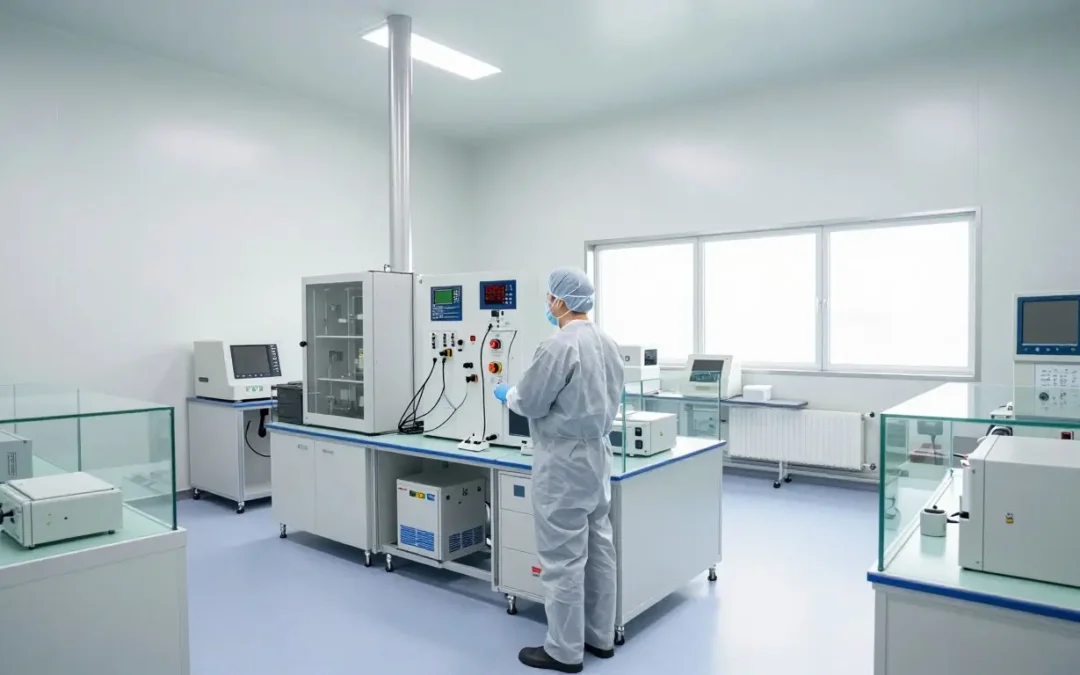
Humidity levels influence indoor air stability and patient comfort across healthcare environments, which makes cleanroom humidity control an important part of environmental management in medical facilities. Maintaining balanced moisture conditions helps support environmental control strategies used in hospitals.
Stable humidity conditions are especially important in areas where patients require controlled environments for treatment and recovery. These conditions help support infection prevention protocols used in modern healthcare facilities.
Hospitals rely on humidity control in several critical areas:
- Patient care areas, where balanced indoor conditions support recovery environments.
- Operating rooms, where controlled environments support safe procedures.
- Intensive care units, where patients require stable environmental conditions.
Role of Precise Humidity Control in Clinical Environments
Hospitals must maintain stable environmental conditions across laboratories, pharmacies, and other sensitive departments while meeting cleanroom humidity requirement standards. Humidity fluctuations can affect equipment performance and environmental stability in these spaces.
Precise humidity control allows healthcare facilities to maintain predictable indoor conditions. Reliable environmental control helps protect sensitive materials and supports consistent clinical operations.
Controlled humidity levels help support:
- Laboratories, where environmental stability protects samples and research materials.
- Pharmacies, where humidity conditions influence medication storage environments.
- Medical equipment areas, where environmental control helps protect sensitive devices.
Types of Hospital Grade Humidifiers Used in Healthcare Facilities
Hospitals use different humidification technologies depending on facility size, infrastructure, and environmental requirements. Each system type offers different operational characteristics suited to healthcare environments.
Steam, Ultrasonic, Evaporative, and Atomizing Humidification Systems
Healthcare facilities use multiple humidification technologies to introduce controlled moisture into indoor air. Each technology increases humidity through a different process, and each carries different implications for maintenance, hygiene, and operational reliability.
Common humidification technologies used in healthcare facilities include the following systems:
- Steam humidifiers, which heat water to produce vapor that increases indoor humidity levels.
- Ultrasonic humidifiers, which use vibration to generate airborne moisture from water.
- Evaporative humidifiers, which add humidity by passing air across moisture-saturated media.
- Atomizing humidifiers, which break water into fine airborne particles for rapid evaporation.
Some hospital-grade facilities use adiabatic humidification systems, which introduce moisture through self-evaporating droplets without adding heat to the environment. Smart Fog’s adiabatic humidification system for hospitals produces an equal-sized droplet grid that fully evaporates before reaching any surface, delivering precise, non-wetting humidity control without particulate introduction or frequent maintenance requirements.
For facilities managing sensitive medical equipment and continuous operational demands, it offers a mechanically straightforward and low-maintenance alternative to steam and ultrasonic technologies.
Central HVAC Humidification vs Standalone Medical Humidifiers
Hospitals may install humidification systems within central HVAC infrastructure or use standalone units in specific departments. The configuration depends on facility design and environmental control needs.
Both approaches support humidity control but serve different operational purposes within healthcare environments. Healthcare facilities typically use the following configurations:
- Central HVAC humidification systems, which integrate humidification directly into the building ventilation system to control humidity across large facilities.
- Standalone medical humidifiers, which operate independently and provide localized humidity control in specific rooms or departments.
Selecting the right humidification system configuration helps hospitals maintain stable environmental conditions across different clinical spaces.
Comparing Humidification Technologies for Healthcare Environments
Healthcare facilities require humidification systems that maintain stable environmental conditions while supporting strict hygiene standards. The technology selected can influence environmental control performance, operational reliability, and maintenance requirements.
Hygiene, Reliability, and Environmental Control Performance
Different humidification technologies operate using different processes to introduce moisture into indoor air. These differences affect hygiene performance, system reliability, and overall environmental control as part of a broader environment control strategy.
Hospitals must evaluate how each technology performs in healthcare environments where contamination risks and operational stability are critical. Systems that maintain consistent humidity while minimizing contamination risks are generally preferred.
Common humidification technologies used in healthcare environments include the following:
- Steam humidification produces vapor through heating, which limits microbial growth risk but introduces heat load into the environment and requires regular maintenance of heating elements.
- Ultrasonic humidification is valued for quiet operation but can aerosolize minerals and contaminants present in water, which is a relevant consideration in hygiene-sensitive clinical areas.
- Evaporative humidification relies on natural evaporation through saturated media, though media requires regular replacement to prevent microbial buildup over time.
Each technology presents different trade-offs in hygiene management, operational continuity, and maintenance burden that facilities should weigh against their specific environmental control requirements.
Maintenance Requirements and Operational Efficiency
Maintenance needs vary significantly depending on the humidification technology used. Some systems require more frequent servicing, while others operate with simpler maintenance schedules.
Operational efficiency is also an important factor because it influences energy consumption, water use, and long-term facility costs. Healthcare facilities must balance system reliability with operational efficiency when selecting humidification technologies.
Facilities typically evaluate the following maintenance and efficiency considerations:
- Frequency of cleaning and servicing required to maintain hygienic operation.
- Energy consumption during continuous operation in large healthcare facilities.
- Water quality requirements and treatment processes needed for system performance.
- System design features that simplify maintenance and reduce downtime.
Understanding these operational factors helps hospitals select humidification technologies that support both environmental stability and long-term efficiency.
Key Factors to Consider When Selecting a Healthcare Humidification System
Healthcare facilities must evaluate several technical and environmental factors before selecting a humidification system. These factors help ensure that humidity control remains stable across different clinical spaces.
Capacity, Coverage Area, and Humidity Load Requirements
Humidification capacity determines how effectively a system can maintain stable moisture levels across a healthcare facility. Systems must match the air volume and environmental requirements of the spaces they serve.
Hospitals typically calculate humidity load requirements based on building size and environmental conditions. Proper system sizing helps maintain consistent humidity without overloading the equipment.
Facilities usually evaluate several environmental factors when determining system capacity. Important considerations include the following:
- Room volume and spatial layout, which determine the amount of air requiring humidification.
- Number of occupants and clinical activities, which influence humidity demand inside the space.
- External climate conditions, which can affect indoor humidity levels throughout the year.
- Target humidity levels required for different departments.
These factors help determine the capacity required for reliable humidity control across healthcare environments.
Accuracy, Control Precision, and Response Time
Hospitals require humidification systems that maintain consistent humidity levels across sensitive clinical environments. Accurate environmental control helps prevent fluctuations that may affect patient comfort or equipment performance.
System responsiveness is also important because environmental conditions inside healthcare facilities can change throughout the day. Systems that adjust quickly help maintain stable humidity levels during these fluctuations.
Healthcare facilities typically evaluate the following performance characteristics:
- Humidity control accuracy, which determines how precisely the system maintains the target humidity range.
- Control precision across different environmental conditions, ensuring consistent performance across departments.
- Response time to humidity fluctuations, which helps maintain stable indoor air conditions.
- Integration with monitoring systems, allowing facility teams to track environmental conditions in real time.
Infection Control and Hygiene Considerations in Hospital Humidifiers
Hospitals must manage humidification carefully because environmental systems can influence infection prevention practices. Humidifier design, maintenance procedures, and water quality management all play a role in maintaining hygienic healthcare environments.
Sterile Steam vs Aerosol-Based Humidification Risks
Different humidification technologies introduce moisture into the air through different processes. These methods can influence contamination risks if systems are poorly designed or maintained.
Hospitals evaluate humidification technologies based on hygiene performance and operational reliability. Systems that minimize contamination risks while maintaining stable humidity are typically preferred.
Common humidification approaches used in healthcare environments include the following:
- Steam humidification, which generates heated vapor and is often used where strict hygiene control is required.
- Aerosol-based humidification, which releases airborne moisture particles and requires careful water treatment and maintenance.
- Technologies designed for rapid evaporation, which reduce the chance of moisture accumulation inside the environment.
Selecting the appropriate technology helps hospitals maintain controlled indoor conditions while supporting infection prevention protocols.
Water Treatment, Filtration, and Anti-Microbial Design
Water quality management is a critical component of hygienic humidification system operation. Systems that use untreated water may introduce contaminants that affect environmental safety.
Hospitals often combine filtration, water treatment, and system design features to reduce contamination risks. Proper maintenance and monitoring also help maintain hygienic operation.
Facilities commonly rely on several design and maintenance practices to support infection control. These practices often include the following measures:
- Water treatment and filtration systems that remove contaminants before water enters the humidifier.
- Design features that allow routine cleaning and servicing to prevent microbial buildup inside system components.
- Anti-microbial materials or technologies that help limit microbial growth within the system.
- Scheduled maintenance and sanitation procedures that maintain hygienic system performance.
When these practices are followed, hospitals can maintain stable humidity levels while supporting hygienic environmental control.
Compliance With Hospital Standards and Environmental Regulations
Healthcare facilities must operate environmental systems within established safety and ventilation guidelines. Humidification systems must support these standards to maintain safe and stable indoor conditions.
Healthcare Indoor Air Quality and Humidity Guidelines
Healthcare organizations follow established guidelines from the CDC for indoor air quality and humidity management. These guidelines help maintain stable environmental conditions across clinical environments.
Several professional and regulatory organizations provide standards used in healthcare facilities. These standards guide how hospitals manage humidity levels and ventilation performance.
Healthcare humidity management guidelines typically emphasize the following practices:
- Maintaining balanced relative humidity levels to support environmental stability.
- Providing adequate ventilation to reduce airborne contaminants inside healthcare spaces.
- Using filtration systems that capture airborne particles and microorganisms.
- Monitoring environmental conditions regularly to ensure systems operate within recommended limits.
These guidelines help hospitals maintain indoor environments that support patient safety and clinical operations.
Alignment With Infection Control and Facility Policies
Hospital humidification systems must operate in ways that align with infection prevention policies and facility regulations. Environmental control systems should never introduce contamination risks into clinical spaces.
Hospitals maintain operational procedures that ensure humidification systems support safe healthcare environments. These procedures help ensure systems remain compliant with facility standards. Facilities typically address compliance through several operational practices.
Key considerations include the following:
- Using treated or purified water sources to reduce contamination risks.
- Following routine cleaning and maintenance schedules for humidification equipment.
- Selecting systems designed for hygienic operation and easy servicing.
- Documenting system inspections and maintenance activities for regulatory compliance.
Integration With Hospital HVAC and Building Management Systems
Hospital humidification systems must operate as part of the broader environmental control infrastructure. Integration with HVAC and building management systems helps maintain stable humidity conditions across healthcare facilities.
Centralized Monitoring and Automated Humidity Control
Building management systems allow healthcare facilities to monitor environmental conditions from a centralized interface. Humidity systems connected to these platforms help maintain visibility across different departments.
Automation allows humidification systems to respond quickly when indoor conditions change. This helps maintain stable humidity levels without constant manual adjustments.
Healthcare facilities often rely on several monitoring and automation capabilities.
These capabilities commonly include:
- Real-time humidity monitoring across hospital spaces.
- Automated humidity adjustments to maintain target levels.
- Centralized dashboards for facility teams.
- Alert systems when humidity moves outside recommended ranges.
Compatibility With Existing Air Handling Units and Infrastructure
Hospital humidification systems must integrate properly with existing HVAC infrastructure. Compatibility with ventilation equipment helps maintain consistent humidity distribution.
Hospitals evaluate how humidification systems interact with air handling equipment and airflow patterns. Proper integration supports stable environmental conditions across the facility and ensures effective designing HVAC systems for healthcare operations.
Facilities typically evaluate several infrastructure factors.
Important compatibility considerations include:
- Air handling unit capacity and configuration
- Ductwork layout and airflow patterns
- Existing HVAC control systems
- Overall building environmental control design
Department-Specific Humidifier Selection in Hospitals
Different hospital departments operate under unique environmental requirements. Humidity control systems must support these differences to maintain safe clinical conditions.
ICU, Operating Rooms, and Isolation Units
Critical care areas require sterile, tightly controlled humidity delivered through centralized HVAC systems.
The following humidifier types are commonly used:
- Clean steam humidifiers (AHU-integrated): Standard in operating rooms and ICUs due to sterile steam generation.
- Resistive steam humidifiers: Used where high purity steam and precise control are required.
- Electrode steam humidifiers: Applied in hospitals where centralized steam systems are not available.
- Isothermal humidifiers: Used to maintain humidity without impacting temperature stability.
These systems are preferred because they produce hygienic, bacteria-free steam, which is critical in infection-sensitive environments.
Laboratories, Pharmacies, and Patient Rooms
These areas require controlled humidity, but sterility requirements and precision levels vary depending on function.
The following humidifier types are commonly used:
- Steam humidifiers (central or localized): Used in pharmacies where humidity affects drug stability.
- Ultrasonic humidifiers: Used in laboratories for precise control with minimal heat impact.
- Evaporative humidifiers: Common in patient rooms for safe and energy-efficient comfort control.
- Adiabatic humidifiers (air washer/spray systems): Used in larger HVAC systems where ultra-sterile output is not required.
These systems balance precision, safety, and operational efficiency based on departmental needs.
Energy Efficiency, Maintenance, and Lifecycle Costs of Medical Humidifiers
Hospitals must evaluate both operational efficiency and long-term reliability when selecting humidification systems. Energy use, servicing requirements, and system durability all influence total lifecycle costs.
Operational Costs and Long-Term Reliability Considerations
Energy consumption varies depending on humidification technology and system design. Facilities often evaluate operational costs to maintain efficient environmental control.
Reliable systems reduce unexpected downtime and maintenance disruptions. Hospitals prioritize humidification systems designed for continuous operation. Facilities typically review several reliability factors before selecting equipment.
Key considerations include:
- Energy consumption during continuous operation.
- Durability of system components and materials.
- Availability of replacement parts and technical support.
- Operational reliability across different environmental conditions.
Maintenance, Cleaning Protocols, and System Longevity
Routine maintenance helps ensure humidification systems operate safely and reliably. Cleaning schedules and system servicing are necessary to maintain hygienic performance.
Facilities must also ensure maintenance procedures are easy to implement. Systems designed for simple servicing reduce operational disruption. Hospitals typically rely on structured maintenance programs.
These programs commonly include the following procedures:
- Routine cleaning and sanitation of system components.
- Regular inspection of humidity sensors and controls.
- Scheduled servicing to prevent equipment wear.
- Accessible components that simplify maintenance tasks.
How Smart Fog Supports Healthcare Humidity Control
Healthcare facilities require stable humidity conditions to support environmental control and protect sensitive equipment. Maintaining balanced humidity helps hospitals sustain consistent indoor conditions across clinical and operational spaces.
Precision Humidity Control for Sensitive Healthcare Environments
Sensitive healthcare environments require consistent environmental conditions to support reliable clinical operations. Humidity fluctuations in these spaces can affect both equipment performance and indoor air stability.
Smart Fog is a non-wetting precision humidification system that uses self-evaporating droplets to deliver stable, uniform humidity control. Droplets evaporate fully in the air before reaching any surface, helping hospitals maintain stable environmental conditions across critical departments.
Common healthcare environments that benefit from precise humidity control include:
- Intensive care units, where stable environmental conditions support consistent equipment performance.
- Operating rooms, where controlled indoor conditions support reliable procedural environments.
- Isolation units, where environmental stability supports consistent air quality and surface protection.
Benefits of Smart Fog Compared to Traditional Humidification
Hospitals require humidification systems that maintain environmental stability without creating moisture-related risks. Systems that allow full evaporation of water in the air help maintain consistent humidity levels across large facilities.
Smart Fog’s hospital humidification systems distribute moisture evenly across indoor environments, allowing healthcare facilities to maintain reliable humidity control without wetting floors, walls, or equipment. Hospitals benefit from several operational advantages when using Smart Fog systems.
These advantages include:
- Uniform humidity distribution across large healthcare spaces.
- Non-wetting humidification that avoids condensation on surfaces and sensitive medical equipment.
- Stable environmental control that supports consistent indoor air conditions.
- Full water efficiency through complete evaporation of moisture into the air.
Final Thoughts on Choosing a Hospital Grade Humidifier
Hospitals depend on stable indoor environmental conditions to support consistent operations and protect sensitive medical equipment. Selecting the right humidification system helps maintain balanced humidity levels across clinical and operational spaces.
Smart Fog provides a non-wetting precision humidification solution designed for environments that require stable and uniform humidity control. Choosing the right system for a healthcare facility depends on factors specific to the building, infrastructure, and operational requirements involved.
Speak with a Smart Fog humidification engineer to identify the right solution for your facility’s environmental control needs.
FAQs
Why is maintaining proper humidity important in healthcare facilities?
Proper humidity supports patient comfort and stable indoor conditions. Extremely dry air can irritate the respiratory tract and affect indoor environmental stability.
How does a hospital grade humidifier support respiratory care?
Hospital humidifiers provide controlled moisture to medical gases used in ventilation and oxygen therapy. This helps prevent airway dryness and supports respiratory comfort.
What types of humidification systems are used in hospitals?
Hospitals commonly use steam, evaporative, ultrasonic, or adiabatic humidification systems. The choice depends on facility size, humidity requirements, and energy considerations.
Why is precise humidity control important in operating rooms?
Operating rooms require stable humidity to maintain controlled environmental conditions. Balanced humidity also helps reduce electrostatic discharge that may affect sensitive equipment.
How do hospitals manage infection control when using humidifiers?
Hospitals manage infection control through system design, proper water treatment, and regular maintenance. Humidity monitoring ensures levels remain within recommended ranges.
What should hospitals consider when selecting a humidification system?
Facilities evaluate system capacity, coverage area, and integration with existing HVAC infrastructure. Automation and centralized monitoring also support reliable environmental control.
How do Smart Fog humidifiers differ from traditional hospital humidifiers?
Smart Fog is a non-wetting precision humidification system that uses self-evaporating droplets. It delivers stable humidity control without wetting surfaces or equipment.
What problems can low humidity cause in hospitals?
Low humidity can cause dry skin, eye irritation, and respiratory discomfort for patients and staff. It can also increase static electricity that may affect electronic equipment.
What maintenance is required for hospital humidifiers?
Hospital humidifiers require routine cleaning, system checks, and sensor calibration. Regular maintenance helps maintain hygienic operation and stable humidity performance.
Does humidity affect airborne disease transmission in hospitals?
Humidity levels influence how airborne particles behave in indoor environments. Balanced humidity helps maintain more stable air conditions inside healthcare spaces.